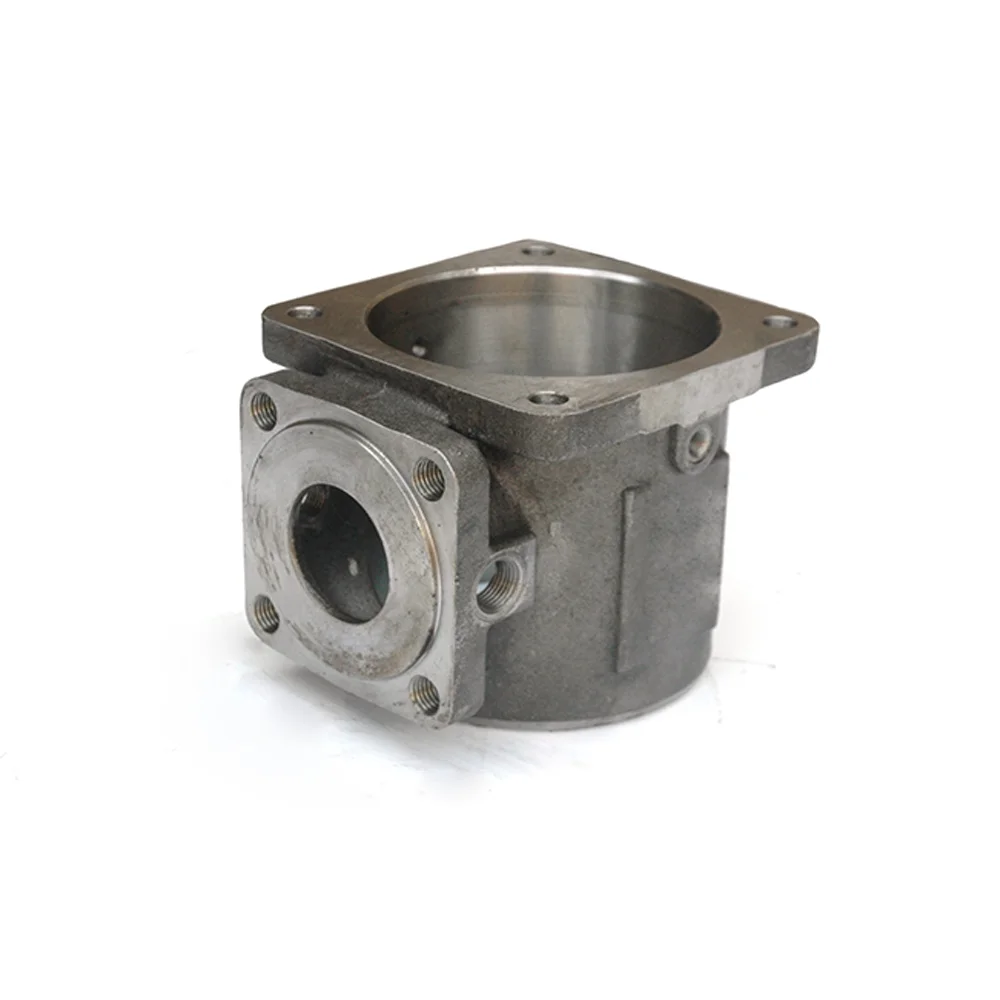
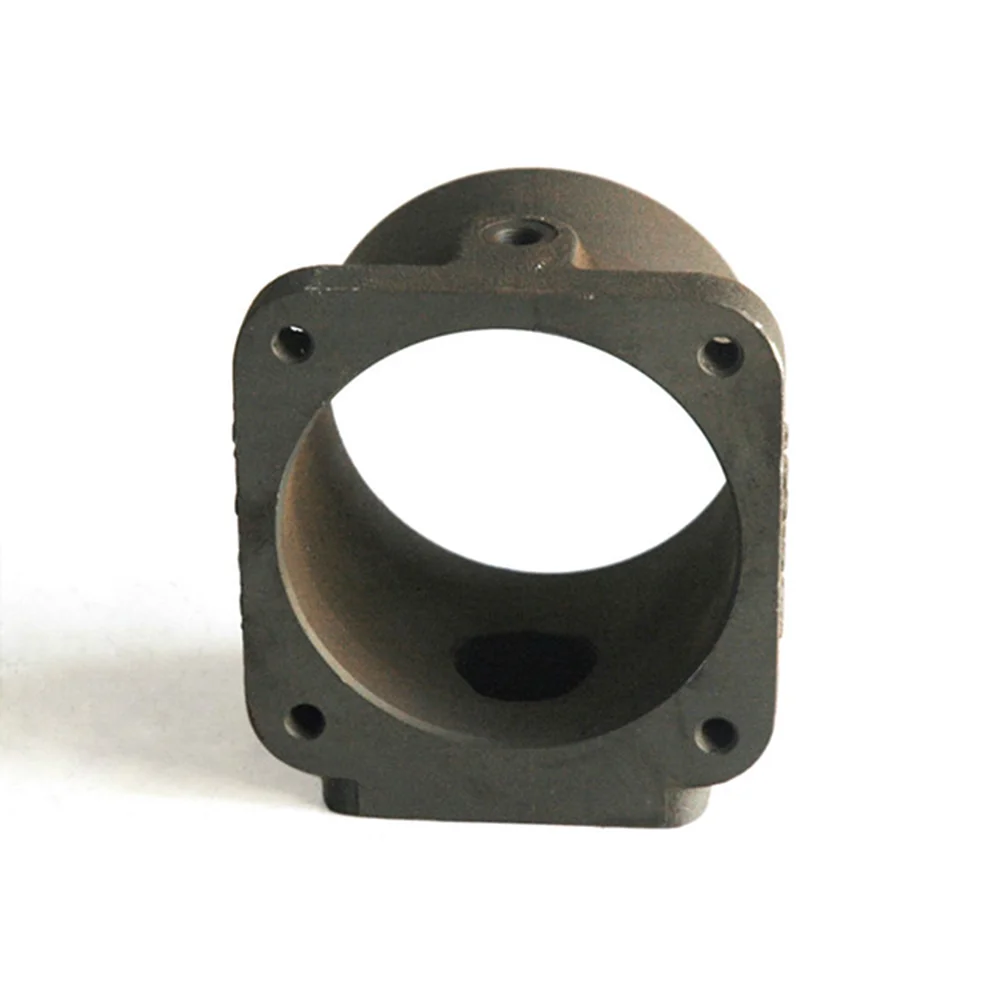
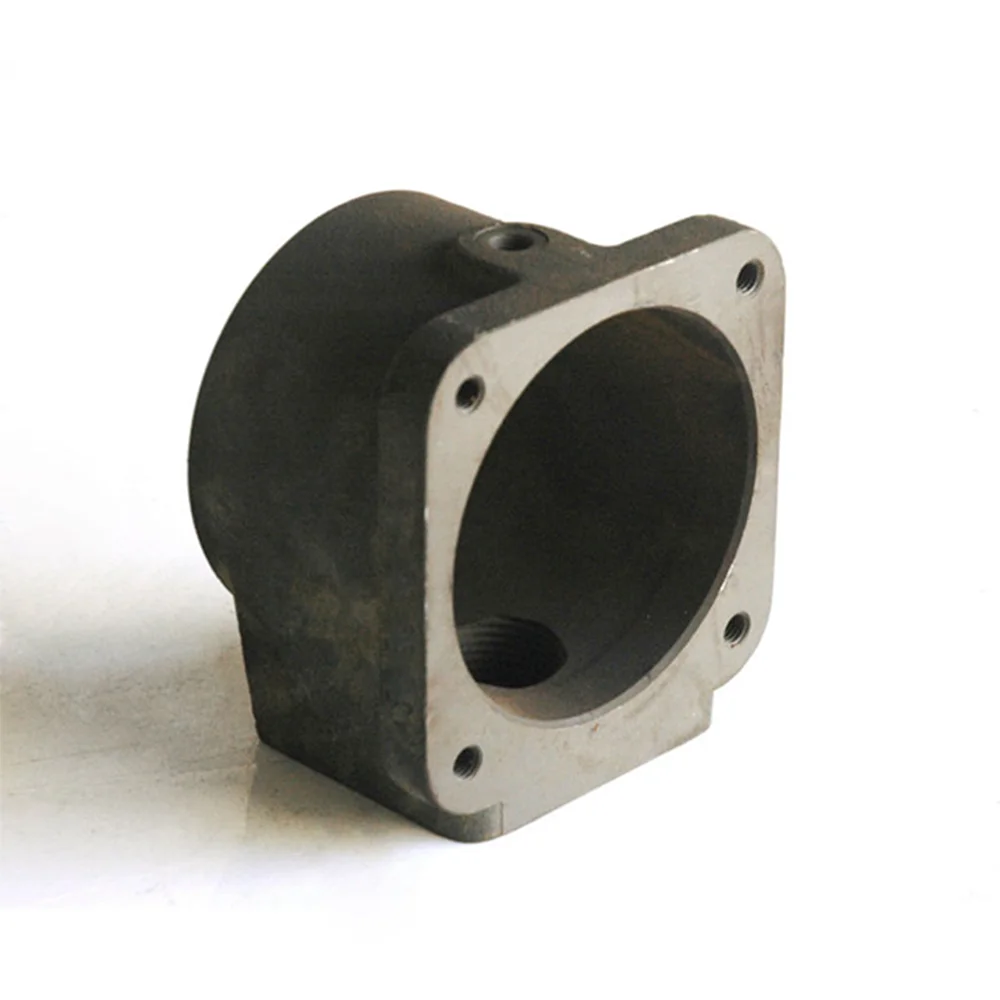
Cast Iron Valve Housings and Valve Fittings | Precision Investment Casting Service
Let’s define your requirement
Send a product link, drawing or short brief. We’ll work through the details with you.
- Confirm the specificationGrade or model, size and intended use.
- Define your orderQuantity, finish or configuration, and samples.
- Agree the quotation scopeIncluded work, key checks and delivery needs.
-
Component FormHousing / EnclosureSurface FinishPainted , Machined
-
ProcessPrecision Casting, Investment Casting
-
MaterialIron, Steel, Gray Iron,Nodular Cast IronSurfaceMachining Or Spay Painting For Casting Alloy
-
Heat TreatmentAnnealing, Normalizing, Quenching, TemperingCertificationApprovals ISO9001, TUV-PED,BV For Casting Alloy
-
InspectionPressure Test, Sealing Test For Casting AlloyRequirements For MaterialsHardness, Tensile Strength, Elongation, Impact Toughness
-
Requirements For SizeDimensional Accuracy And Shape AccuracyProduction EquipmentsAdvanced
-
Technology StrengthPowerful Technology Team
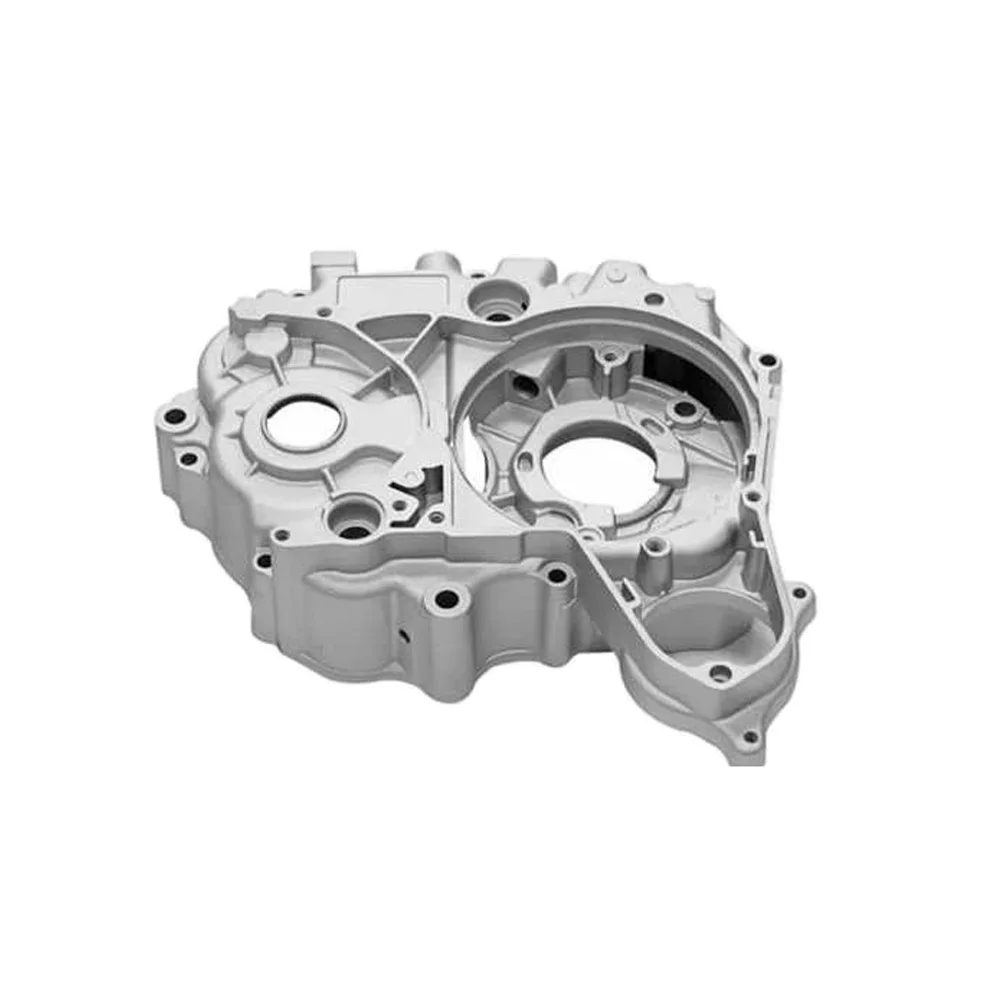
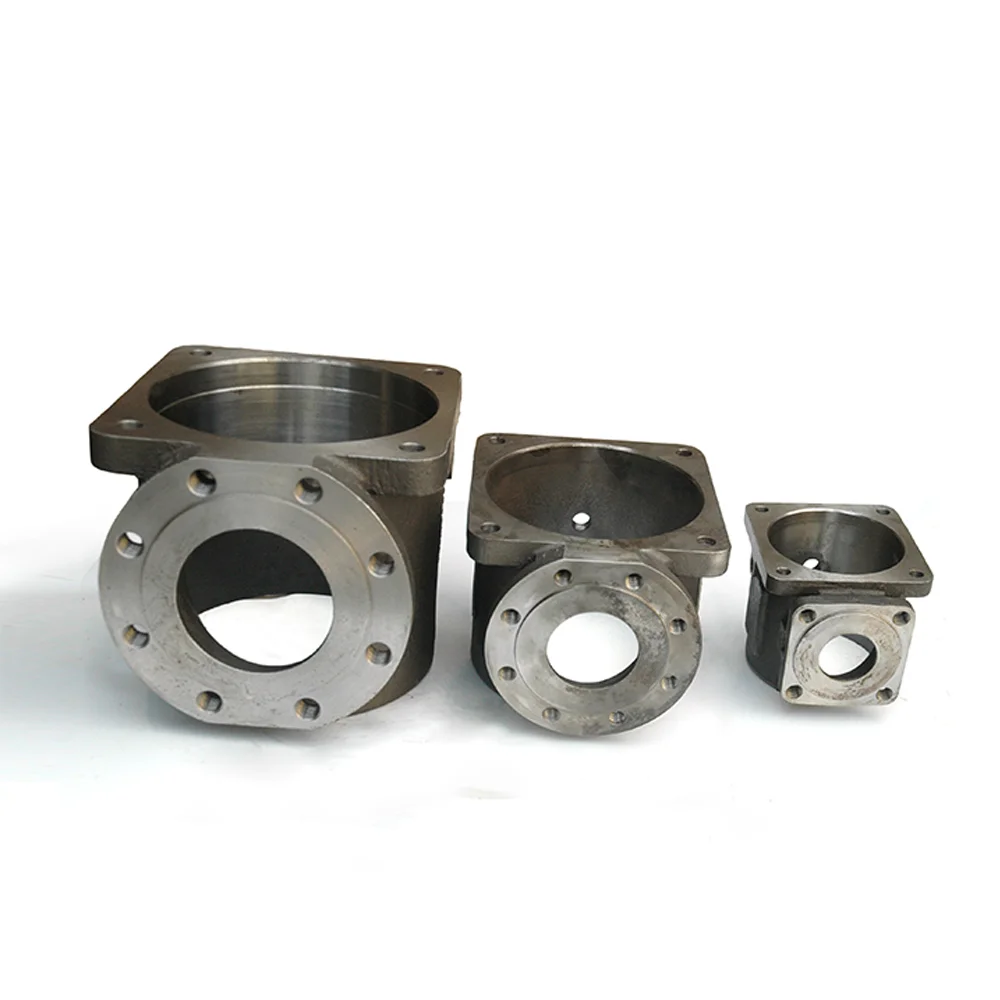
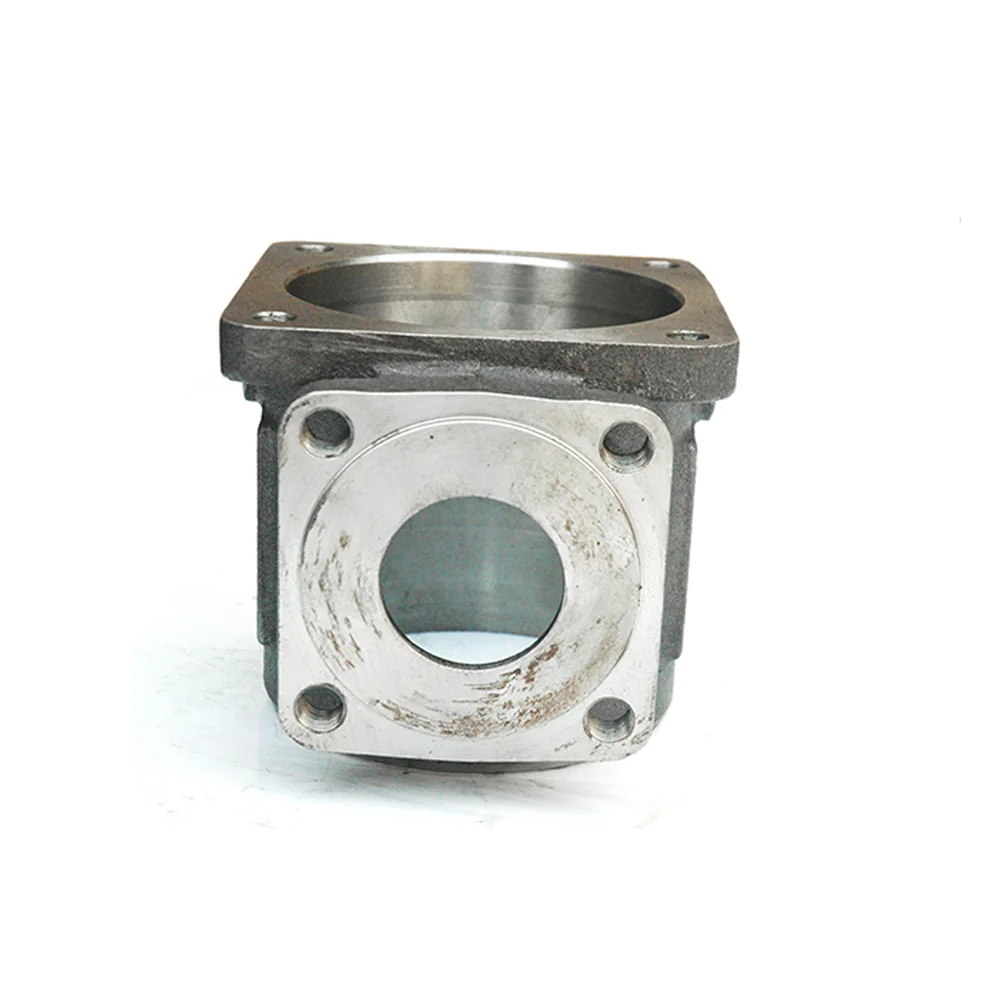
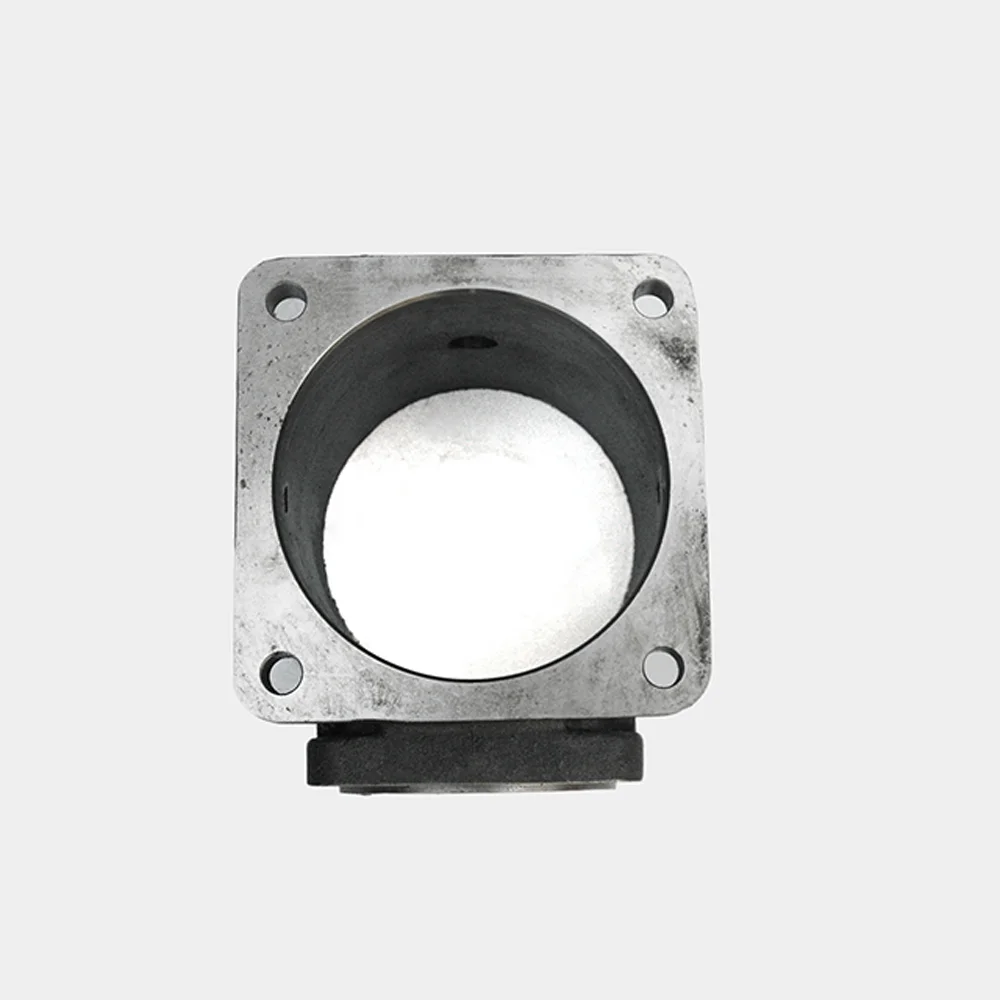
Valve housings need a clear relationship between material, machined interfaces and inspection acceptance. This precision and investment casting service covers valve housings and valve fittings in iron, steel, gray iron and nodular cast iron, with surface and heat treatment choices for the required component.
Match the housing material to its mechanical requirements
Begin with the grade and the mechanical properties the valve housing must meet. Hardness, tensile strength, elongation and impact toughness are identified as material requirements, while annealing, normalizing, quenching and tempering are available heat treatment choices. Agree which treatment belongs to the selected grade and component rather than treating the four methods as one combined instruction.
Separate surface condition from sealing acceptance
Machining or spray painting can form part of the casting surface requirement. Define the areas that need machining and the surfaces intended for the chosen coating, keeping the dimensional and shape requirements clear on the housing drawing. Pressure testing and sealing testing are within the inspection scope; establish the test conditions and acceptance criteria for the particular valve component.
Set the valve interfaces before approving a housing
Provide the component geometry and the interfaces that connect the housing to the rest of the valve. The casting service description does not itself select the mating dimensions or operating conditions for an assembly. Agree the required dimensional accuracy together with the service and test requirements, so the finished housing can be assessed against a defined component brief.
If the purchase requires a particular approval, confirm the applicable certificate holder and component scope during the enquiry. This connects the documentation requirement to the actual valve housing being ordered.