Cast-Iron Train/Railway-Car Castings | Lost-Wax Investment and CNC Machining Service
Let’s define your requirement
Send a product link, drawing or short brief. We’ll work through the details with you.
- Confirm the specificationGrade or model, size and intended use.
- Define your orderQuantity, finish or configuration, and samples.
- Agree the quotation scopeIncluded work, key checks and delivery needs.
-
Surface FinishShot Blasted
-
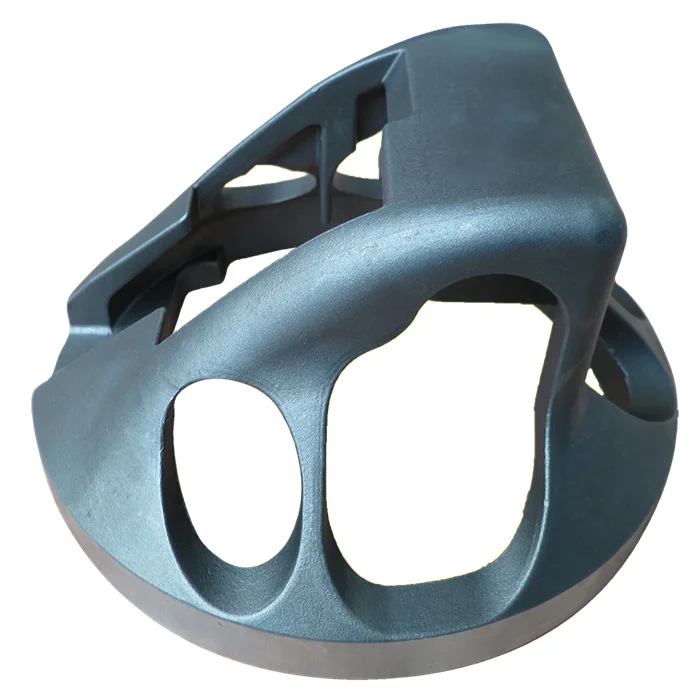
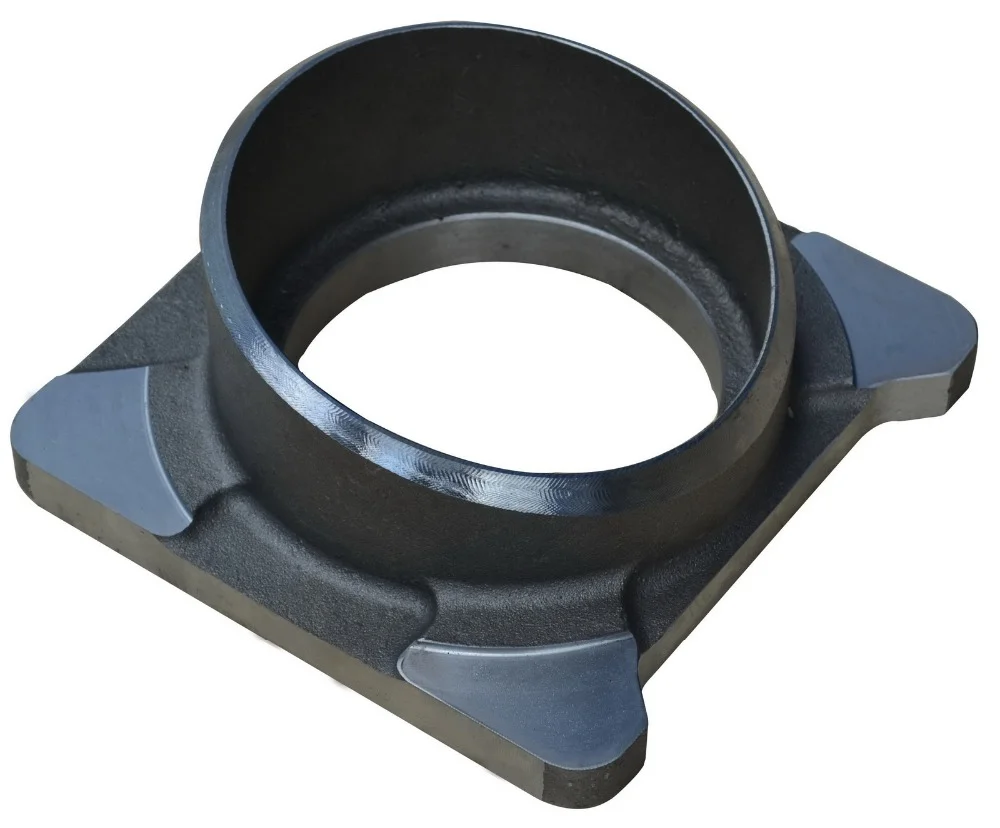
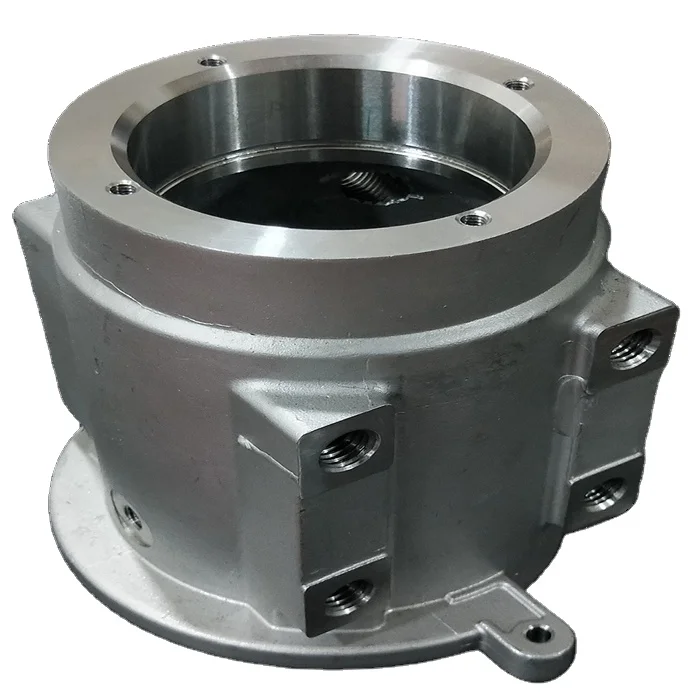
NameCast Iron Train Railway Car Casting
-
KeywordsRailway Car CastingAppplicationTrain
-
ProcessLost wax investment casting+CNC machinedHeat TreatmentQuench and temper by 2 set mesh belt furnaces
-
Surface TreatmentShot blasting+AssemblingMachining Facility60+ Machining centers,70+ CNC machines
-
InspectionMT/UT/RT/100% visual+100%gage/CMMStandardASTM. AISI. DIN. BS. JIS. NF. AS.
-
CertificationIATF16949/ISO14001
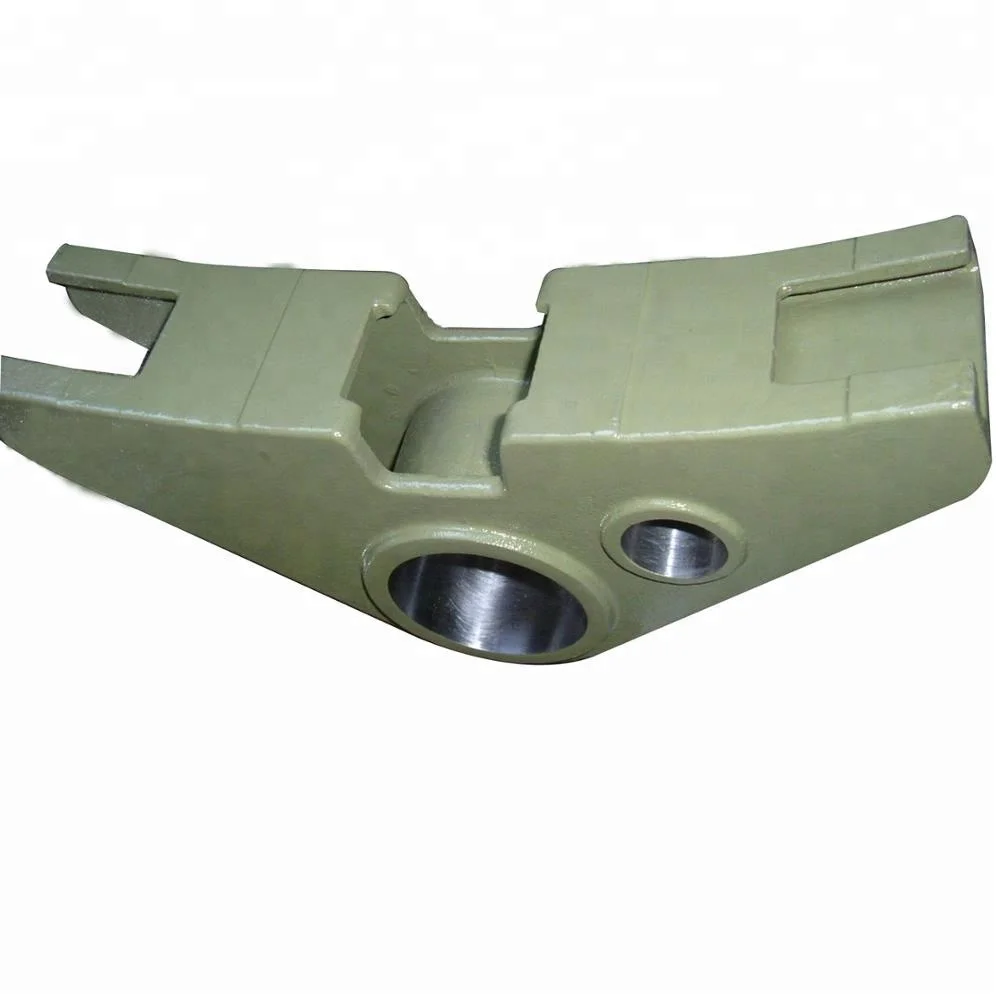
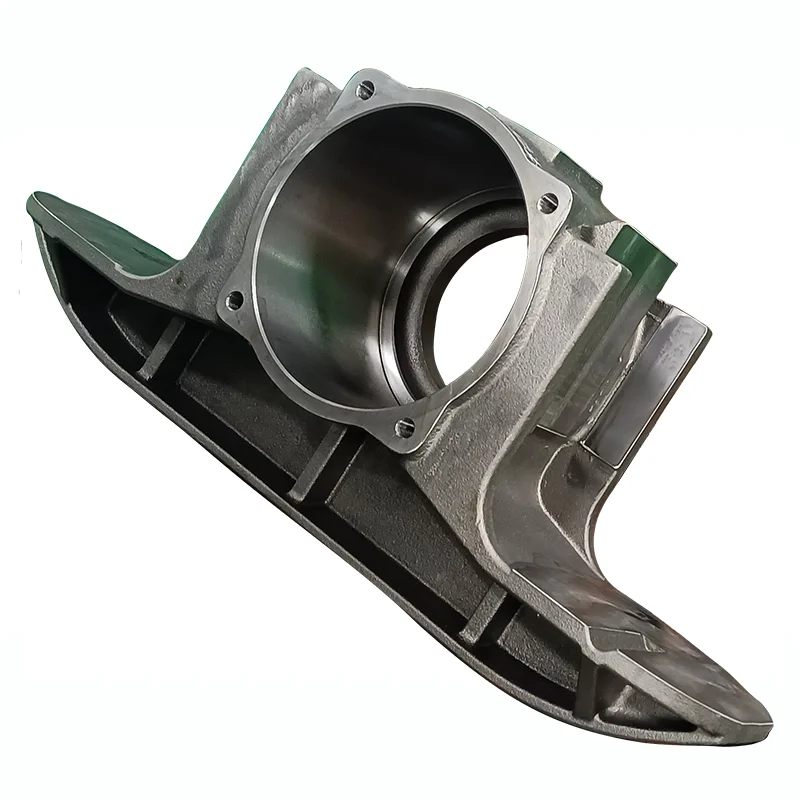
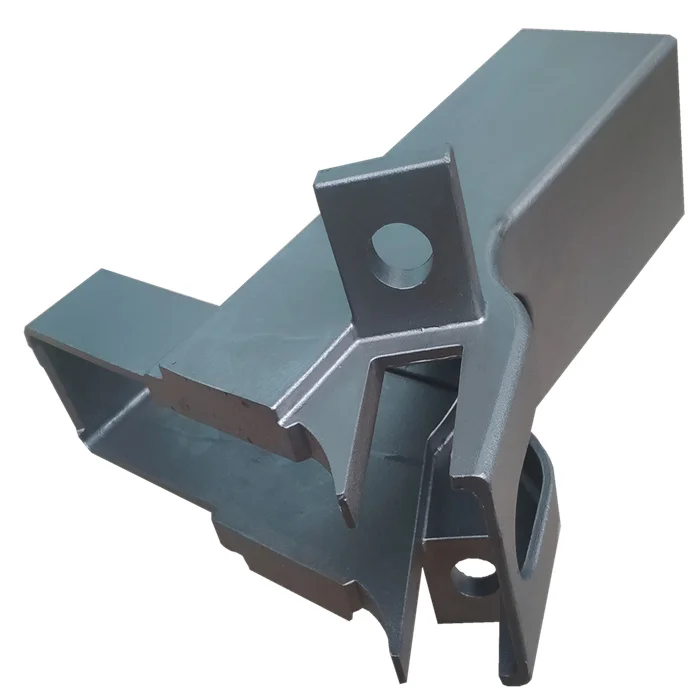
Cast-iron parts are directed to train and railway-car work through lost-wax investment casting and CNC machining. Shot blasting and assembly are available work directions. The actual iron grade, railway component and service requirements should establish the selected casting and its finished acceptance.
Railway-car geometry and machined interfaces
The railway-car casting/CNC service has facility references of 60+ machining centers and 70+ CNC machines. Define the actual cast geometry and the interfaces to be completed by machining for the selected part. Connect those dimensions to the component's intended train duty, material requirement and inspection criteria so the work addresses one defined railway item.
Iron grade, heat treatment and assembled condition
Quenching and tempering use two mesh-belt furnaces, with the actual iron grade and treatment scope to agree. Identify the shot-blasted surfaces and assembly interfaces required for the component. Relate the thermal, surface and assembled acceptance to that selected material and geometry, including the operating conditions relevant to the train part.
Material references and inspection coverage
ASTM, AISI, DIN, BS, JIS, NF and AS are standard references to select for the actual grade and requirements. MT, UT, RT and CMM are inspection directions for the part inquiry. Visual inspection and gauge checks each have a 100% coverage direction. Agree which dimensions, surfaces and component areas each method addresses, then connect their acceptance to the selected casting/CNC and treatment/assembly scope for the railway-car part.