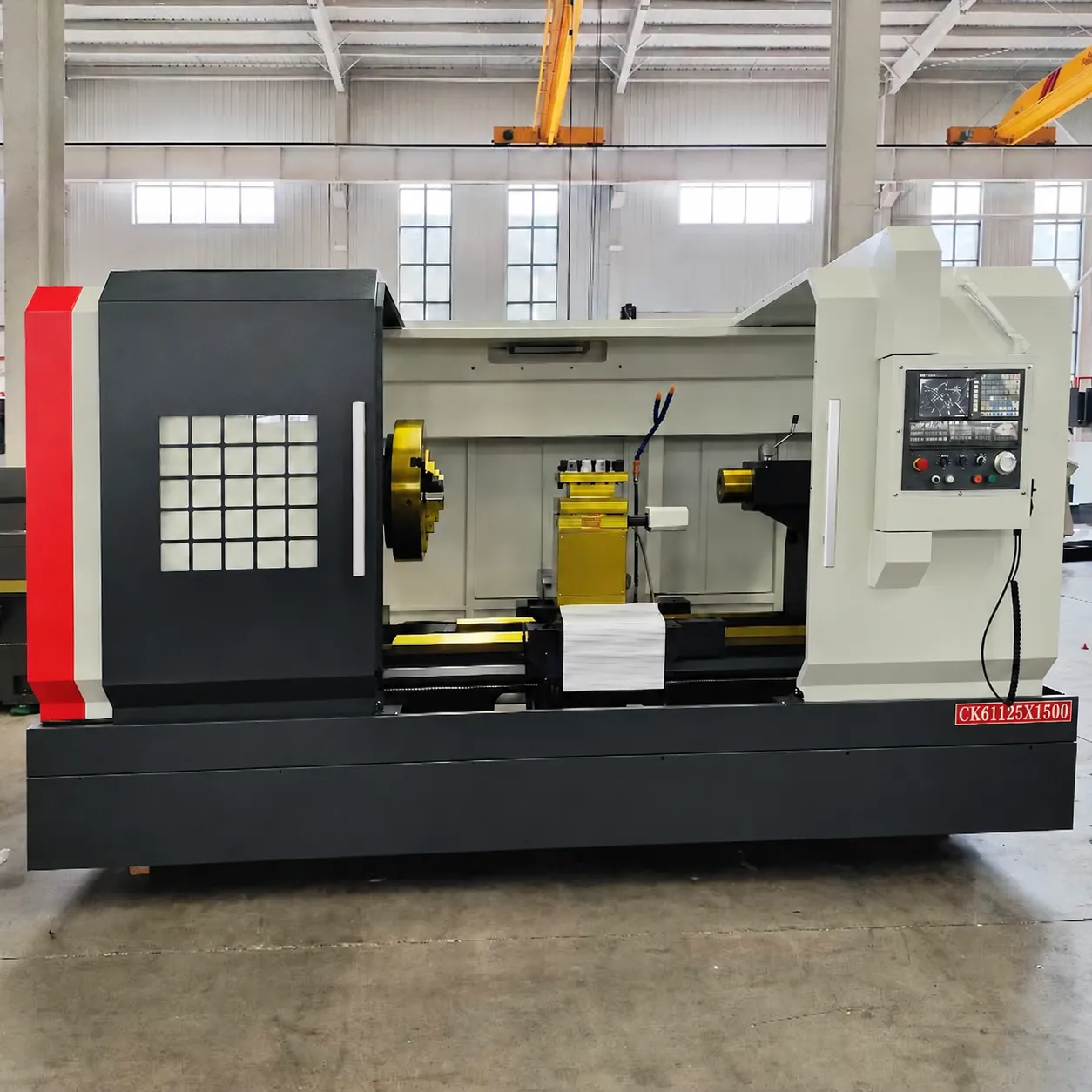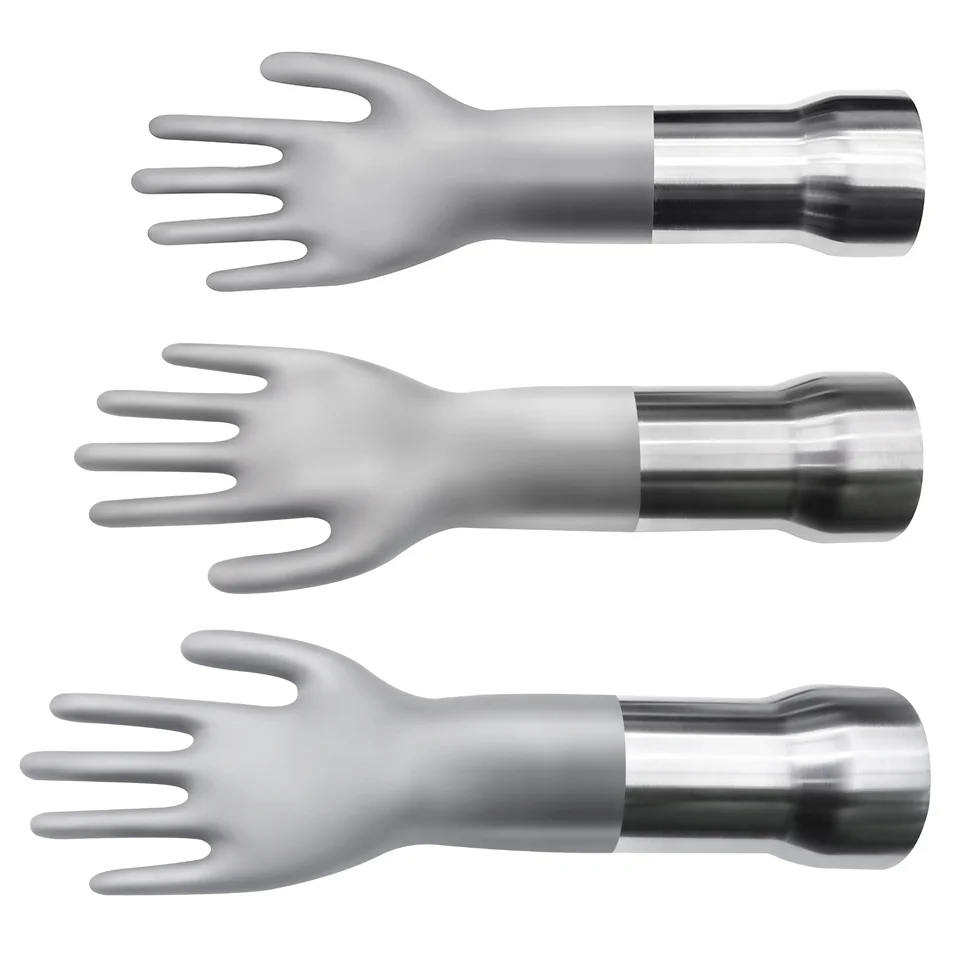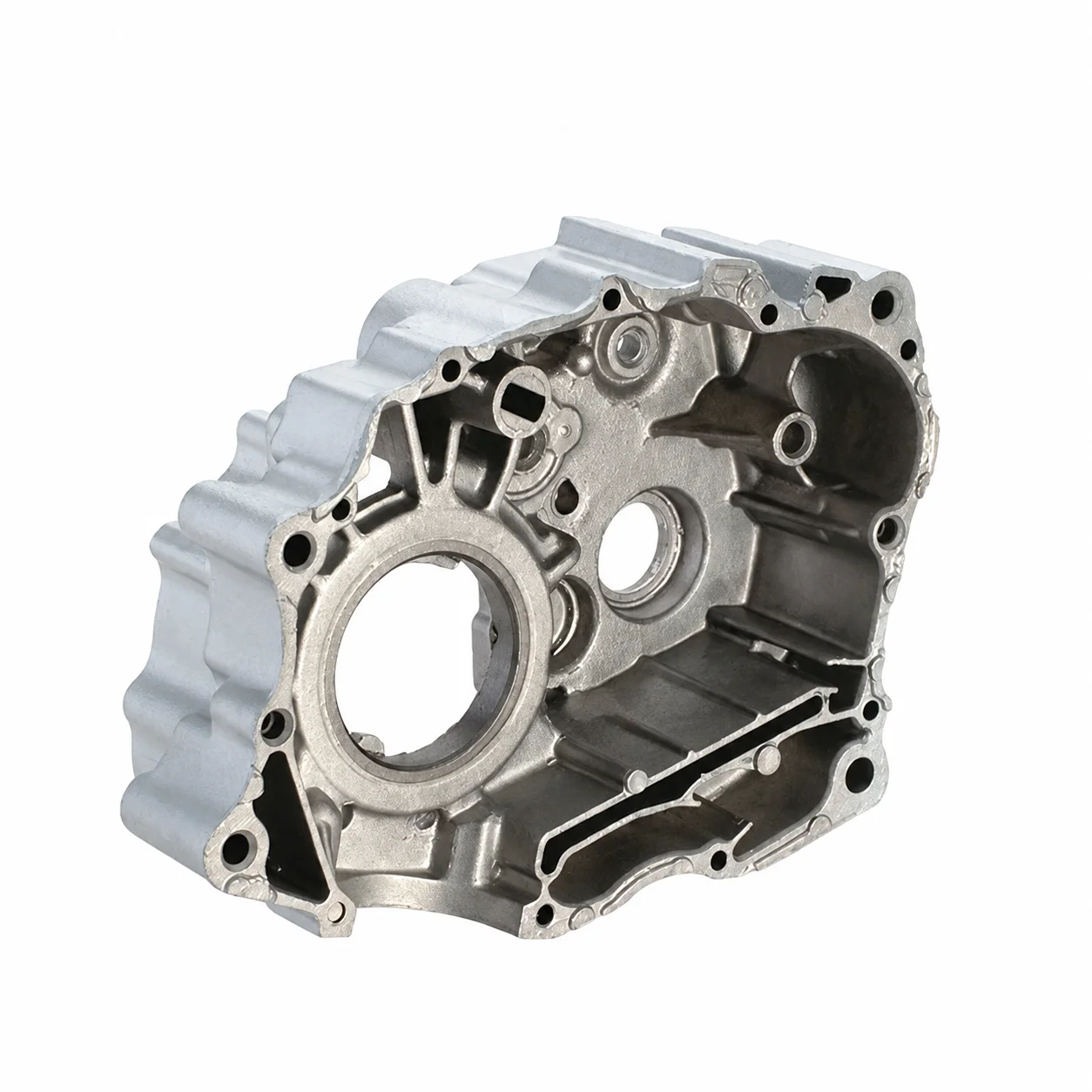
Aluminum Die-Cast Machinery or Steel-Alloy Investment-Cast Motor-Frame Requests, Intricate/Unpainted/Chromate Directions and 100% Inspection
Let’s define your requirement
Send a product link, drawing or short brief. We’ll work through the details with you.
- Confirm the specificationGrade or model, size and intended use.
- Define your orderQuantity, finish or configuration, and samples.
- Agree the quotation scopeIncluded work, key checks and delivery needs.
-
MaterialAluminum
-
ApplicationMachinery PartsSurface treatmentaccording to require
-
Product nameDie casting partsDelivery time15-25 Days
-
Machining ProcessDie Casting-deburring-surface TreatmentFinishChromate
-
Quality Control100 % InspectionMOQ100
-
Casting Toleranceaccording to drawing
Machinery-casting requests include aluminum die casting with deburring and surface treatment, alongside a steel-alloy investment-cast automotive motor-frame direction. Select the actual material, route and component before agreeing the finished work. Intricate geometry, unpainted work and chromate finish require a component-specific drawing and final-condition selection.
Aluminum machinery part or steel-alloy motor-frame drawing
Identify the actual supplied component and material specification. Confirm its casting route and allocate deburring and surface work to the accepted geometry. For a motor-frame request, define the mechanical-engineering/automotive duty and mating arrangement that the drawing must satisfy. Set controlled dimensions at the interfaces for the chosen part.
Drawing tolerance, unpainted work and chromate scope
Casting tolerance follows the actual drawing rather than an unspecified numerical value. Define the intricate geometry that must be produced and the criteria used to accept it. Specify the required surface condition, including chromate scope where selected, and establish whether unpainted work is required. Relate those surface requirements to the supplied material and finished dimensions.
Inspection of the selected geometry and surface
The quality-control direction is 100% inspection of the chosen component, with actual coverage to agree. Identify the dimensional and surface characteristics, measurement methods and records used for acceptance. Connect those checks to the machinery or motor-frame drawing and its functional requirements. Confirm quantity and manufacturing responsibility against the accepted material, route, final condition and inspection plan.