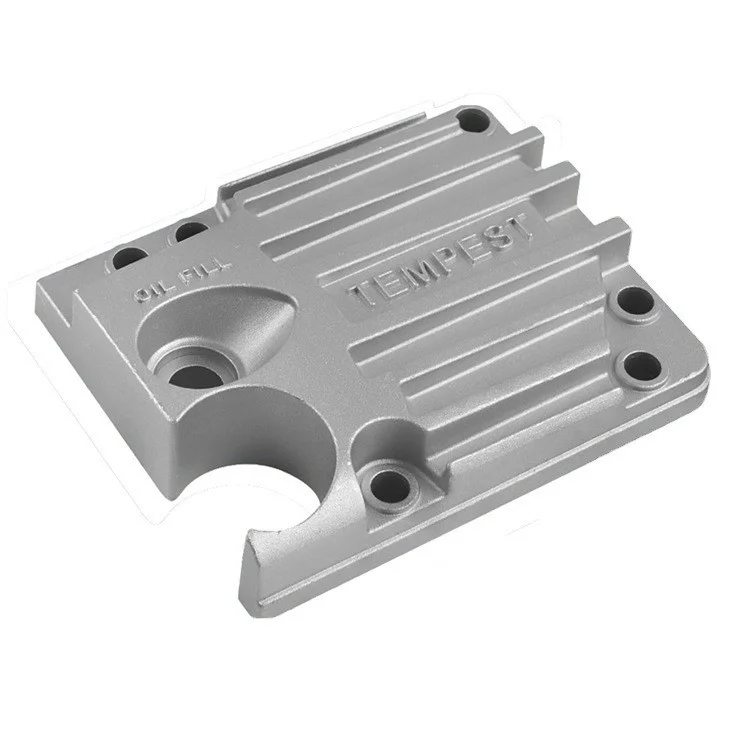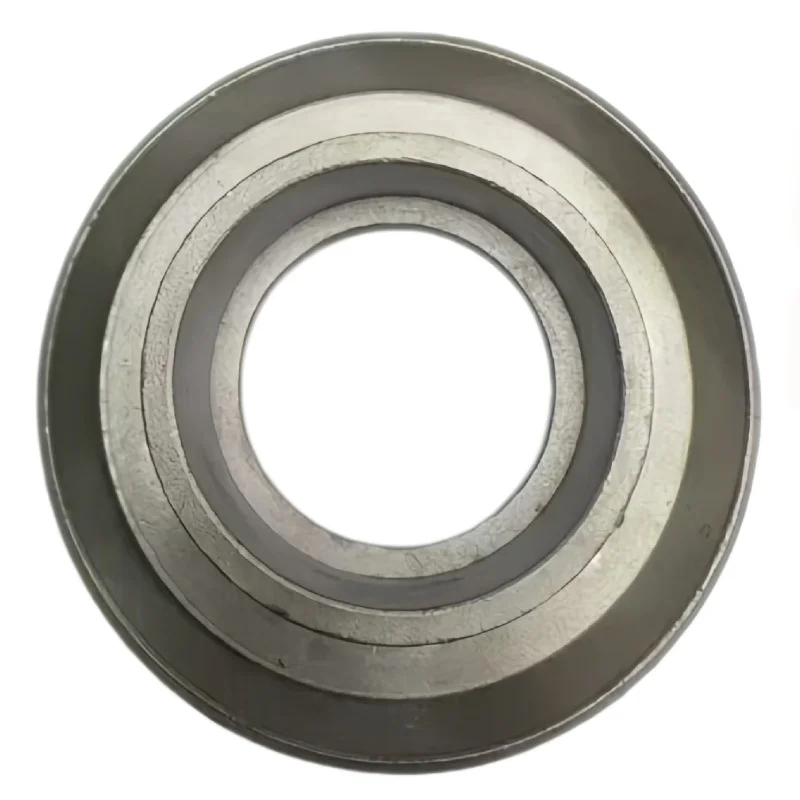
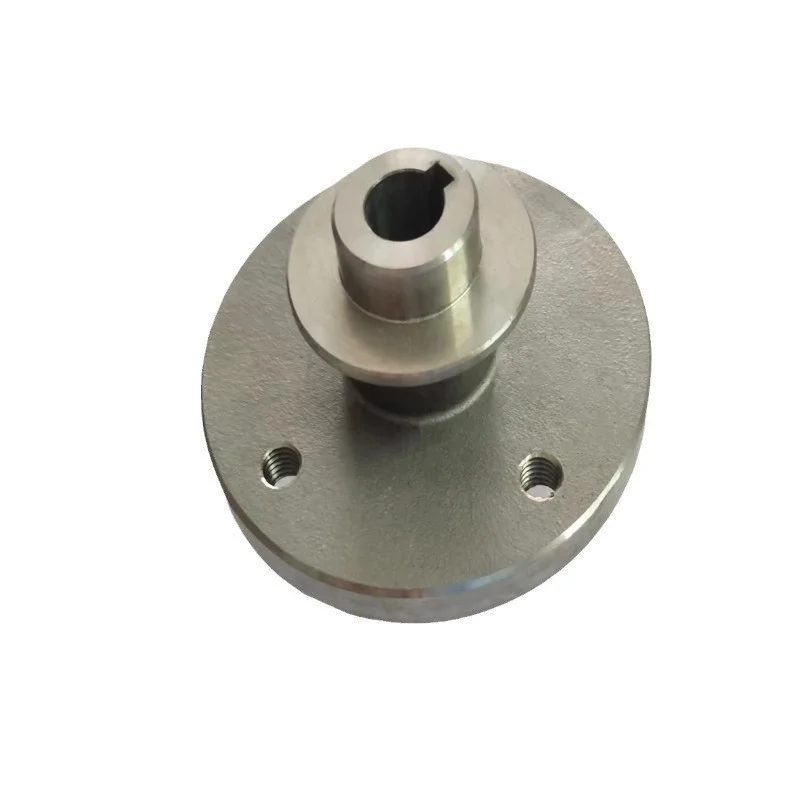
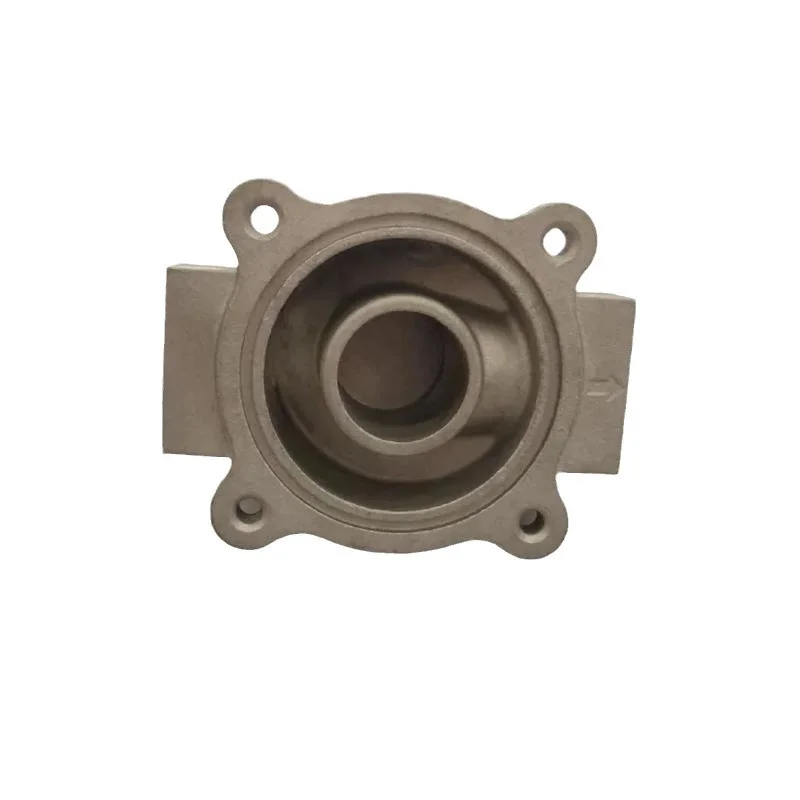
304/316 Stainless Steel Precision Shell/Lost Wax Casting Parts, 0.2mm Tolerance Reference and Sand-Mold Requests
Let’s define your requirement
Send a product link, drawing or short brief. We’ll work through the details with you.
- Confirm the specificationGrade or model, size and intended use.
- Define your orderQuantity, finish or configuration, and samples.
- Agree the quotation scopeIncluded work, key checks and delivery needs.
-
materialStainless steelAnnual remaining processing capacity1000000000
-
Part NumberMY0513Processing cycle8-15 days
-
Maximum annual processing capacity9999999999Special casting typesShell casting
-
Types of sand castingClay wet sand moldMolding processLost-wax casting
-
brandReliatolerance0.2mm
Precision stainless steel casting parts include 304 and 316 material directions with a 0.2 mm tolerance reference. Lost-wax casting, shell casting and a clay wet sand mold direction are named process references. Select the actual route and grade for the component being requested.
304 or 316 for the component duty
Define the exact stainless grade together with the part geometry and intended working conditions. Identify the dimensions and functional requirements that determine acceptance of that component. Use the agreed material specification for the order rather than treating the two grade directions as interchangeable for every duty.
Lost-wax, shell and wet-sand mold scope
Agree which casting and mold direction applies to the selected part. A lost-wax or shell reference and a clay wet sand mold reference do not define a required sequence of all three for every casting. Establish the actual production route and accepted component condition before treating those process directions as one combined method.
Assign the 0.2 mm dimensional reference
The tolerance reference is 0.2 mm, with its form, applicable features and production stage to confirm. Mark the relevant dimensions on the component definition and agree how their final acceptance will be checked. Confirm required material and dimensional records for that part. Establish the actual production-capacity units and allocation for the project quantity separately from the selected route and dimensional acceptance.