304/316 Stainless-Steel Precision Casting | Silica-Sol Investment/Lost-Wax and 3D-Printed Molds, OEM/ODM
Let’s define your requirement
Send a product link, drawing or short brief. We’ll work through the details with you.
- Confirm the specificationGrade or model, size and intended use.
- Define your orderQuantity, finish or configuration, and samples.
- Agree the quotation scopeIncluded work, key checks and delivery needs.
-
MaterialCustomer's RequirementsProduct nameStainless Steel Castings
-
ApplicationIndustry/Auto parts/Agricultural machinery/pumpSurface treatmentCustomers' Demand
-
ProcessCasting +Machining(if Need)+surface TreatmentServiceOEM ODM Customised
-
CertificationISO9001-2015ColorCustomized Color
-
SizeCustomer's RequstMOQ10 Pieces
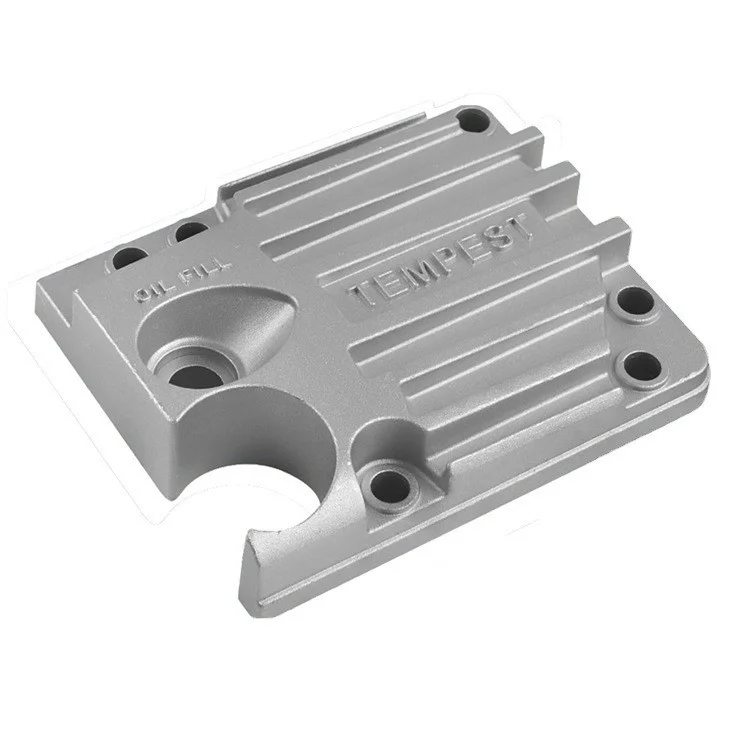
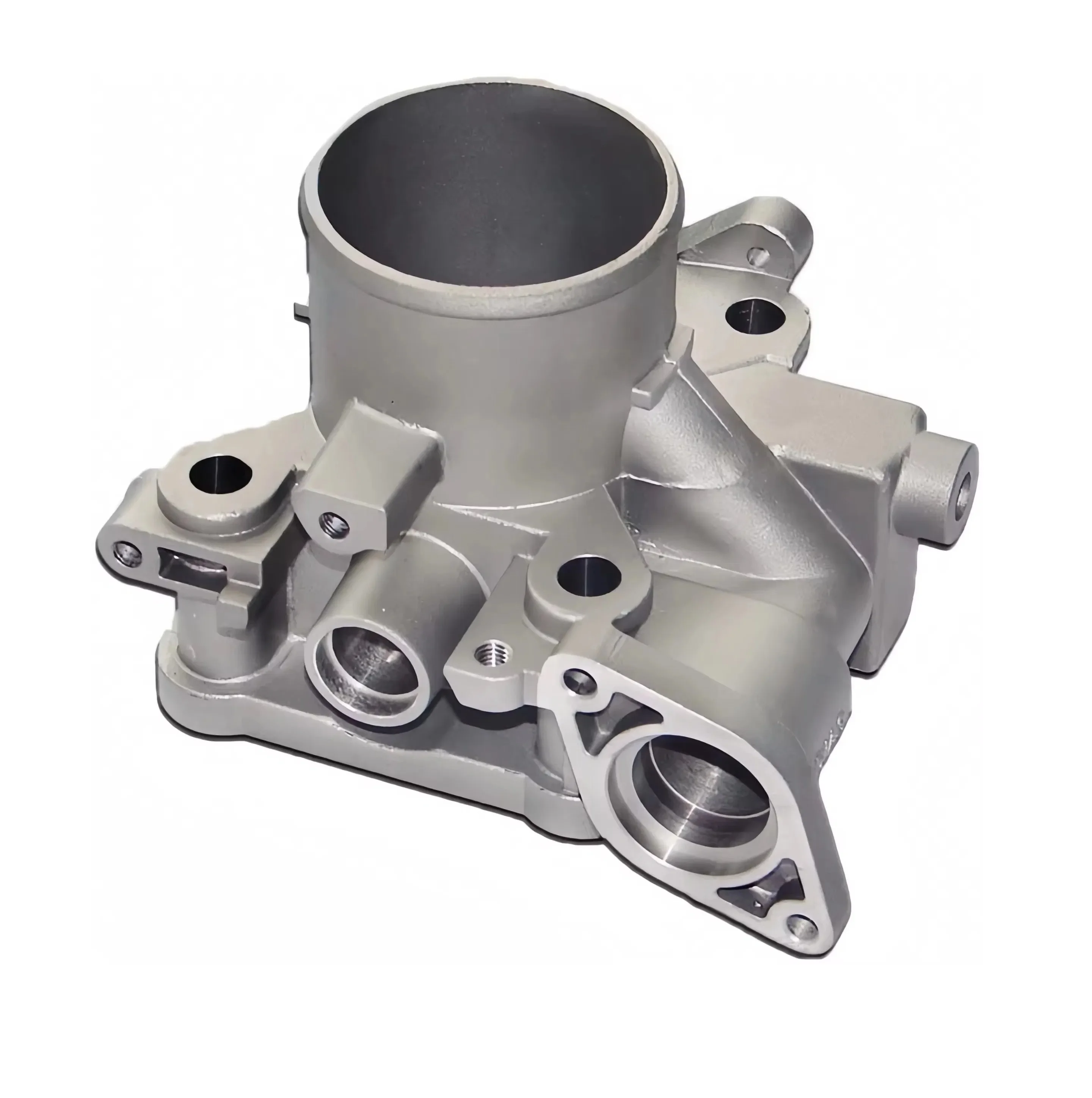
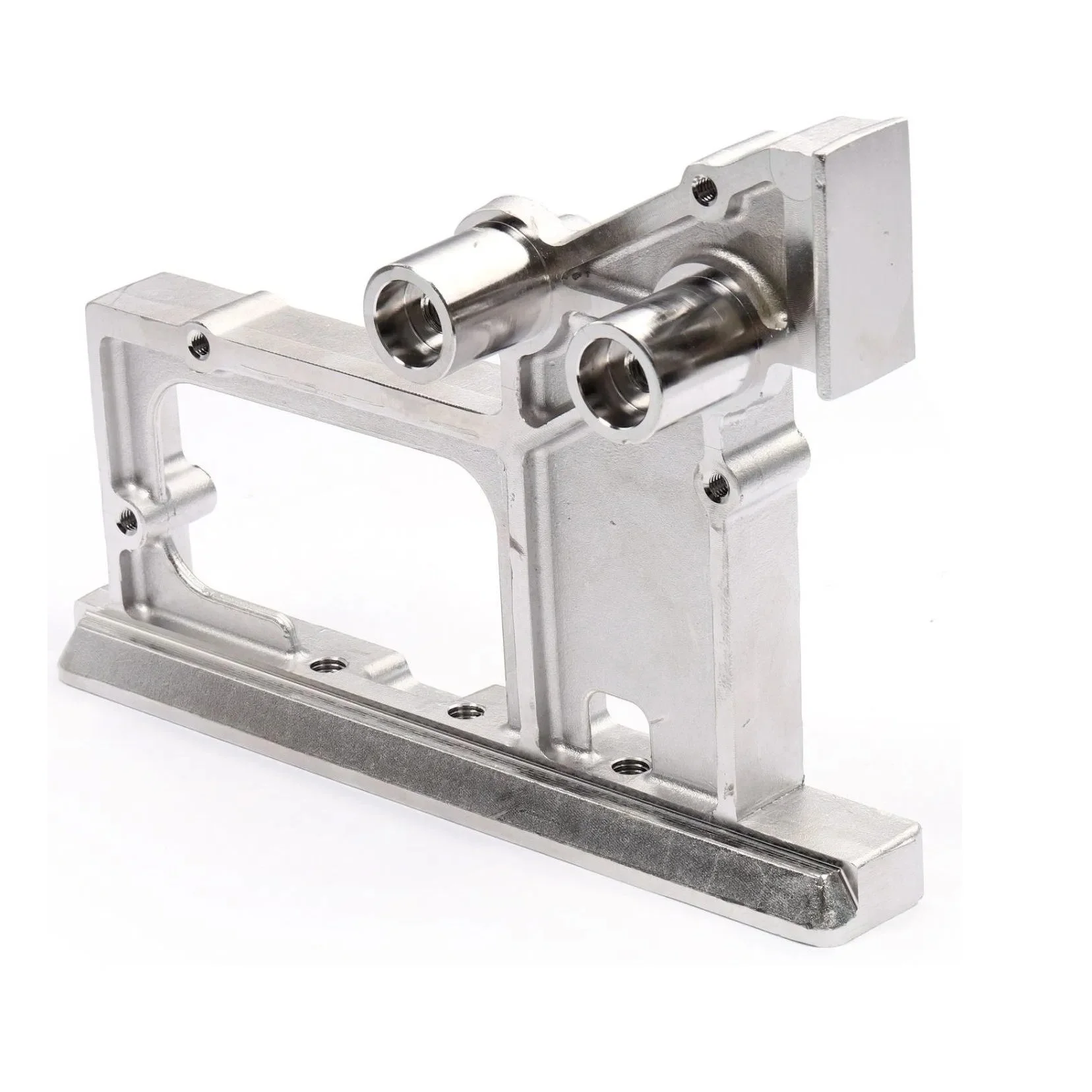
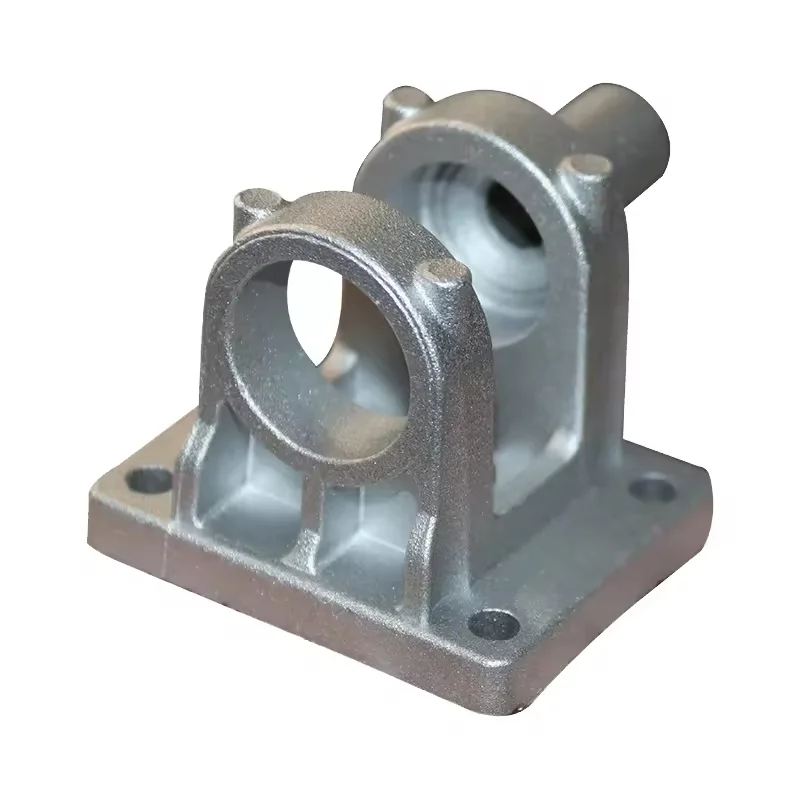
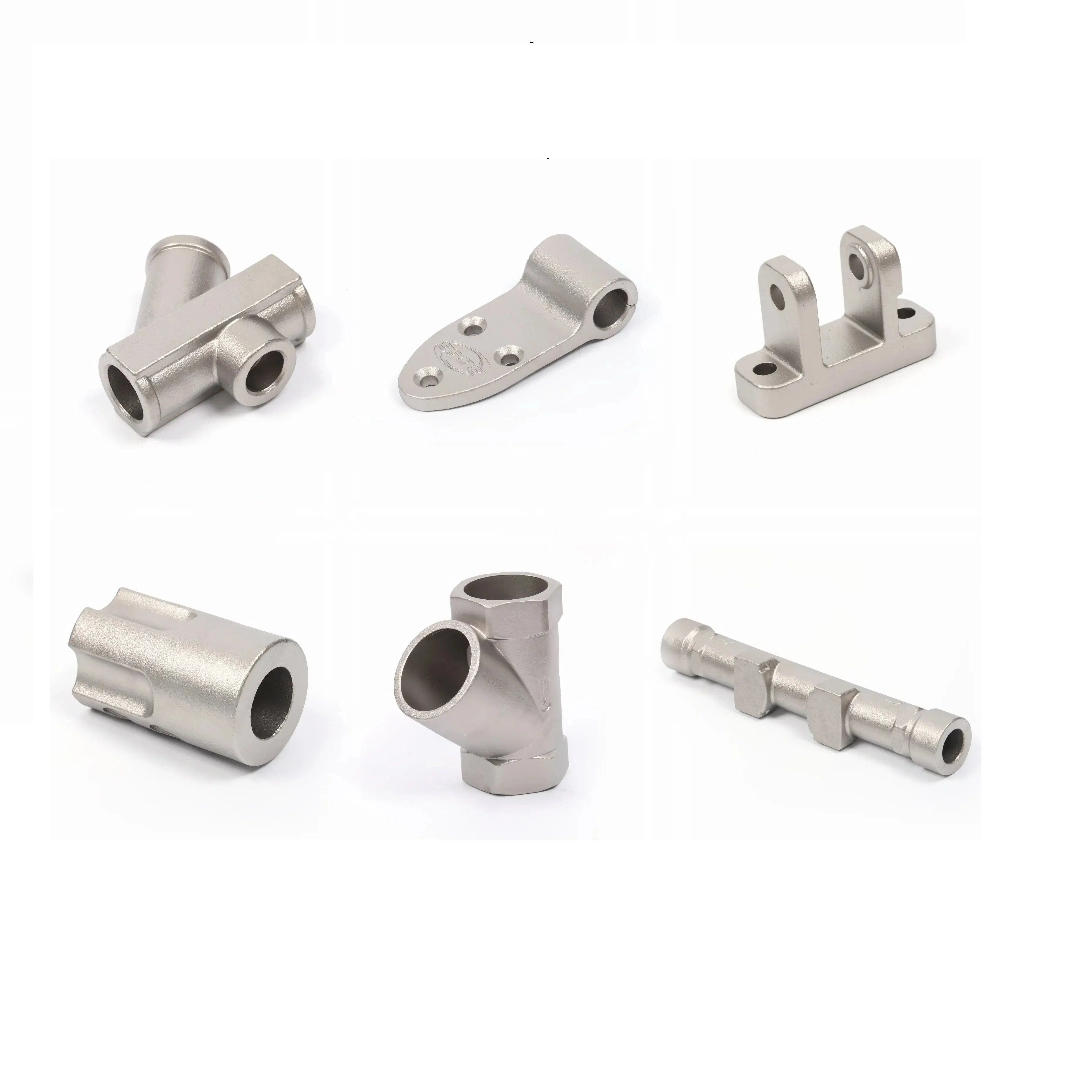
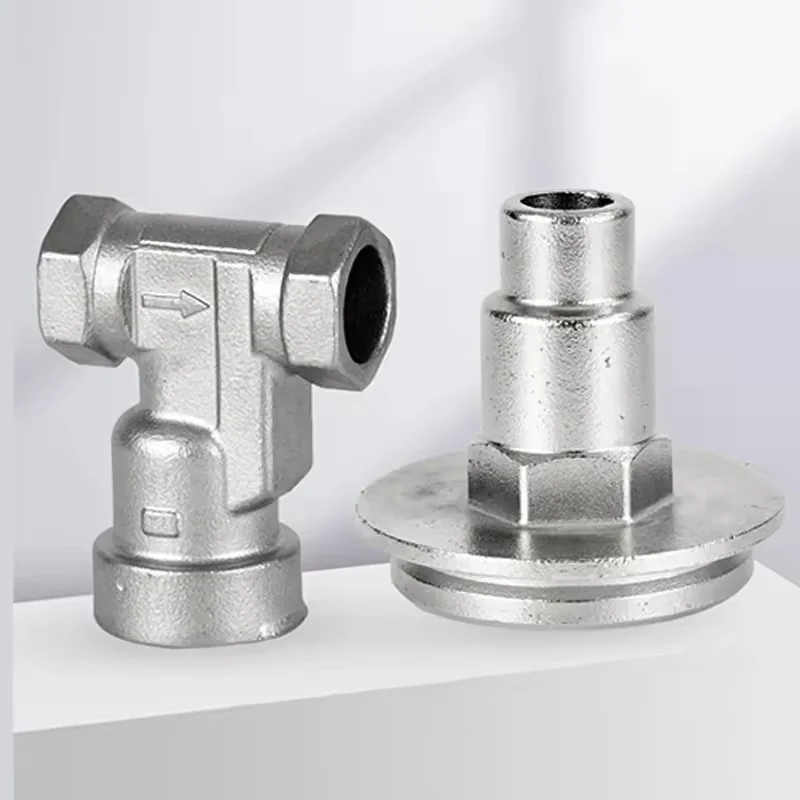
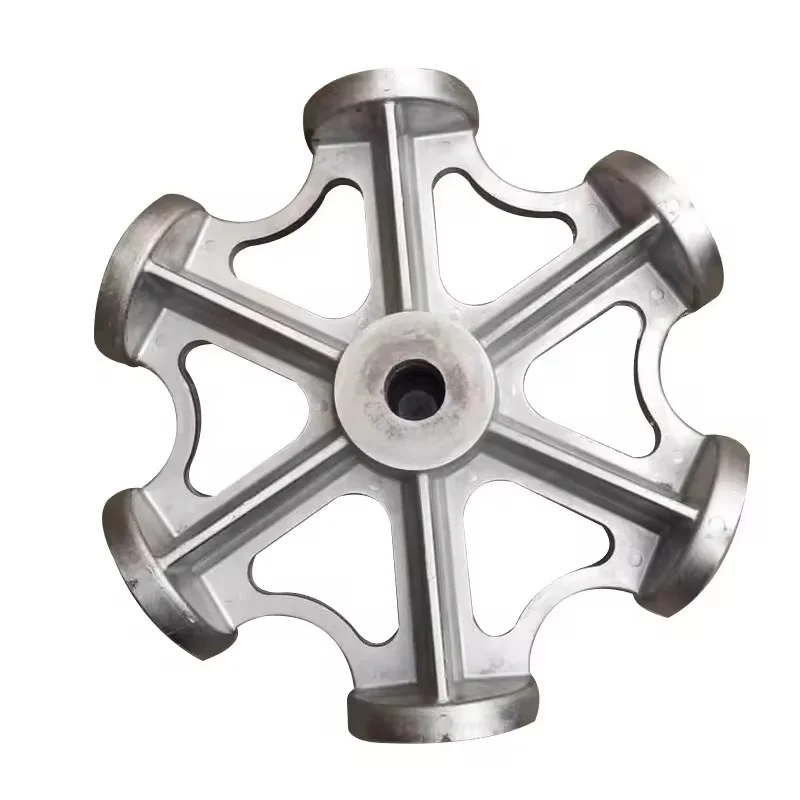
Stainless-steel precision-casting services include 304 and 316 material directions, silica-sol investment/lost-wax casting and 3D-printed molds. OEM/ODM work covers the selected customer's material, size, color and surface requirements. Casting is combined with machining if needed and surface treatment for the actual component, with a minimum order of 10 pieces.
304/316 selection and the printed-mold role
Identify the actual 304/316 or other requested material and the geometry required for the part. Define the role and acceptance of the 3D-printed mold within the selected casting work. The mold and component requirements should describe the same geometry and manufacturing scope so the precision-casting inquiry has a clear technical basis.
Optional machining and custom appearance
Machining is selected where the actual dimensions or interfaces need it. Surface treatment and color follow the customer's requirement, with the relevant areas and finished acceptance to agree for the chosen material. Connect those requests to the component's size and inspection criteria so the custom work addresses a defined cast and finished item.
Industrial, automotive, agricultural and pump duties
Application directions include industry, auto parts, agricultural machinery and pumps. Establish the actual component function, operating conditions and mating interfaces for the selected task. Relate the grade, printed-mold scope, optional machining and surface/color requirements to that duty and to the finished dimensional acceptance needed for it. Include the 10-piece minimum when defining the actual OEM/ODM component request.