
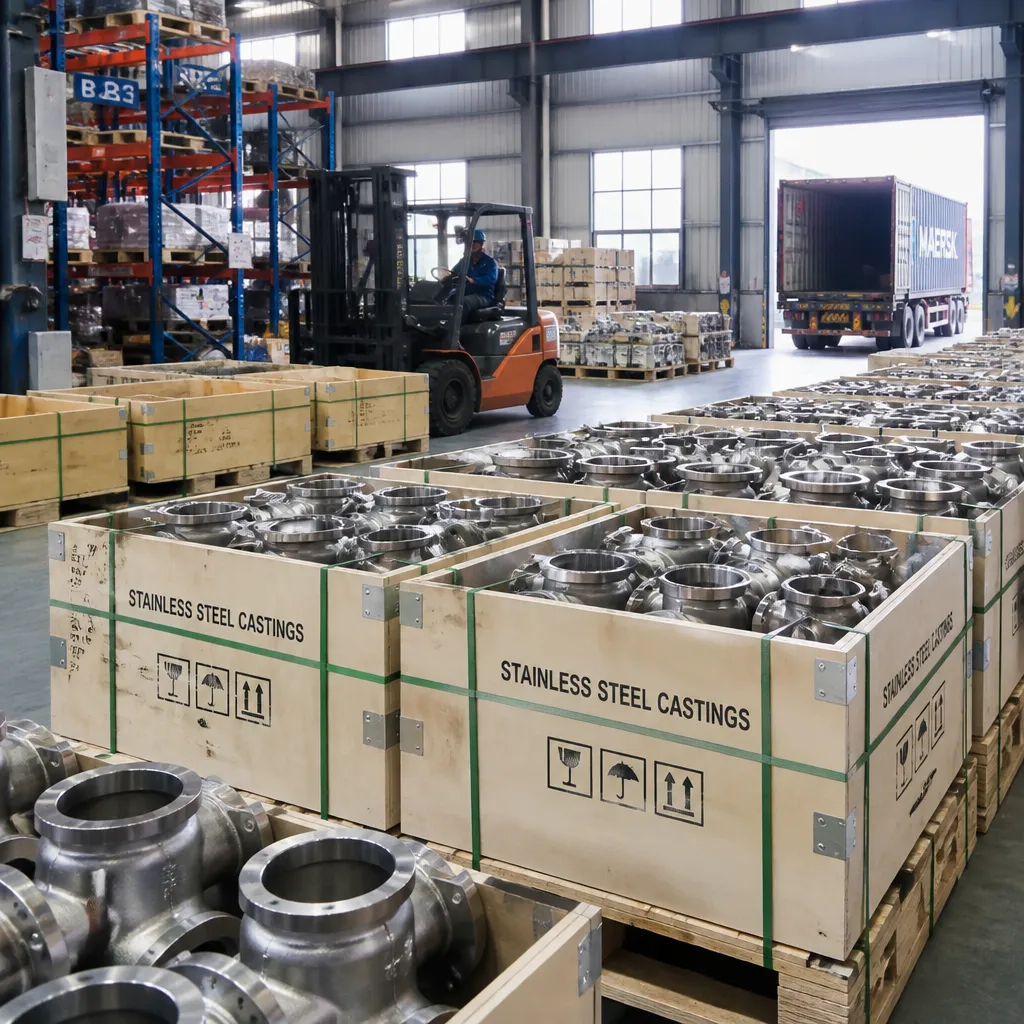
304/316/316L Stainless Steel Lost Wax Investment Cast Parts, OEM CNC Machining with 0.02mm Tolerance
Let’s define your requirement
Send a product link, drawing or short brief. We’ll work through the details with you.
- Confirm the specificationGrade or model, size and intended use.
- Define your orderQuantity, finish or configuration, and samples.
- Agree the quotation scopeIncluded work, key checks and delivery needs.
-
SizeCustmer's Drawings
-
Surface TreatmentCustomers't RequirementMaterialsStainless Steel
-
NameStainless Steel Investment Casting Parts Lost Wax CastingMaterialStainless Steel
-
Surface treatmentNo cape burr sand holeKeyword316 stainless steel silica sol precision casting
-
Quality Control100% InspectionTolerance0.02mm
-
Machining ProcessLost Wax+CNC MechiningDimensionsCustmer's Drawings
-
SurfaceCustomers't Requirement
Custom OEM parts are offered in 304, 316 and 316L stainless steel through lost wax investment casting and CNC machining. Silica sol precision casting is a process direction. Component sizes and surface requirements follow the customer's drawing, with a 0.02 mm tolerance reference to allocate to the relevant features.
Grade selection and cast geometry
Select the actual 304, 316 or 316L grade for the component and identify its required shape on the drawing. Define which features remain cast and which receive CNC machining. Keep material selection and the component's functional dimensions together so the requested casting and finishing work address the same design.
Feature tolerance and requested surface
Agree the form and production-stage scope of the 0.02 mm tolerance for each applicable dimension. Specify the surface treatment and final condition needed by the customer. Appearance acceptance can include burr and sand-hole requirements for the relevant surfaces, with the component's duty and drawing used to define the acceptance scope.
Inspection across the stainless component
Inspection is offered for 100% of these drawing-based stainless steel cast parts. Define the material, dimensional and surface checks required for the selected grade and CNC-finished details. Agree the inspection records and final acceptance against the approved drawing and requested surface condition. Keep those checks linked to the actual component features when reviewing the custom OEM casting order.








