
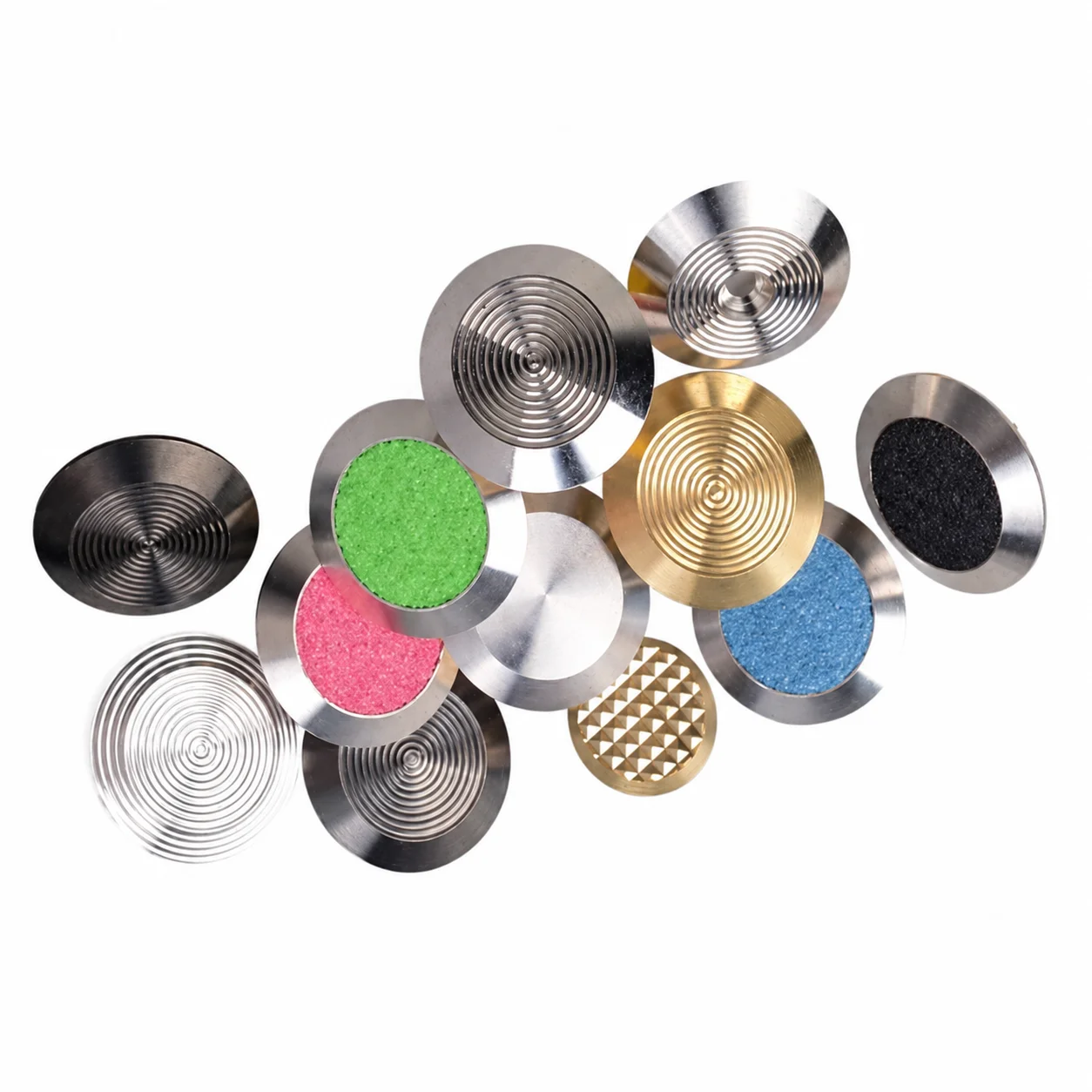
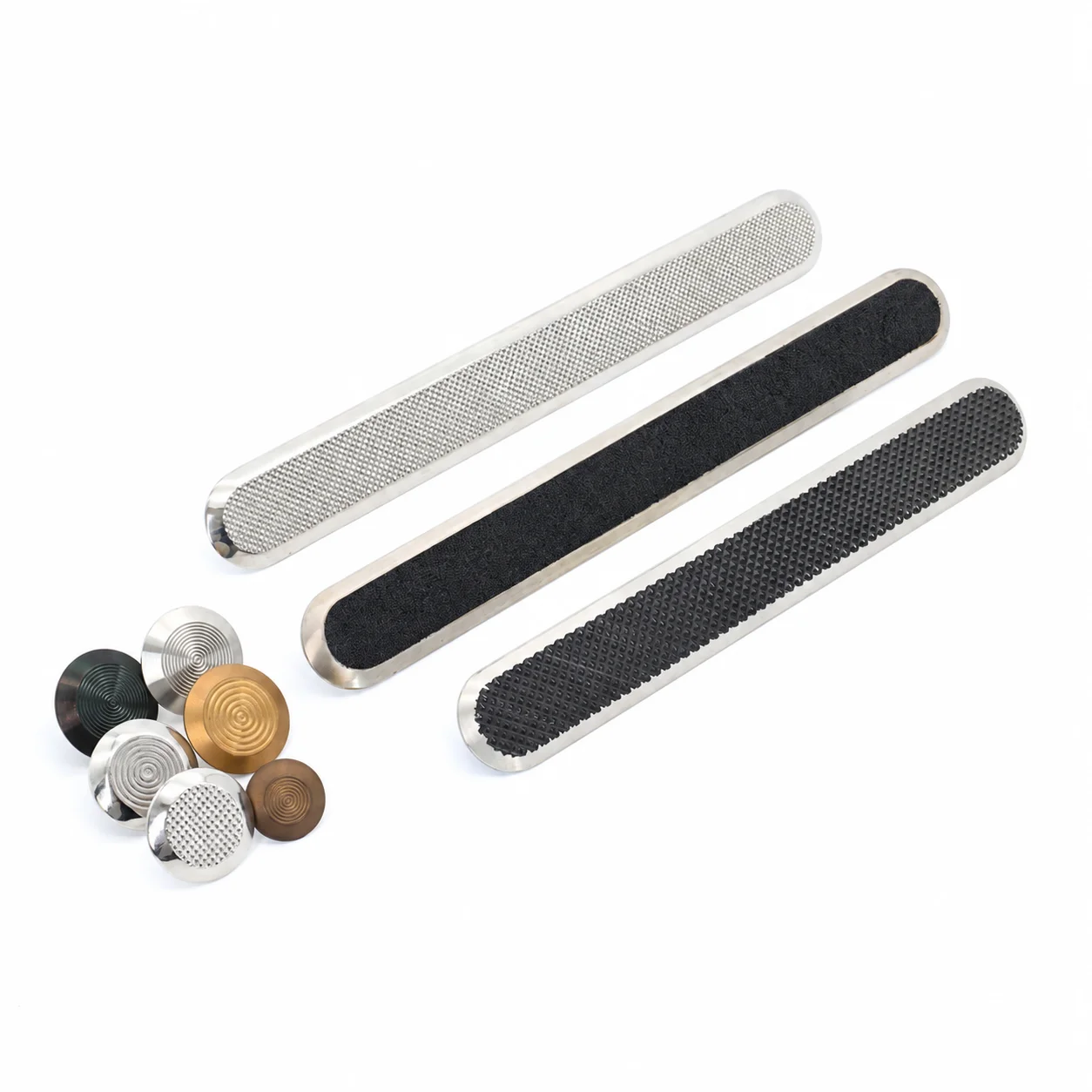
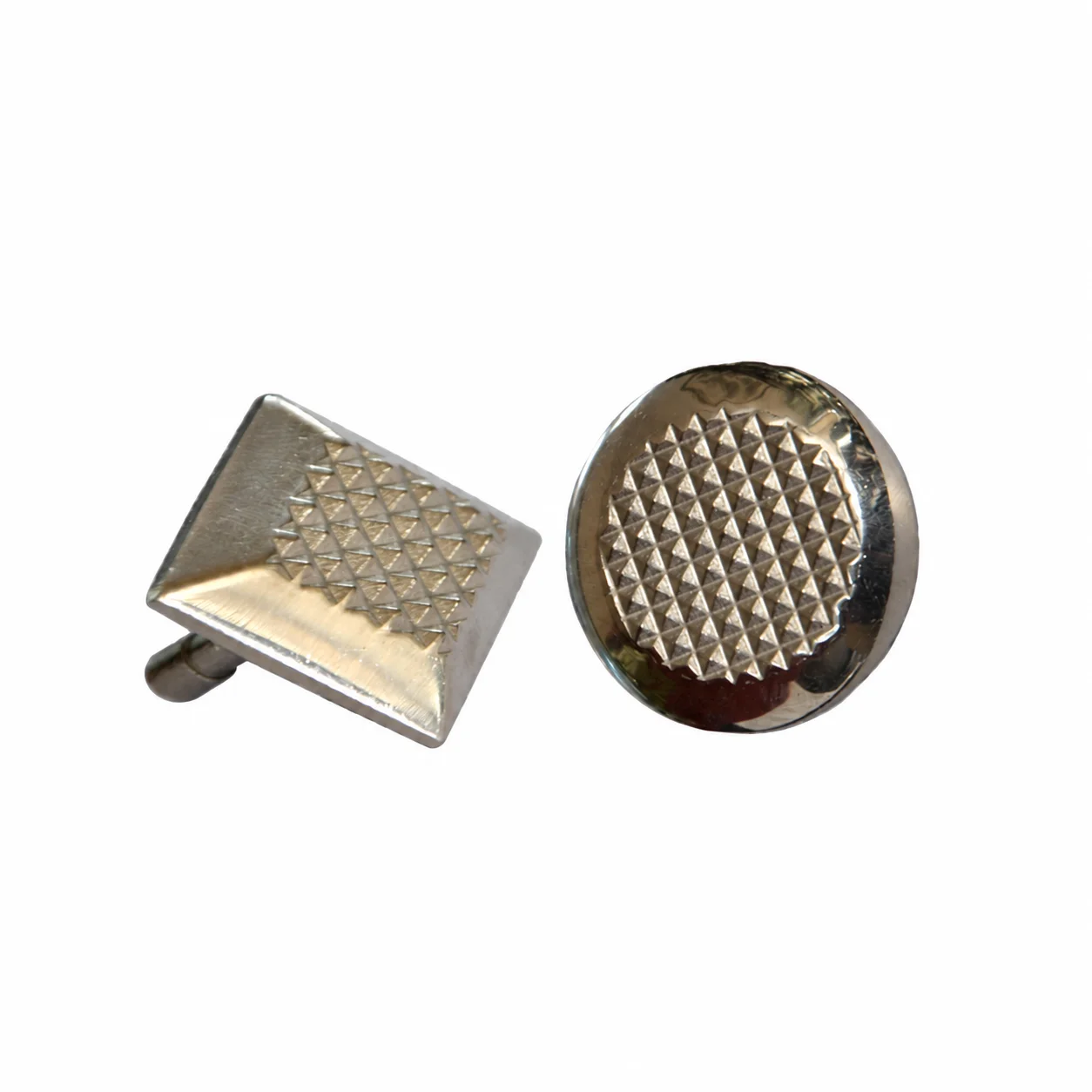
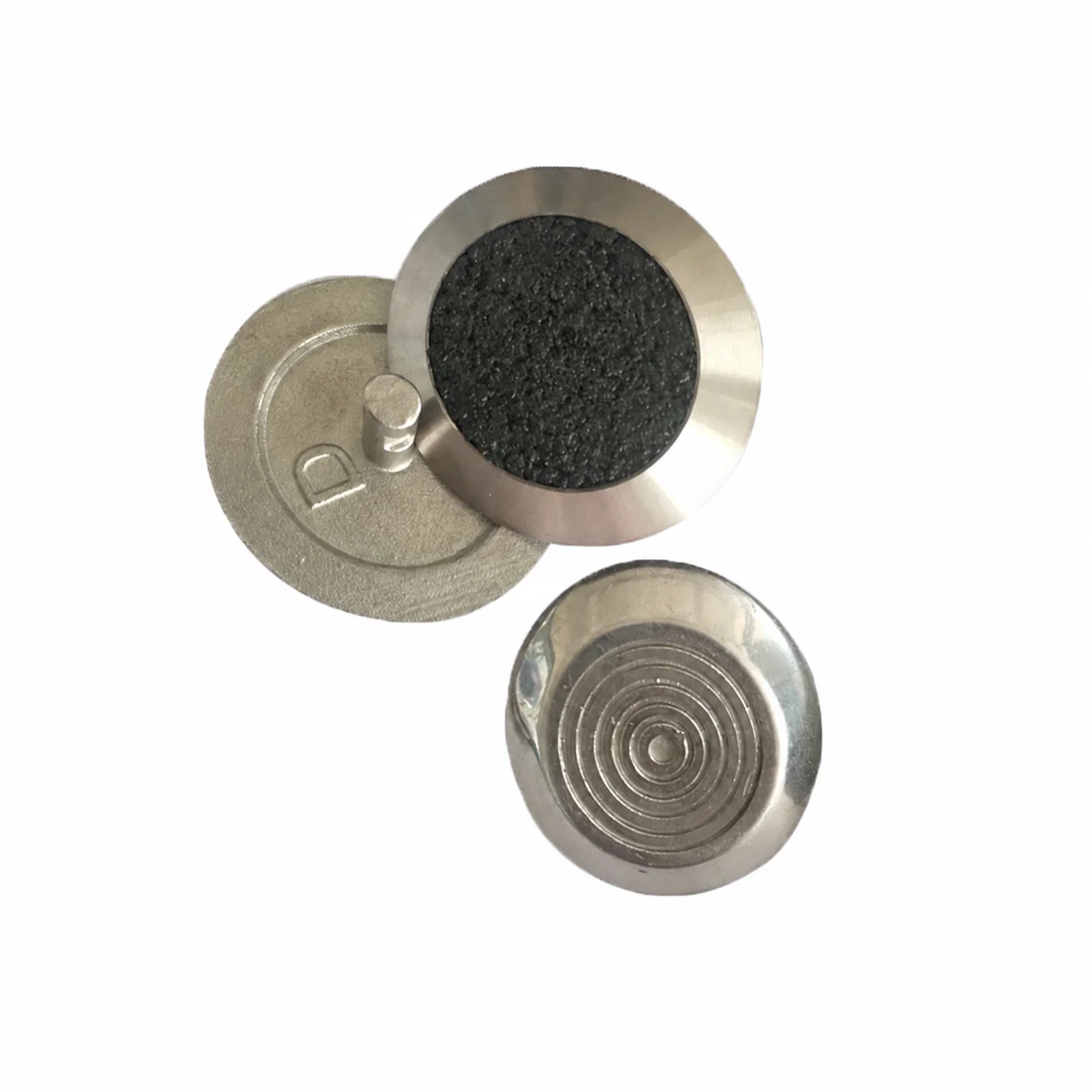
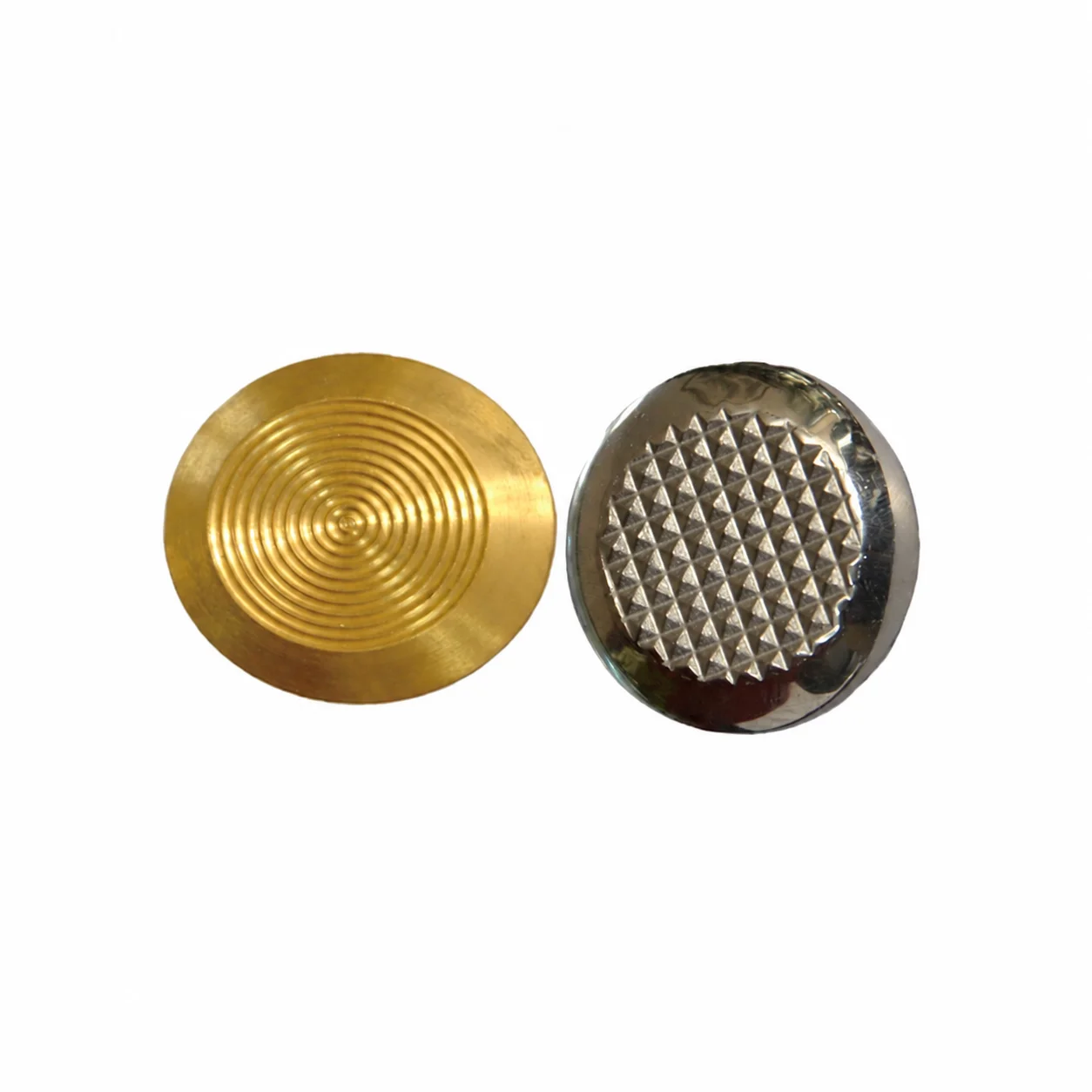
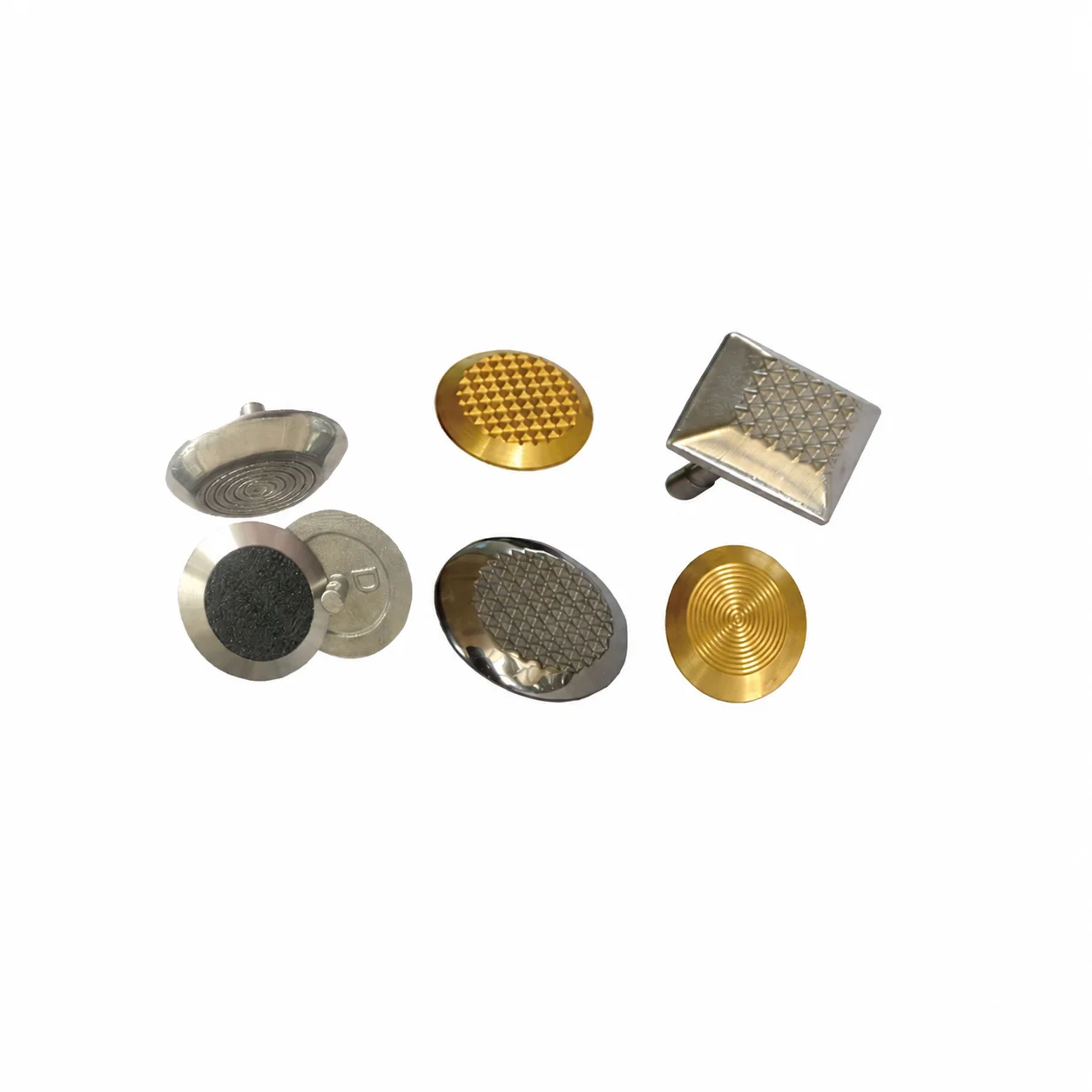
Steel and Stainless Construction Parts by Lost Wax Investment Casting with Optional Machining
Let’s define your requirement
Send a product link, drawing or short brief. We’ll work through the details with you.
- Confirm the specificationGrade or model, size and intended use.
- Define your orderQuantity, finish or configuration, and samples.
- Agree the quotation scopeIncluded work, key checks and delivery needs.
-
TechnicWax-Lost
-
Machining Facility50+ Machining centers,80+ CNC machinesInspection100% Test
-
CertificationISO14001MaterialSteel
-
DimensionsDrawingStandardASTM. AISI. DIN. BS. JIS. NF. AS.
-
ProcessCasting +Machining(if Need)+surface Treatment
Steel construction-part enquiries use lost wax investment casting with drawing-based dimensions and stainless-grade selection where required. The manufacturing scope includes machining when needed and surface treatment, allowing the cast component and its finished requirements to be reviewed together.
Choose the grade and governing requirements
ASTM, AISI, DIN, BS, JIS, NF and AS are standard families for the steel-part review. Identify the exact grade and applicable component requirements for the drawing. Connect those requirements to the actual construction duty, including any structural-performance acceptance relevant to the selected part and its role.
Plan the machining and treated interfaces
For machining work, resources comprise 50+ machining centers and 80+ CNC machines. Identify the operations needed for the component rather than treating every cast surface as a machining requirement. Define critical dimensions, mating interfaces and the selected surface-treatment result, then agree the finished acceptance for those areas. The drawing should connect the cast geometry to the completed component that the application needs.
Define what full testing must establish
The steel construction-part scope includes 100% testing. Agree the actual methods, characteristics and records required for the selected material and finished geometry. Keep the test acceptance connected to the intended service duty and any component-specific structural requirements, so the testing discussion addresses the actual part and its operating role.
Review environmental-system scope separately
ISO14001 environmental-system scope can be reviewed for the manufacturing project. Match the relevant scope to the project requirements while keeping finished-part acceptance defined by the selected material, drawing and testing plan. Final approval should bring those component requirements together with the agreed machining and surface treatment.








