
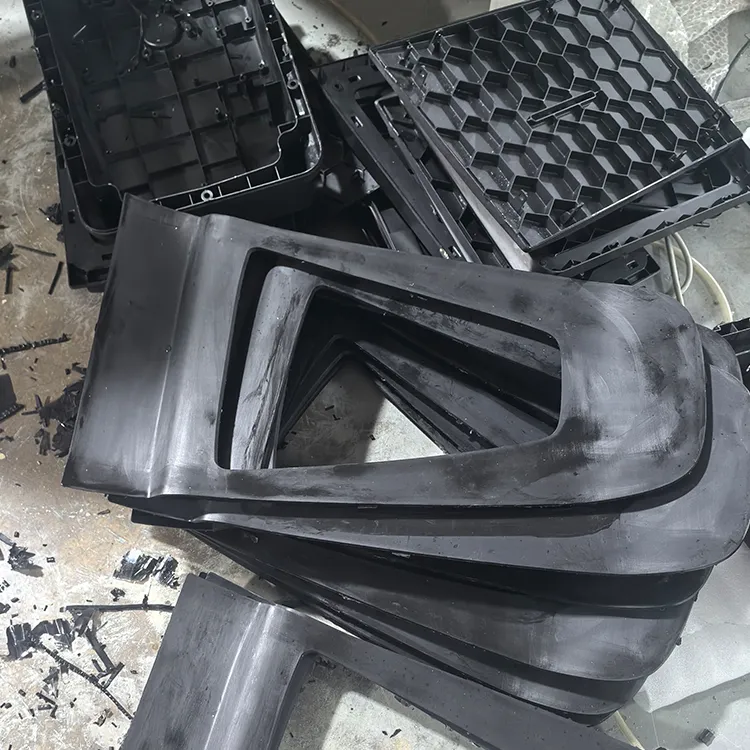
Small-Batch Urethane Rapid Prototyping with Silicone-Mold Vacuum Casting and Overmolding
Let’s define your requirement
Send a product link, drawing or short brief. We’ll work through the details with you.
- Confirm the specificationGrade or model, size and intended use.
- Define your orderQuantity, finish or configuration, and samples.
- Agree the quotation scopeIncluded work, key checks and delivery needs.
-
Surface FinishPainted , Polished
-
CNC Machining or NotNot CNC MachiningTypeEtching / Chemical Machining, Other Machining Services, Rapid Prototyping
-
Material CapabilitiesPP,PC,PS,PA6,POM,PE,PU,PVC,ABS,PMMA etcMicro Machining or NotMicro Machining
-
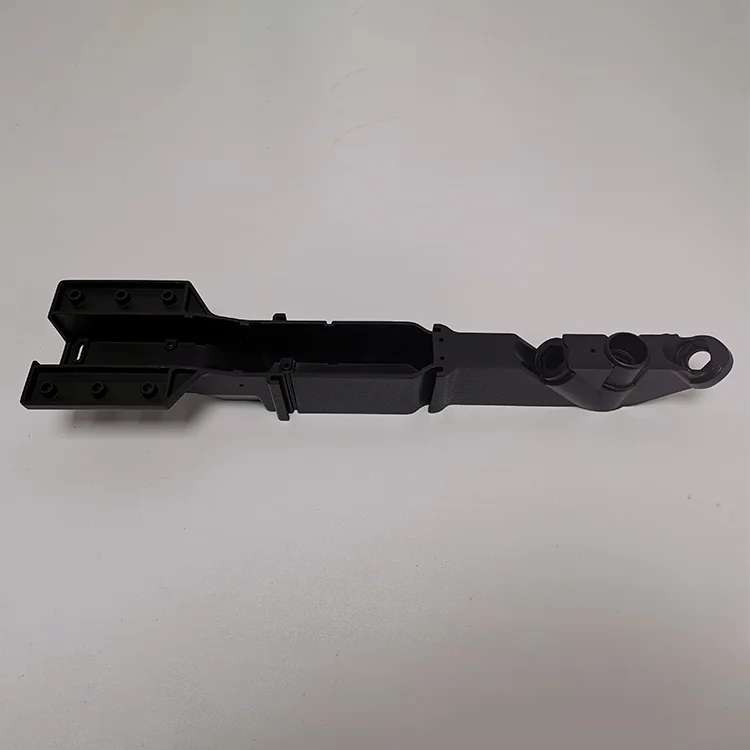
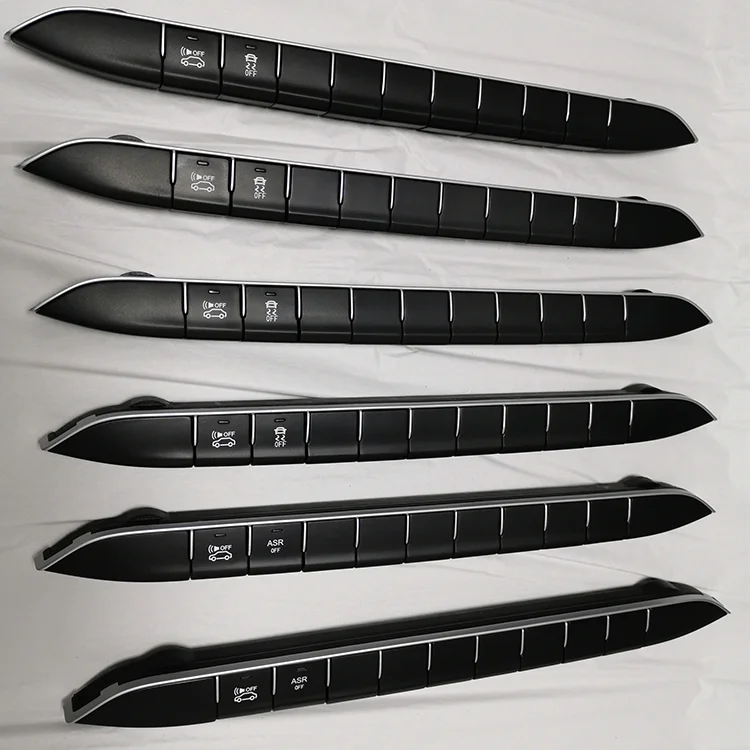
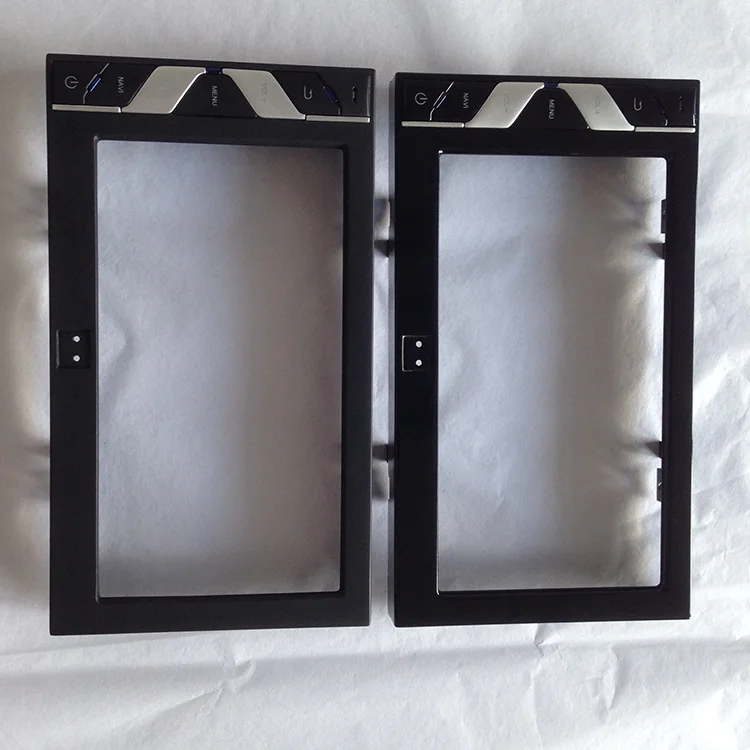
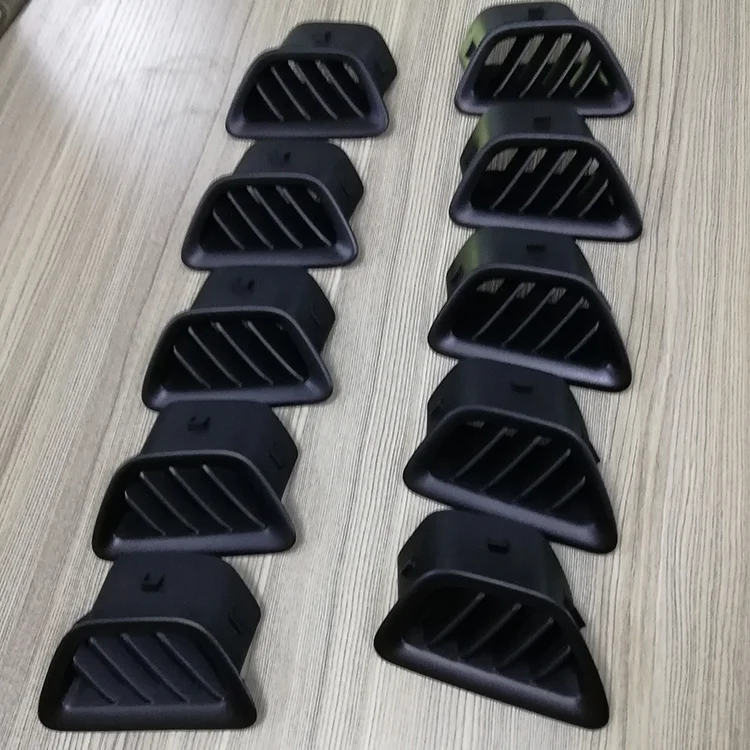
ProductCustom Plastic Prototype With Silicone Molds Vacuum Casting Service
-
ProcessVacuum Casting,Silicone Molding,Overmolding,Molds Form,CustomSurface treatmentPaints,Plating,Polishing,Laser Engraving,Silk Printing,Custom
-
Drawing FormatIGES, STEP, AutoCAD, Solidworks, STL, DWG, etc.Tolerance±0.15/100mm
-
ApplicationAutomotive, Aerospace, Medical, Electronics,Industrial,Home,etcQuality100% Inspection
-
CertificationISO9001: 2016MOQ1piece
-
FeatureQuotation within 4h,Fast lead times,Optimal part quality,Low-volume
Small-batch urethane vacuum casting offers a route to custom plastic prototypes using silicone molds. The processing choices also include overmolding and custom mold work, with a one-piece minimum order. This is a non-CNC offering, with micro-machining and etching/chemical-machining capabilities available as subjects for the prototype inquiry.
Resin selection for the prototype
Material-capability choices include PP, PC, PS, PA6, POM, PE, PU, PVC, ABS and PMMA. Select the actual resin and agree how the chosen process will address the intended prototype characteristics. Keeping the resin and desired properties distinct helps define the plastic part without assuming material equivalence from a polymer name alone.
Molding and the dimensional review
Vacuum casting, silicone molding and overmolding should be selected around the prototype's required geometry. The tolerance notation is ±0.15/100mm, and inspection coverage is 100%. Connect those conditions to the dimensions that will be reviewed so that the completed prototype has an agreed basis for dimensional acceptance.
Surface appearance and marking
Painting, plating, polishing, laser engraving, silk printing and custom treatment provide several finishing directions. Choose the surface and marking work for the selected resin, identifying the relevant areas of the prototype. That gives the appearance discussion a practical scope alongside the shape and material decisions for the small batch.
Model inputs and application requirements
Supported drawing inputs include IGES, STEP, AutoCAD, SolidWorks, STL and DWG. Application directions cover automotive, aerospace, medical, electronics, industrial and home prototypes. Define what the prototype must demonstrate in the intended project, with any application-specific acceptance agreed before ordering; an industry direction should be connected to the actual resin, geometry and inspection requirements.
A one-piece request can use the same material, molding and finish decisions as the wider small-batch inquiry. Keep the model revision and acceptance definition aligned with the particular prototype being reviewed.








