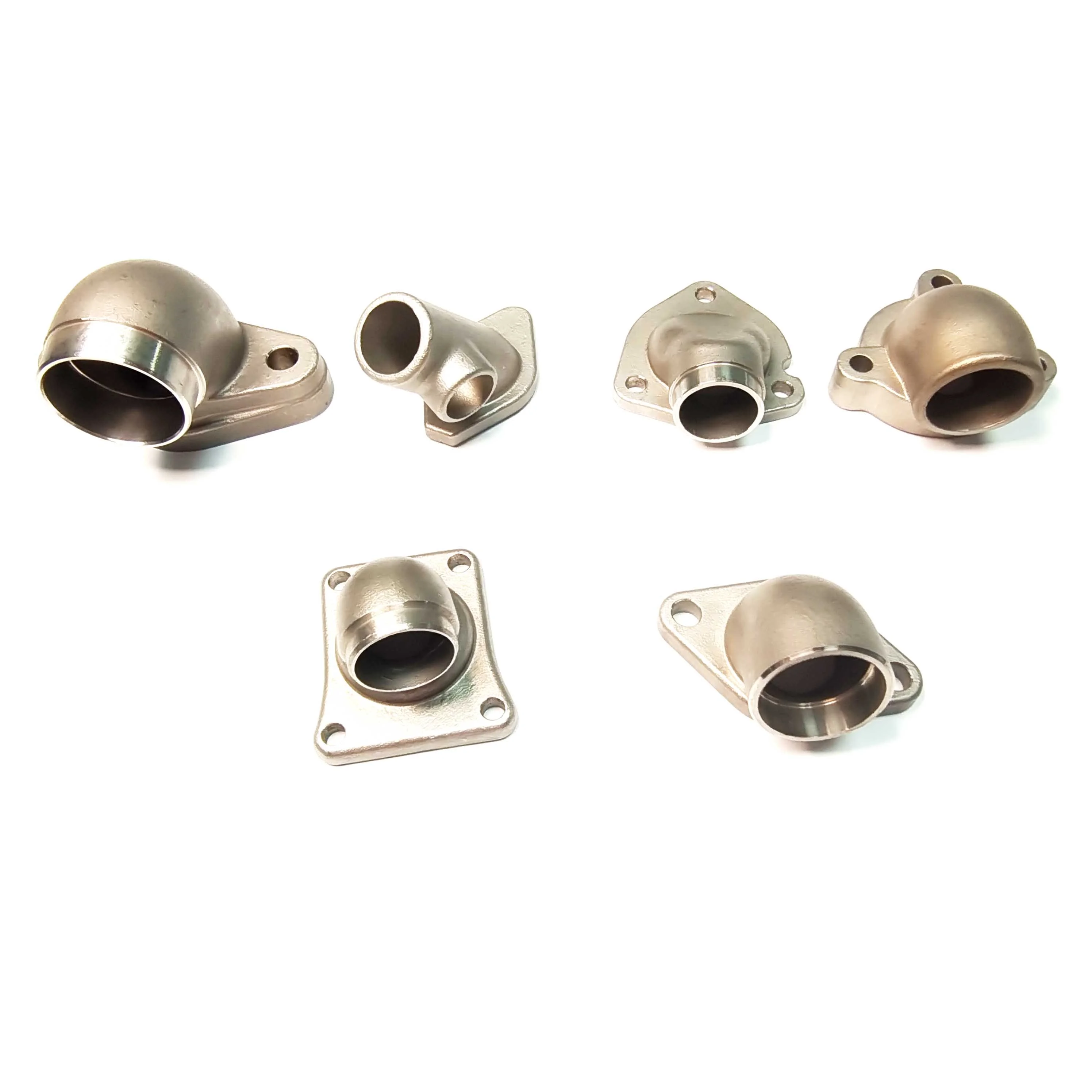
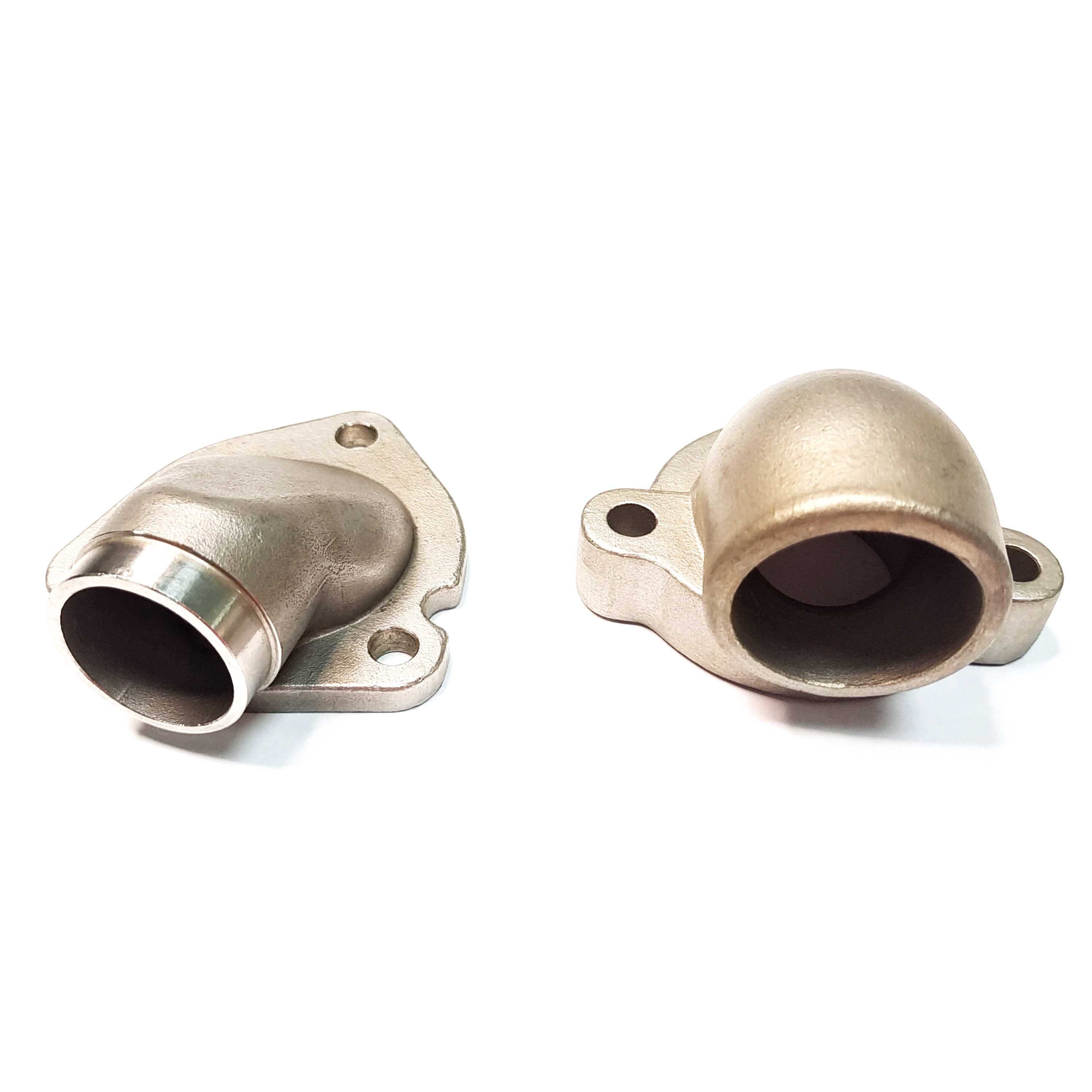
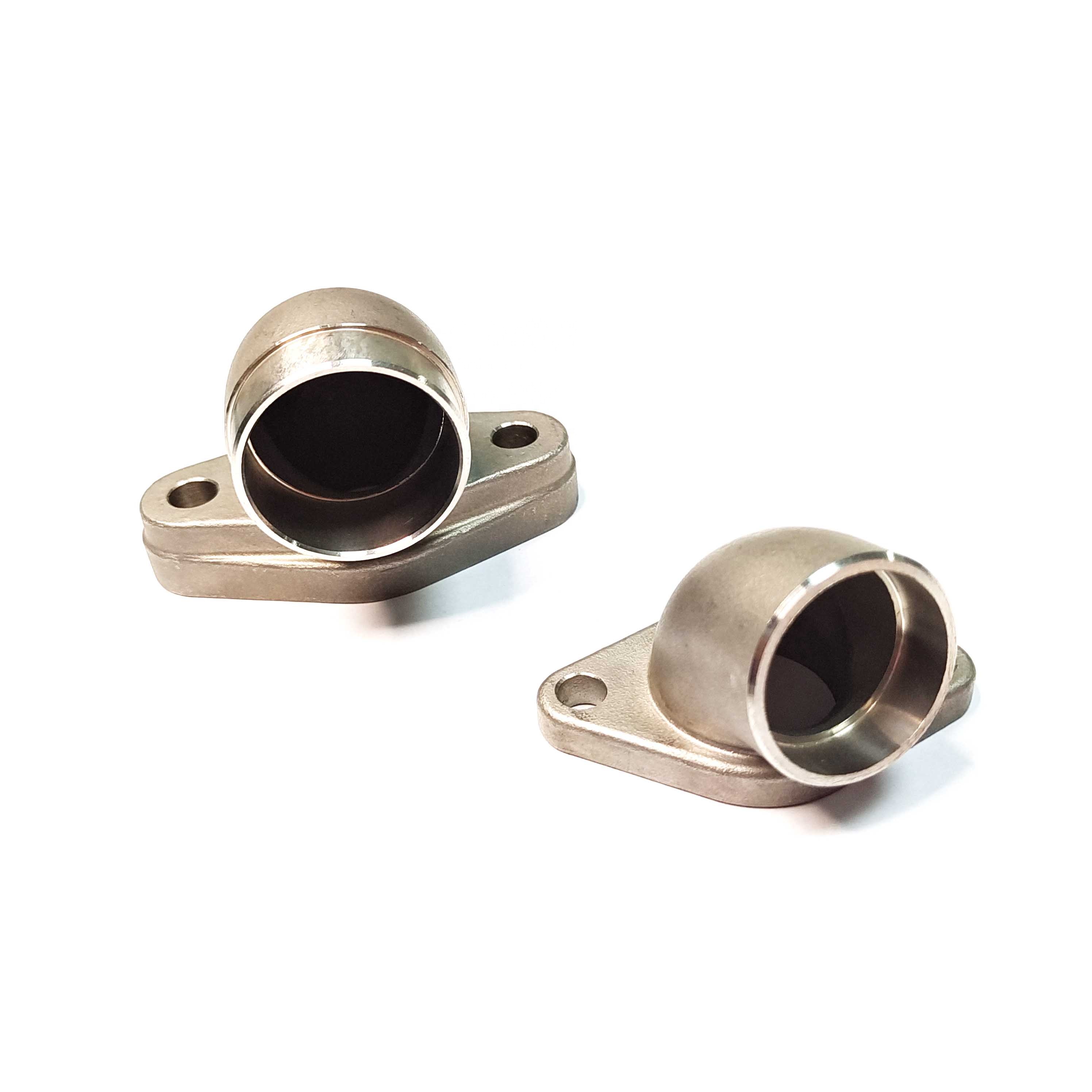
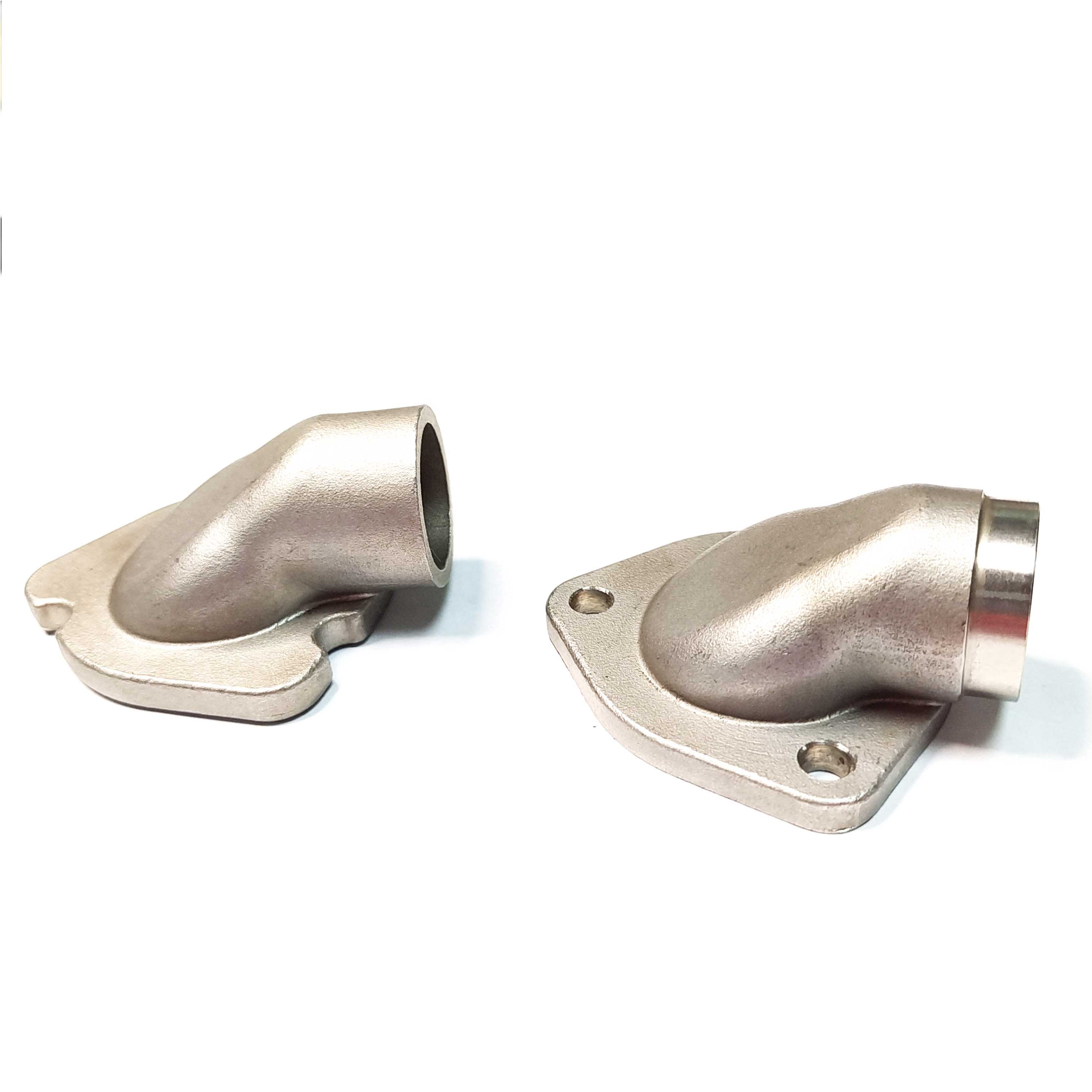
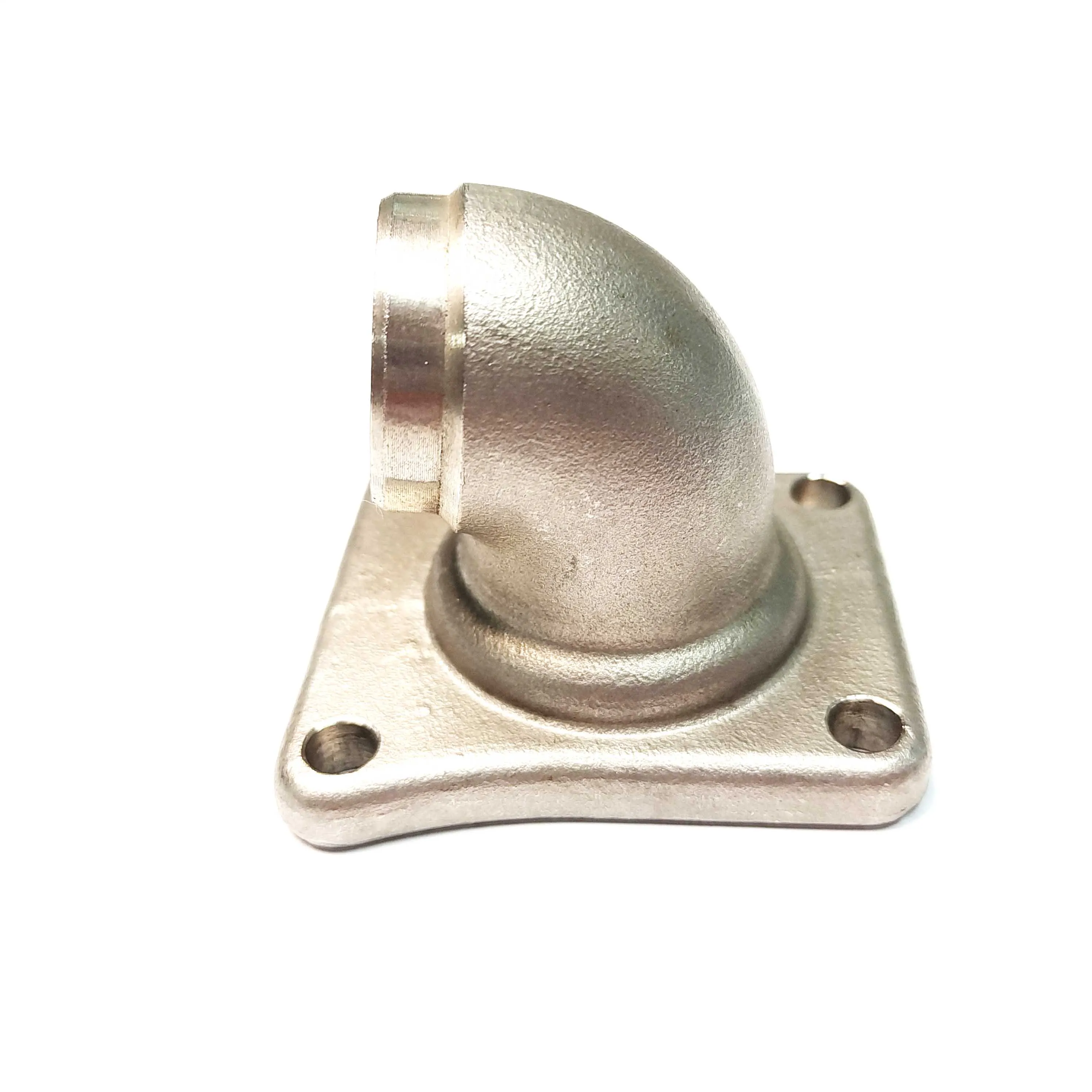
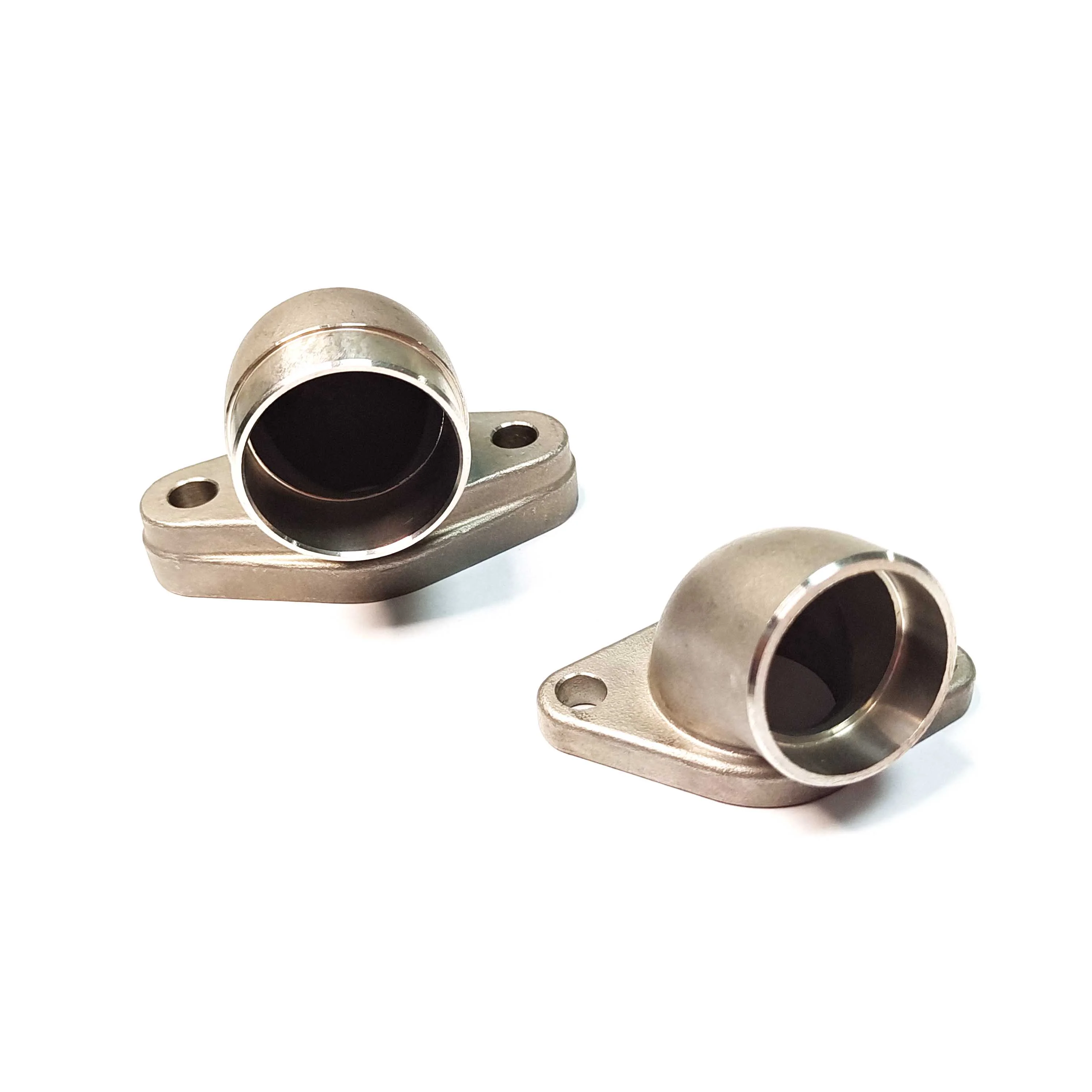
Precision Stainless Steel Lost Wax Investment Casting Automotive Parts with CT5 and CNC Finishing
Let’s define your requirement
Send a product link, drawing or short brief. We’ll work through the details with you.
- Confirm the specificationGrade or model, size and intended use.
- Define your orderQuantity, finish or configuration, and samples.
- Agree the quotation scopeIncluded work, key checks and delivery needs.
-
Product nameCustomized Steel investment Casting Parts
-
ApplicationAuto PartsSizeCustomer's Drawing Required
-
Product MaterialStainless SteelTechnologylost wax casting
-
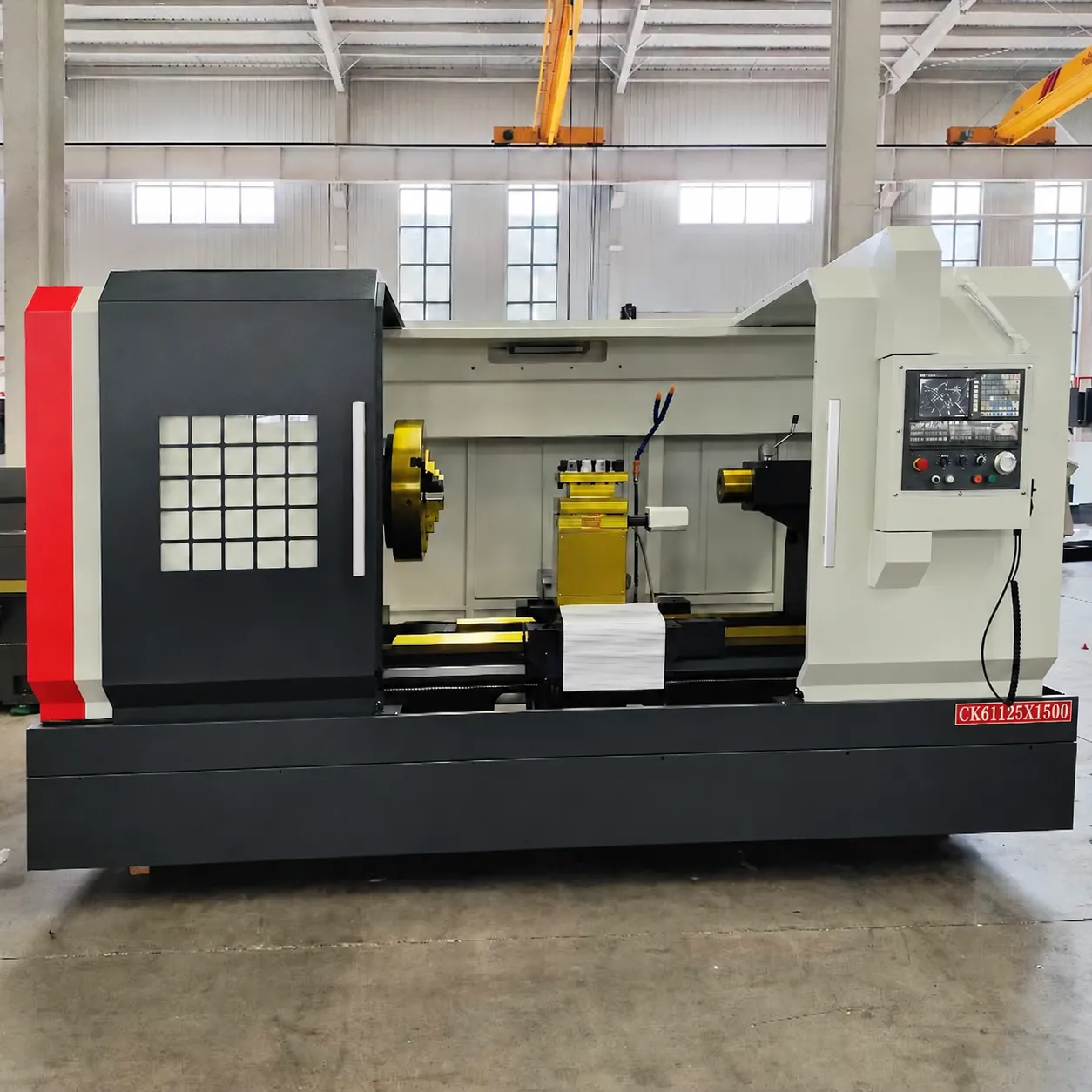
Machining ProcessCNC Finishing ProcessSurface treatmentCustomers' Demand
-
CertificationISO 9001ToleranceCT5
-
Quality Control100% Professional Inspected
Custom stainless steel automotive parts combine lost wax investment casting with a CNC finishing process. CT5 is the casting tolerance class, while the customer's drawing establishes component size. Surface treatment follows the selected customer requirements for the actual auto-part design.
Define CT5 and the finished CNC interfaces
Keep the casting-class requirement distinct from the dimensions accepted after CNC finishing. Identify the interfaces controlling the part's fit and assign their finished requirements on the drawing. This allows the CT5 casting and subsequent machining review to address the same component while retaining the acceptance criteria appropriate to each stage.
Connect the stainless grade to automotive duty
Choose the exact stainless grade for the intended auto part and describe its actual operating conditions. Include the mating requirements and any component- or vehicle-specific acceptance that the design needs. The material decision and finished geometry should be assessed together before agreeing the casting and CNC plan for that duty.
Make the surface treatment part of the drawing review
Customer-selected surface treatment needs a defined result for the chosen component. Identify the areas to be treated and agree the appearance, surface and dimensional criteria relevant to those areas. Review any treated interface alongside its final CNC requirements so that the completed drawing and finishing plan remain consistent.
Set the professional inspection scope
The stainless automotive casting work receives 100% professional inspection. Agree which dimensions, interfaces and treated surfaces require particular inspection methods and records. Review the relevant ISO 9001 quality-system scope with the project requirements, keeping it connected to the component's actual acceptance plan. Final approval should use the selected material, drawing revision and automotive duty alongside those inspection criteria.