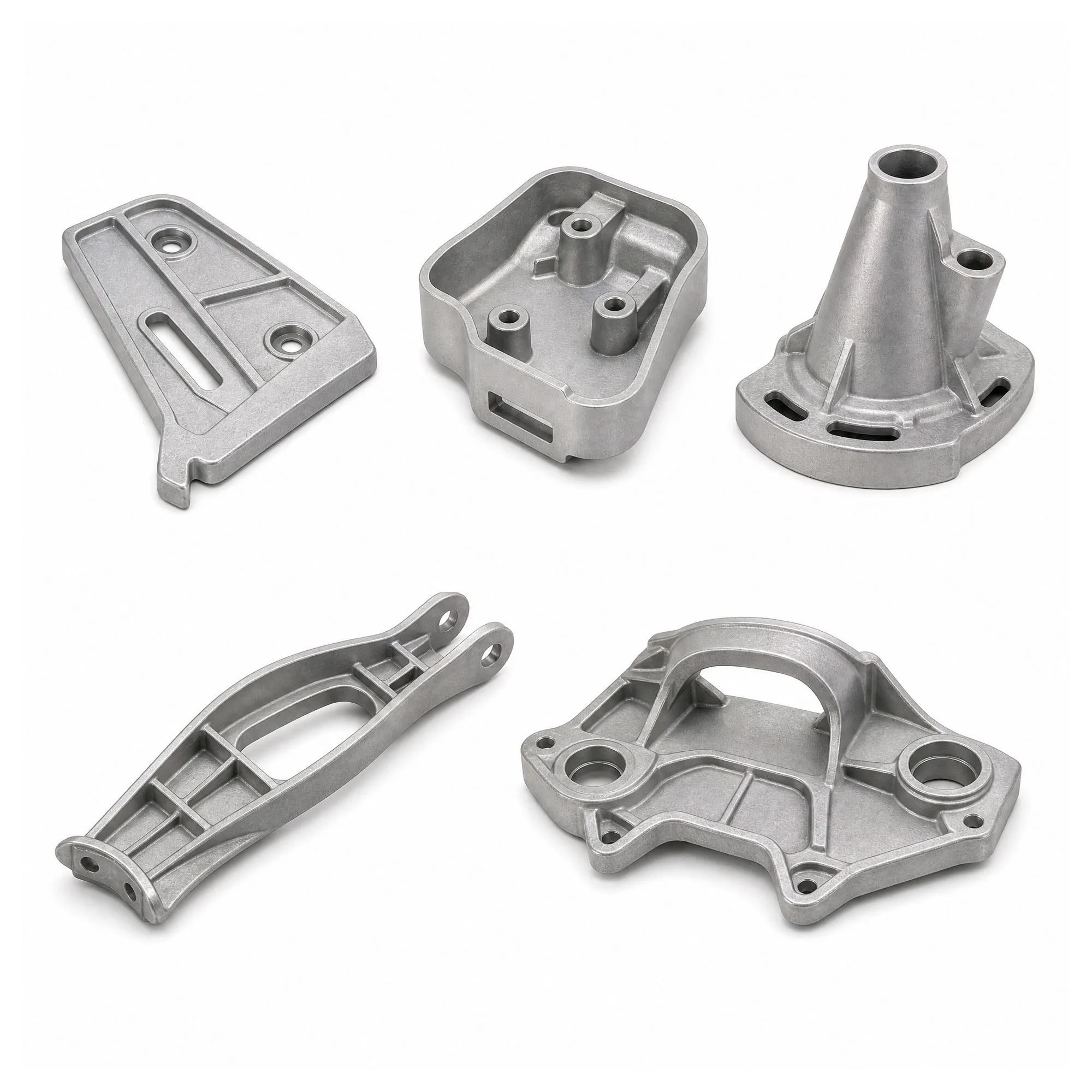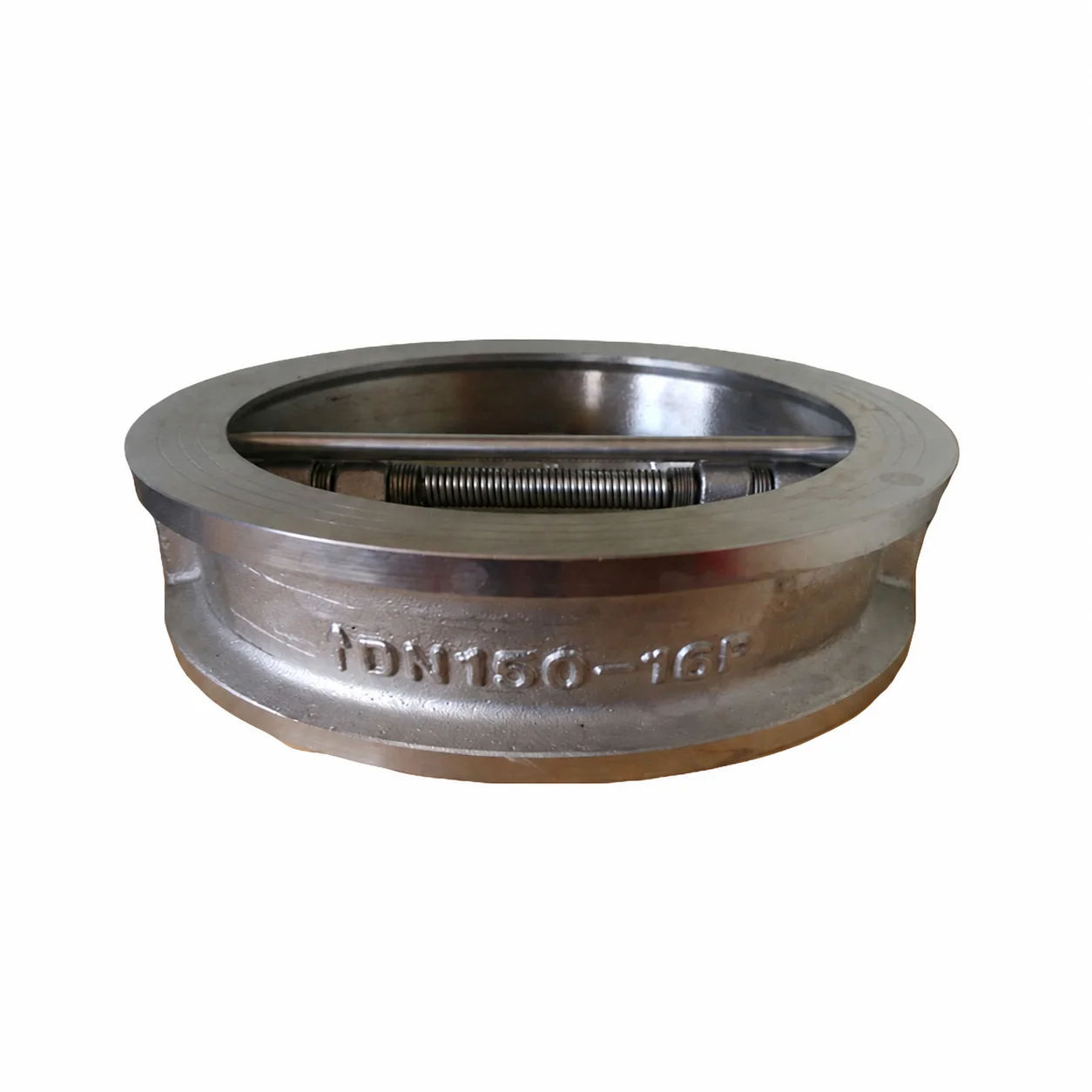
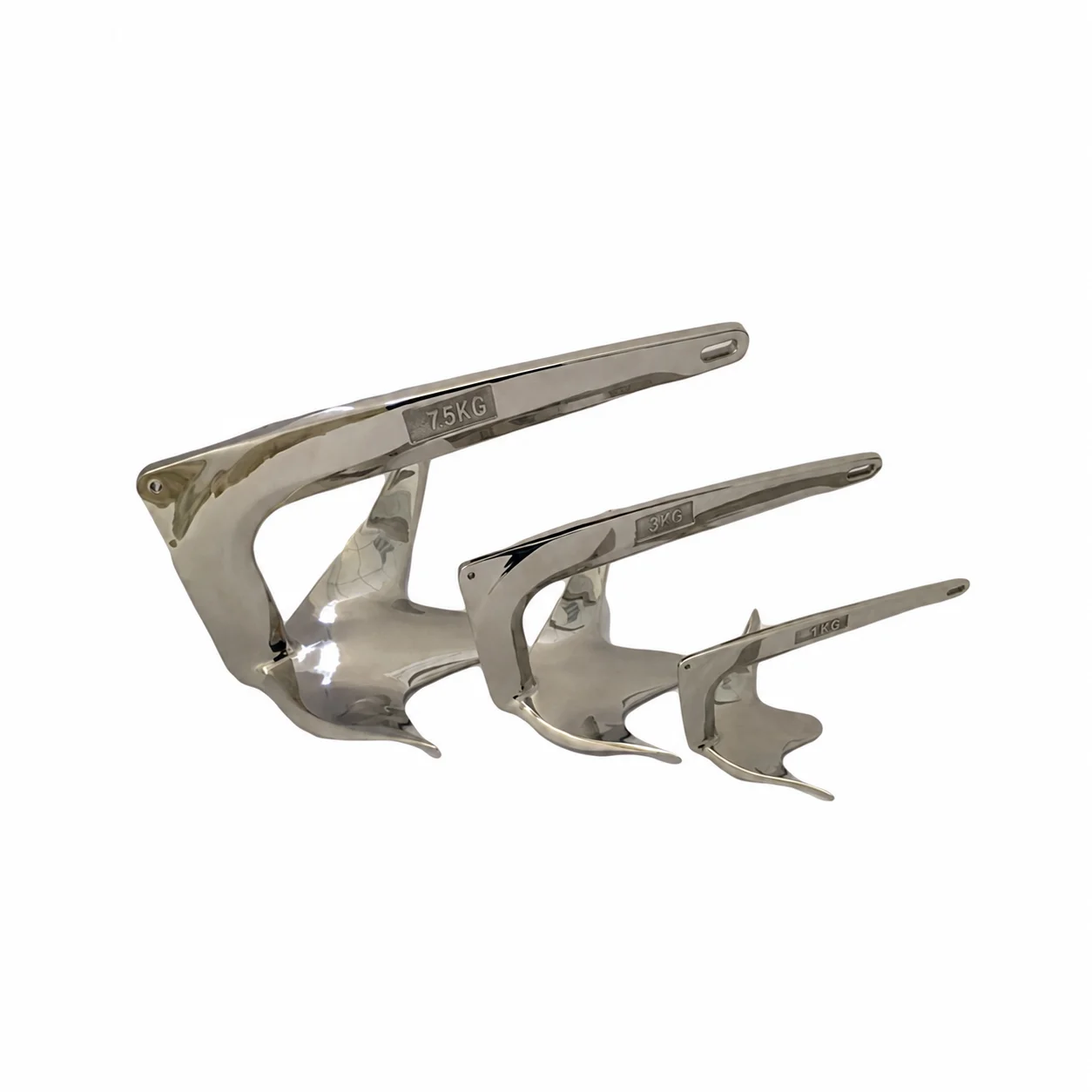
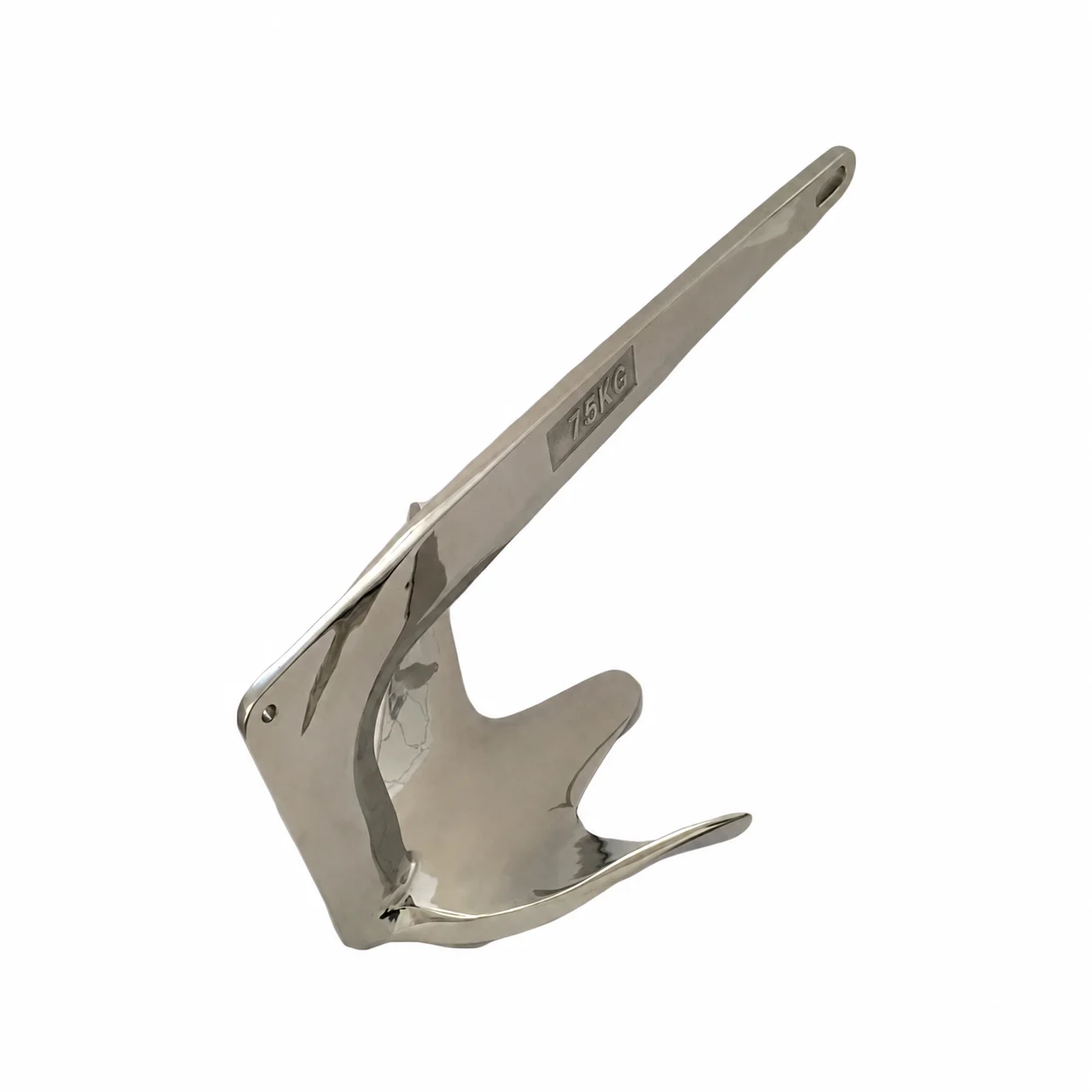
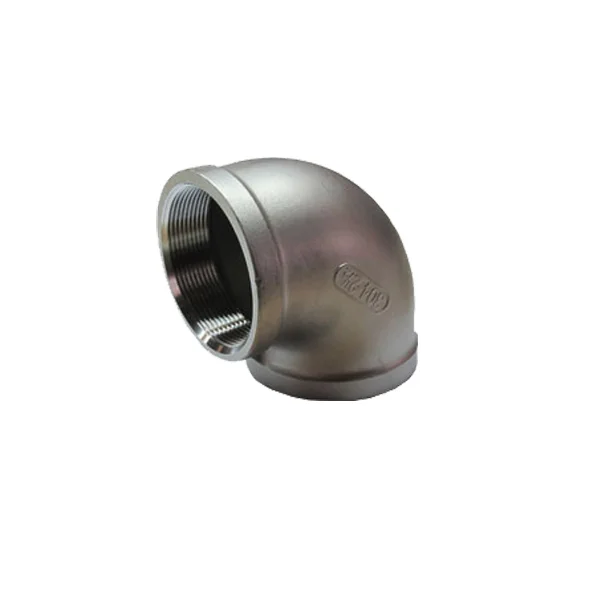
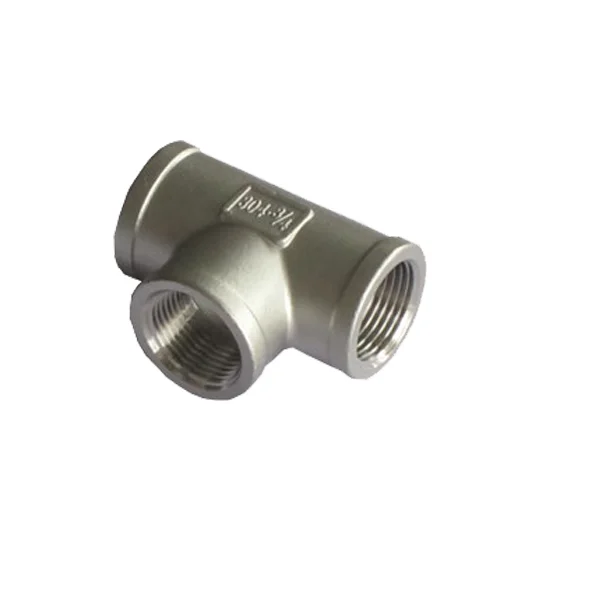
Precision Metal Hardware Investment Casting | Lost Wax Steel, CNC and Finishing Services
Let’s define your requirement
Send a product link, drawing or short brief. We’ll work through the details with you.
- Confirm the specificationGrade or model, size and intended use.
- Define your orderQuantity, finish or configuration, and samples.
- Agree the quotation scopeIncluded work, key checks and delivery needs.
-
Surface FinishPlated , Polished
-
Product nameInvestment Casting
-
MaterialStainless Steel,Alloy steel,carbon steelManufacturing Area (sqm)10000
-
Machining EquipmentCNC, Lathe, Milling machine, Drilling, etcStandardASTM, DIN, ISO, BS, JIS, etc
-
Weight Range0.01 KG to 20 KGHeat TreatmentNormalizing, Tempering, Hardening, etc
-
ProcessWater glass investment casting,Silica sol investmentcastingSurface TreatmentZinc Plating, Mirror Polishing ect
-
Lead Time30 Days
For specialized metal hardware, define the finished surface and treated condition alongside the actual steel and component geometry. Stainless steel, alloy steel and carbon steel are material directions for lost wax investment-casting enquiries. The selected route, machining and finish should address the same hardware drawing and acceptance requirements.
Choose the hardware surface and condition
Zinc plating and mirror polishing are surface directions. Select the condition needed for the actual steel hardware and identify the surfaces to be accepted. Normalizing, tempering and hardening are heat-treatment options, with the required treated condition to agree for the chosen material and component.
- Surface directions
- Zinc plating or mirror polishing, according to the required finished condition.
- Heat-treatment directions
- Normalizing, tempering or hardening, with actual part requirements to define.
Coordinate casting with machining
Water-glass and silica-sol investment casting are process directions. Agree the actual route for the selected steel, then define the CNC, lathe, milling-machine or drilling work needed for the hardware geometry. Keep the cast dimensions and finished machining criteria distinct when setting component acceptance.
Select the grade document and finished criteria
ASTM, DIN, ISO, BS and JIS are standard families for identifying the actual grade document and project requirements. Select the applicable document rather than assuming every family governs one part. Provide the hardware drawing, chosen steel, casting route and finished work requirements together so the proposed service has a clear dimensional, treated-condition and surface acceptance basis.