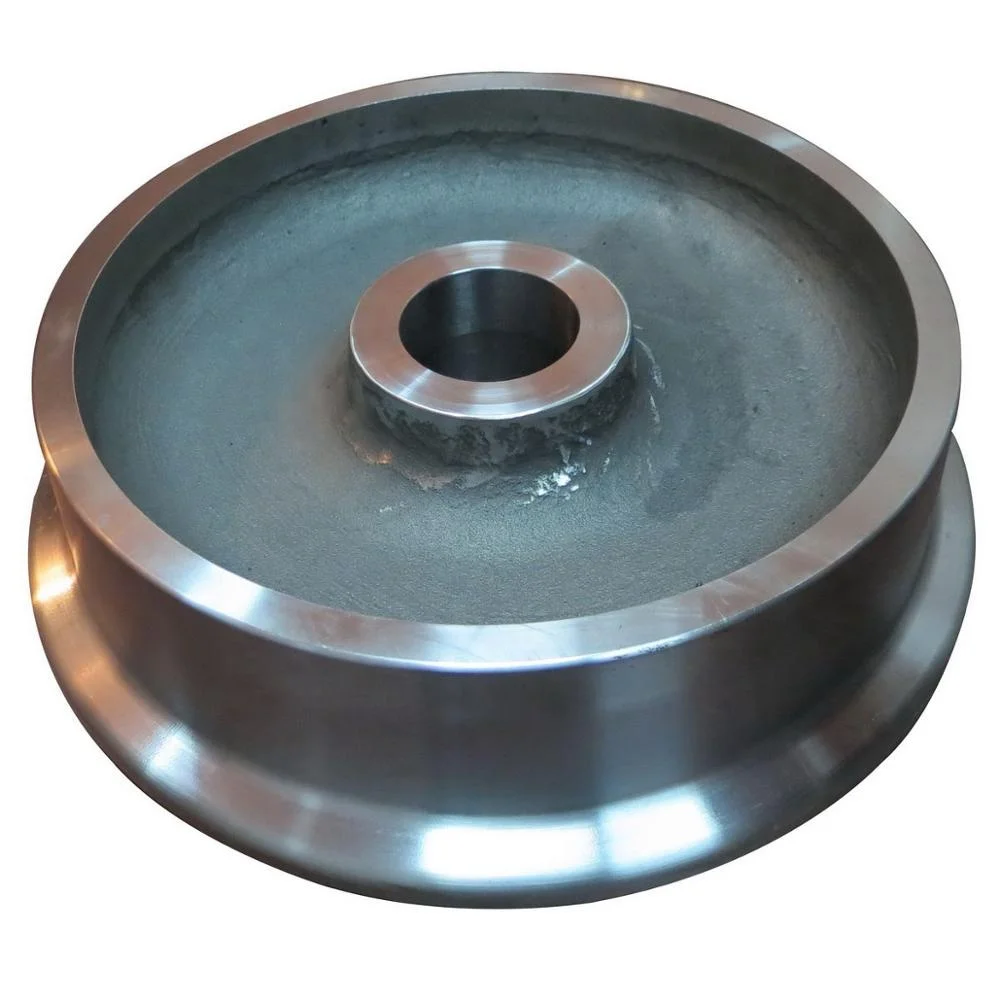
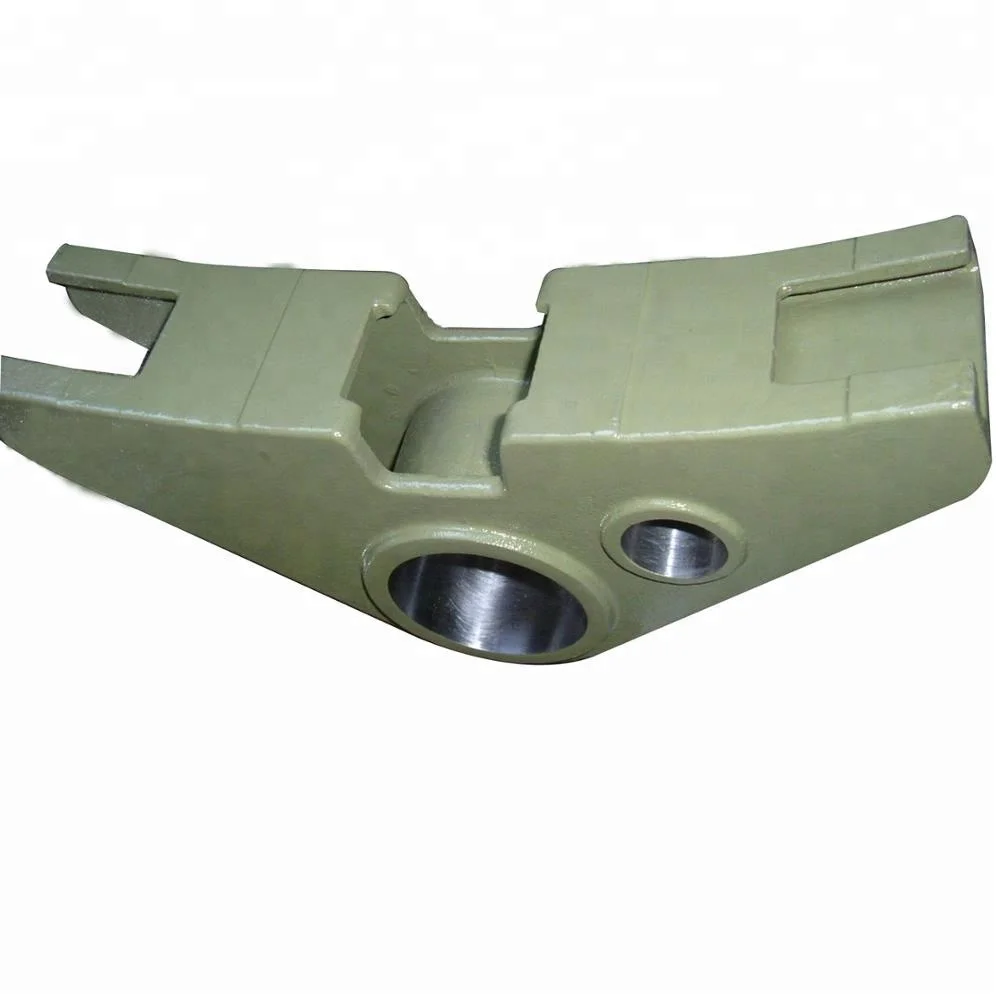
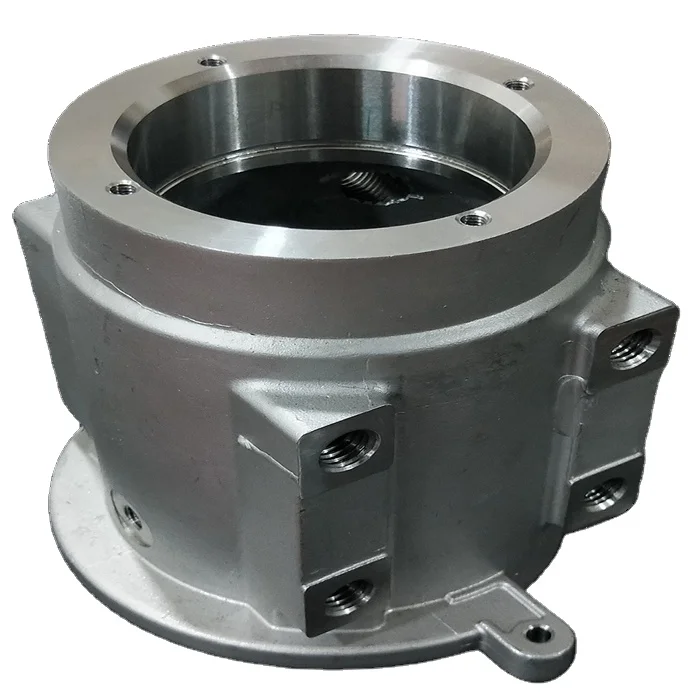
Precision Alloy-Steel Agricultural-Machinery Parts | Lost-Wax Investment Casting and CNC Machining
Let’s define your requirement
Send a product link, drawing or short brief. We’ll work through the details with you.
- Confirm the specificationGrade or model, size and intended use.
- Define your orderQuantity, finish or configuration, and samples.
- Agree the quotation scopeIncluded work, key checks and delivery needs.
-
Surface FinishShot Blasted
-
Keywordslost wax casting parts
-
AppplicationAgricultural machineryProcessLost wax investment casting+CNC machined
-
Heat TreatmentQuench and temper by 2 set mesh belt furnacesSurface TreatmentShot blasting+Assembling
-
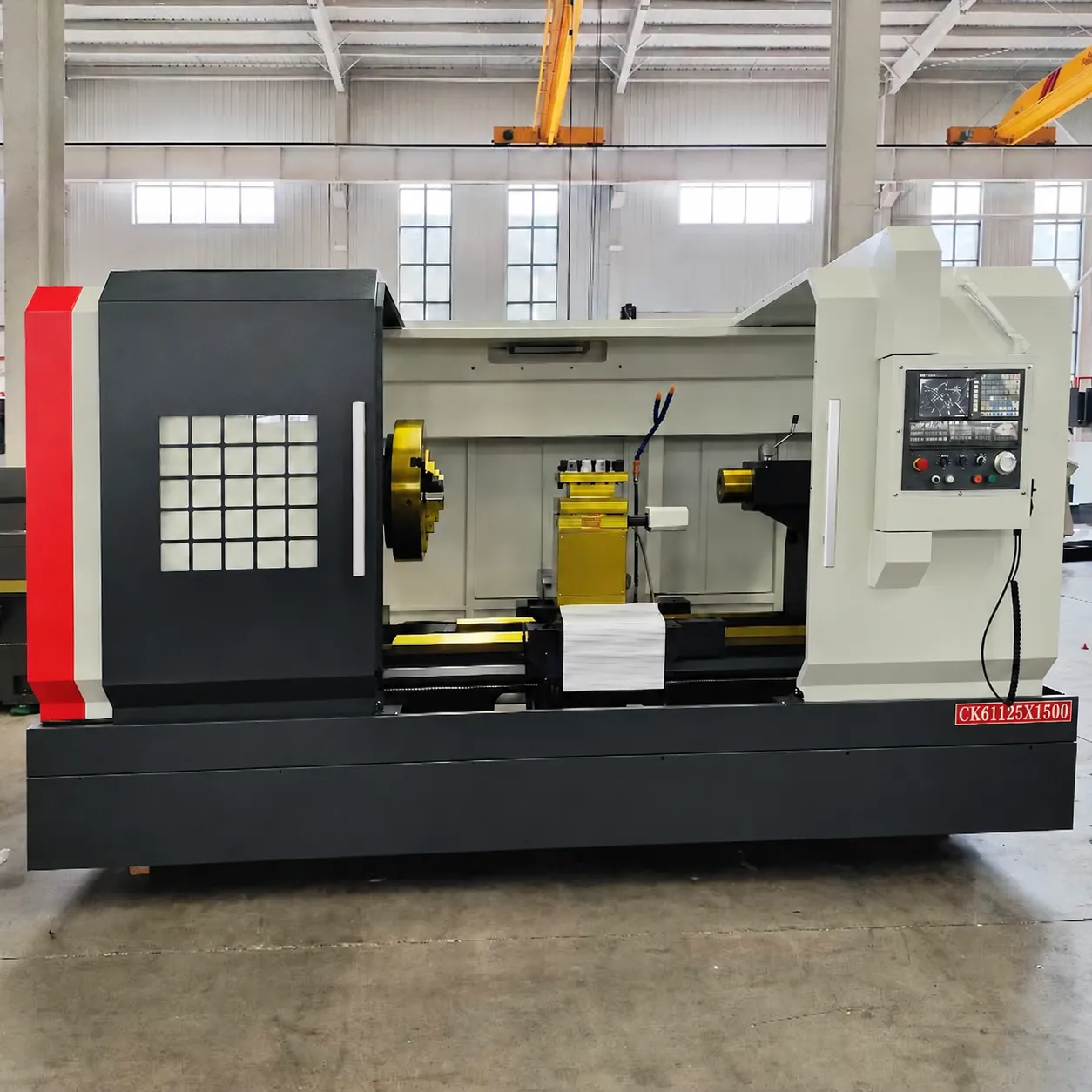
Machining Facility50+ Machining centers,80+ CNC machinesInspectionMT/UT/RT/100% visual+100%gage/CMM
-
StandardASTM. AISI. DIN. BS. JIS. NF. AS.CertificationIATF16949/ISO14001
-
DimensionsDrawing
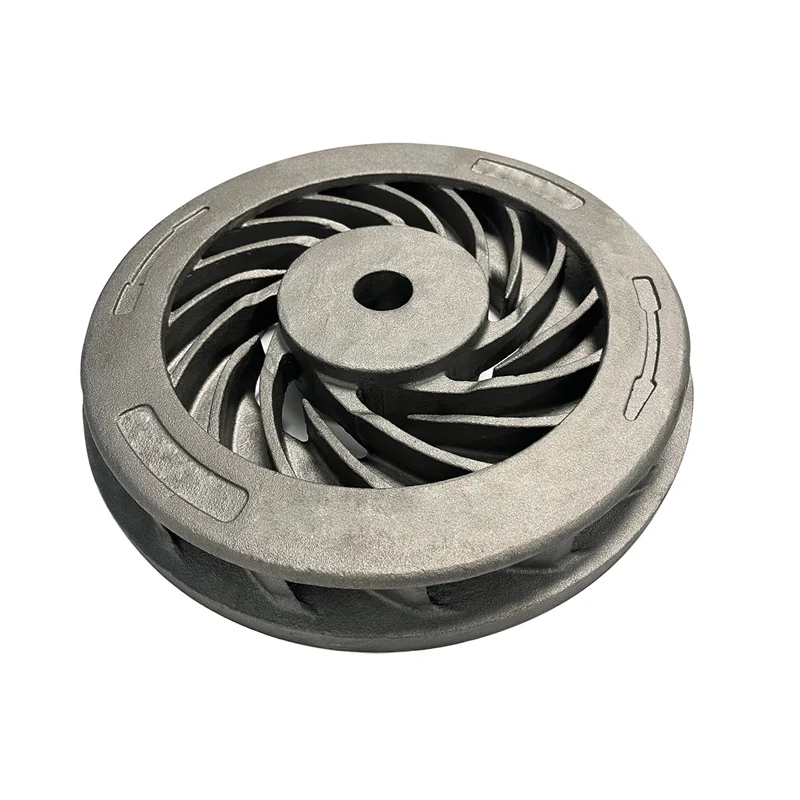
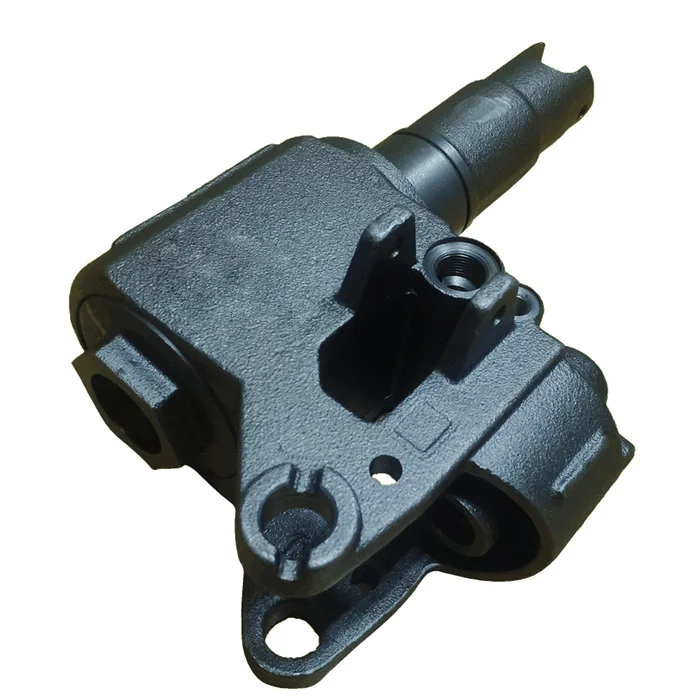
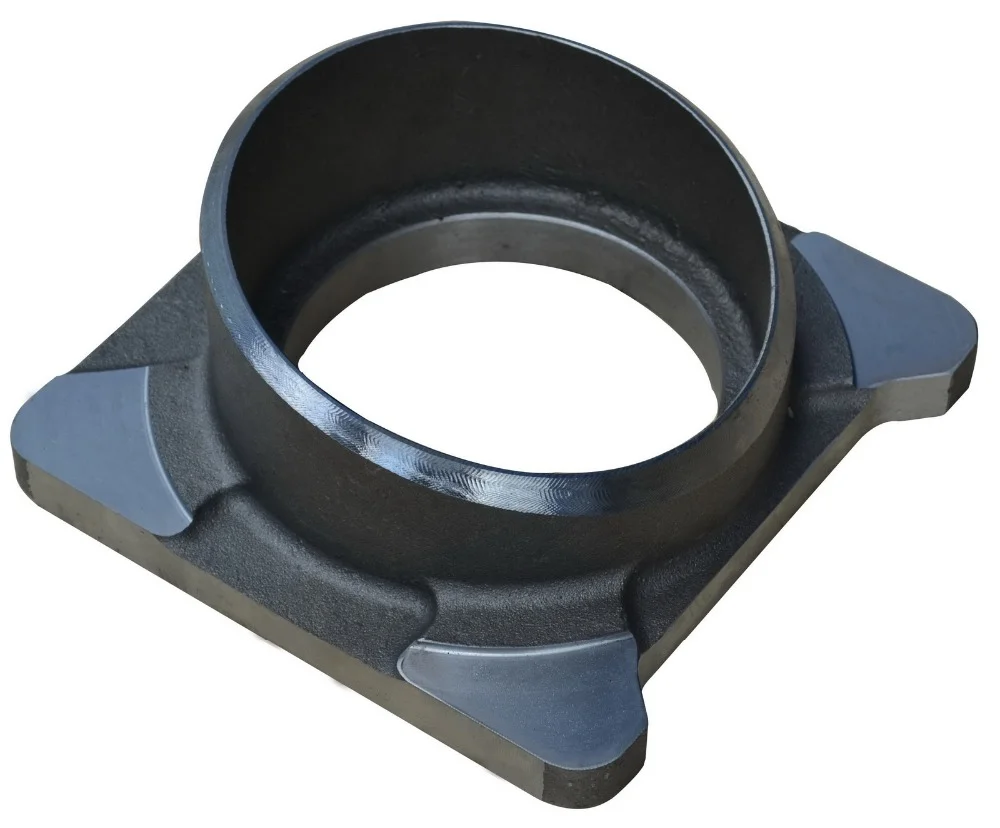
Precision alloy-steel parts for agricultural machinery combine lost-wax investment casting with CNC machining. Dimensions follow the component drawing, while quenching, tempering, shot blasting and assembly provide further work directions. The selected alloy and finished condition belong with the actual agricultural-machine component requirement.
Drawing dimensions and seven standard families
Standard references include ASTM, AISI, DIN, BS, JIS, NF and AS. Identify the actual designation and alloy grade for the component, then assign the drawing dimensions to their casting and CNC requirements. The machinery function, mating geometry and operating duty should guide finished acceptance, so the standard selection supports a specific agricultural part.
Heat treatment, shot blasting and assembly
Quenching and tempering are associated with two mesh-belt furnaces. Machining-facility references include 50+ machining centers and 80+ CNC machines, supporting discussion of the actual work scope. Define the required heat-treated condition, shot-blasted surfaces and assembly content for the selected part. These details connect the facility directions to a clear component requirement.
Visual and gauge coverage with selected methods
Visual inspection covers 100% and gauge inspection covers 100% in the quality direction for these castings. MT, UT, RT and CMM are also inspection capabilities, with actual method scope and acceptance agreed for the component. Relate the chosen checks to the alloy, treatment condition, drawing dimensions and assembly interfaces so the inspection plan addresses the finished agricultural-machinery part.