Permanent Mold, Investment Foundry and Lost Foam Casting Services | Part and Base Enquiries
Let’s define your requirement
Send a product link, drawing or short brief. We’ll work through the details with you.
- Confirm the specificationGrade or model, size and intended use.
- Define your orderQuantity, finish or configuration, and samples.
- Agree the quotation scopeIncluded work, key checks and delivery needs.
-
Surface FinishPowder Coated , Polished
-
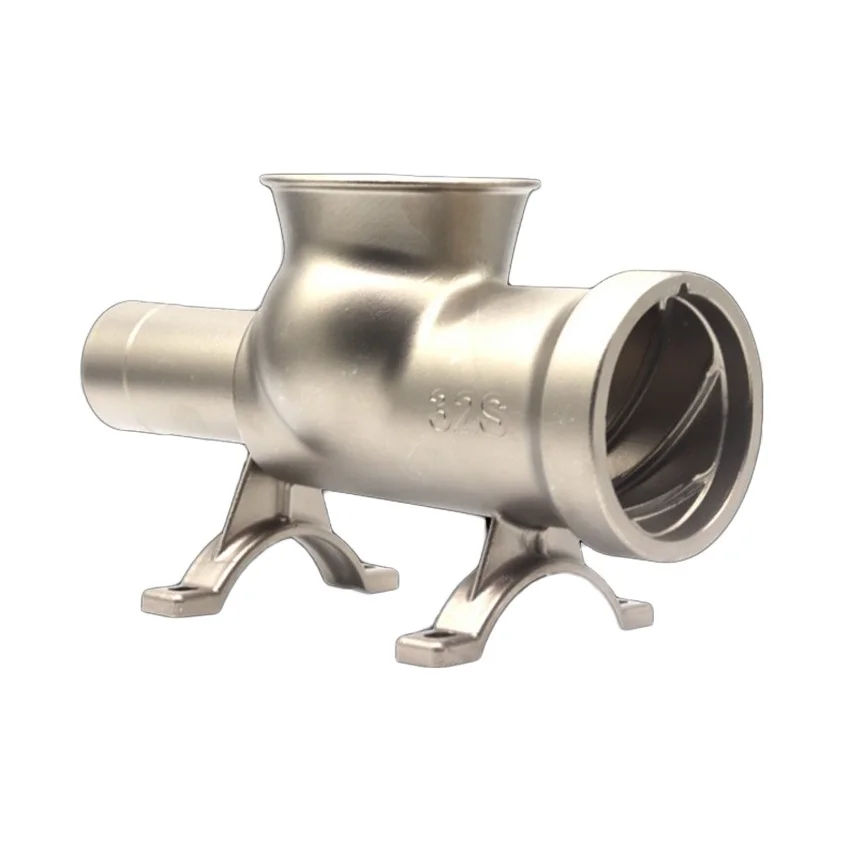
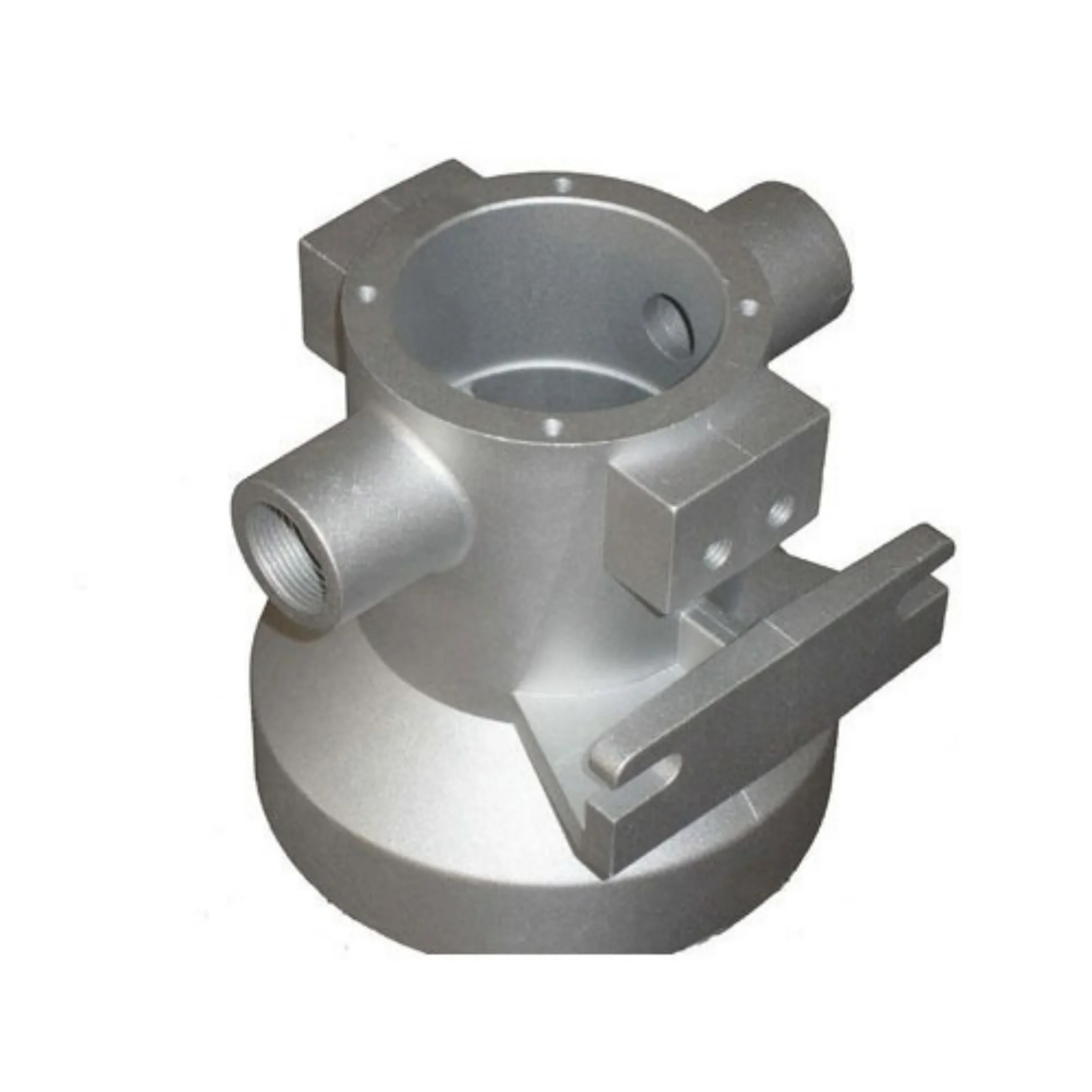
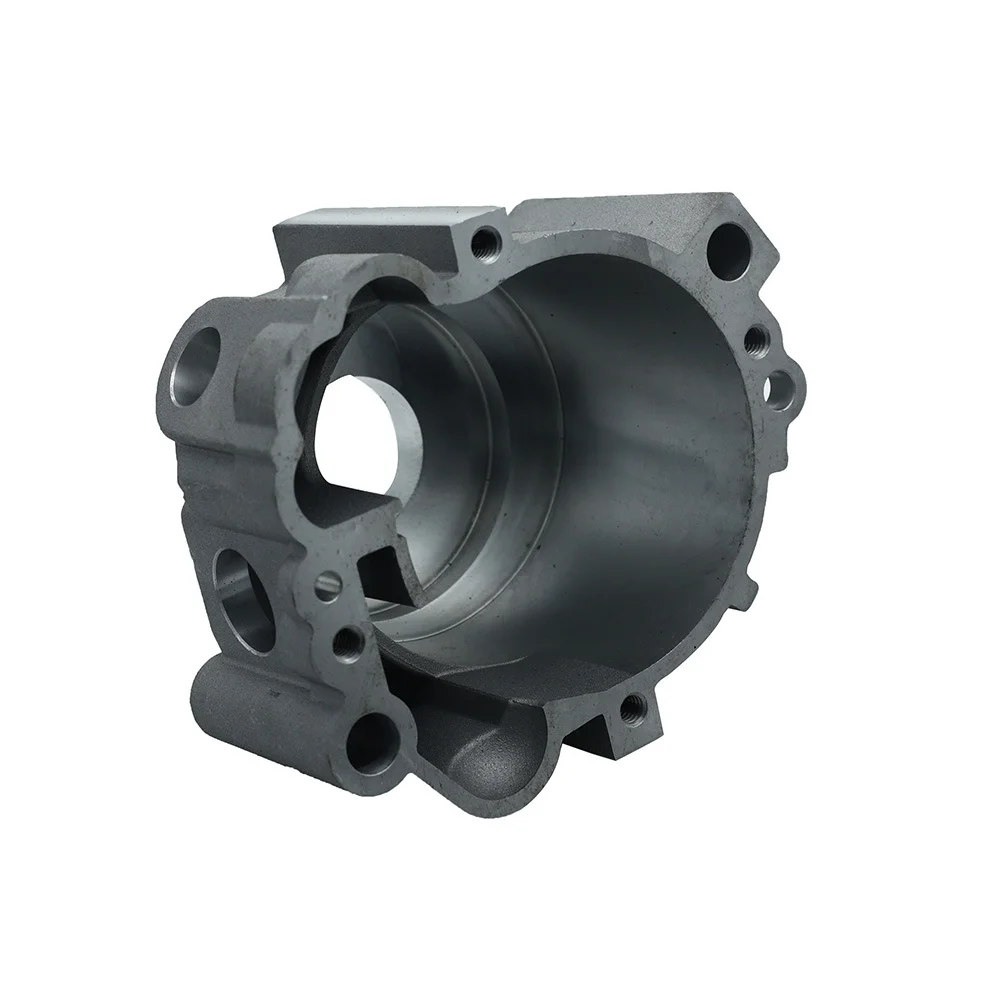
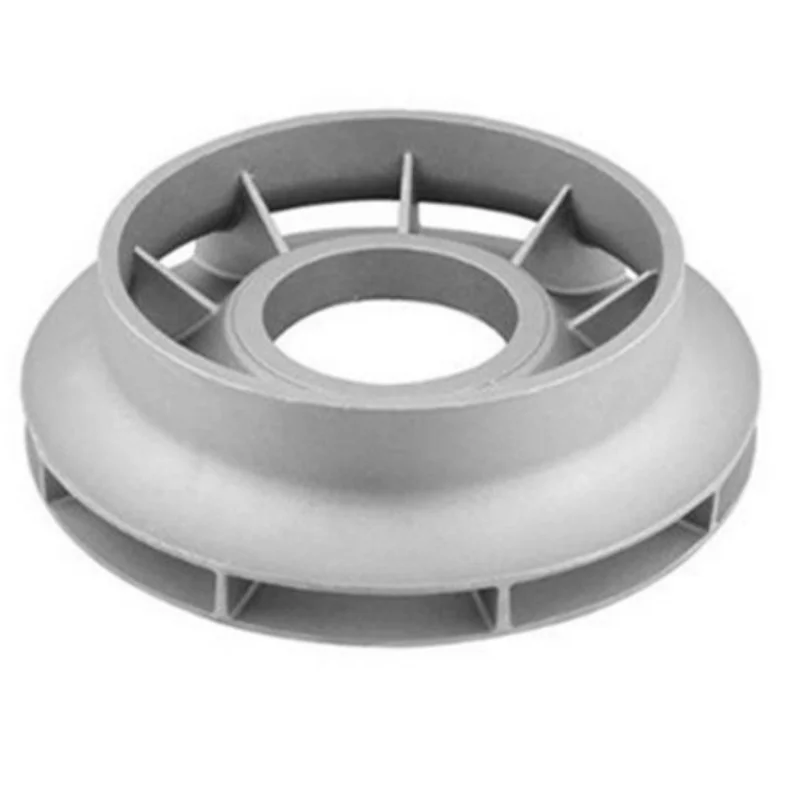
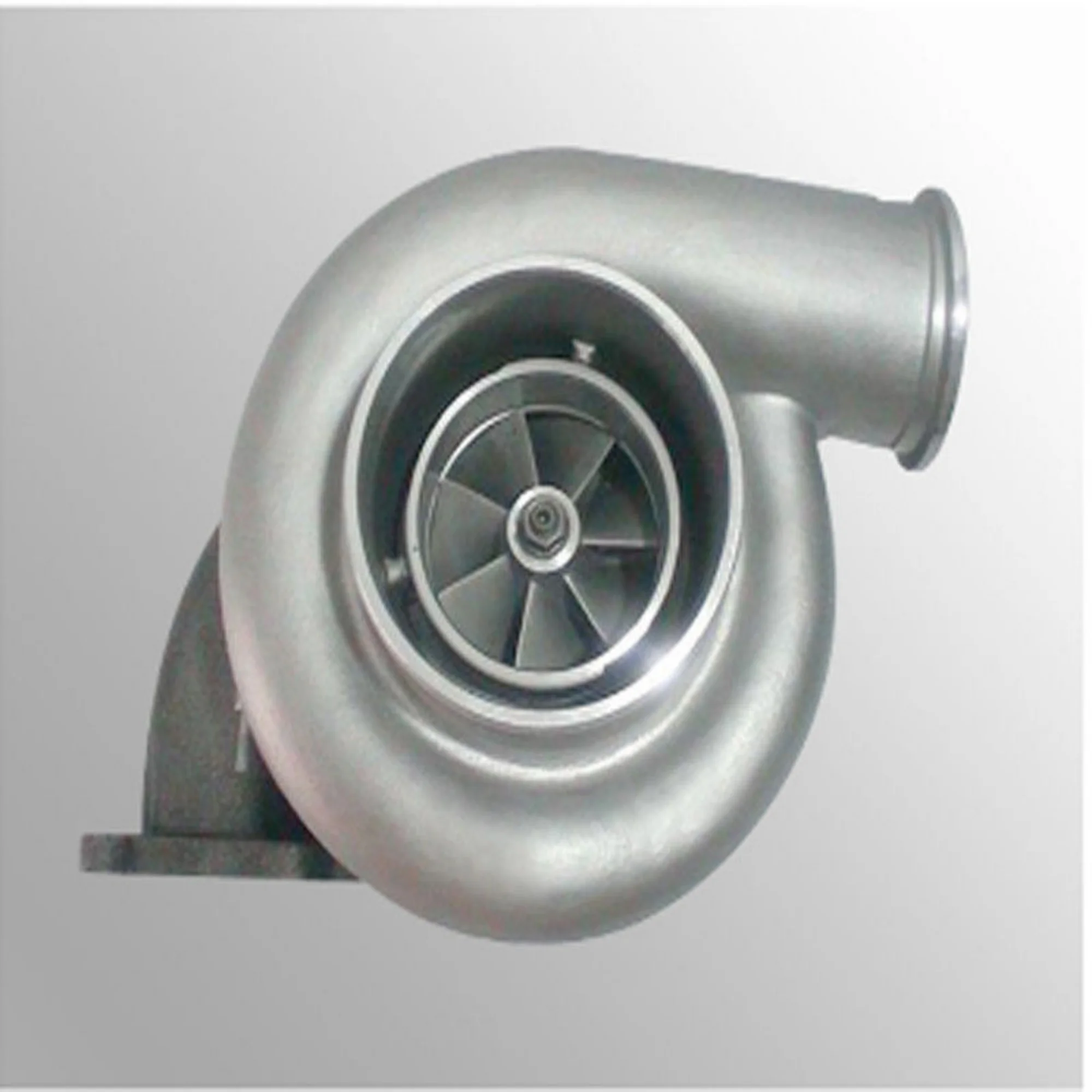
Part NameInvestment casting parts
-
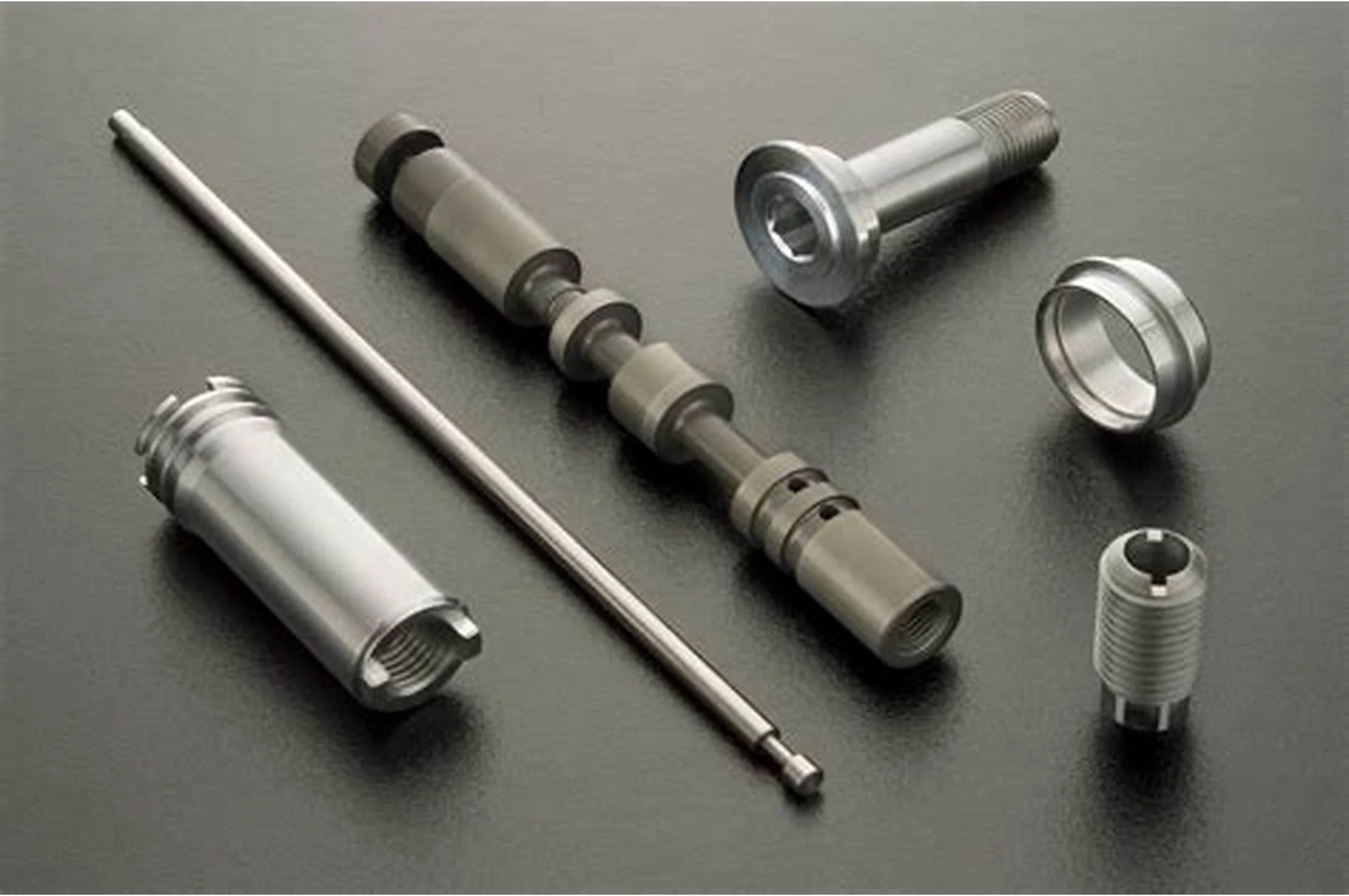
MaterialSteel, Brass, Aluminum, Magnesium, Plastic, rubber, etcSurfaceBurr Free, Electrolytic Polishing, Anodizing, Powder Coating, etc
-
ProcessInvestment CastingApplicationElectrical Appliances, Building Accessories, Sports Equipment, etc
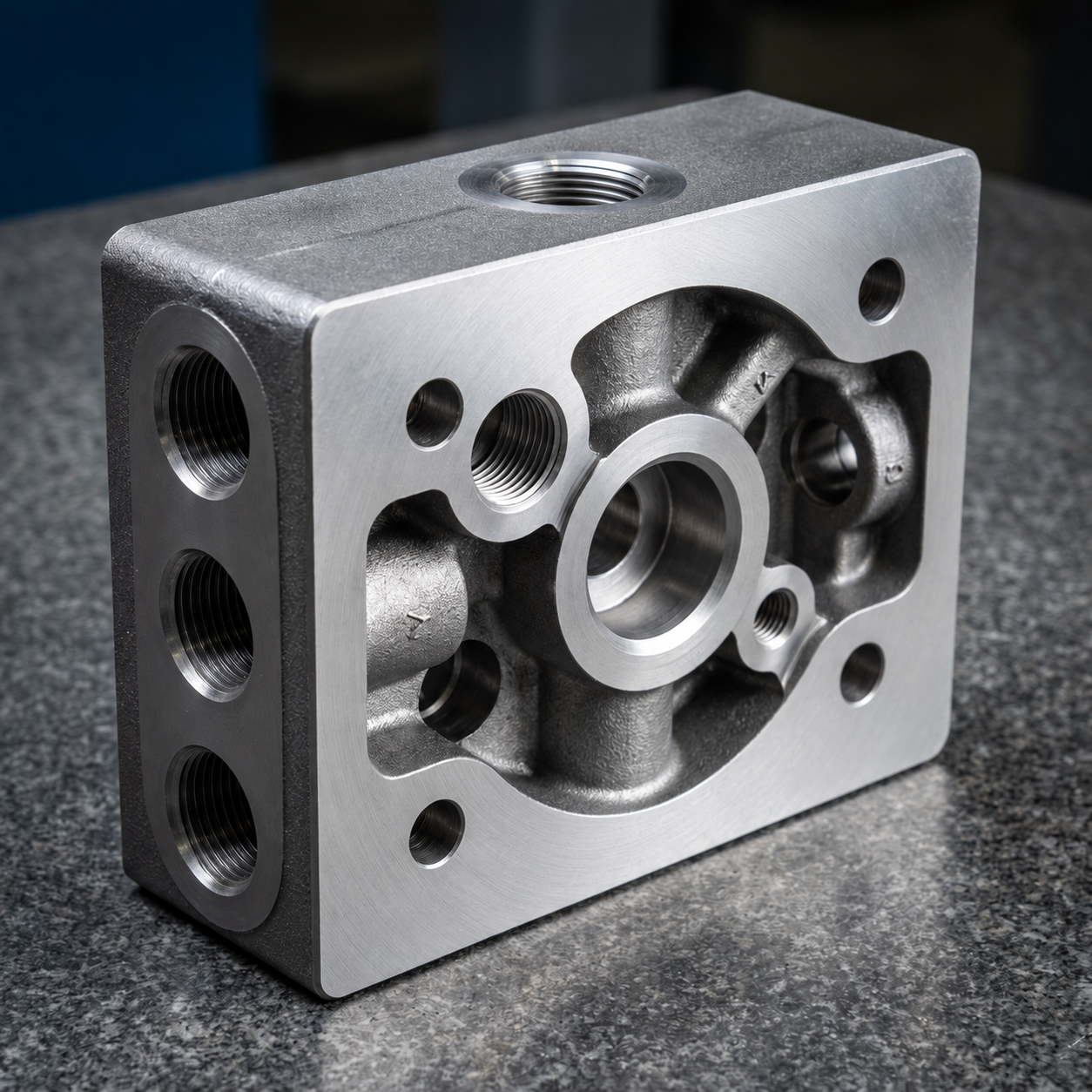
Permanent-mold casting, investment-foundry services and lost-foam casting are enquiry directions for parts and bases. Investment-casting parts are the component category. Define the actual part or base geometry and select the manufacturing route around that component.
Metal choice and component definition
Steel, brass, aluminum and magnesium are material directions. Select the actual grade with the drawing and the component's intended duty. Plastic and rubber enquiries require their own component and manufacturing-process definition. Establish the object being supplied before agreeing its material and production scope.
Surface condition for the chosen part
Surface directions include burr-free condition, electrolytic polishing, anodizing and powder coating. Choose the required condition or treatment for the selected material. Identify the areas covered and the finished dimensions used for acceptance.
- Part or base
- Define the geometry, required interfaces and selected casting route in the component enquiry.
- Finished condition
- Agree the surfaces, dimensions and inspection criteria that apply to the chosen material and finish.
Electrical, building and sports applications
Electrical appliances, building accessories and sports equipment are named applications. Explain the part's role within the actual product and identify the relevant working conditions. Use those requirements to select the material, casting direction and final surface condition. Bring the component drawing and its acceptance criteria together so the foundry enquiry addresses the intended part or base and its required finished state.