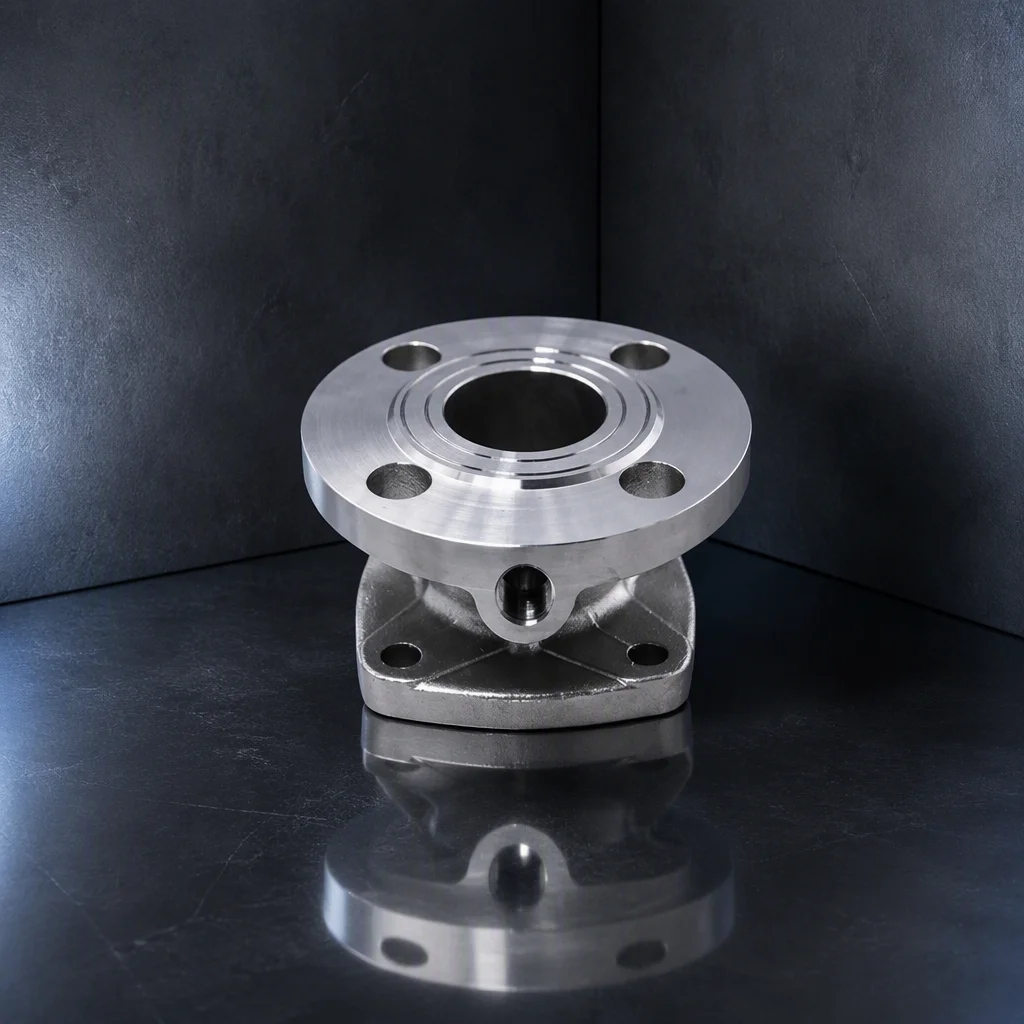
OEM Stainless Steel Pipeline Valve Casting Enquiries | Lost Wax and CNC Machining
Let’s define your requirement
Send a product link, drawing or short brief. We’ll work through the details with you.
- Confirm the specificationGrade or model, size and intended use.
- Define your orderQuantity, finish or configuration, and samples.
- Agree the quotation scopeIncluded work, key checks and delivery needs.
-
Surface FinishPassivated , PolishedAlloy Grade316 , 304L , 304
-
SizeCustomized Size
-
Surface TreatmentPassivation, Brush Polishing, Mirror PolishingMaterials304/304L/316/316L Stainless Steel
-
Product nameInvestment Casting Custom Pedal ComponentMaterial304/316/304L/316L Stainless Steel
-
ProcessLost WaxingSurface treatmentPassivation, Brush Polishing, Mirror Polishing
-
ServiceODM/OEMMachiningCNC machining
-
Surface RoughnessRa3.2-6.3μmMachining Precision0.01mm
-
CertificationTUV ISO,SGS,OHSASToleranceCT4-CT6
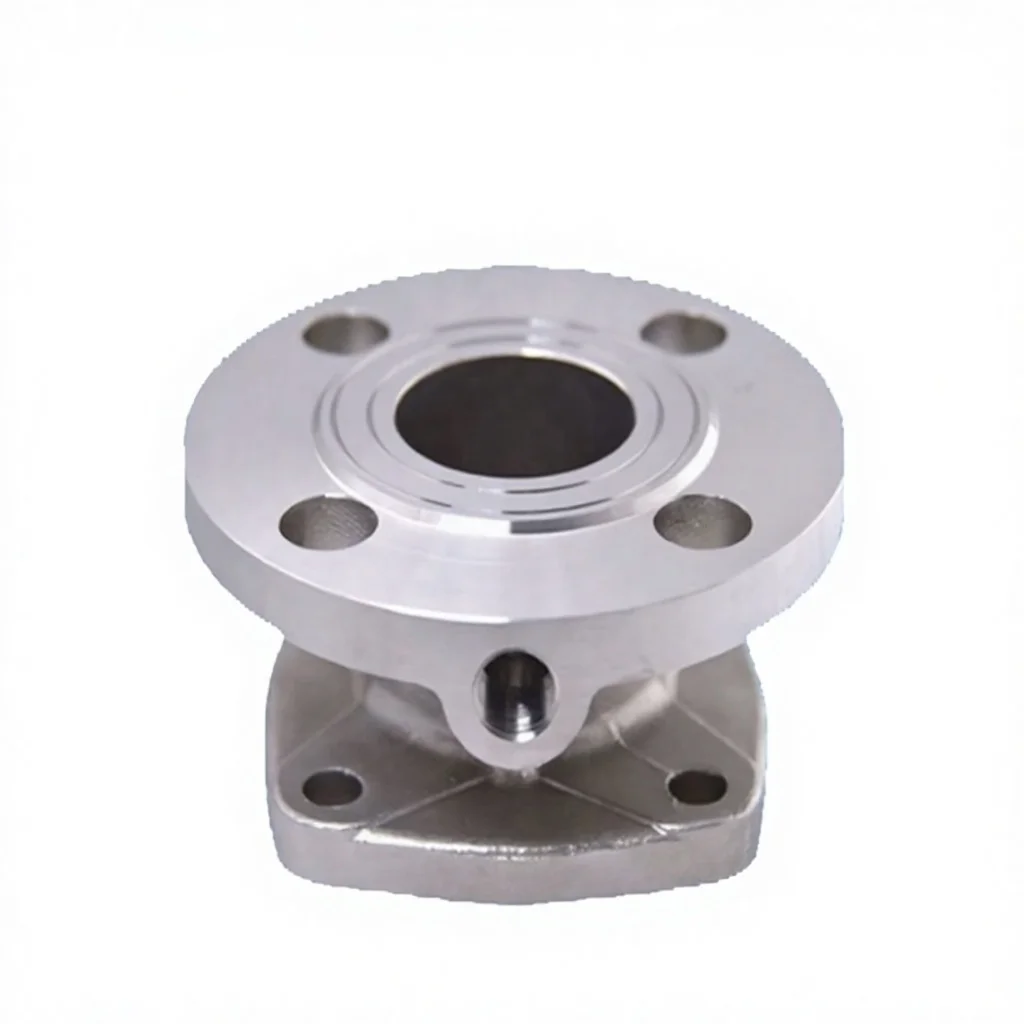
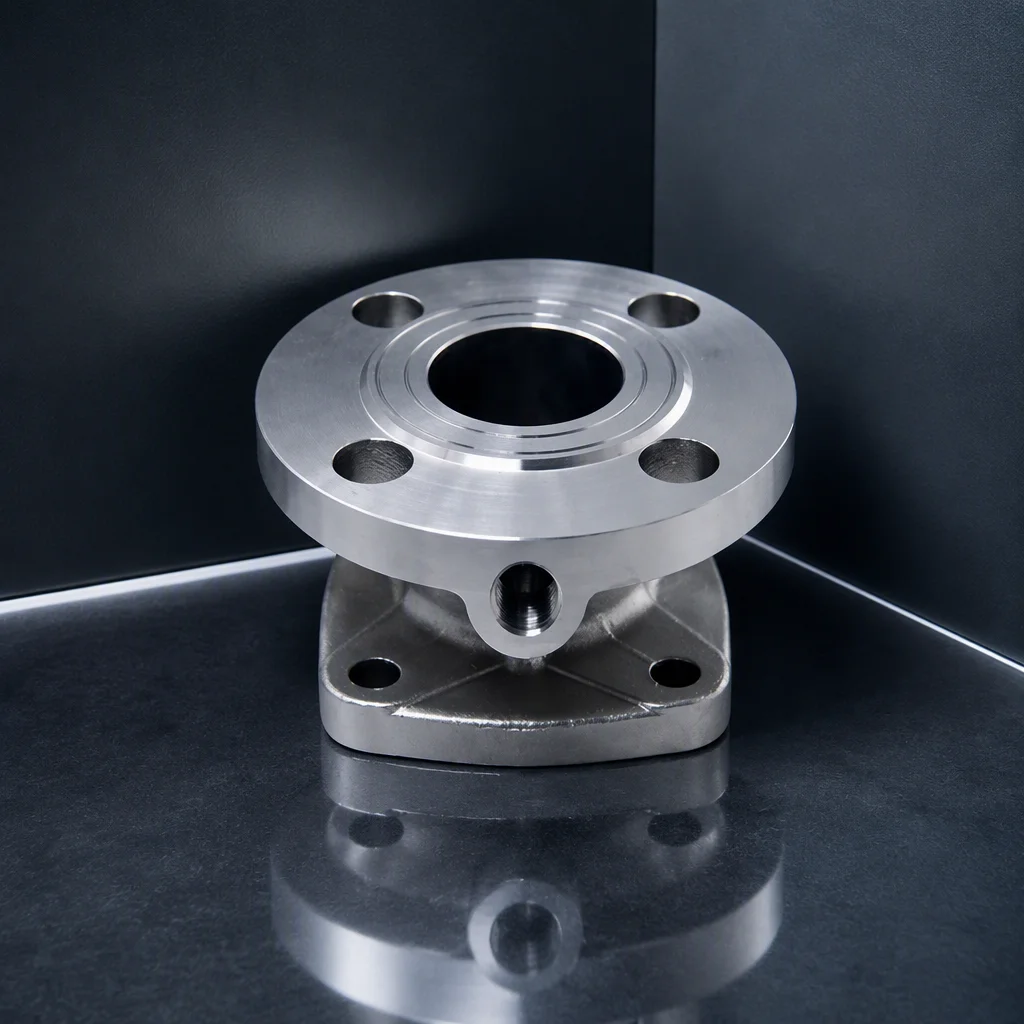
Custom stainless steel lost-wax investment casting is available with CNC machining and OEM/ODM support. Grade choices include 304, 304L, 316 and 316L, with sizes customized for the component. Pipeline-valve part enquiries and custom pedal component enquiries should each identify the intended drawing and function so the manufacturing requirements relate to a specific part.
Define the component and selected grade
Provide the actual valve-part or pedal-component geometry and explain how it functions in the assembly. Choose the stainless grade and mark the faces requiring CNC machining. The material, component identity and drawing limits should be agreed together, giving the casting and subsequent machining work a clear specification for the intended application.
Apply casting, machining and roughness references
Casting tolerance is referenced at CT4–CT6, while machining precision is referenced at 0.01 mm. Surface roughness is Ra 3.2–6.3 μm, with the relevant surface and manufacturing stage to be specified. Keep these requirements attached to their controlled features so cast dimensions, machined interfaces and finished surfaces can be evaluated against the component drawing.
Choose finishing and relevant quality documentation
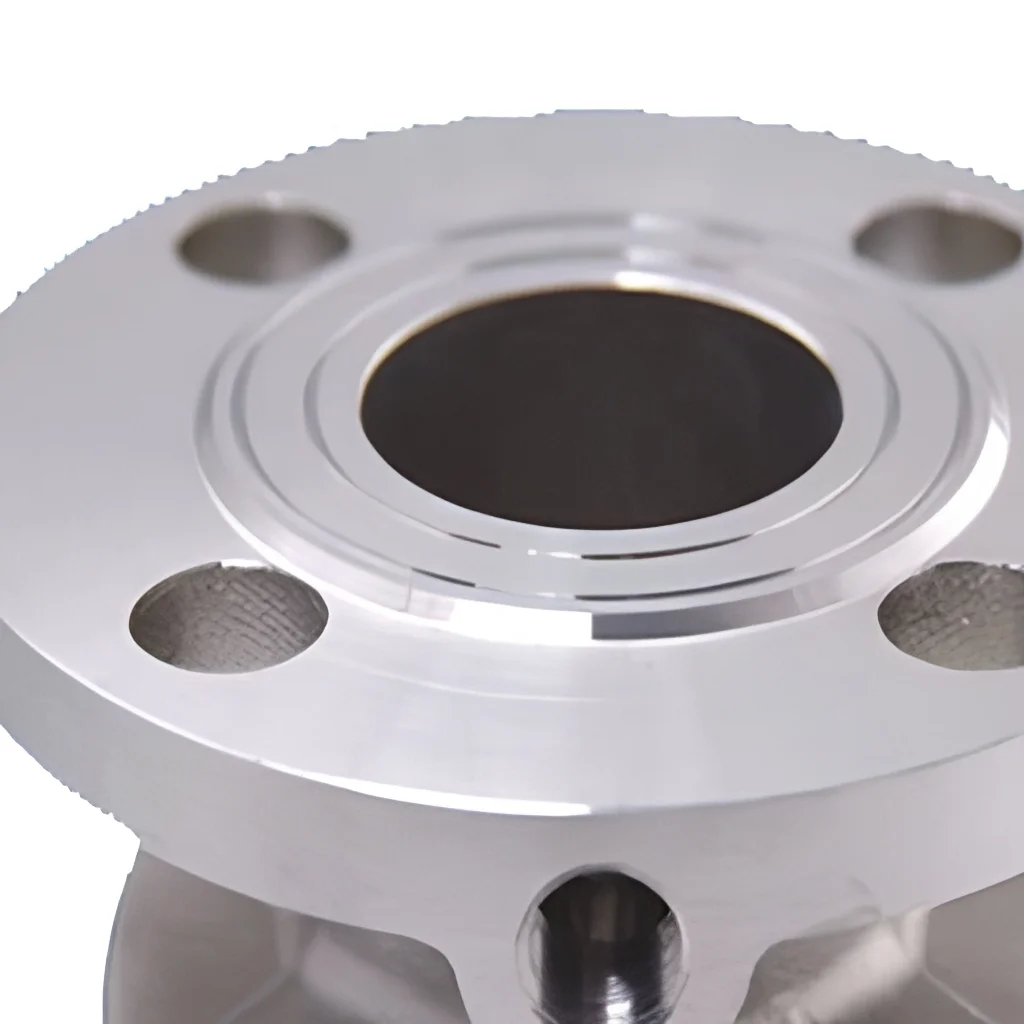
Passivation, brush polishing and mirror polishing are surface-treatment choices. Identify the faces concerned and the required dimensional or appearance acceptance for the selected finish. Certification references name TUV ISO, SGS and OHSAS, with the applicable document and scope to be confirmed for the project. An OEM/ODM enquiry bringing grade, component function, processing and acceptance together provides a basis for reviewing the custom casting.