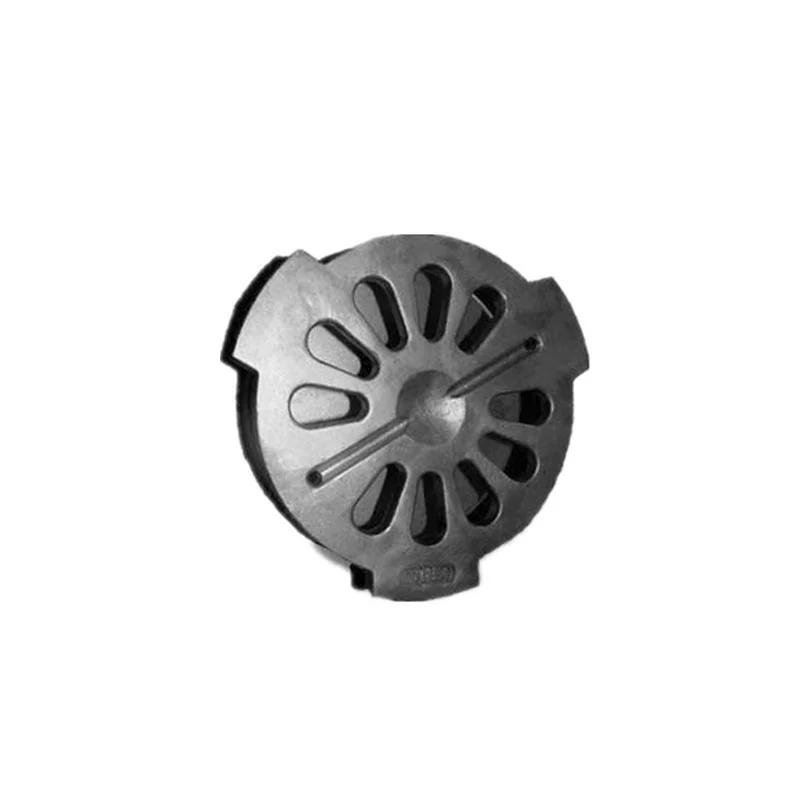
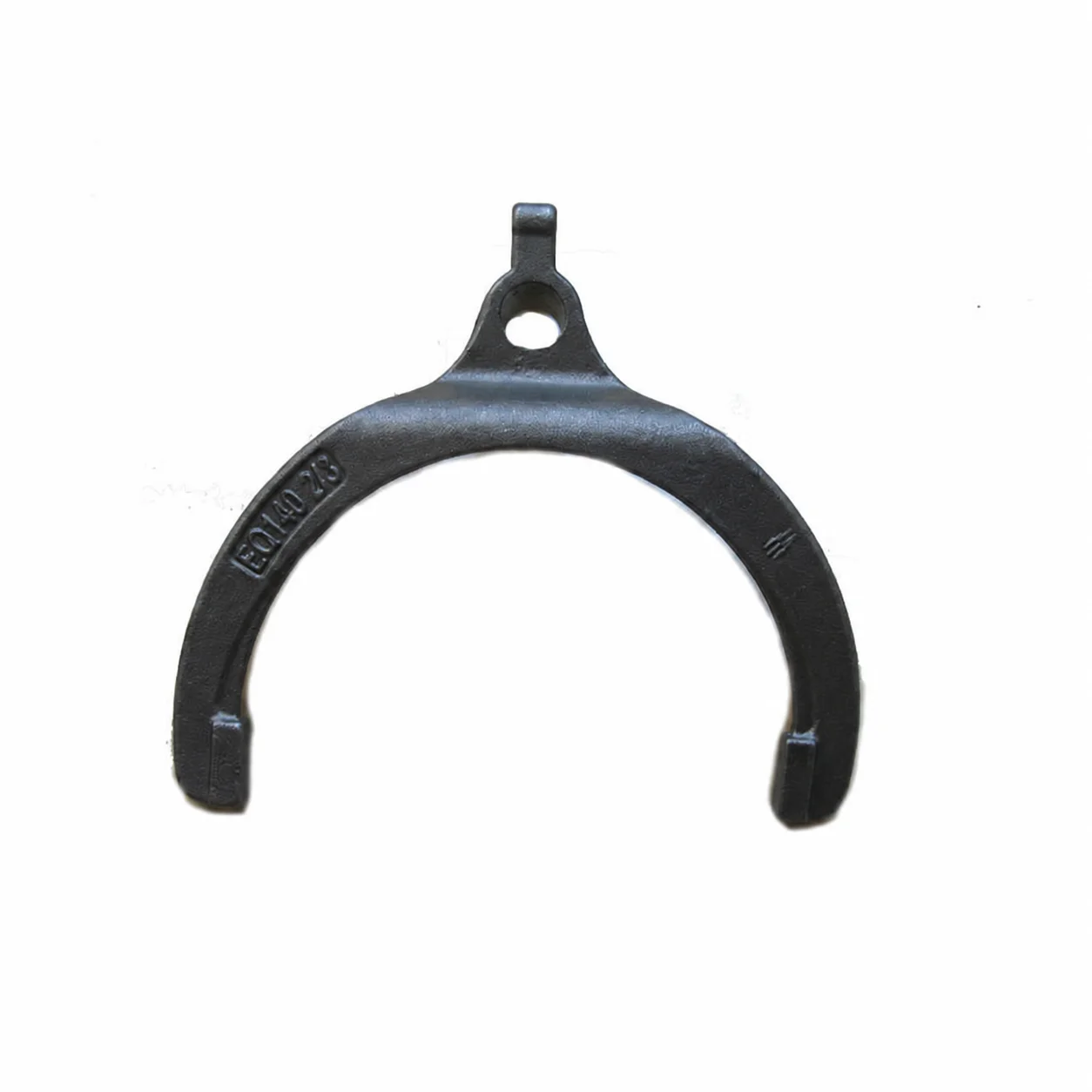
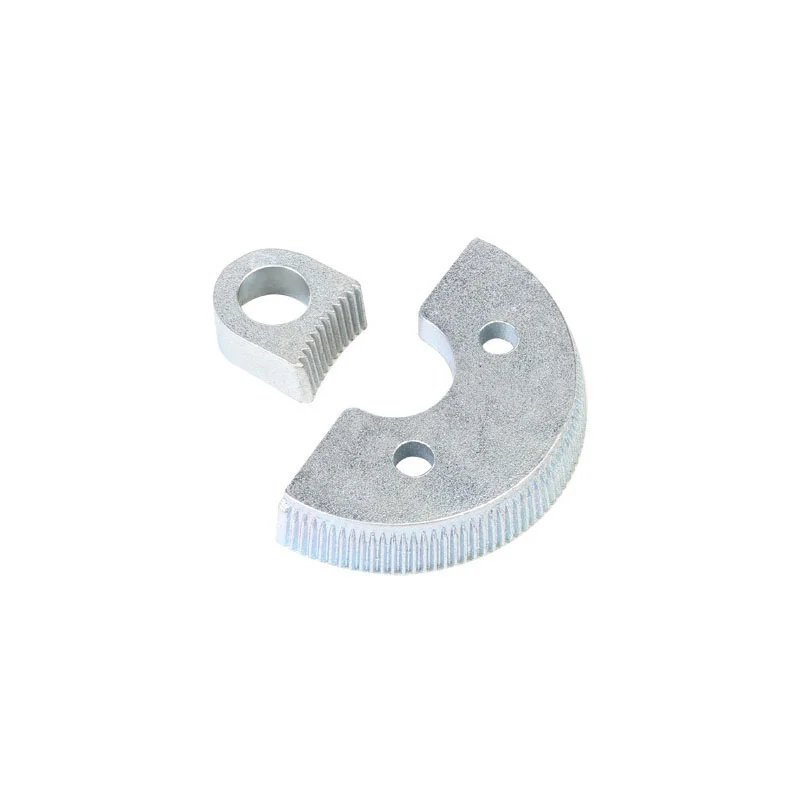
OEM Stainless Steel Lost Wax Investment Casting Parts with CT4–CT8 Classes and ±0.02mm Machining
Let’s define your requirement
Send a product link, drawing or short brief. We’ll work through the details with you.
- Confirm the specificationGrade or model, size and intended use.
- Define your orderQuantity, finish or configuration, and samples.
- Agree the quotation scopeIncluded work, key checks and delivery needs.
-
Surface FinishSandblasted , Polished
-
MaterialStainless Steel,Steel,Brass,Copper,Aluminum,Iron,Plastic
-
TechnologyInvestment Casting,Sand Casting,Machining,Welding,ForgingMachiningBroaching,DRILLING,Milling,Turning,Tapping,Wire
-
ProcessMolds,Casting,Deburring,Machining,Surface Treatment,PackingWeightAvailable from 0.01 Kg-10T
-
StandardISO,GB,DIN,JIS,ANSI,BSW,ASTM,ASME,BS,API,ENCasting ToleranceCT4-CT8
-
Machining Tolerance+/-0.02mmSurface TreatmentPolishing, Passivating, Sandblasting, Zinc plating, Oxide black
-
CertificationIS09001: 2015,TUV
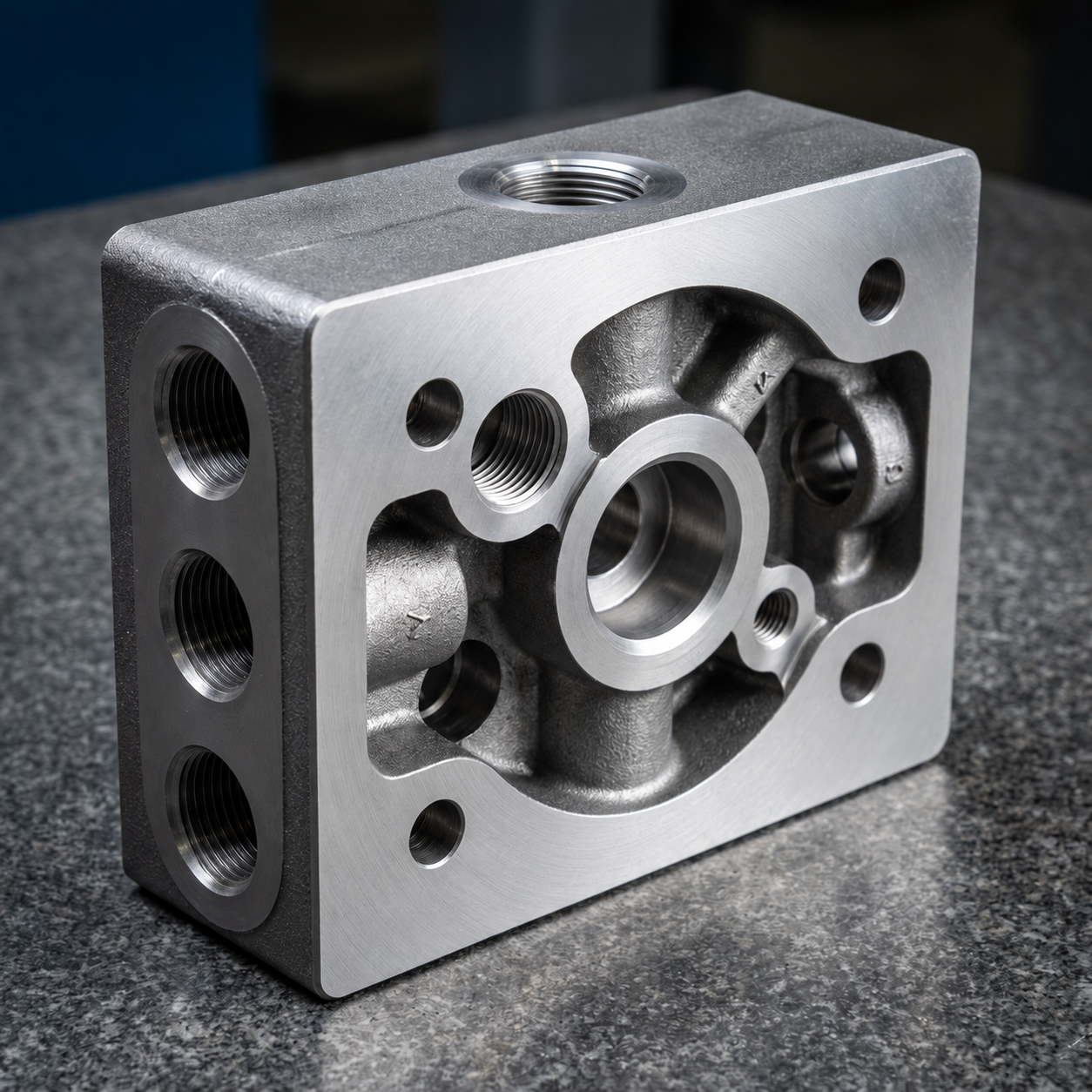
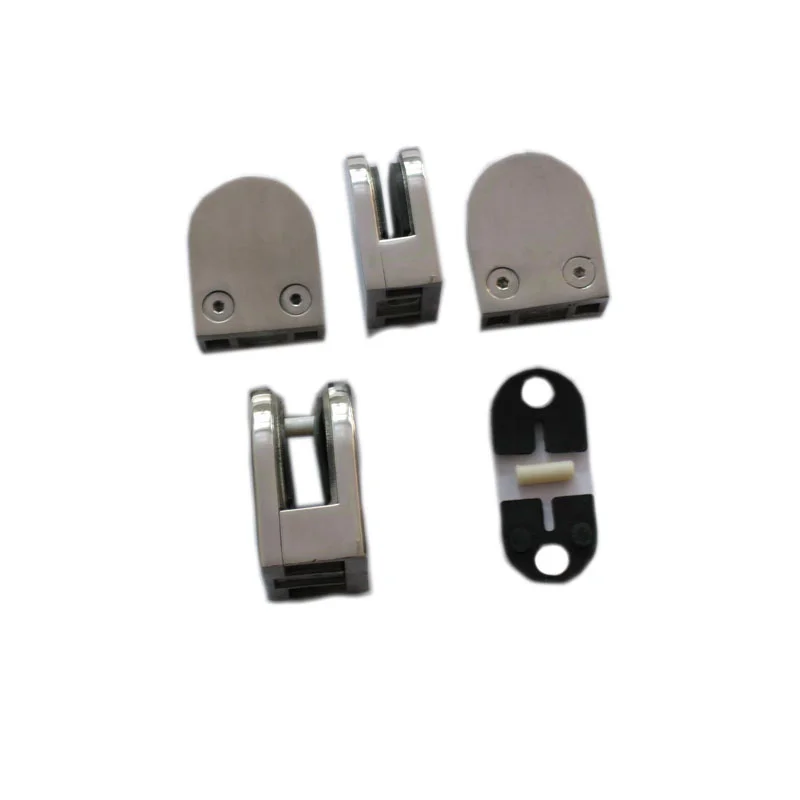
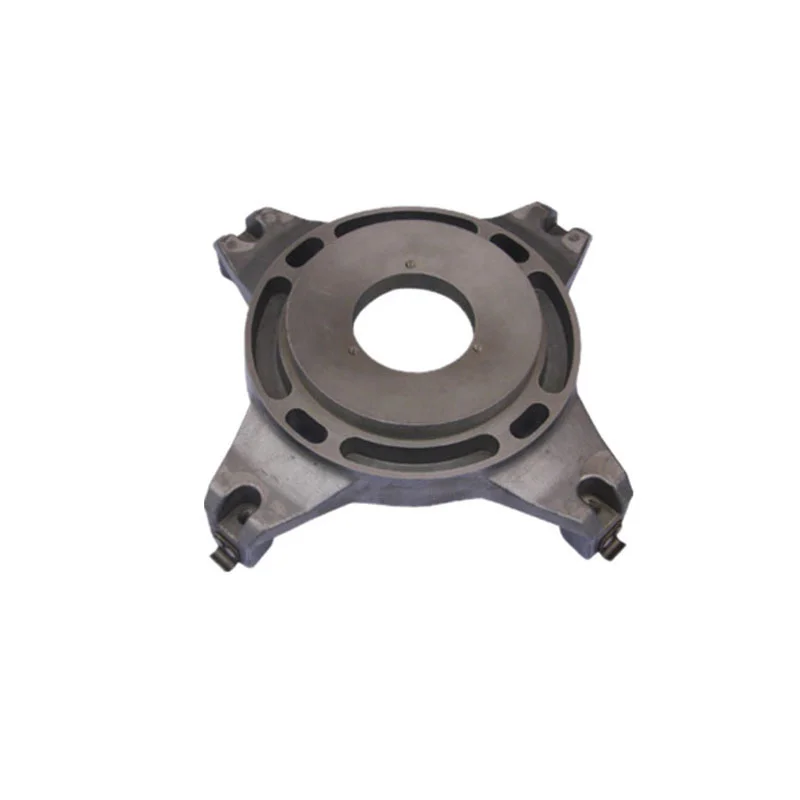
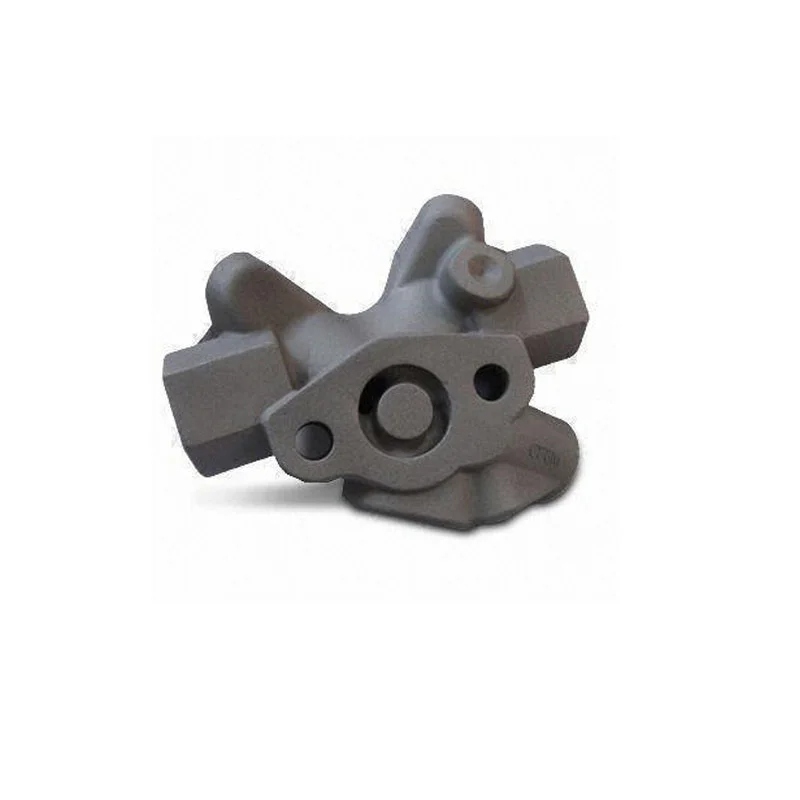
Custom OEM stainless steel parts combine lost wax investment casting with machining requests. CT4–CT8 is the casting-tolerance reference, and ±0.02mm is the separate machining-tolerance reference. Select the actual component, grade and processing scope before assigning either requirement to the drawing.
Material and manufacturing route
Stainless steel, steel, brass, copper, aluminum, iron and plastic are material directions for discussion. Investment casting, sand casting, machining, welding and forging form a broader technology menu. Agree the suitable material and actual route for the component, with mold work, casting, deburring, machining and surface treatment allocated to the project.
Cast and machined dimensions
Specify the chosen CT4–CT8 casting class and identify the cast dimensions it governs. Assign ±0.02mm separately to the agreed machined dimensions, with a measurement and acceptance basis. Broaching, drilling, milling, turning, tapping and wire-related work are machining directions; confirm the exact wire method and the work required at each location.
Finish and standard references
Choose among polishing, passivating, sand blasting, zinc plating and black oxide, and define the areas and final condition required. ISO, GB, DIN, JIS, ANSI, BSW, ASTM, ASME, BS, API and EN are standard-family references. Identify the actual applicable document, edition and grade instead of treating the entire group as one component requirement.
OEM acceptance scope
Prepare a request that links material, casting class, machined dimensions and finish to the same component drawing. Agree the project quantity and required inspection or acceptance documentation. This gives the mold, casting and machining discussion a common basis while keeping each selected process and surface requirement identifiable.