OEM Stainless/Multi-Material Lost Wax Investment-Casting/CNC-Lathe/Forming Requests, ±1µm Reference, Drawings, Colors and Samples
Let’s define your requirement
Send a product link, drawing or short brief. We’ll work through the details with you.
- Confirm the specificationGrade or model, size and intended use.
- Define your orderQuantity, finish or configuration, and samples.
- Agree the quotation scopeIncluded work, key checks and delivery needs.
-
Surface FinishPolished , Machined
-
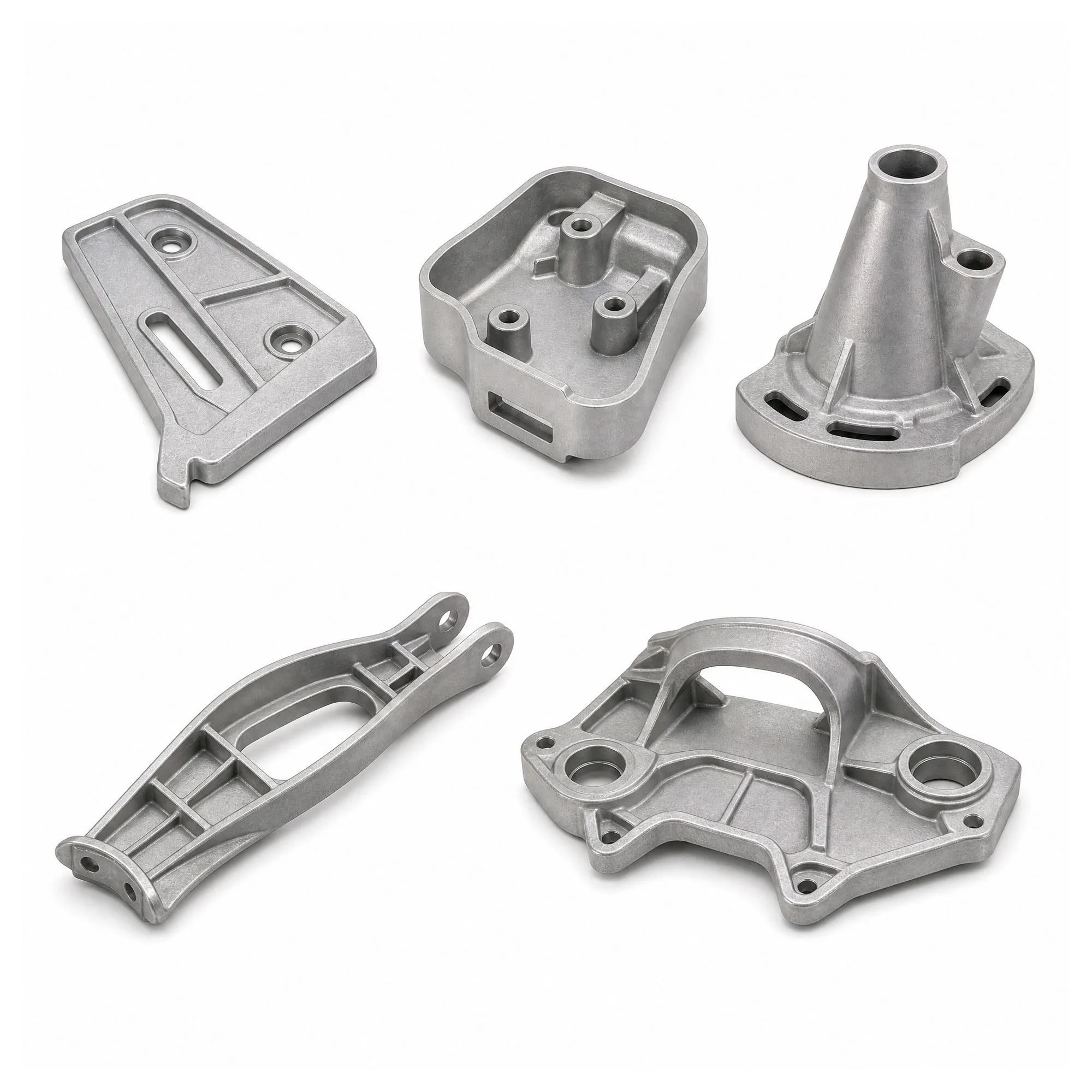
Product nameCustom Casting Parts
-
Materialaluminum alloy, stainless steel, brass, copper, titanium, iron etc.Surface treatmentHeat Treatment, Polishing, Plating, Machining, Anodizing etc.
-
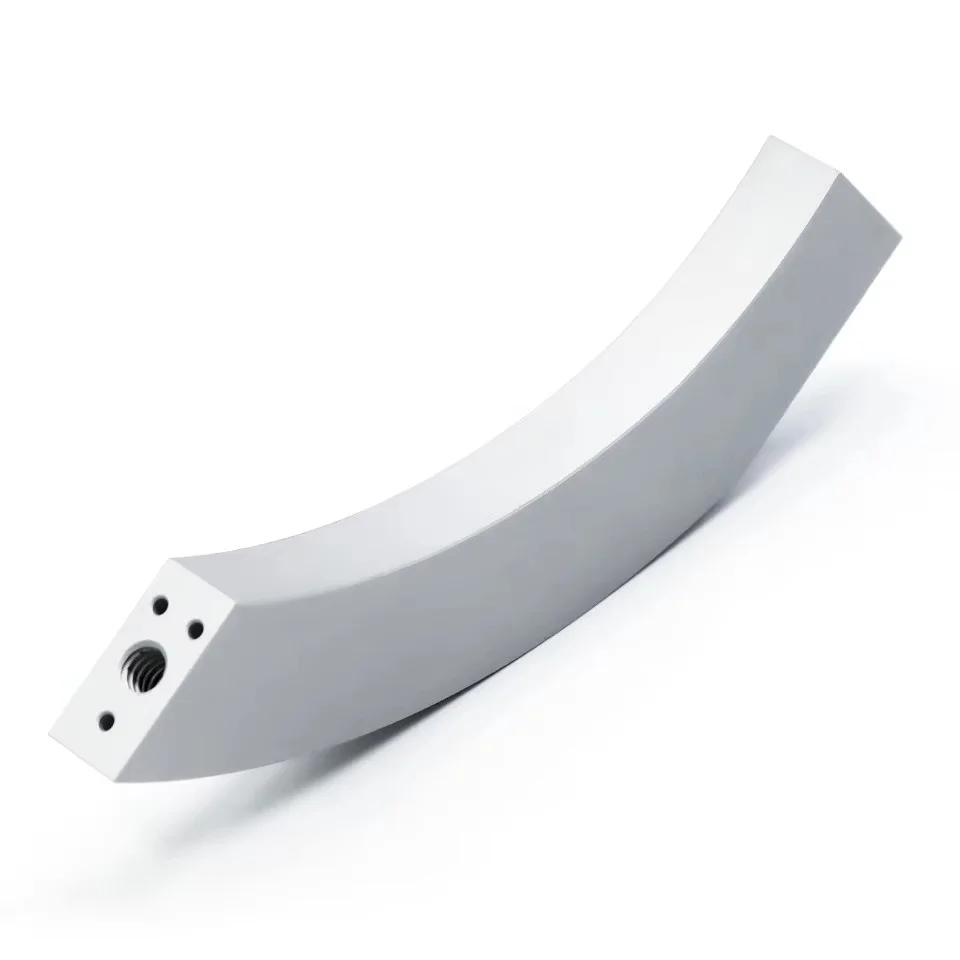
Size / ShapeCustomized Size\Client's DrawingsApplicationRobotics, aerospace, automotive, industrial machinery etc.
-
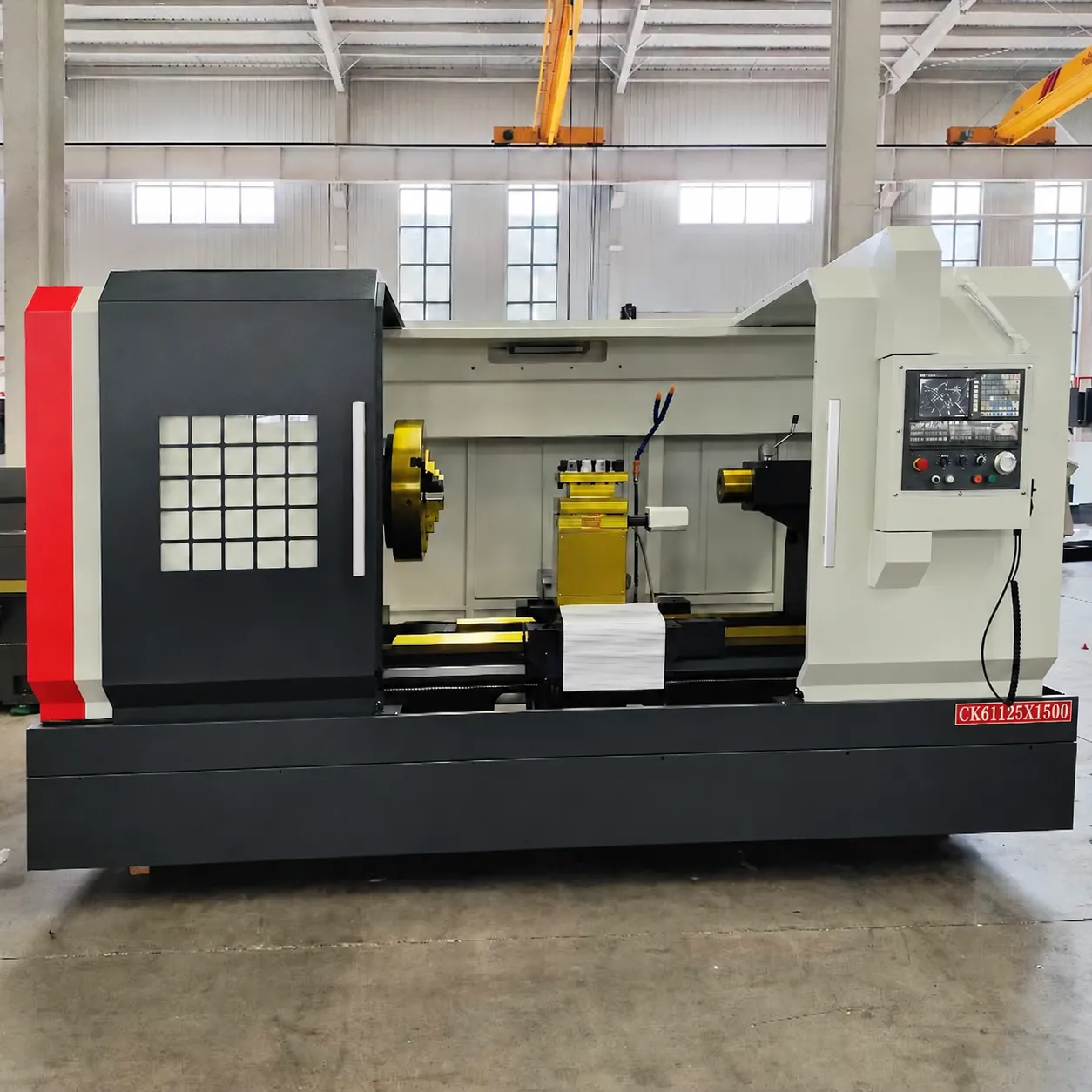
Tolerance+/-1umProcessCnc lathe, stamping, hobbing, forging etc.
-
SampleAccept Sample OrdersColorBlack, silver, gold, blue, red, white, yellow etc.
-
MOQ1 PCS
OEM custom casting requests combine a stainless/multi-material direction with lost wax investment casting and selected additional processing. Dimensions follow client drawings, with a ±1µm tolerance reference whose actual feature and measurement scope need agreement. Sample orders and color directions are part of the customized component request.
Six materials and the selected work route
Materials include aluminum alloy, stainless steel, brass, copper, titanium and iron. Process directions include CNC lathe, stamping, hobbing and forging, with generic machining and heat treatment also available as selected work. Allocate the actual operations to the material, geometry and finished requirements of the part.
±1µm attached to an actual feature
Identify the drawing feature to which the ±1µm reference applies and define its datum and dimensional limits. Agree the relevant material, process allocation and measurement conditions for that feature. Establish the evidence used to accept the selected requirement on the actual component.
Surface and seven appearance directions
Polishing, plating and anodizing are surface-treatment choices, with final condition to agree. Color directions are black, silver, gold, blue, red, white and yellow. Define the actual appearance or treatment represented by the selected color and assess it with the supplied material and finished geometry.
Sample acceptance for the application drawing
Application directions include robotics, aerospace, automotive and industrial machinery. Define the selected component's working duty, interfaces and any required approval evidence for that use. Agree sample-comparison criteria and inspected characteristics, methods and records against the client drawing. Confirm quantity and OEM responsibility with the accepted operations, tolerance feature and surface/appearance requirements.