
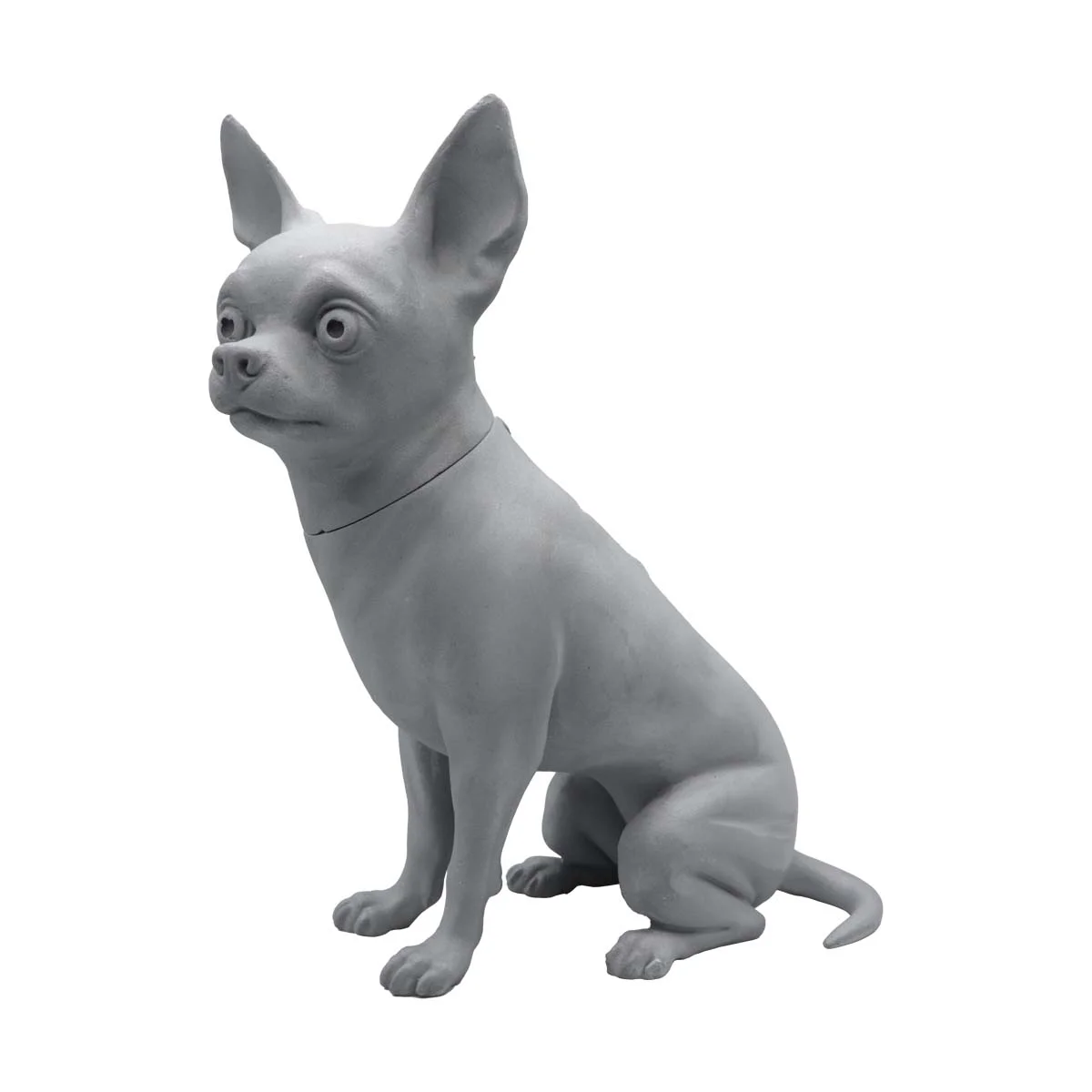
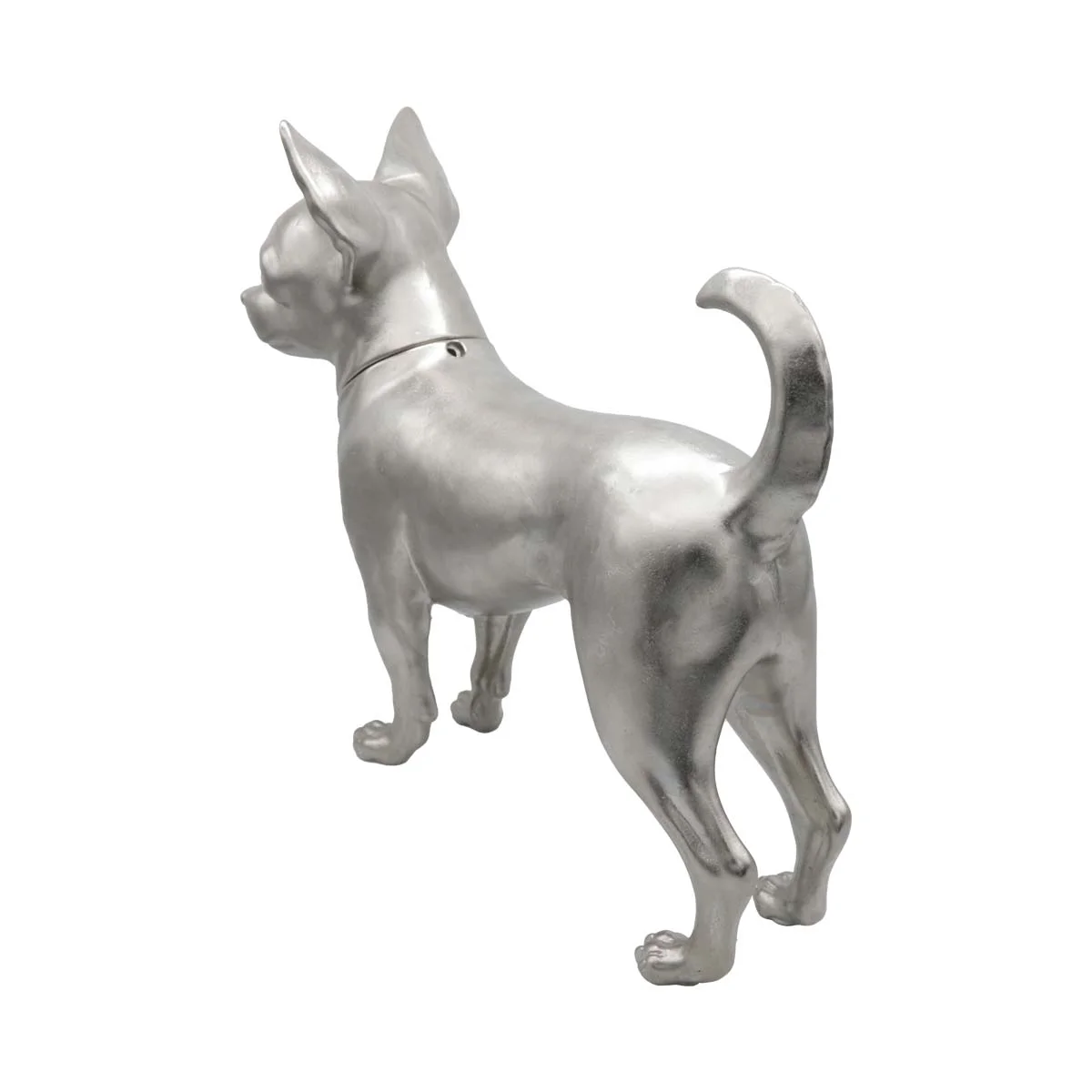
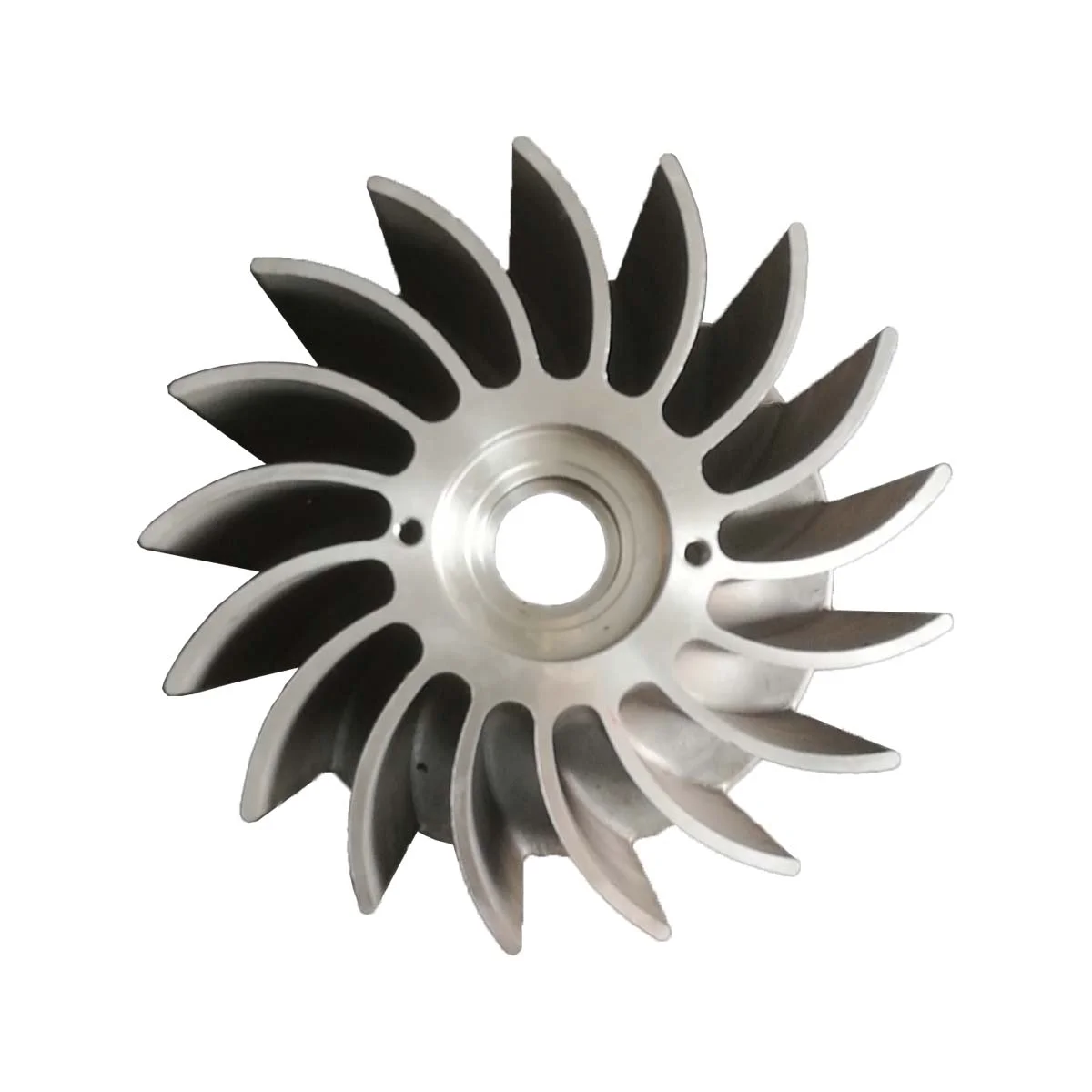
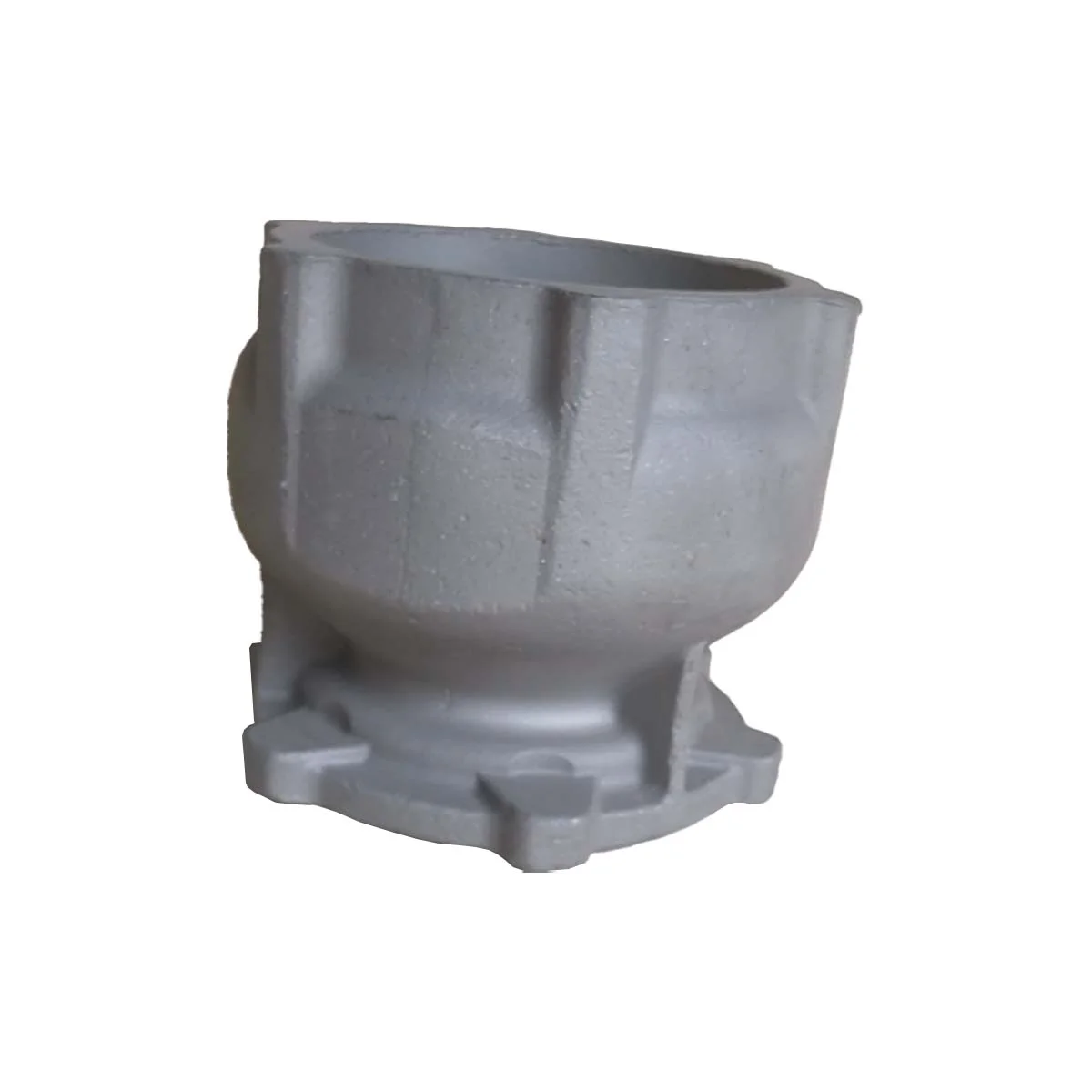
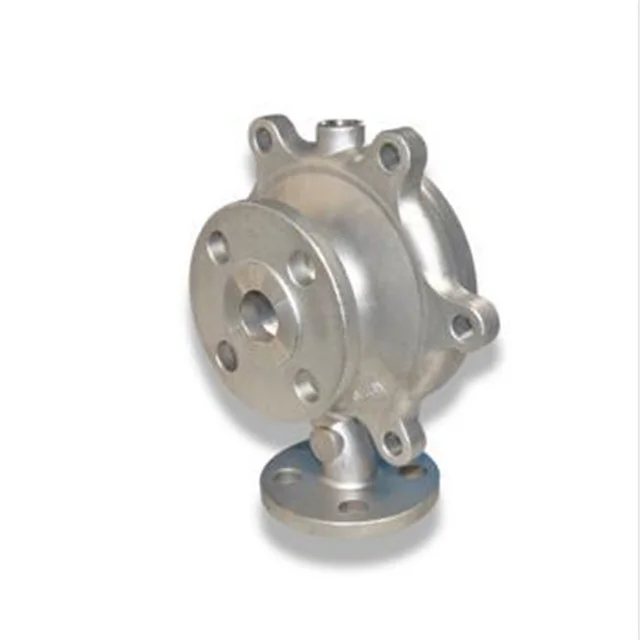
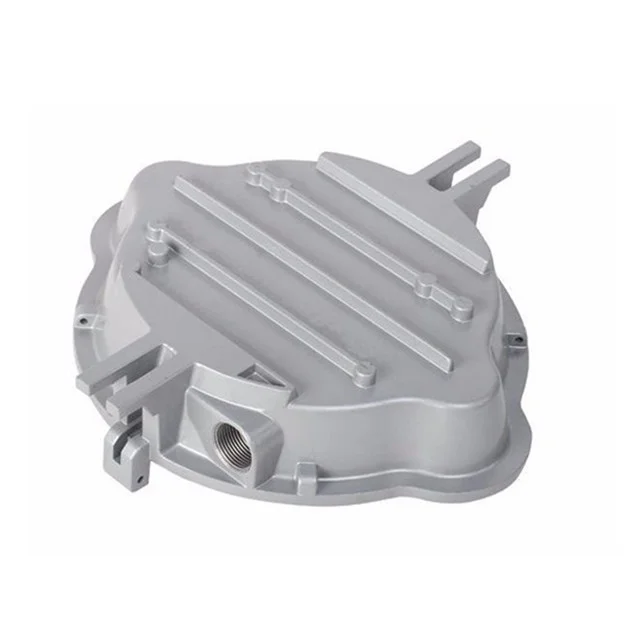
OEM One-Piece Weld-Free Lost Wax Investment Castings for Fatigue-Resistant Metal Designs
Let’s define your requirement
Send a product link, drawing or short brief. We’ll work through the details with you.
- Confirm the specificationGrade or model, size and intended use.
- Define your orderQuantity, finish or configuration, and samples.
- Agree the quotation scopeIncluded work, key checks and delivery needs.
-
Dimensional Tolerance±0.1mm (Standard), ±0.05mm (High Precision)
-
Max Casting Weight0.1kg - 500kgQuotation Service5-Min Quick Quotation
-
Customization ServiceDrawing/Sample Customization, Non-Standard Parts SupportCasting Material GradeStainless Steel 304/316, Carbon Steel Q235, Alloy Steel
-
Secondary Machining ServicesBending, Stamping, Welding, DrillingCasting ProcessLost Wax Investment Casting, Sand Casting, Die Casting
-
Heat Treatment ServiceAnnealing, Quenching & Tempering, NormalizingPorosity LevelZero Porosity, ASTM Standard A351
-
Applicable IndustryMachinery, Automotive, Construction, Electronics
OEM one-piece lost wax investment castings support weld-free metal component designs from drawings or samples. Fatigue resistance is a design objective to assess against the actual part duty. Customization covers non-standard components for machinery, automotive, construction and electronics, with material and manufacturing choices agreed for the component geometry.
Keep the one-piece requirement explicit
Stainless steel 304/316, carbon steel Q235 and alloy steel are material choices. Lost wax investment casting is the principal route, with sand casting and die casting also available for assessment against the selected material and shape. Where a weld-free construction is essential, identify that requirement on the drawing before selecting any secondary operations.
Allocate dimensional control and thermal treatment
The dimensional tolerance options are ±0.1 mm standard and ±0.05 mm high precision. Agree which dimensions each tier covers and how the finished component will be accepted. Annealing, quenching and tempering, and normalizing are treatment choices to match to the chosen grade and required final condition.
Separate optional services from part acceptance
Bending, stamping, welding and drilling are secondary service options, selected according to the design. A one-piece weld-free order should therefore identify the required route and any excluded welding stages. For fatigue-sensitive duty, define loads and acceptance criteria; for porosity-sensitive geometry, agree the inspection method and allowable defects. If ASTM A351 forms part of the requirement, confirm its applicable material grade and scope for the particular casting before accepting the part.








