
OEM/ODM Stainless Investment Casting & Precision Mold Making | 5-Axis Milling/CNC Lathe, Sandblast/Acid-Wash
Let’s define your requirement
Send a product link, drawing or short brief. We’ll work through the details with you.
- Confirm the specificationGrade or model, size and intended use.
- Define your orderQuantity, finish or configuration, and samples.
- Agree the quotation scopeIncluded work, key checks and delivery needs.
-
Surface FinishSandblasted
-
SizeCustom
-
Surface TreatmentSandblasting, acid washingMaterialsStainless Steel
-
Product TypeCustom Stainless Steel Investment CastingService ScopeOEM & ODM Precision Mold Making,Stainless Steel Investment Casting
-
Available Materialstainless steel,cast ironProcessing TechnologyDie Casting + CNC Machining
-
Supporting Equipment5-Axis Milling & CNC Lathe ProcessingApplicable IndustriesAutomotive, Electronics, Home Hardware,mechanical
-
Custom FeatureCustomized Size & Structural DesignQuality ControlStrict Full-Process Inspection
-
Supply AbilityPrototype to Mass ProductionTarget MarketNorth America, European Countries
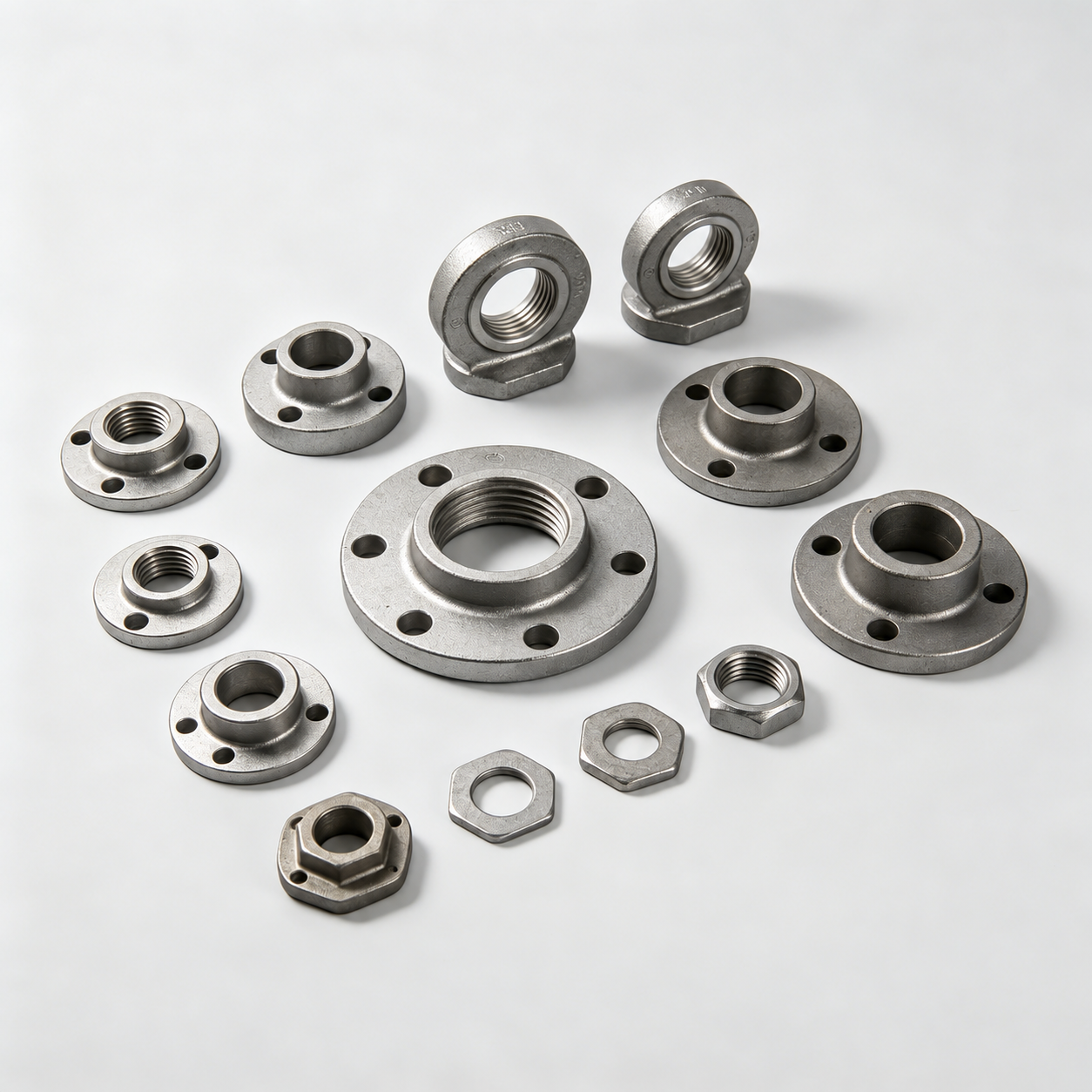
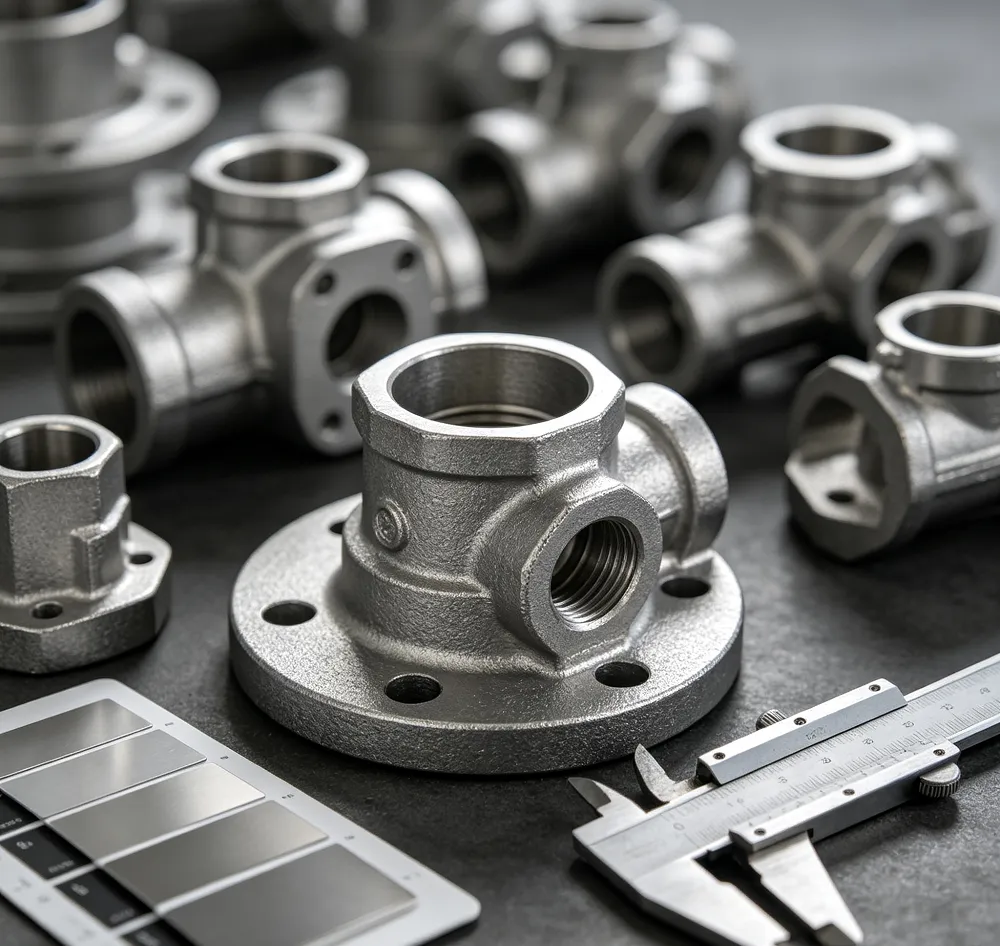
Custom stainless-steel investment casting is supported by OEM/ODM precision mold making and customized size and structural design. Cast iron and die-casting/CNC work are additional service directions, with the actual material and compatible casting route selected for the component. Processing support includes 5-axis milling and CNC lathe work.
Define the mold, structure and casting route
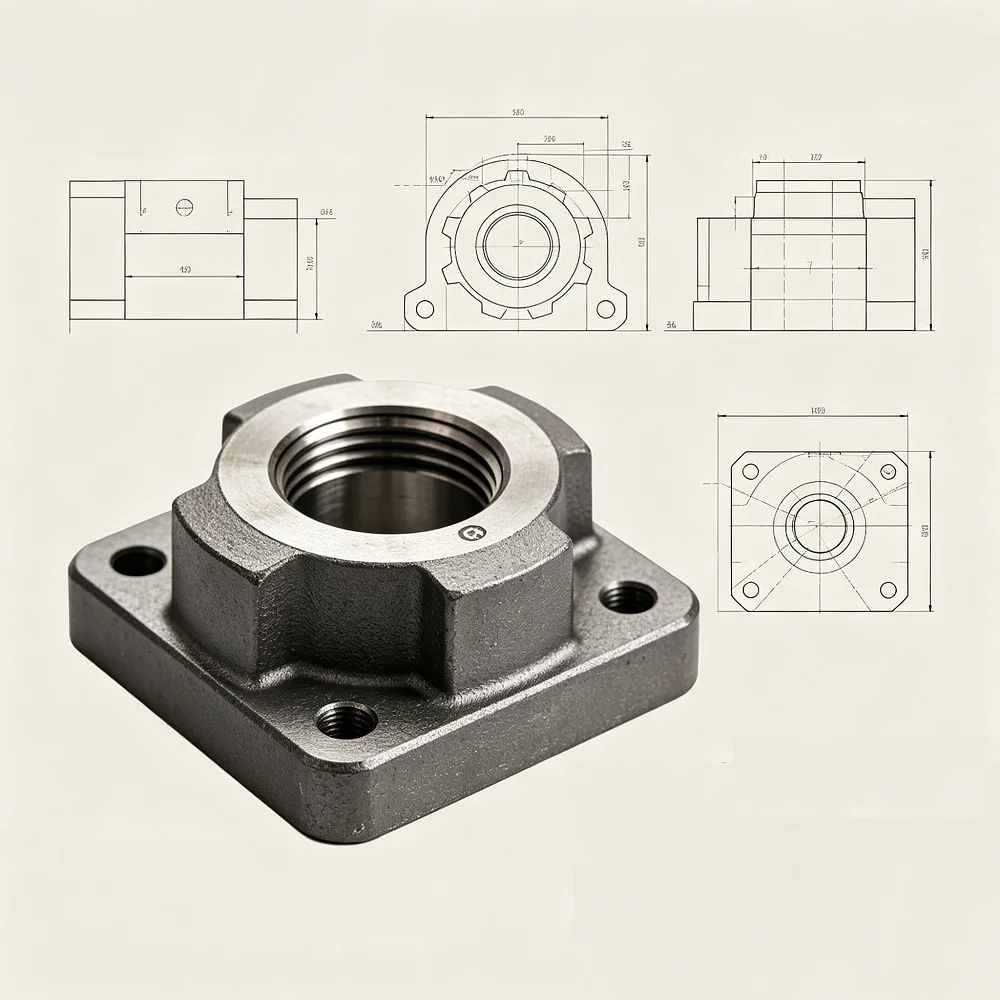
Choose the stainless-steel or cast-iron grade and describe the component's structural geometry. Agree the precision-mold scope and whether the actual request follows an investment- or die-casting route. Define the dimensions and interfaces needed by the part before assigning its machining and surface-treatment requirements.
Allocate 5-axis milling and CNC lathe work
Identify the areas requiring milling or lathe processing and the finished dimensions they must meet. Keep those machined requirements distinct from the cast geometry within the component definition. Sandblasting and acid washing are surface-treatment choices; specify their applicable areas and the desired surface condition for the selected material.
Coordinate prototype and production-stage inspection
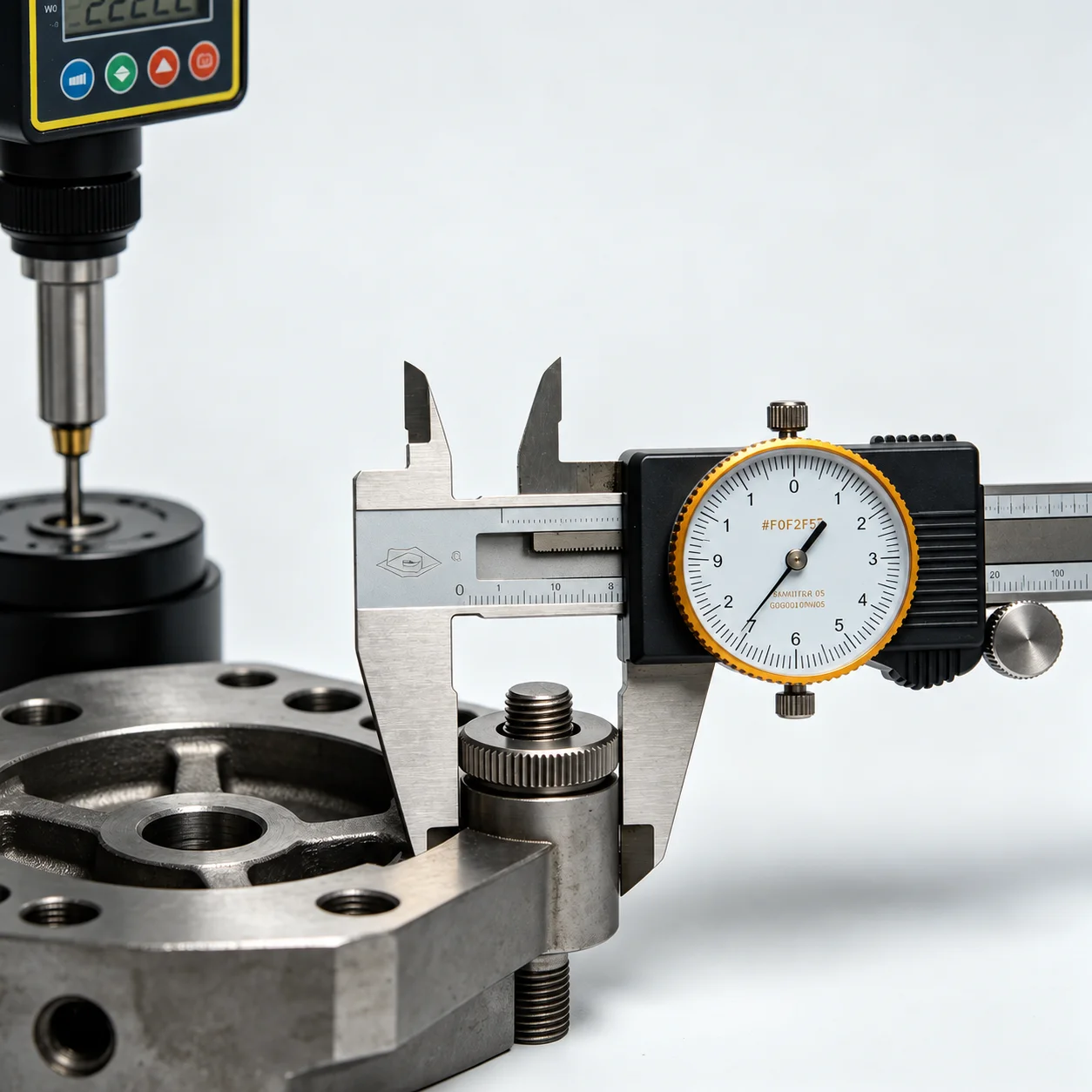
Support extends from prototype to mass production with strict full-process inspection. Define the stage-specific characteristics and acceptance criteria around the actual mold, casting, machining and treated surfaces. Automotive, electronics, home-hardware and mechanical applications provide component directions for that evaluation. Agree the required dimensions, finish result and inspection records for the selected use so prototype assessment and subsequent production refer to the same component requirements.








