
OEM/ODM Silica-Sol Lost-Wax Investment Castings | CT5–CT12, In-House CNC and PPAP Support
Let’s define your requirement
Send a product link, drawing or short brief. We’ll work through the details with you.
- Confirm the specificationGrade or model, size and intended use.
- Define your orderQuantity, finish or configuration, and samples.
- Agree the quotation scopeIncluded work, key checks and delivery needs.
-
Surface FinishAs Cast , Polished
-
Casting ProcessLost Wax Investment Casting, Silica Sol, Medium Temperature Wax
-
Precision GradeCT5--CT12, ±0.05--0.5 mm (By Size)CertificationISO9001, Material Traceability (COC), PPAP Supported
-
Surface FinishRa 1.6 - 3.2 Micro (As Cast), Electro-polishing ServiceHeat TreatmentQuenching & Tempering, Normalizing, Annealing
-
Testing ServiceCMM Inspection, Material Spectral Report, PT/MT/NDTSecondary ProcessCNC Machining In-House, Polishing, Assembly
-
Sample Lead TimeDFM Review 72 Hours, Samples 5--10 DaysTypical ApplicationPump Impeller, Valve Body, Marine Hardware, Food/Medical Parts
-
Supplier TypeOEM/ODM Custom Manufacturing Factory with Design Support
Custom silica-sol lost-wax investment casting uses medium-temperature wax, with OEM/ODM manufacturing and design support. Secondary services include in-house CNC machining, polishing and assembly. Define the actual component material and geometry before selecting its size-dependent precision, heat treatment and surface acceptance for the intended application.
Match precision to size and finished surfaces
Precision scope is CT5–CT12 and ±0.05–0.5mm by size. Identify the relevant dimensions and required finished condition when agreeing the component's tolerance plan. As-cast roughness is referenced as Ra1.6–3.2 Micro, with its unit and measurement basis to confirm; connect that review to the actual surfaces and any subsequent CNC operations.
Coordinate heat treatment and polishing
Heat-treatment choices include quenching and tempering, normalizing and annealing. Select the applicable condition against the actual material and component duty, then agree the relationship to machining and assembly. Electro-polishing and polishing services can be reviewed for the required final surface, with acceptance defined for the selected geometry and treatment.
Build the inspection and traceability plan
Testing scope includes CMM inspection, material spectral reports and PT/MT/NDT. Agree the applicable methods and acceptance criteria alongside the material and finished dimensions. Review the ISO9001 certificate scope, material traceability/COC and required PPAP support together, so that the documentation and inspection plan address the actual component being developed.
Use design support for the intended application
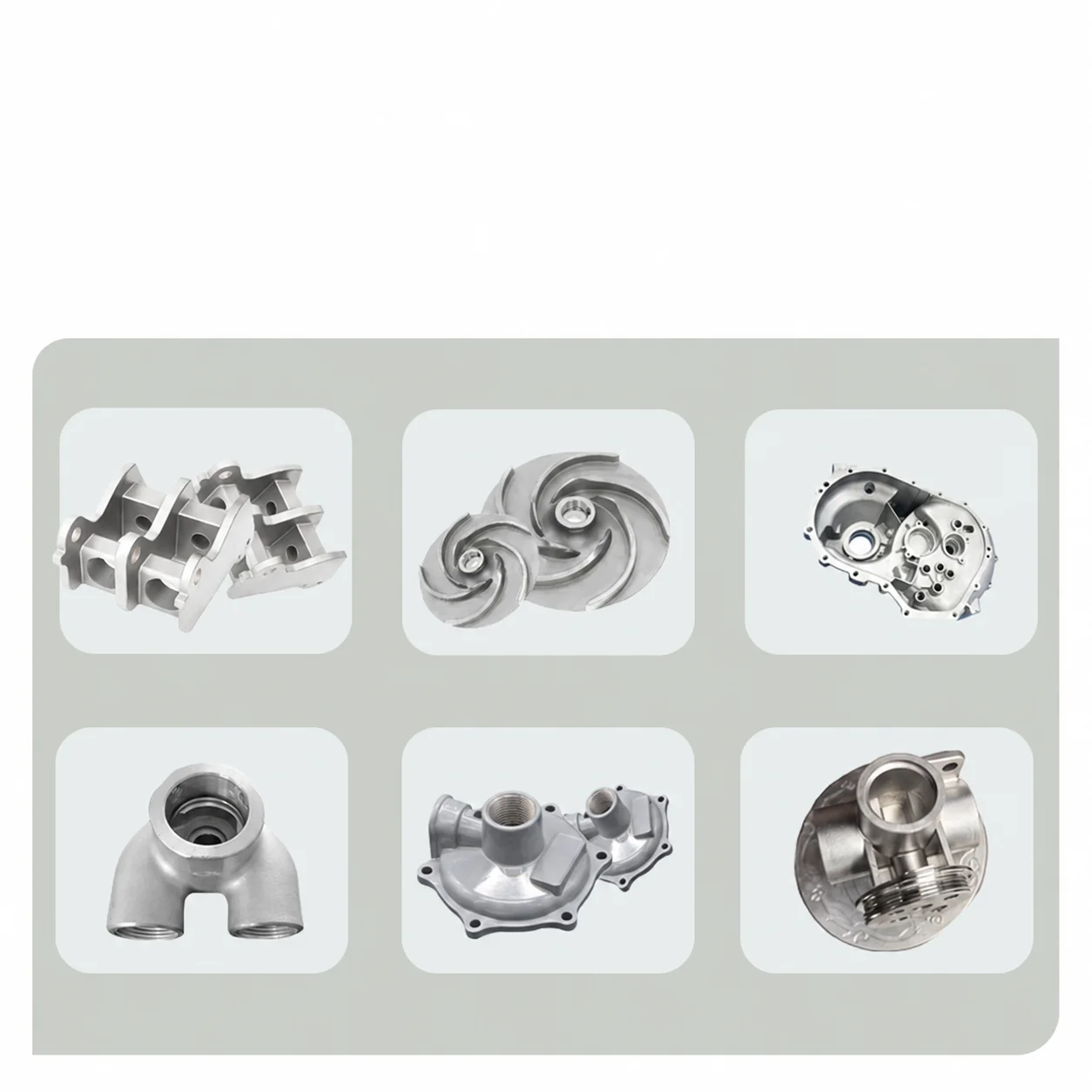
Application enquiries include pump impellers, valve bodies, marine hardware and food or medical parts. Identify the particular service conditions and finished-part requirements for that use, then bring them into design and DFM review. Confirm the selected material, size-dependent tolerances, treatment and accepted inspection result before approving the custom casting and its secondary processes.








