
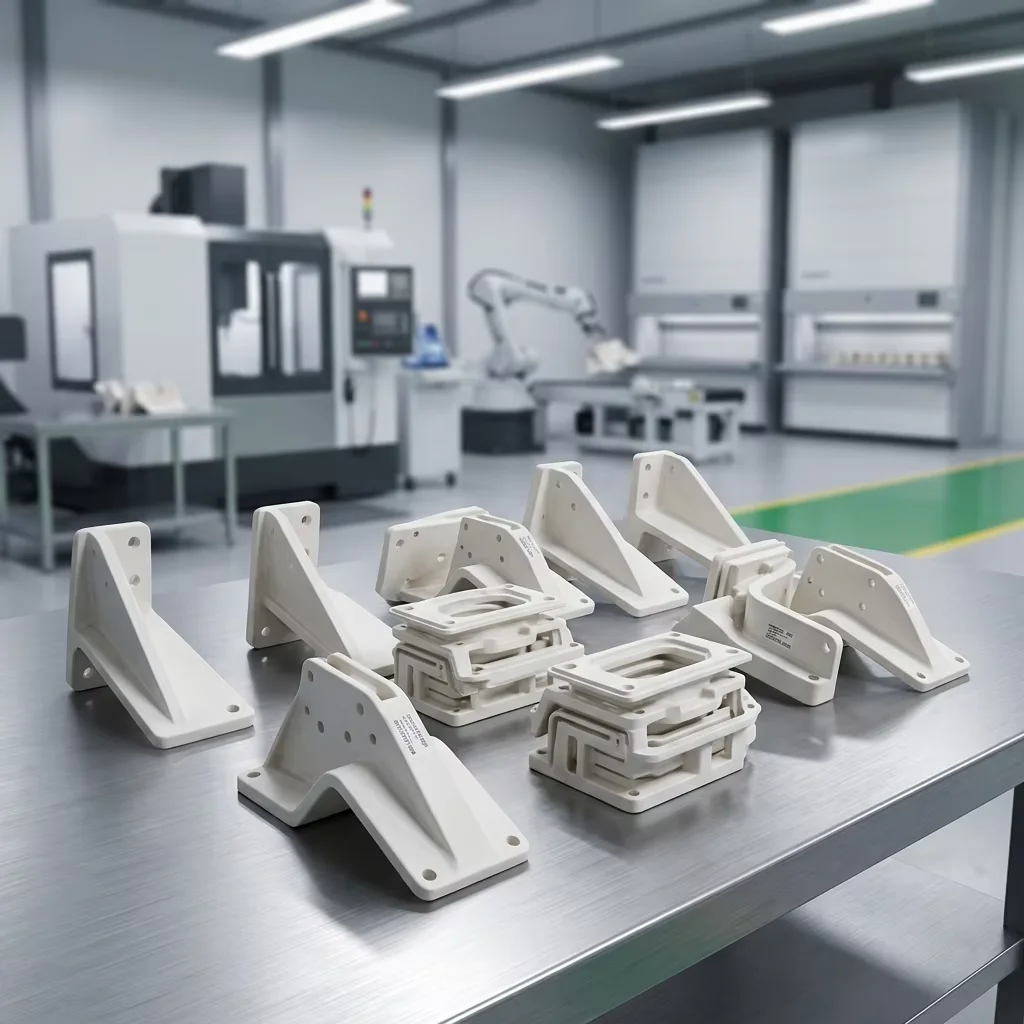
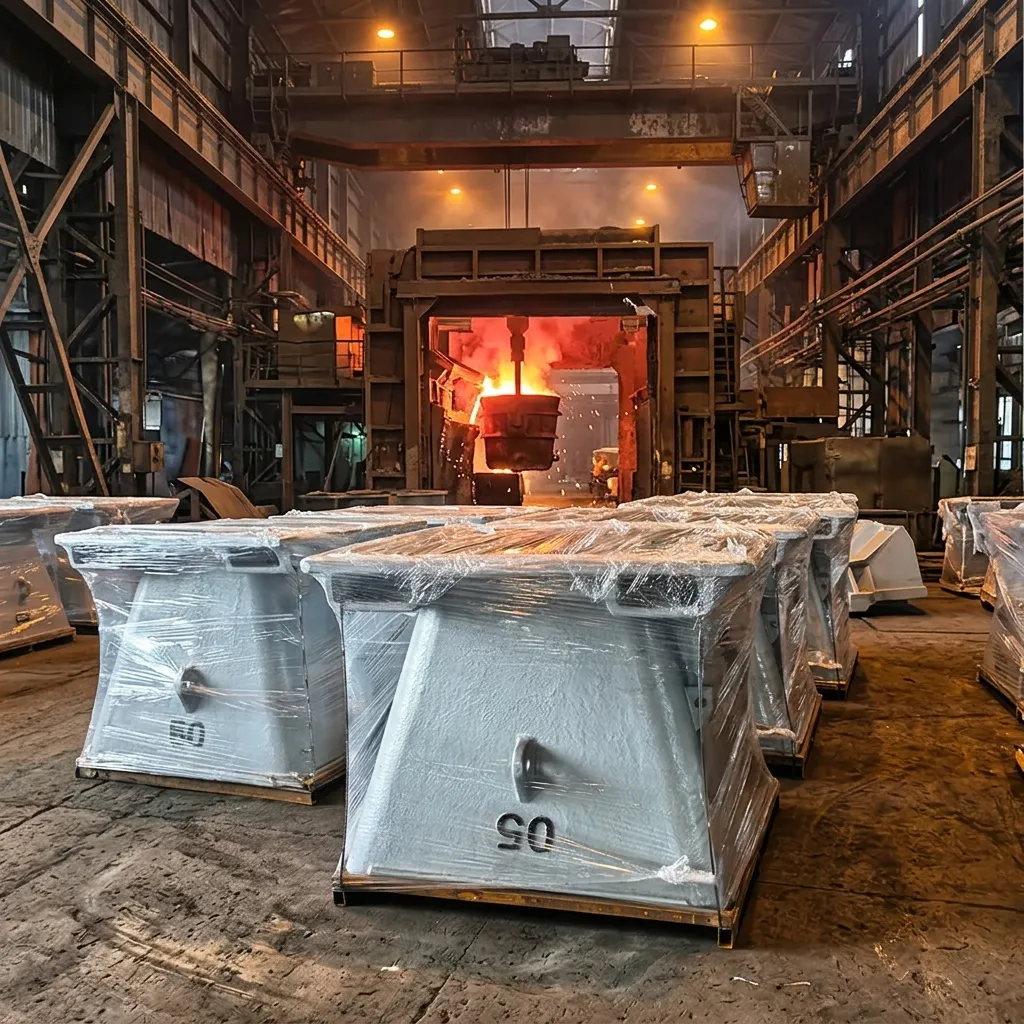
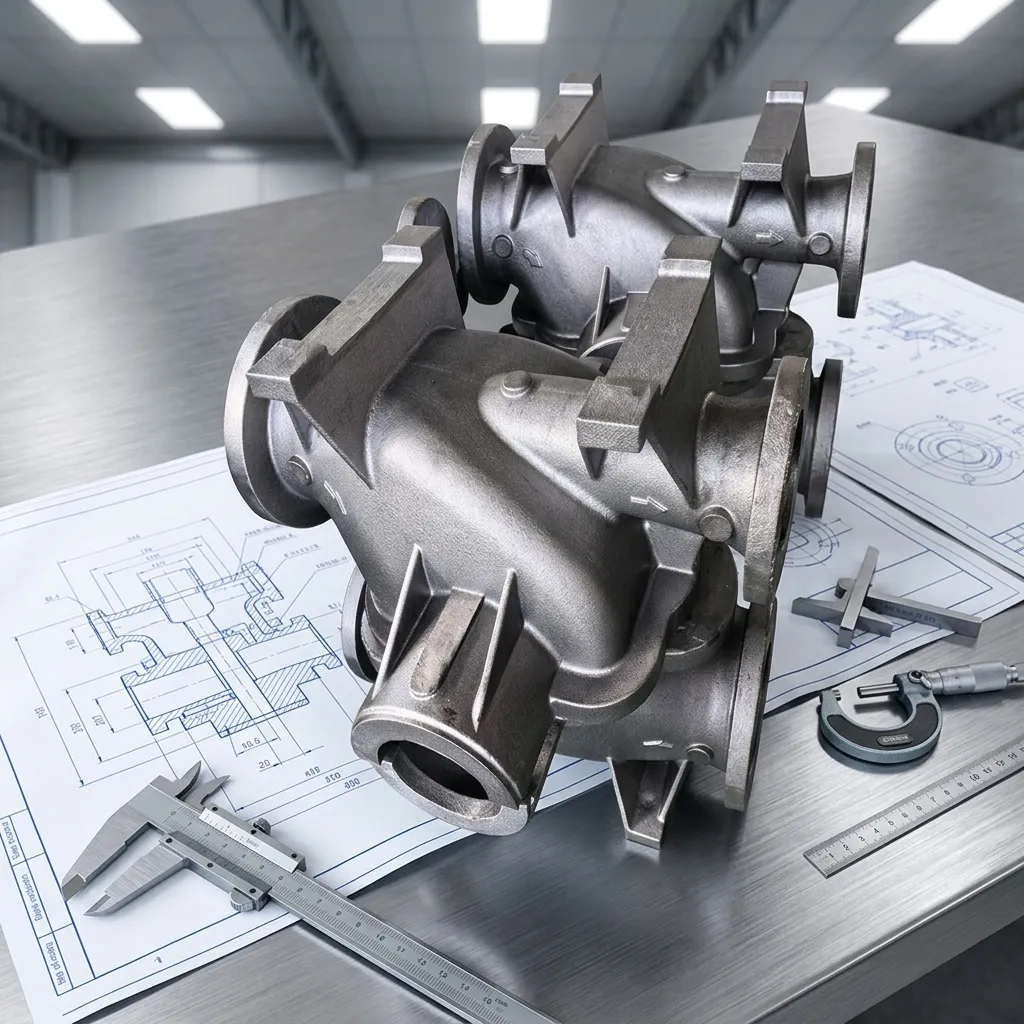
OEM/ODM Precision Lost Wax Investment Casting with Custom Thickness and Color for Metal Parts
Let’s define your requirement
Send a product link, drawing or short brief. We’ll work through the details with you.
- Confirm the specificationGrade or model, size and intended use.
- Define your orderQuantity, finish or configuration, and samples.
- Agree the quotation scopeIncluded work, key checks and delivery needs.
-
Surface FinishPowder Coated , Sandblasted
-
Product nameOEM high quality precision lost wax investment casting
-
ThicknesscuatomizedMaterialsZinc, aluminum, copper, steel, powder coating, etc.
-
Surface treatmentElectric plating,powder coated,sand blasting,lacquerProcessPunching, stamping, bending, riveting, etc.
-
TestingTestingOEM/ODMAccept
-
ColorCustom AcceptedDrawing format2D/3D/CAD/DWG//STEP/PDF/IGS
OEM and ODM custom metal-part enquiries include lost wax investment casting, with zinc, aluminum, copper and steel material choices. Thickness and color can be customized for the selected component. Define the part geometry and intended duty before choosing the manufacturing route, finished dimensions and surface condition.
Link thickness and geometry to the selected route
Specify the required material grade and thickness in the component drawing. Broader process options include punching, stamping, bending and riveting, to be selected for the actual metal and geometry. Agree which operations are required for the part and how they relate to the casting enquiry, keeping the finished dimensions and assembly interfaces defined for that route.
Use the drawing to define dimensions and color
Drawing inputs cover 2D and 3D information in CAD, DWG, STEP, PDF and IGS formats. Identify the critical dimensions, measurable precision requirements and any interfaces that determine the component fit. State the requested color and appearance alongside the selected surface treatment so that design and finish acceptance refer to the same custom configuration.
Agree the surface sequence and testing criteria
Surface choices are electroplating, powder coating, sand blasting and lacquer. Choose a compatible treatment for the actual metal and identify the faces to receive it, including any final dimensional requirements after treatment. Specify the testing method, checked features, acceptance limits and records needed for the chosen manufacturing route. Those requirements should cover the finished thickness, geometry and surface result being approved for the OEM or ODM component.








