
OEM/ODM Nonstandard 304/316 Stainless-Steel Precision Cast Medical-Instrument/Auto Parts | Shot Blasting/Machining
Let’s define your requirement
Send a product link, drawing or short brief. We’ll work through the details with you.
- Confirm the specificationGrade or model, size and intended use.
- Define your orderQuantity, finish or configuration, and samples.
- Agree the quotation scopeIncluded work, key checks and delivery needs.
-
Surface FinishShot BlastedAlloy Grade316 , 304
-
Sizecustomized
-
Surface Treatmentshot blastingMaterialsSS
-
Product namestainless steel castingMaterial304/316
-
ApplicationAuto PartsDimensionsCustomer Required
-
CharacteristicHigh Hardness Excellent Wear ResistantTypeMachining Services
-
SpecificationCustom-madeSurface treatmentCustomers' Demand
-
CertificationIATF 16949ServiceOEM ODM Customised
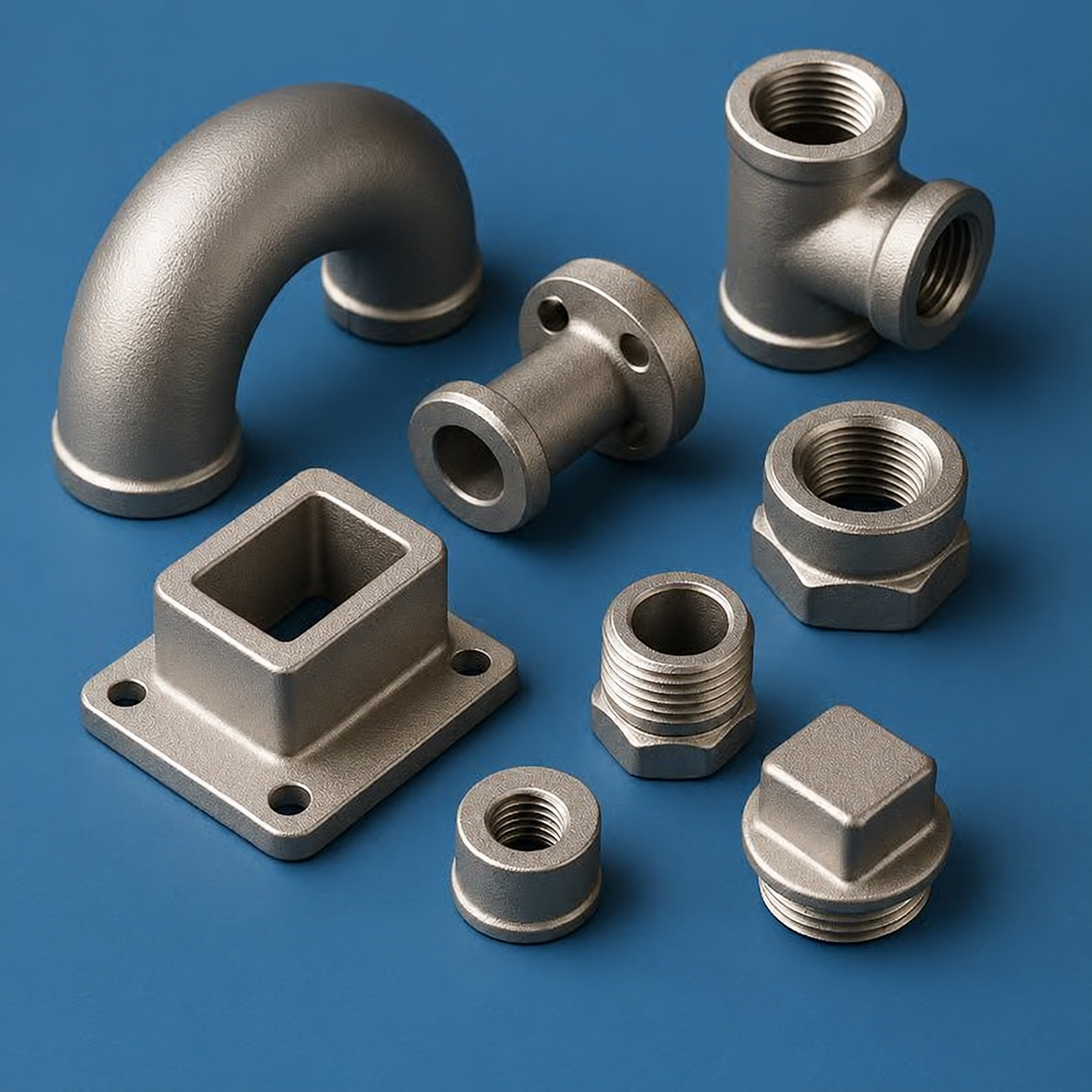
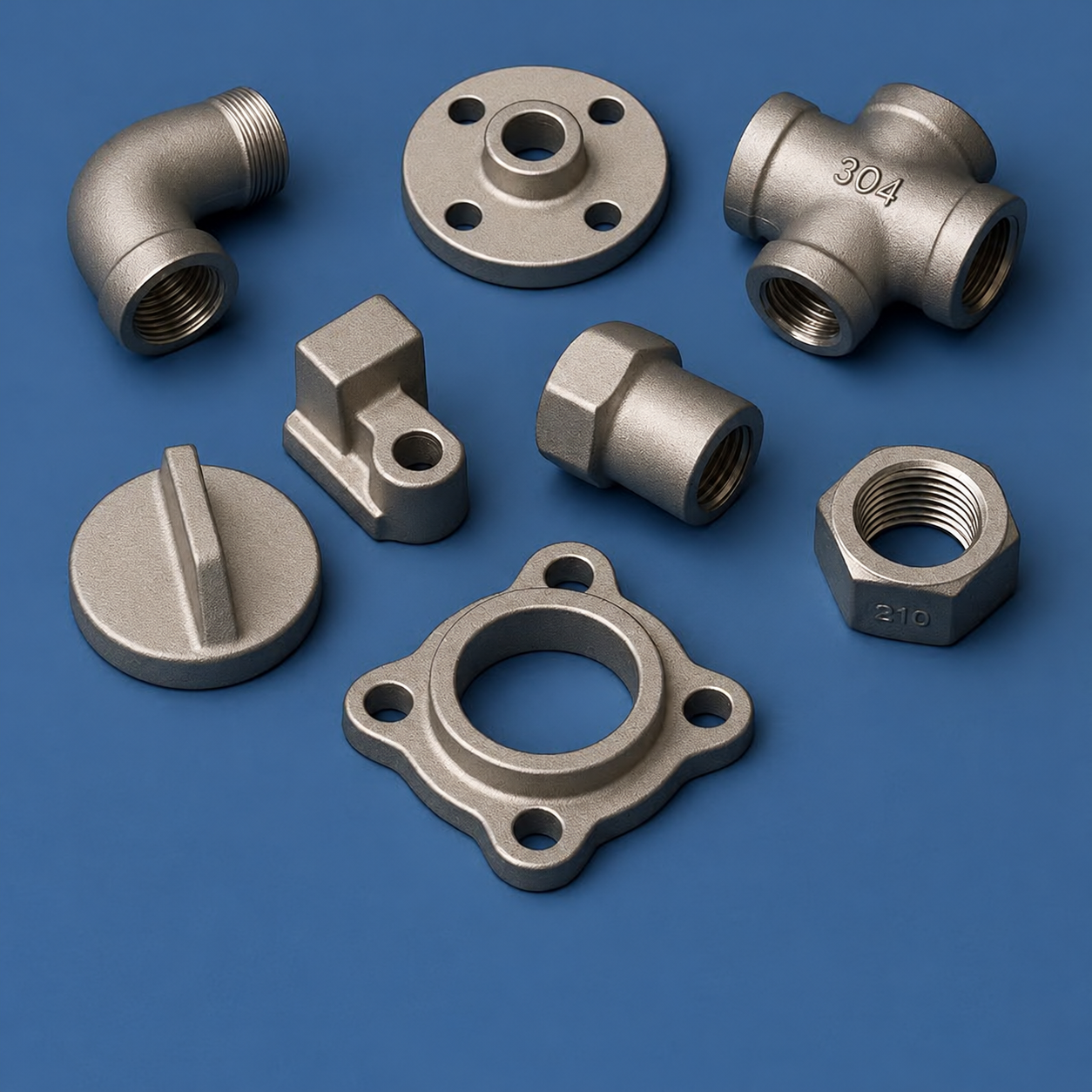
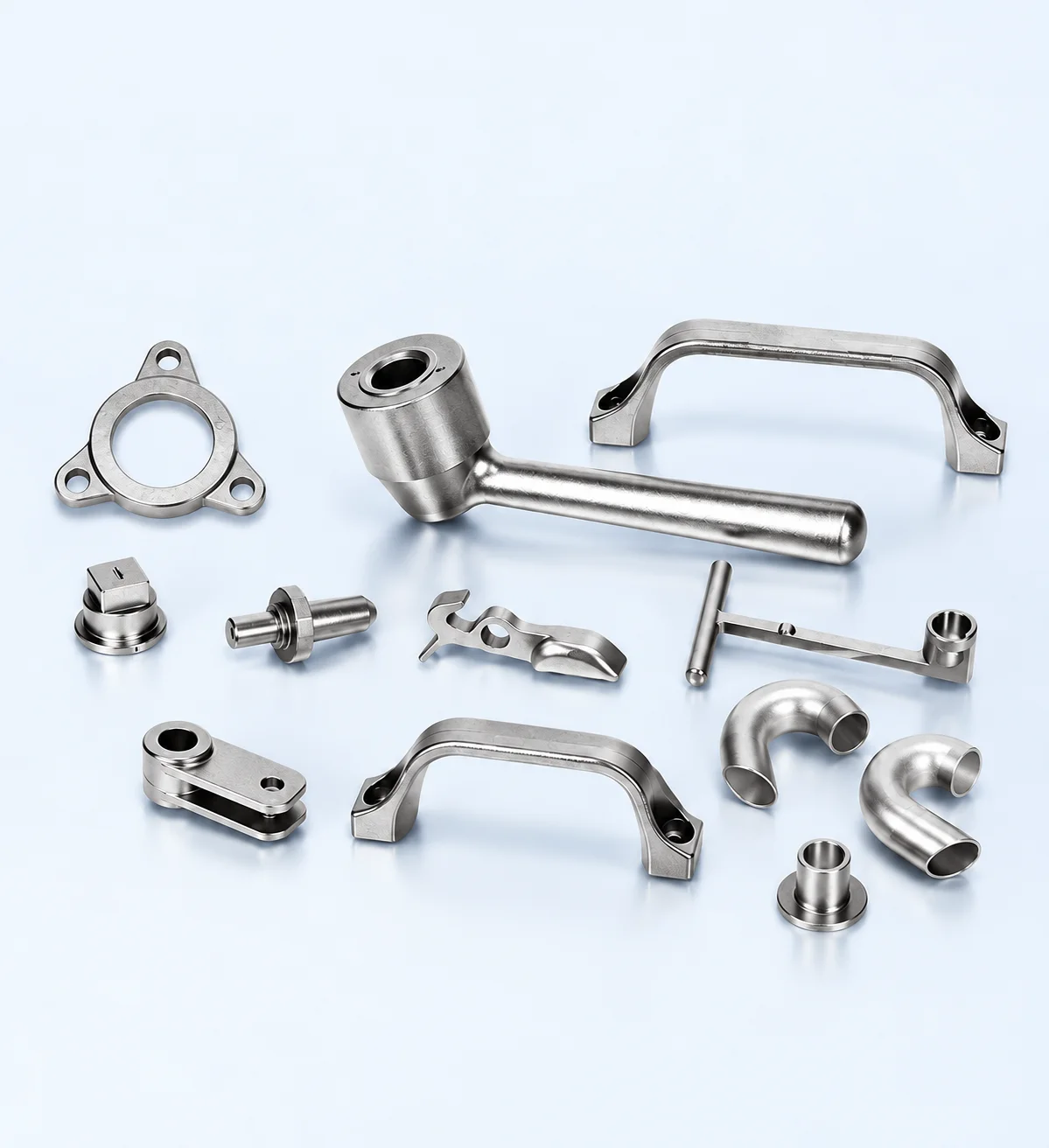
Custom 304 and 316 stainless-steel precision casting has medical-instrument-part and automotive-part directions. OEM/ODM service supports nonstandard size, dimensions and surface requirements, with shot blasting and machining available for the selected work. High hardness and wear resistance are product characteristics to relate to the actual grade and supplied condition.
Select the actual component and stainless grade
Define the medical-instrument or automotive component being requested and select 304 or 316 for that work. Identify its geometry, custom dimensions and intended conditions of use. Keep the part definition and material condition together when setting the precision-casting scope, so that the manufacturing request addresses the actual component rather than a broad application category.
Scope machining and the shot-blasted areas
Identify the dimensions or areas requiring machining and those requiring shot blasting. Describe the requested finished condition for the actual stainless-steel component and agree how the selected surface treatment applies. Relate the machined dimensions and shot-blasted surfaces to the geometry and supplied condition that will be used for acceptance.
Define property and use-specific acceptance
Agree the hardness and wear requirements relevant to the chosen grade, condition and intended use. Establish the dimensional and surface inspection criteria for the actual part alongside those material requirements. Medical-instrument or automotive work should define the component qualification scope needed for that request. Review these criteria with the custom geometry, machining and surface condition kept explicit.








