
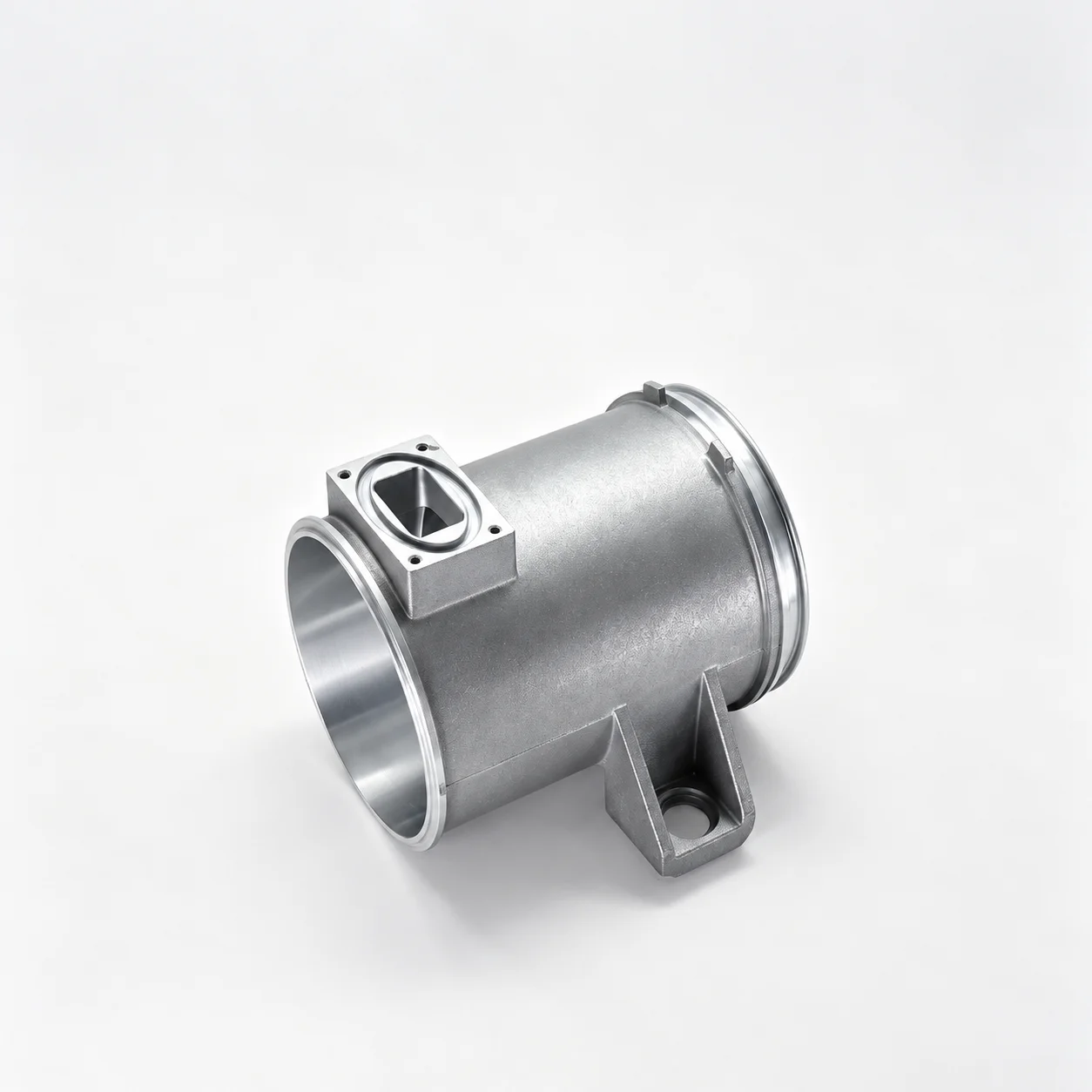
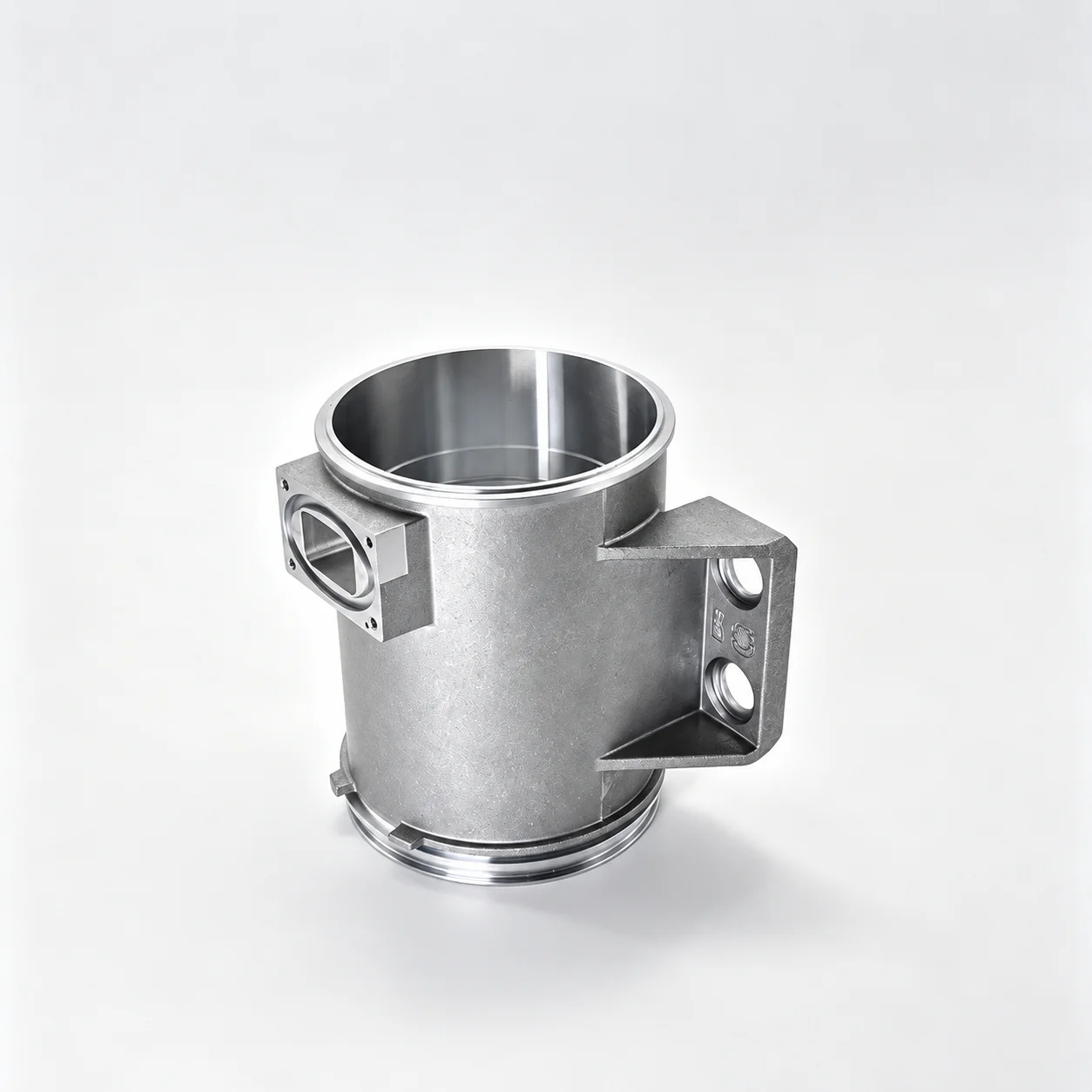
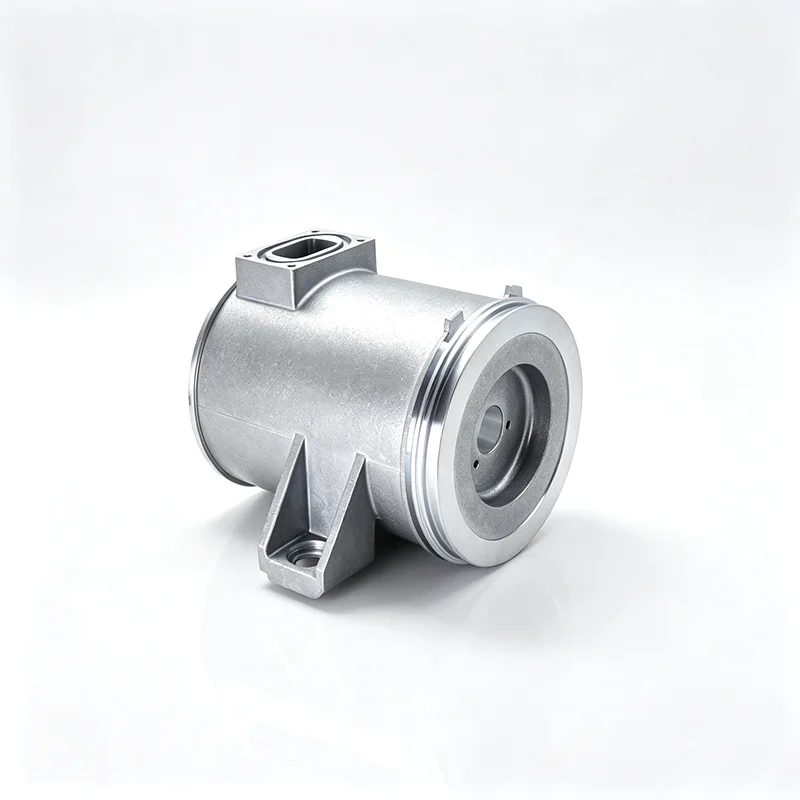
OEM/ODM Iron/Steel/Aluminum Precision Die/Sand/Investment Casting Parts | 3/4/5-Axis Micro CNC Drilling/Milling
Let’s define your requirement
Send a product link, drawing or short brief. We’ll work through the details with you.
- Confirm the specificationGrade or model, size and intended use.
- Define your orderQuantity, finish or configuration, and samples.
- Agree the quotation scopeIncluded work, key checks and delivery needs.
-
Surface FinishPowder Coated , Polished
-
CNC Machining or NotCNC MachiningTypeMilling
-
Material CapabilitiesAluminum, Brass, Copper, Stainless Steel, Steel AlloysMicro Machining or NotMicro Machining
-
Surface treatmentPainting\Powder Coating\Plating\PolishingEquipment3/4/5 Axis CNC Machining Center
-
Tolerance±0.005mm-±0.02mmServiceOEM ODM CNC Drilling Milling Machining Service
-
ApplicationMedical Device,part,Manufacture,Electrical application,DroneProcessing MethodCustom According to Provided CAD Drawings
Custom iron, steel and aluminum component directions include die, sand and investment casting. OEM/ODM work also provides CNC drilling and milling, micro-machining and 3/4/5-axis machining-center capability. Define the actual material and casting route for the part, with machining requirements developed around its geometry and controlled dimensions.
Use the CAD geometry to define manufacturing
Work follows provided CAD drawings for the custom component. Select the actual grade and determine which geometry is produced by casting and which dimensions require CNC drilling or milling. Machining material directions include aluminum, brass, copper, stainless steel and steel alloys. Agree the suitable material and operation scope for the selected part rather than applying every casting route to every material.
Scope the machining precision and surface work
Machining tolerance references run from ±0.005mm to ±0.02mm. Identify the features and operations to which the required tolerance applies, including any micro-machining and 3/4/5-axis work. Painting, powder coating, plating and polishing are surface choices. Define the finish and treated areas with the controlled dimensions so that acceptance follows the finished condition of the actual component.
Connect use requirements with component acceptance
Application directions include medical-device, manufacturing, electrical and drone components. Define the intended use of the particular part and the inspection or qualification criteria it requires. Review those criteria alongside the selected material, CAD geometry, casting scope, CNC operations and surface treatment, so that the OEM/ODM request addresses the actual component and its dimensional and use-specific acceptance.








