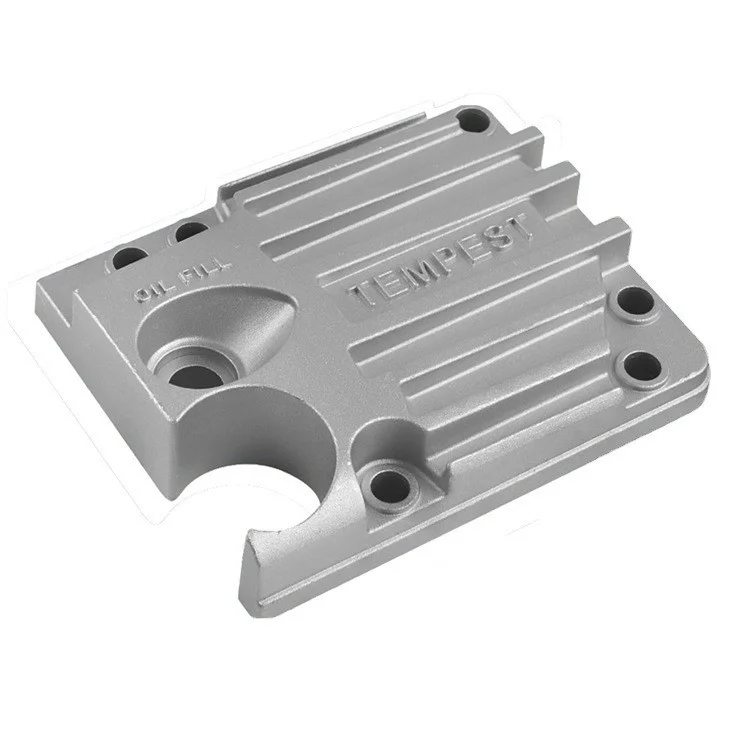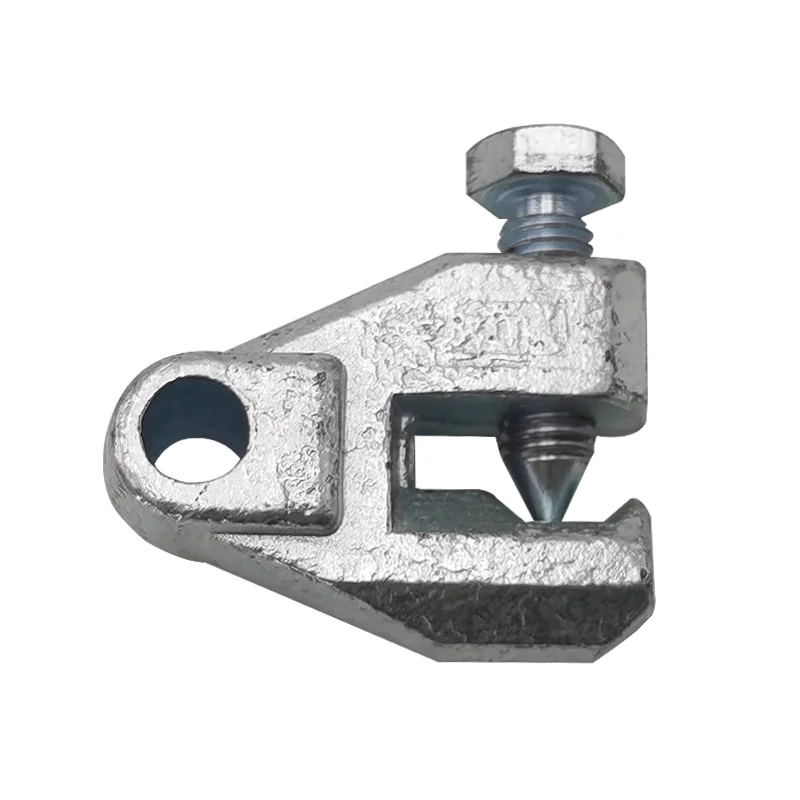
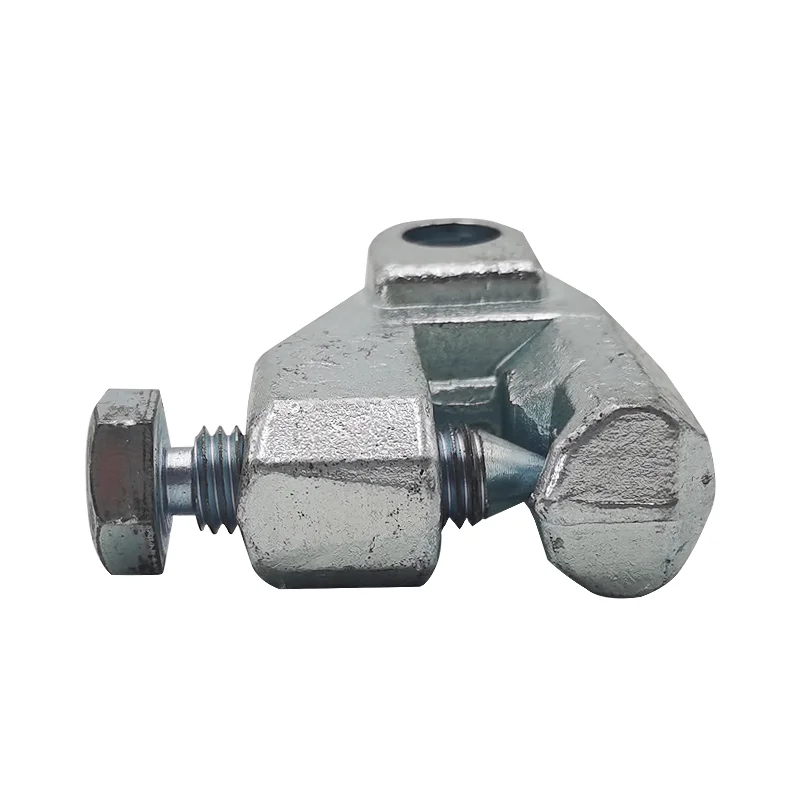
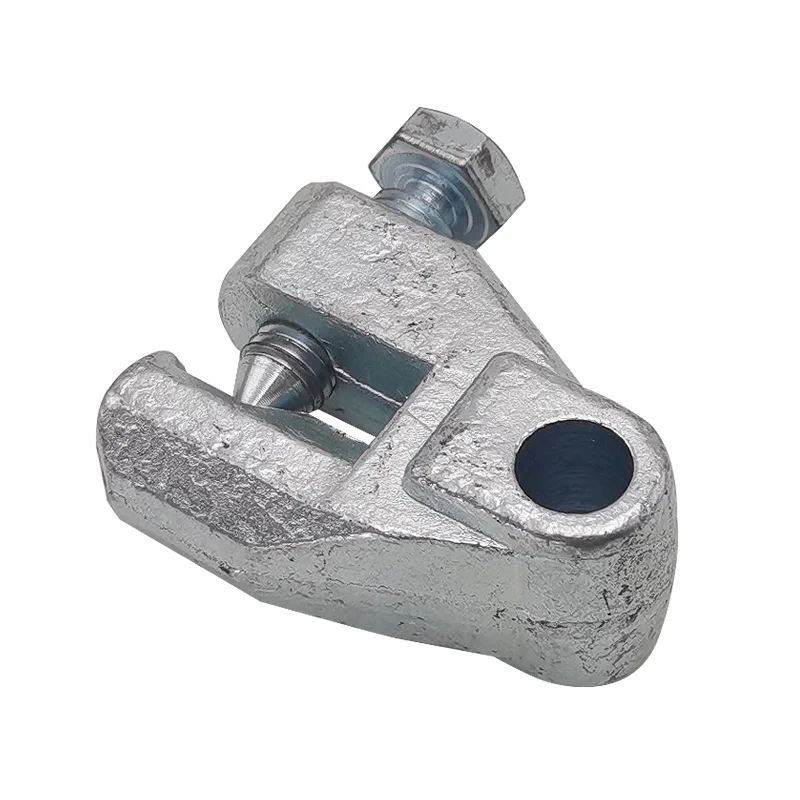
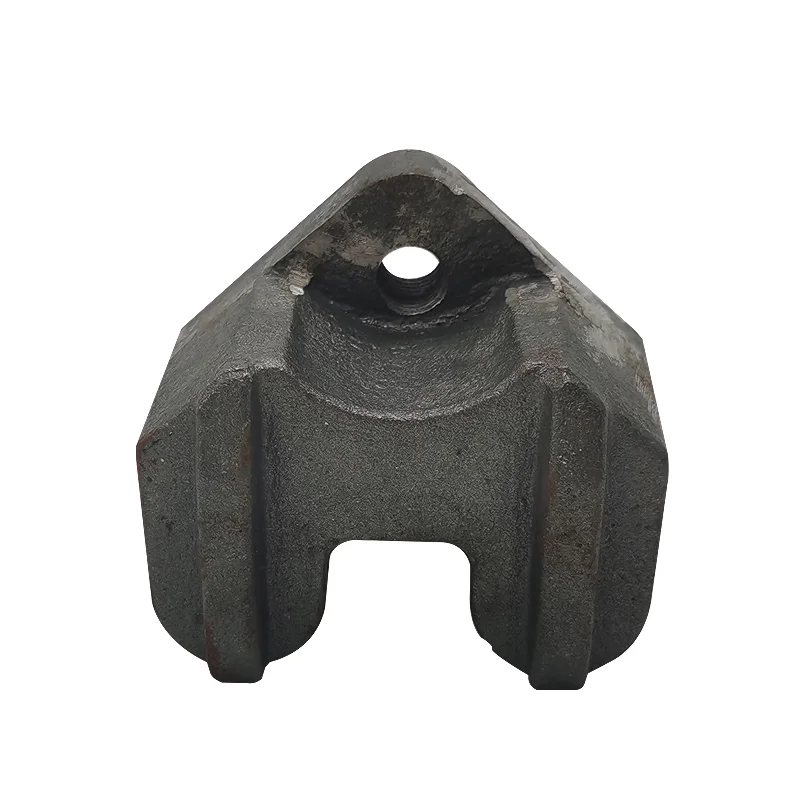
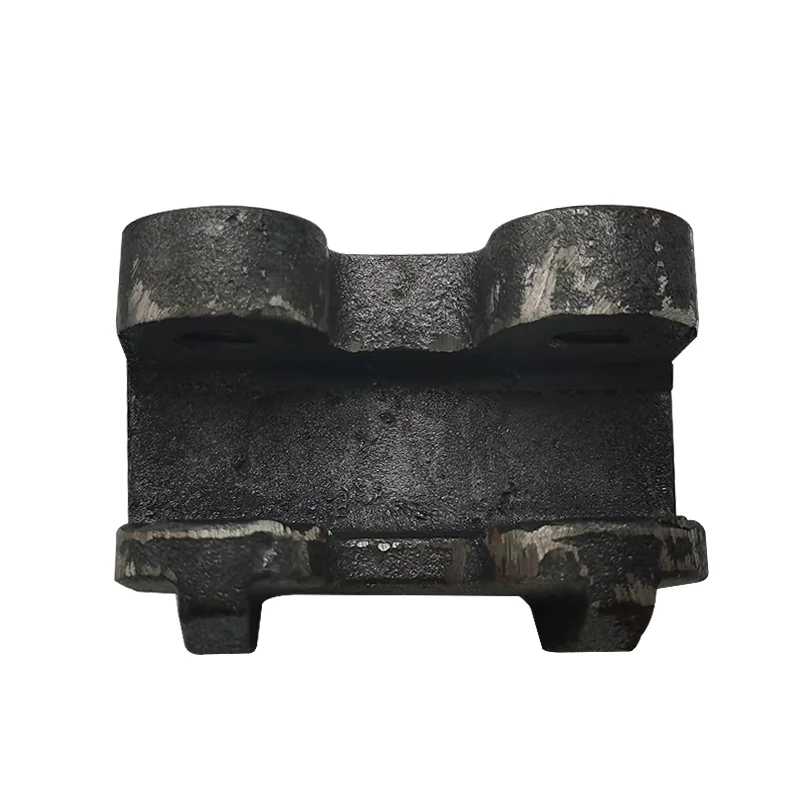
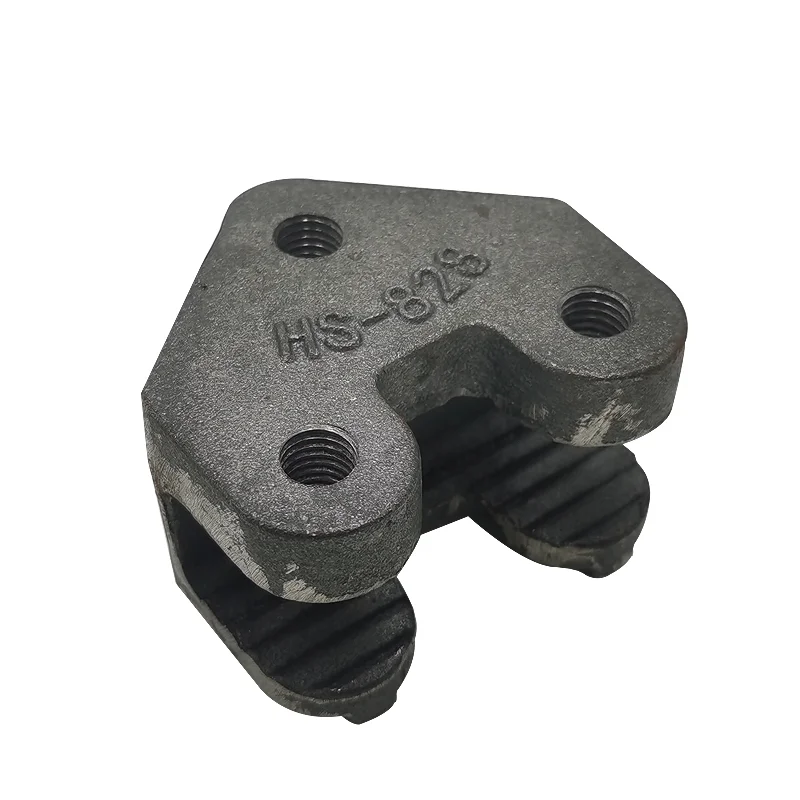
OEM/ODM Grey/Ductile-Iron Investment & Aluminum Die Castings | Mold Making, Deburring & Finishing
Let’s define your requirement
Send a product link, drawing or short brief. We’ll work through the details with you.
- Confirm the specificationGrade or model, size and intended use.
- Define your orderQuantity, finish or configuration, and samples.
- Agree the quotation scopeIncluded work, key checks and delivery needs.
-
Surface FinishPainted , Powder Coated
-
MaterialAluminum
-
ApplicationIndustryDimensionsCustomer Required
-
Surface treatmentPaint/Powder coating/oxidation etcMold makingBy ourself
-
ProcessDie Casting-deburring- MachineryServiceOEM ODM
-
FeatureEco FriendlyQuality ControlProfessional Inspection
-
PackingCarton
Industrial custom-casting services cover grey or ductile-iron investment-casting directions and aluminum die-casting directions. OEM/ODM support includes mold making and dimensions defined by customer requirements. Select the actual material and compatible casting route for the component before assigning its tooling, processing and surface-treatment requirements.
Define the iron or aluminum component and mold
Specify whether the request concerns a grey/ductile-iron part or an aluminum part, then identify the actual grade and geometry. Agree the mold-making scope around that selected route and component definition. This keeps the investment-casting and die-casting directions distinct while giving the custom-size request a clear starting point.
Coordinate deburring with the requested surface
Deburring and mechanical processing are processing directions associated with the custom casting service. Identify the areas requiring that work and the dimensions they must satisfy after processing. Surface-treatment choices include painting, powder coating and oxidation, with the applicable treatment selected for the actual material.
- Define the cast geometry and required dimensions.
- Identify deburred or mechanically processed areas.
- Specify the chosen finish and its intended surface result.
Agree professional inspection of the industrial part
Professional inspection supports evaluation of the finished custom component. Define dimensional and surface acceptance criteria that reflect the selected material, casting route and treatment. For an OEM/ODM request, those criteria connect the mold and processing scope with the industrial part that needs to be accepted.