
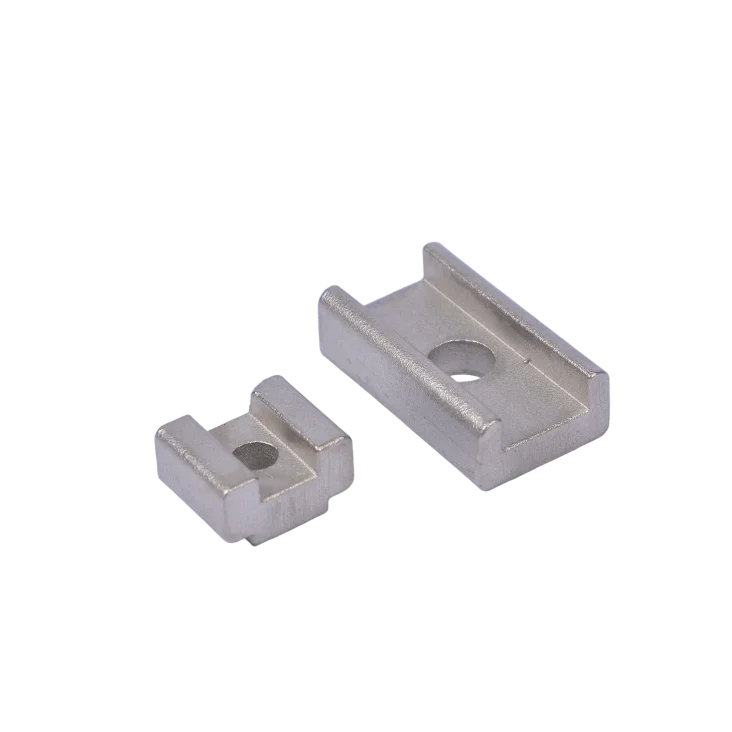
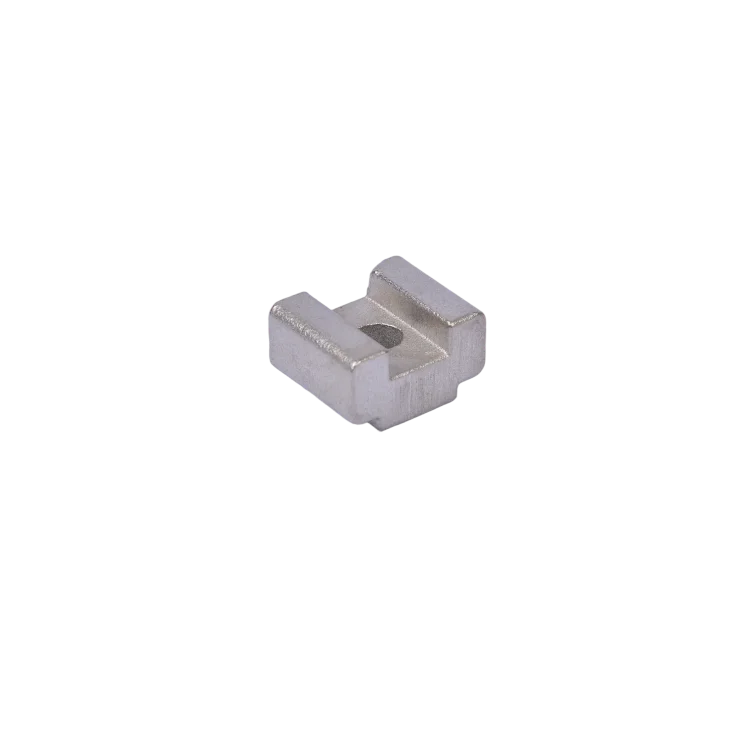
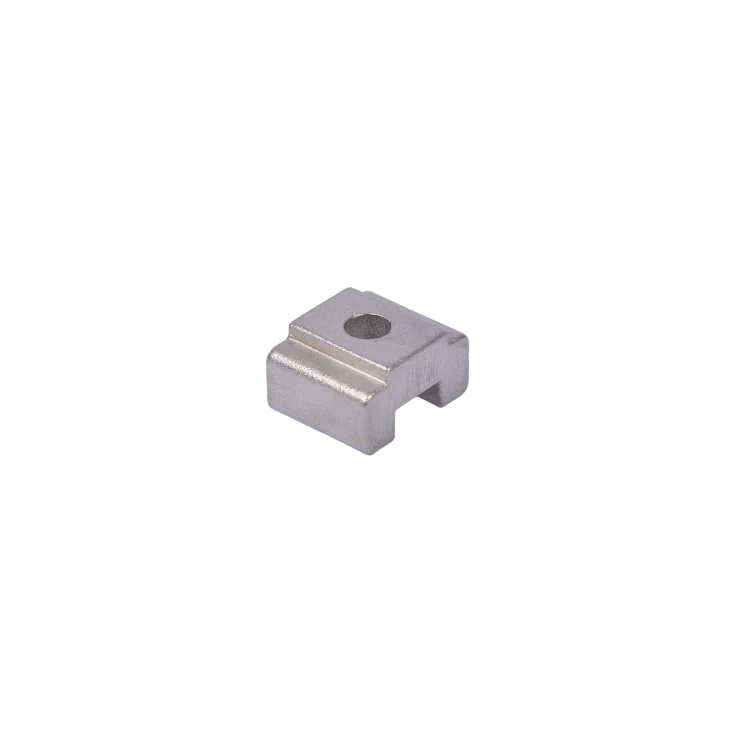
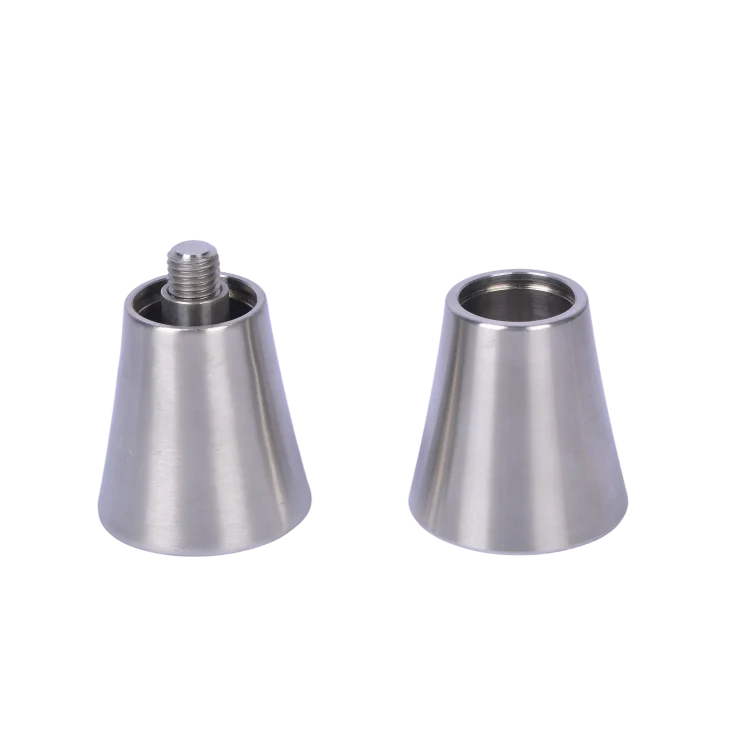
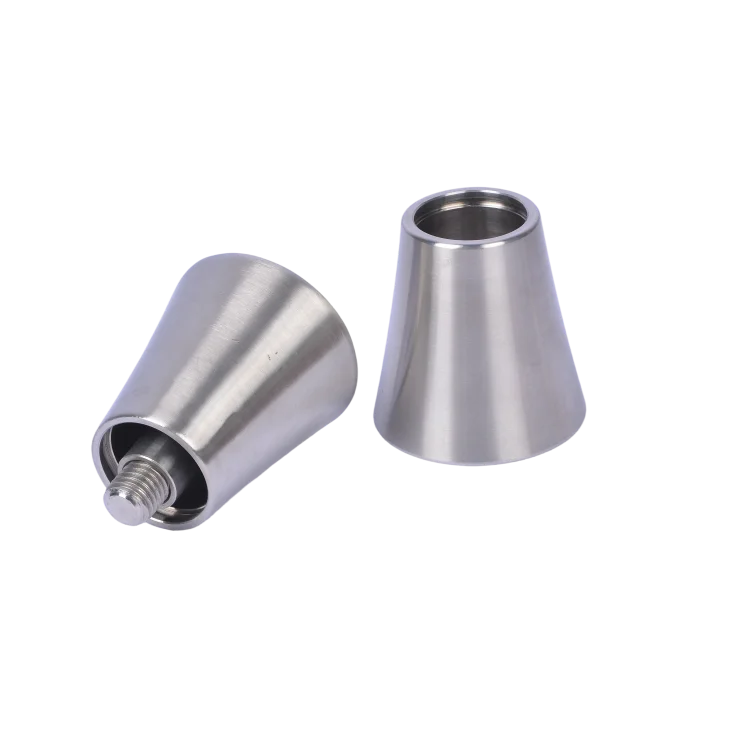
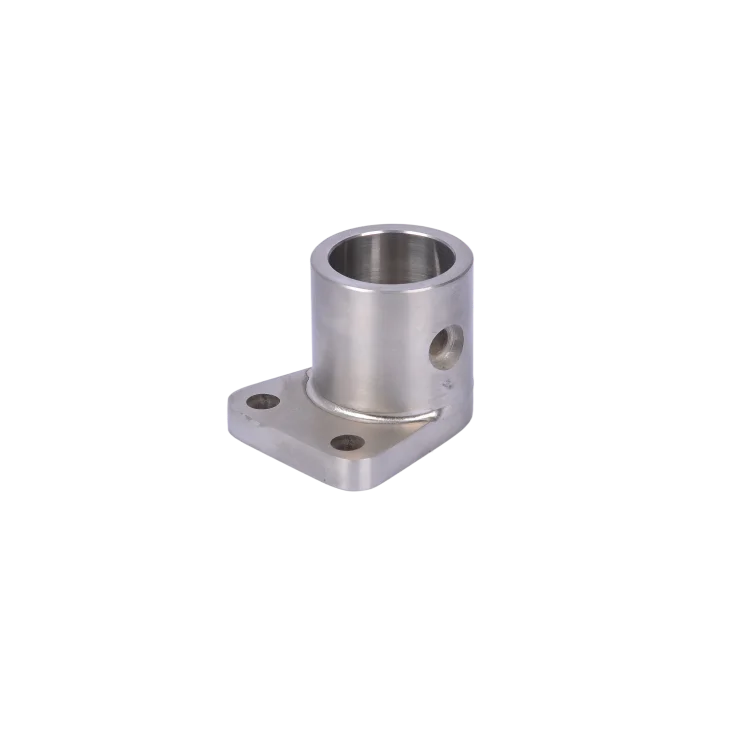
OEM/ODM Custom-Size 316 Stainless-Steel Precision Lost-Wax Investment-Cast Parts | Polishing/Grinding
Let’s define your requirement
Send a product link, drawing or short brief. We’ll work through the details with you.
- Confirm the specificationGrade or model, size and intended use.
- Define your orderQuantity, finish or configuration, and samples.
- Agree the quotation scopeIncluded work, key checks and delivery needs.
-
Surface FinishPolished
-
Product nameCustom Casting Parts
-
MaterialStainless Steel,alloy steel,carbon steelSurface treatmentpolishing and grinding
-
ServiceOEM ODM CustomisedPackingPoly Bag + Inner Box + Carton
-
ApplicationWidely UsedSizeCustomized Size
OEM/ODM custom casting includes 316 stainless-steel lost-wax investment-cast parts, with stainless, alloy-steel and carbon-steel material directions. Size can be customized for the actual component. Polishing and grinding provide the surface-work scope, with the chosen material, geometry and finished condition defining the request.
Specify the material and custom geometry
Select 316 stainless steel or the actual grade required from the other material directions. Define the component shape, intended use and dimensions for the custom-size request. Keep that material and geometry definition together when discussing the casting work, so that the OEM/ODM requirements describe the part to be supplied.
Identify the polished and ground surfaces
Polishing and grinding should be related to the areas that require those operations on the actual casting. Describe the finished condition needed for each selected area and its relationship to the component dimensions. Agree the expected surface appearance and dimensional acceptance for that condition, rather than leaving the surface-work requirement as a general treatment name.
Agree acceptance for the supplied part
Use the component definition to establish the custom-size and surface criteria that matter to the intended application. Identify the checks needed for the chosen material, dimensions and polished or ground areas. Agree the part-specific inspection requirement with those criteria, so that acceptance addresses the finished OEM/ODM casting and the actual use for which it has been requested.








