OEM/ODM Custom Precision Investment Casting | Aluminum/Zinc-Alloy & Plastic Directions, Deburring/Drilling/Threading
Let’s define your requirement
Send a product link, drawing or short brief. We’ll work through the details with you.
- Confirm the specificationGrade or model, size and intended use.
- Define your orderQuantity, finish or configuration, and samples.
- Agree the quotation scopeIncluded work, key checks and delivery needs.
-
MaterialAluminum Alloy/Zinc Alloy/Alloy/plasticProcessCasting. Deburring .Drilling .threading
-
ServiceOEM\ODMDimensionsCustomized Dimension
-
Surface treatmentCustomizedMOQ100 Pieces
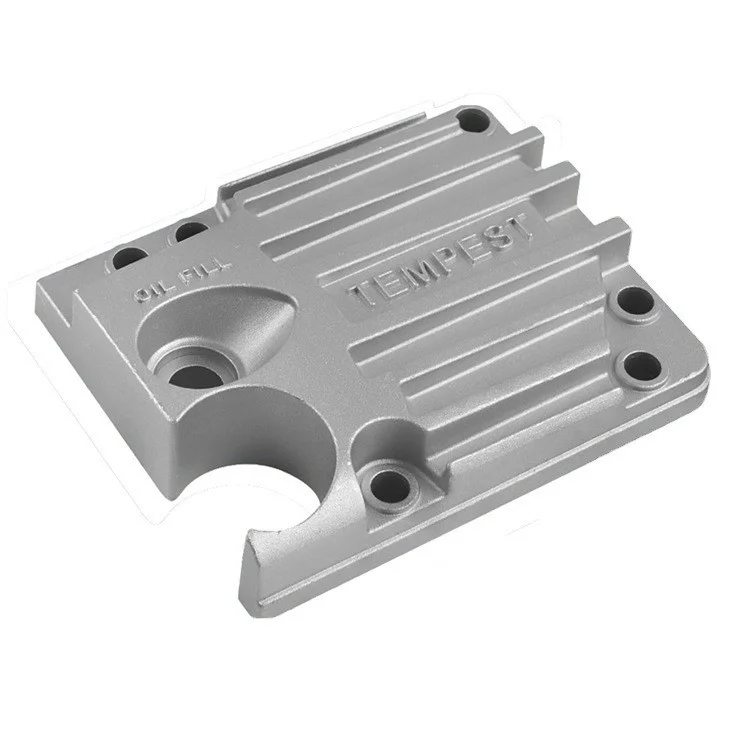
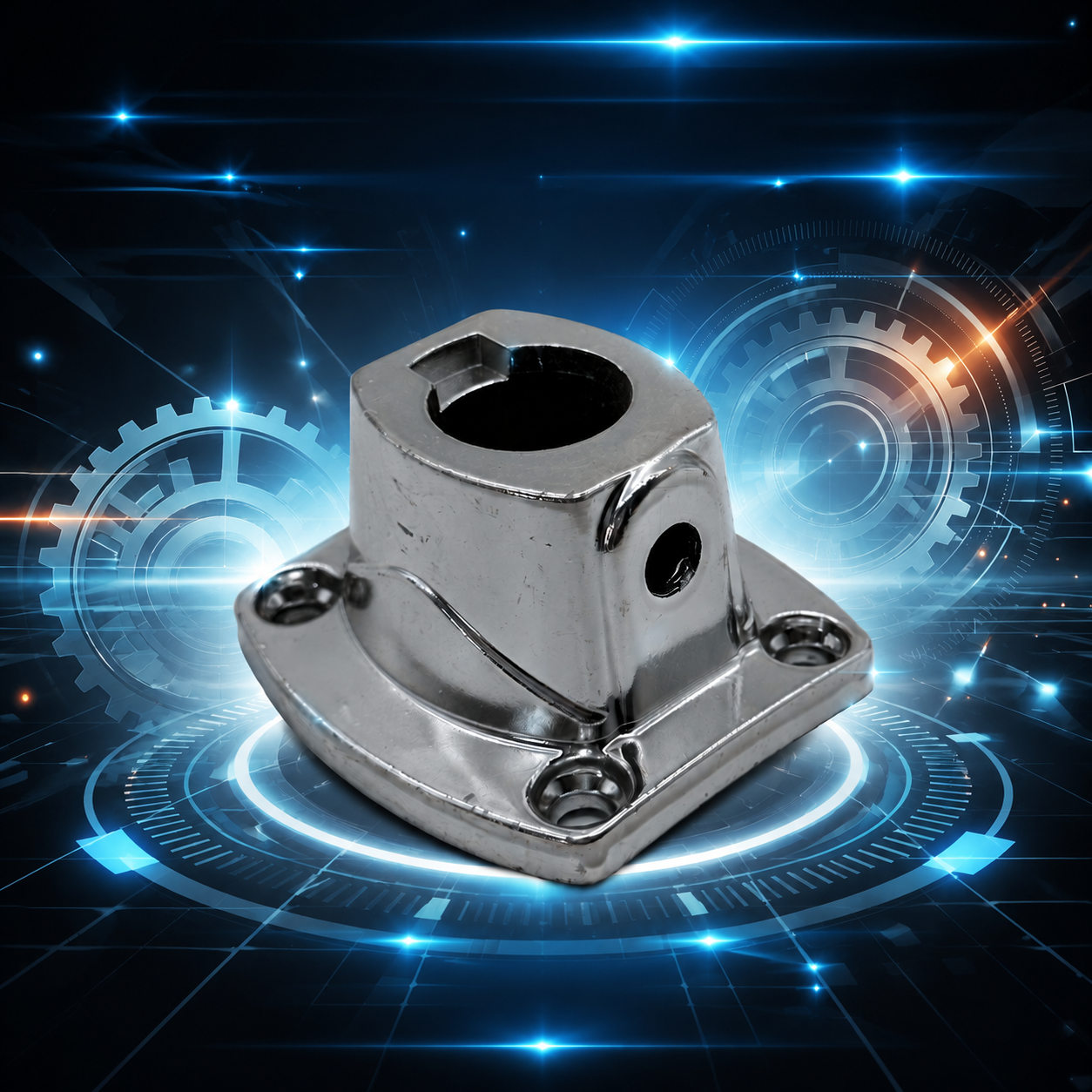
Custom precision investment casting is a service direction within an OEM/ODM component-processing scope. Material directions include aluminum alloy, zinc alloy, other alloy and plastic. Select the actual material and manufacturing route first, with the plastic-component route established separately from metal investment casting.
Define the alloy or plastic component route
Specify the selected alloy or plastic grade and the component geometry. For a metal investment-casting request, identify the casting requirements associated with that alloy. For a plastic component, agree its own manufacturing route rather than assuming that the metal process defines the plastic option.
Describe deburring, drilled holes and threads
Casting, deburring, drilling and threading are the processing directions available for the custom request. Define which operations apply to the selected component and how the resulting geometry will be accepted. The operation names should be connected to actual dimensions rather than used as substitutes for a finished drawing.
- Drilled holes
- Specify hole locations, dimensions and acceptance requirements.
- Threaded areas
- Identify the thread requirements and the interfaces they must meet.
- Deburred areas
- Mark the edges and areas requiring the agreed finished condition.
Specify customized dimensions and surface treatment
Dimensions and surface treatment are customized for the requested component. Name the required finish and define its applicable areas for the selected material. Agree final dimensional and surface criteria in the context of the component's intended service, including how the drilled and threaded areas are evaluated after treatment.