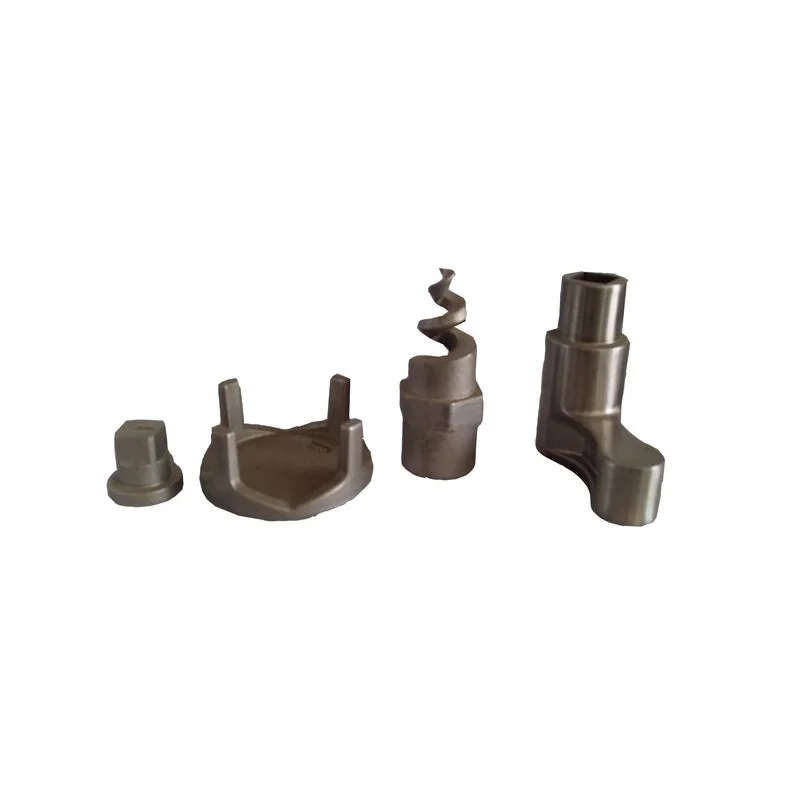
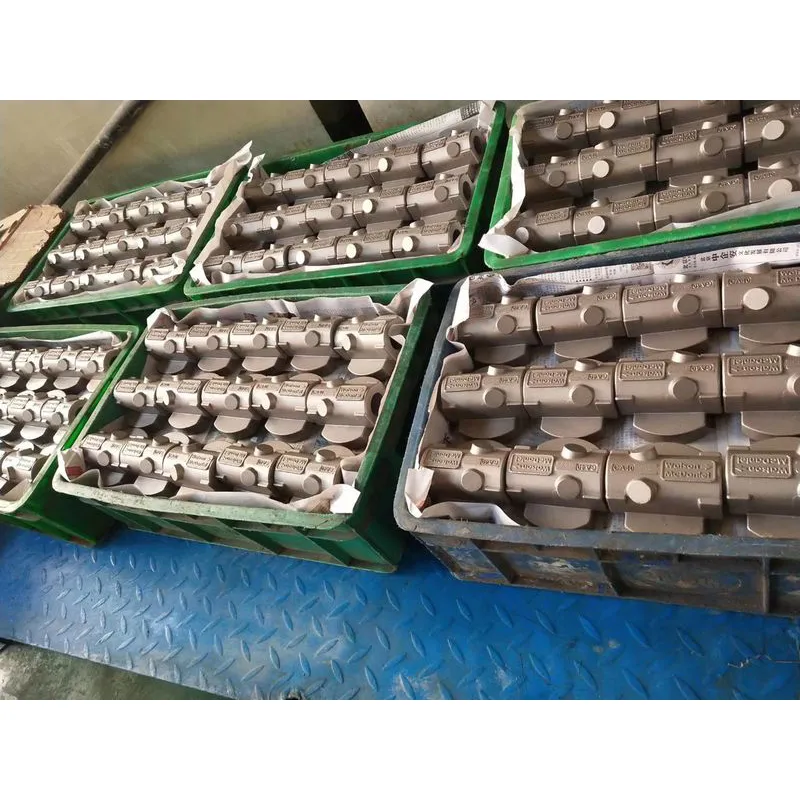
OEM/ODM Custom Lost-Wax Investment Casting | ANSI/High-Alloy-Steel or Aluminum Material Selection
Let’s define your requirement
Send a product link, drawing or short brief. We’ll work through the details with you.
- Confirm the specificationGrade or model, size and intended use.
- Define your orderQuantity, finish or configuration, and samples.
- Agree the quotation scopeIncluded work, key checks and delivery needs.
-
Surface FinishPolished
-
MaterialaluminumApplicationindustry
-
NameODM Customized CastingsSurface treatmentPolishing
-
Product nameOEM ProductsProcessCasting +Machining(if Need)+surface Treatment
-
Quality Control100% InspectionCertificationISO9001
-
Weight10kg -60kg
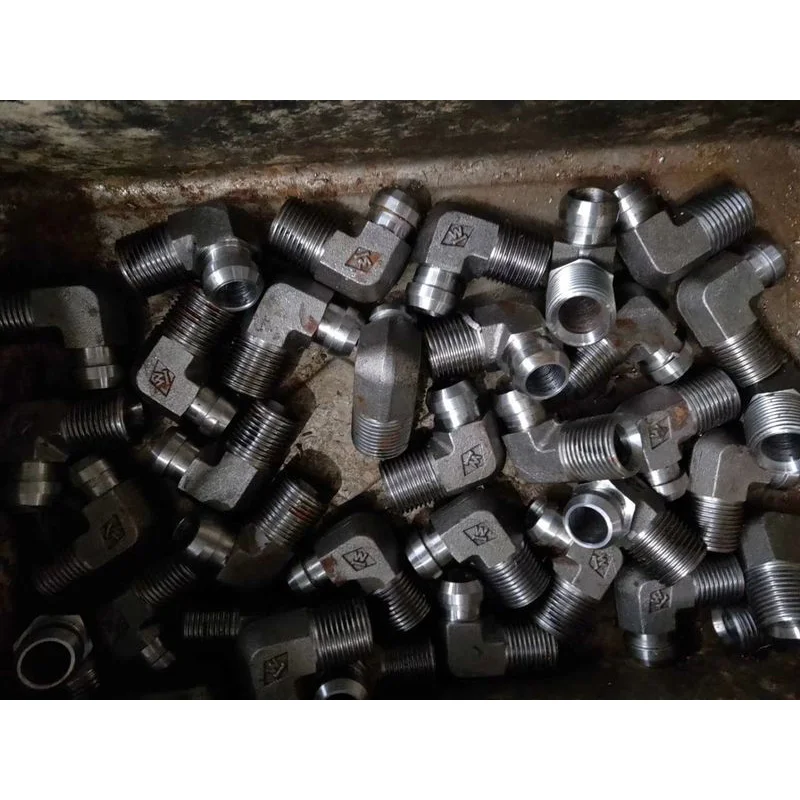
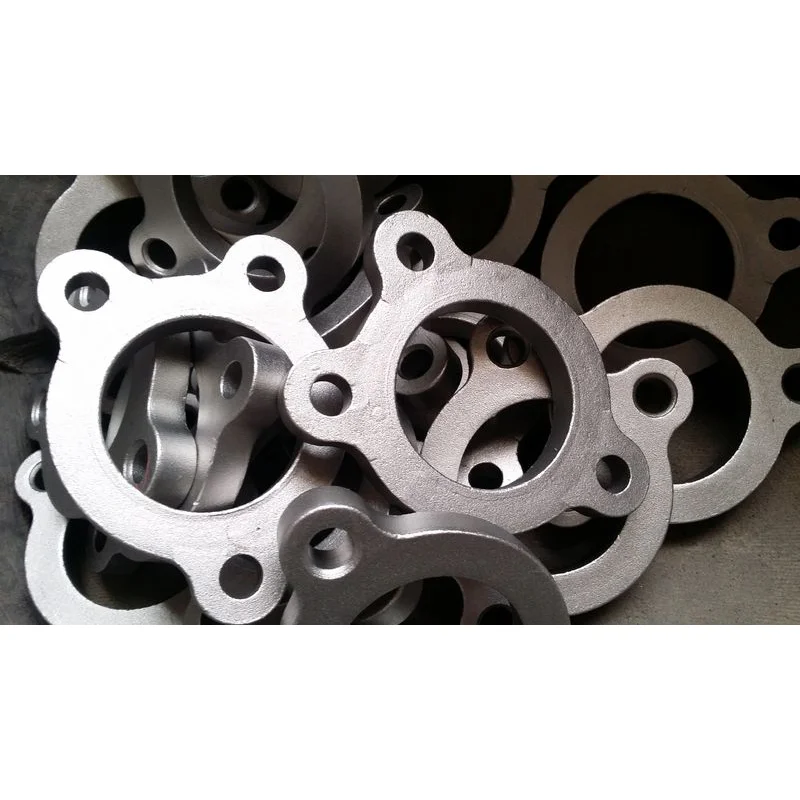
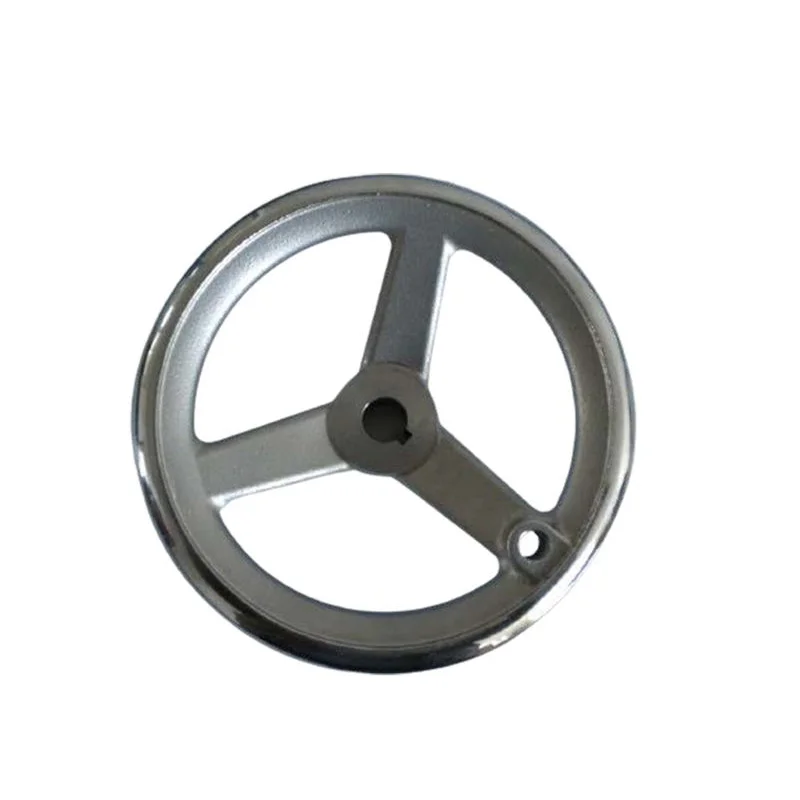
Custom industrial lost-wax investment casting includes ANSI/high-alloy-steel and aluminum material directions. Establish the actual supplied metal for the requested component before defining its manufacturing requirements. OEM/ODM work can combine casting, machining when needed and surface treatment, with polishing as a concrete finish direction.
Resolve the steel or aluminum selection
Identify whether the custom part requires steel or aluminum and specify the actual grade. For an ANSI-related steel request, agree the applicable numbered standard and material designation. Tie that selection to the industrial component geometry and intended conditions of use so that the casting request has a consistent material basis.
Set the optional machining and polished condition
Machining can be included when the selected part needs it. Identify the dimensions or areas requiring that work and distinguish them from the surfaces accepted in the cast condition. Describe the polished areas and finished appearance required for the component, then agree how surface treatment and dimensional acceptance relate to that supplied condition.
Define inspection for the custom component
The industrial casting work includes 100% inspection. Agree the dimensional and surface checks that apply to the actual part, with the chosen material, casting scope and optional machining kept explicit. Review the component definition and acceptance criteria together, so that the inspection requirements address the metal and finished geometry being supplied for the OEM/ODM request.