
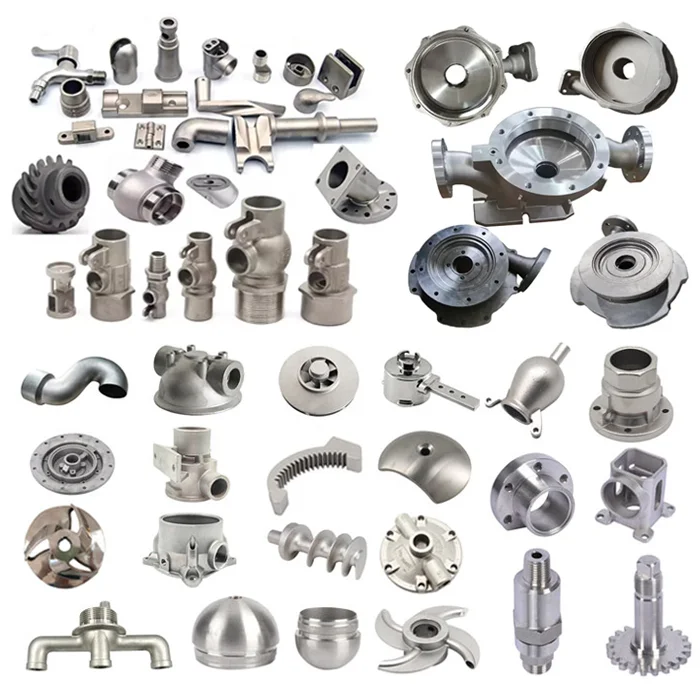
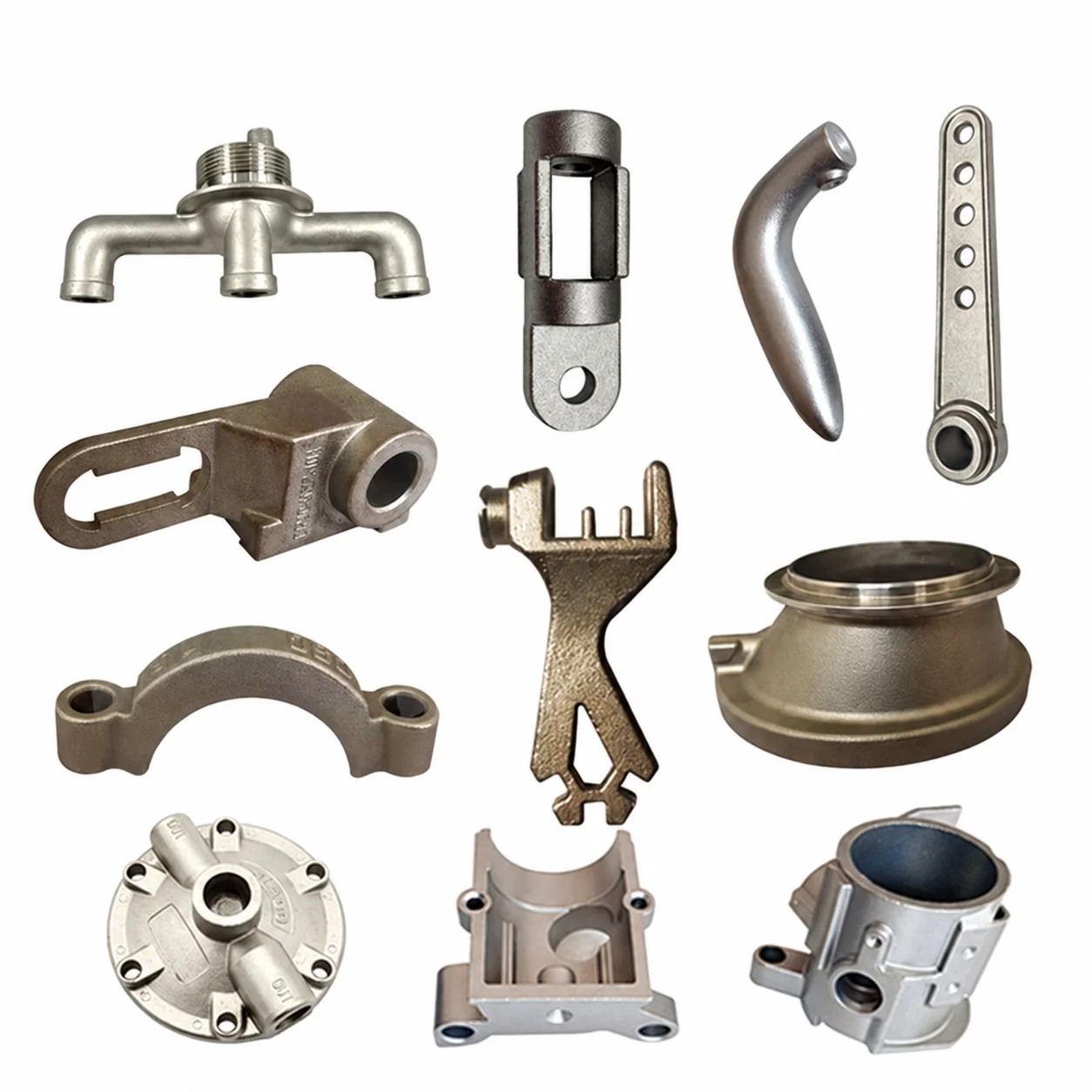
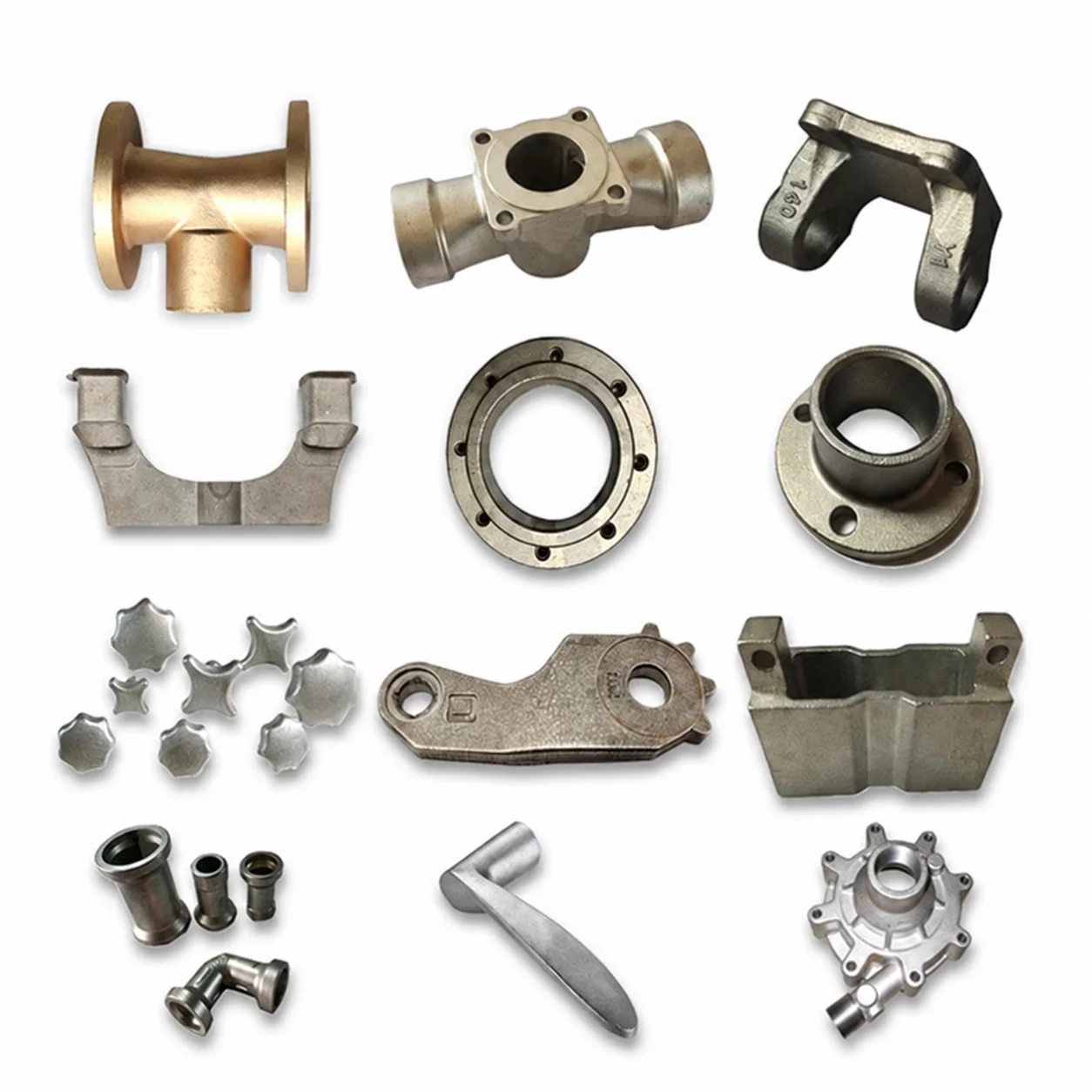
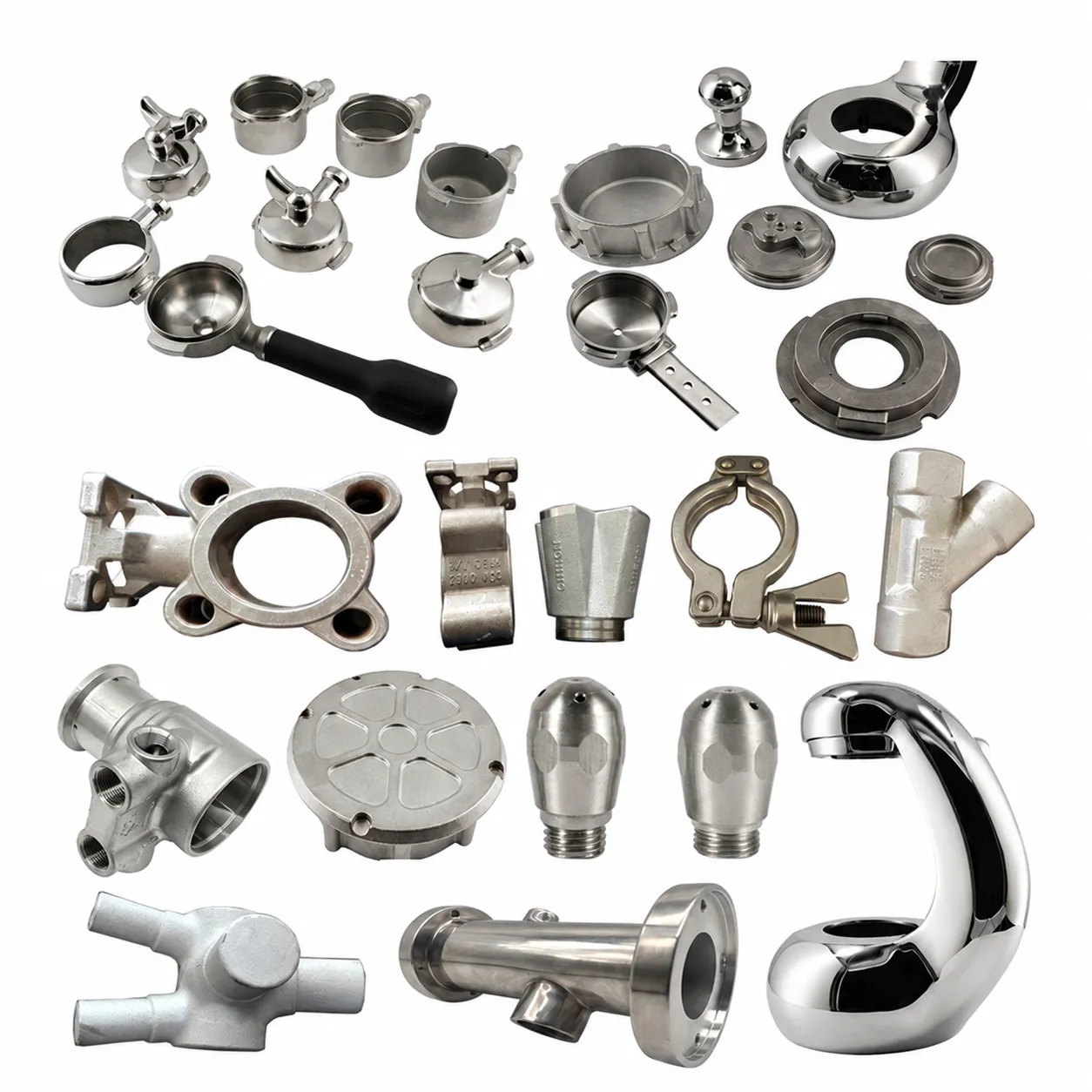
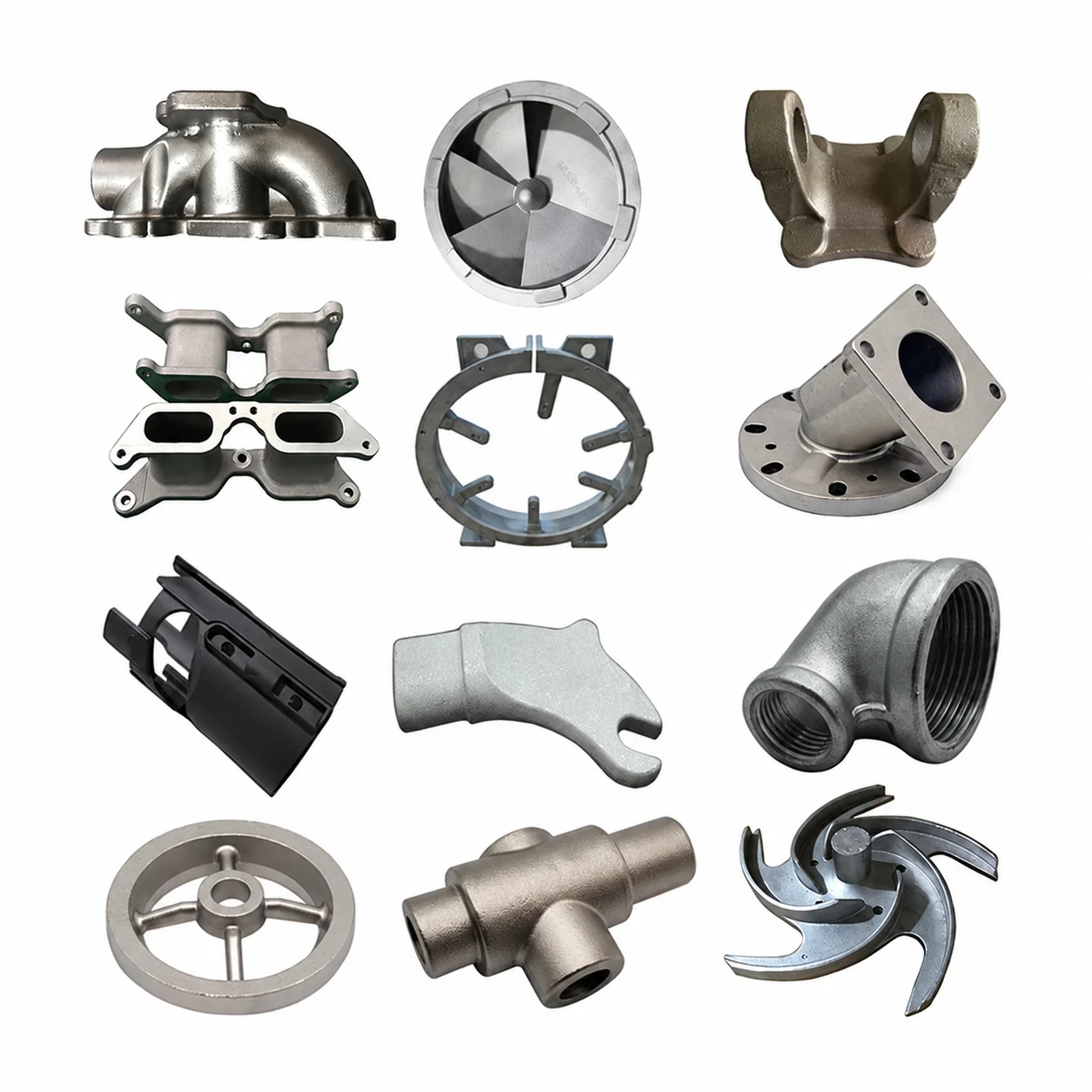
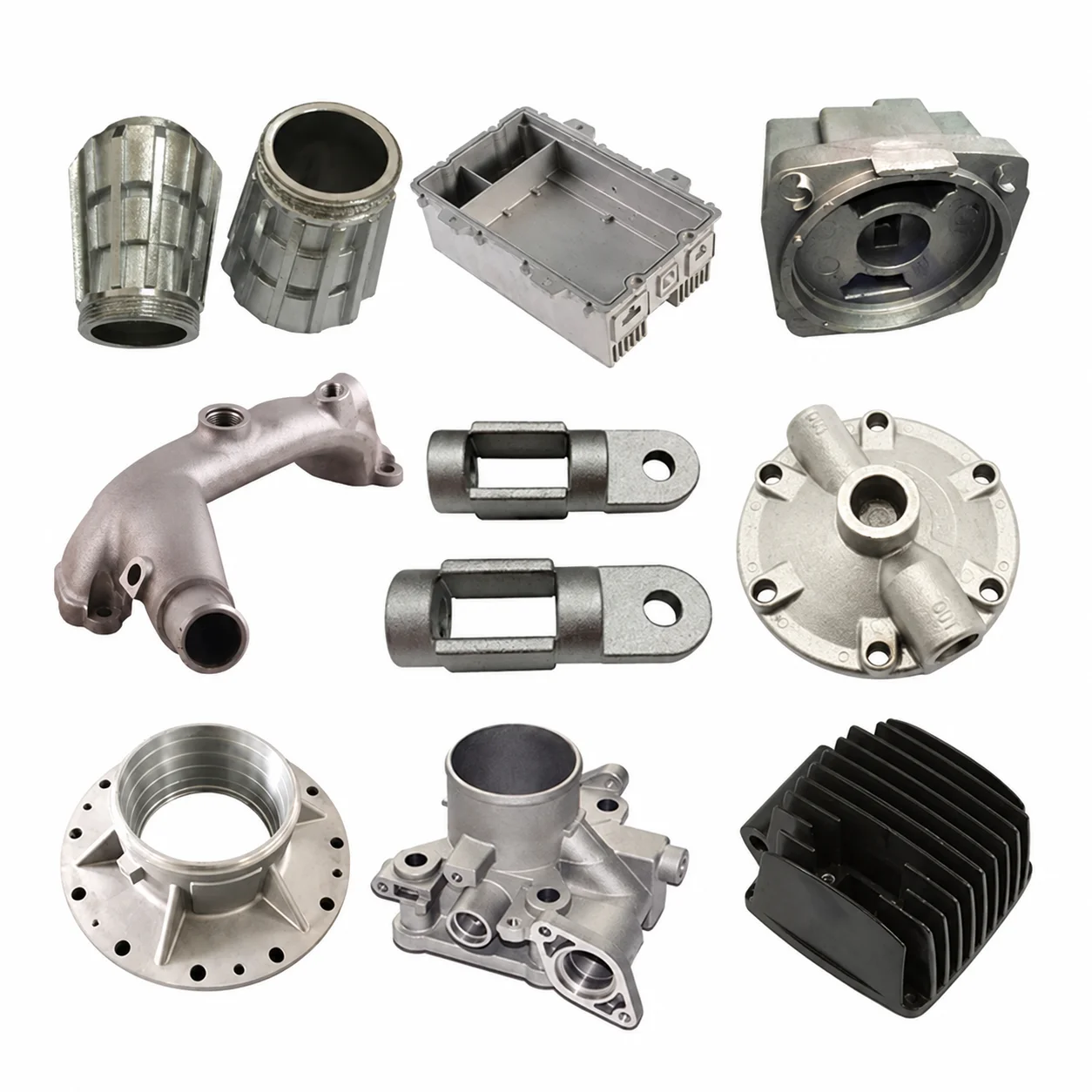
OEM/ODM Carbon/Stainless-Steel Precision Lost-Wax Investment Castings | Polishing, Custom Color & DIN Reference
Let’s define your requirement
Send a product link, drawing or short brief. We’ll work through the details with you.
- Confirm the specificationGrade or model, size and intended use.
- Define your orderQuantity, finish or configuration, and samples.
- Agree the quotation scopeIncluded work, key checks and delivery needs.
-
Surface FinishPolished
-
Product namePrecision Investment Casting Parts
-
Surface treatmentPolishingProcessCasting +Machining(if Need)+surface Treatment
-
ServiceOEM\ODMCertificationISO9001:2008
-
StandardDINTolerance0.01mm
-
ColorCustomized ColorNameODM Customized Castings
-
KeywordCustomized Precision Casting
Custom carbon-steel or stainless-steel parts use precision lost-wax investment casting with OEM/ODM support. The processing direction combines casting, machining when needed and surface treatment. Polishing and customized color provide finish choices, while DIN and 0.01mm serve as technical references for discussing the actual component.
Select the steel and optional machining scope
Choose the carbon-steel or stainless-steel grade for the intended part. Define its geometry and identify any areas requiring machining after casting. Keeping those areas explicit lets the casting, optional machining and final surface treatment be considered as separate requirements rather than assuming every custom part needs the same sequence.
Locate the 0.01mm requirement on the drawing
The 0.01mm tolerance reference needs a controlled dimension and manufacturing stage. Identify whether the requirement concerns a cast or machined characteristic and agree its application to the selected steel component. Include the appropriate numbered DIN standard where relevant so the dimensional requirement has a defined technical context. State how that dimension will be assessed after the specified finishing steps.
Coordinate polished areas with custom color
Specify where polishing is required and which surfaces carry the requested color. Describe the desired finish result and its acceptance criteria alongside the dimensional requirements. For an OEM/ODM casting, evaluating these details together helps define the finished part being requested, including any machined areas whose dimensions must remain consistent with the agreed surface treatment.








