
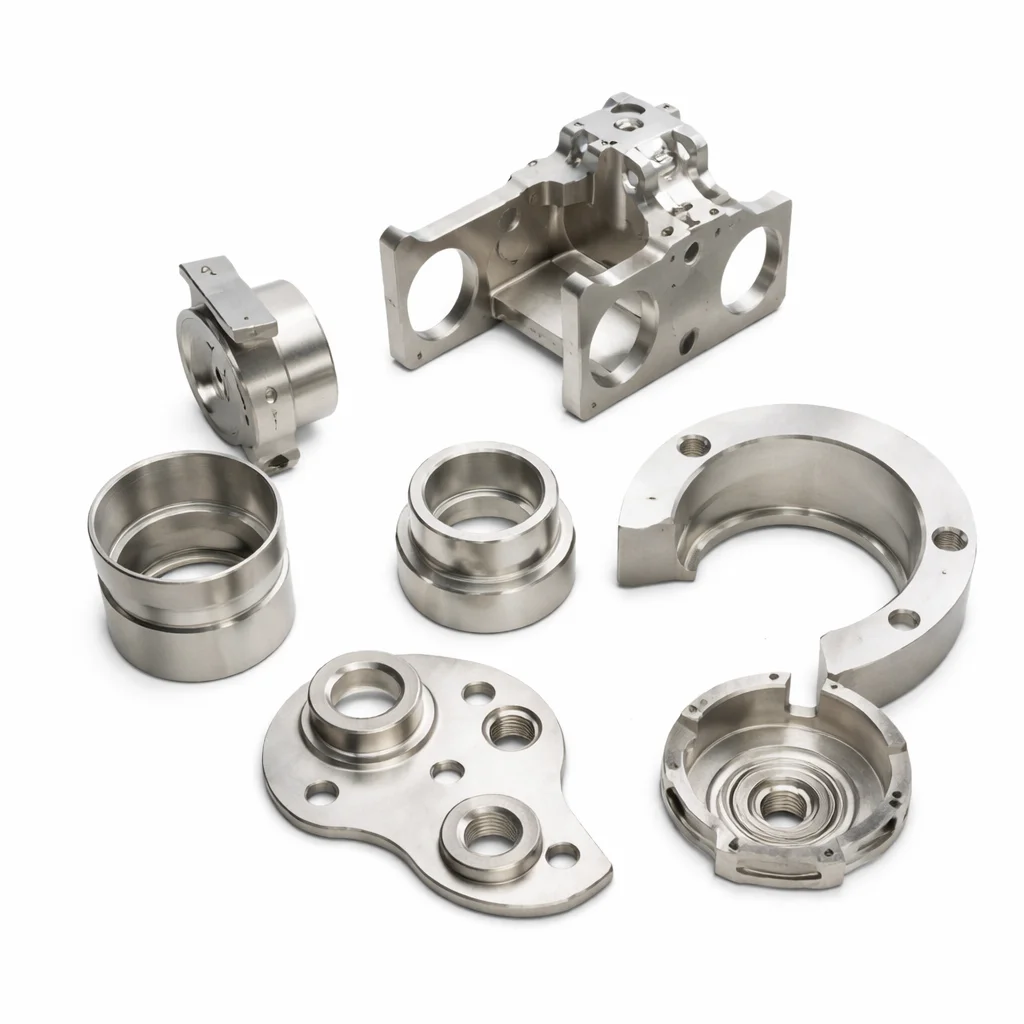
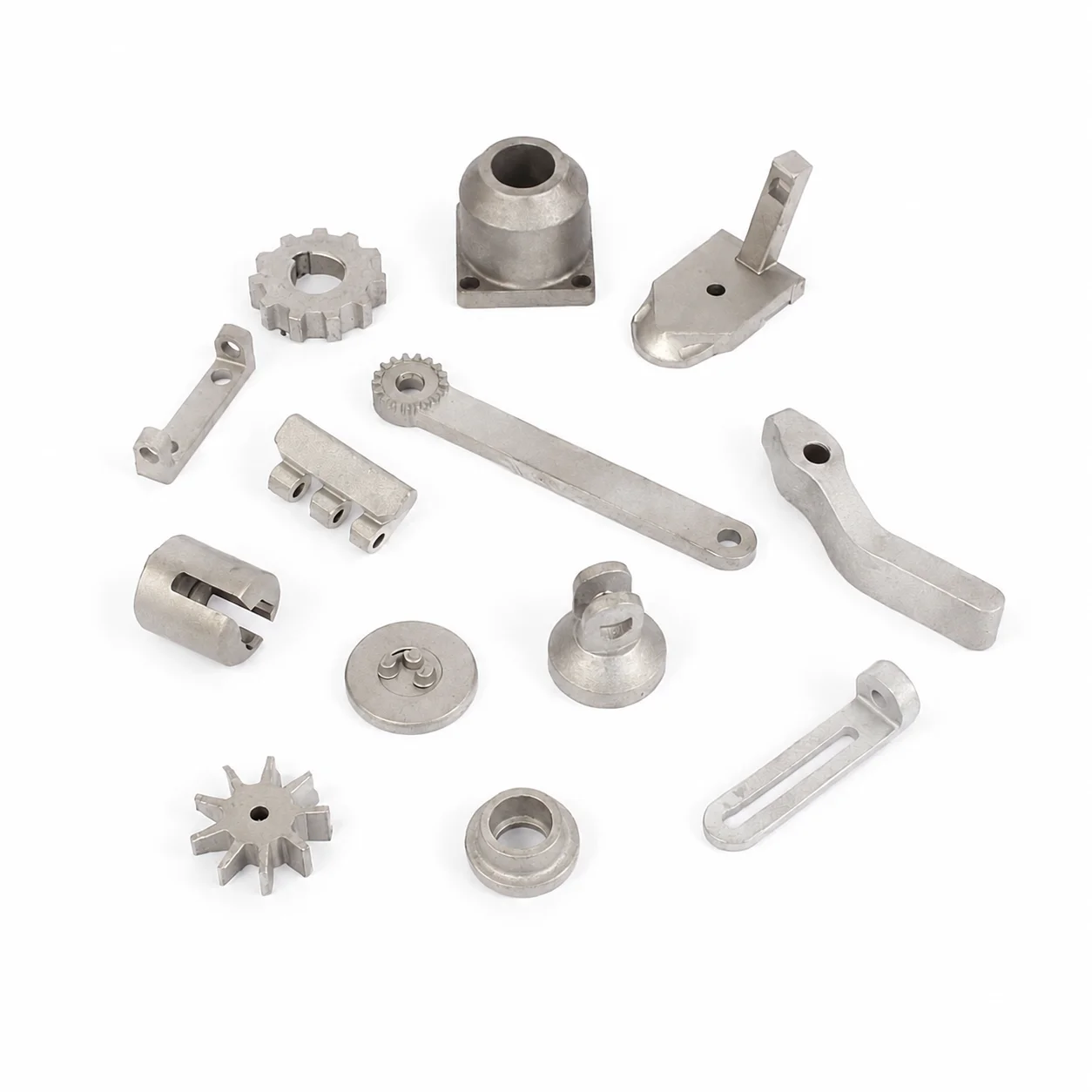
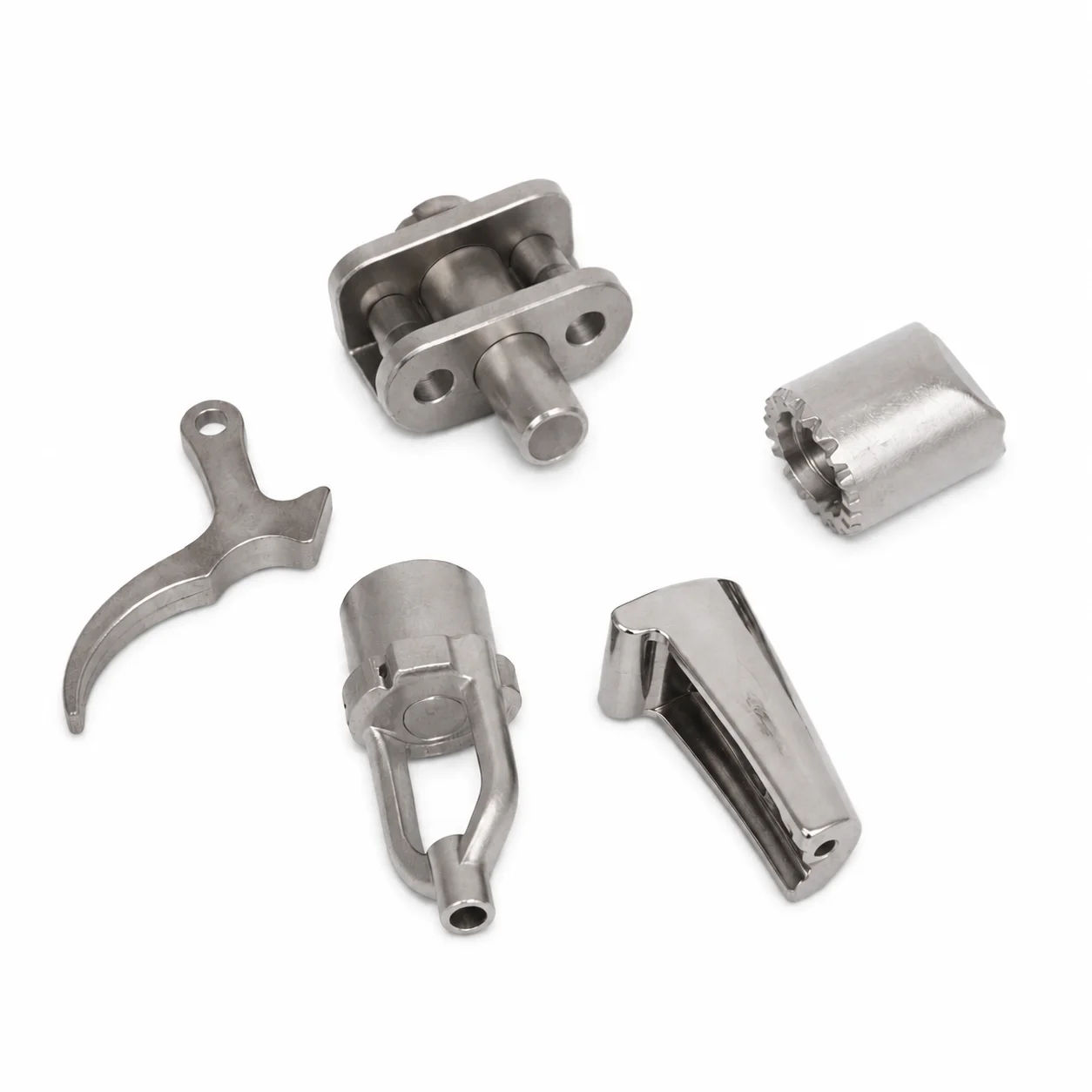
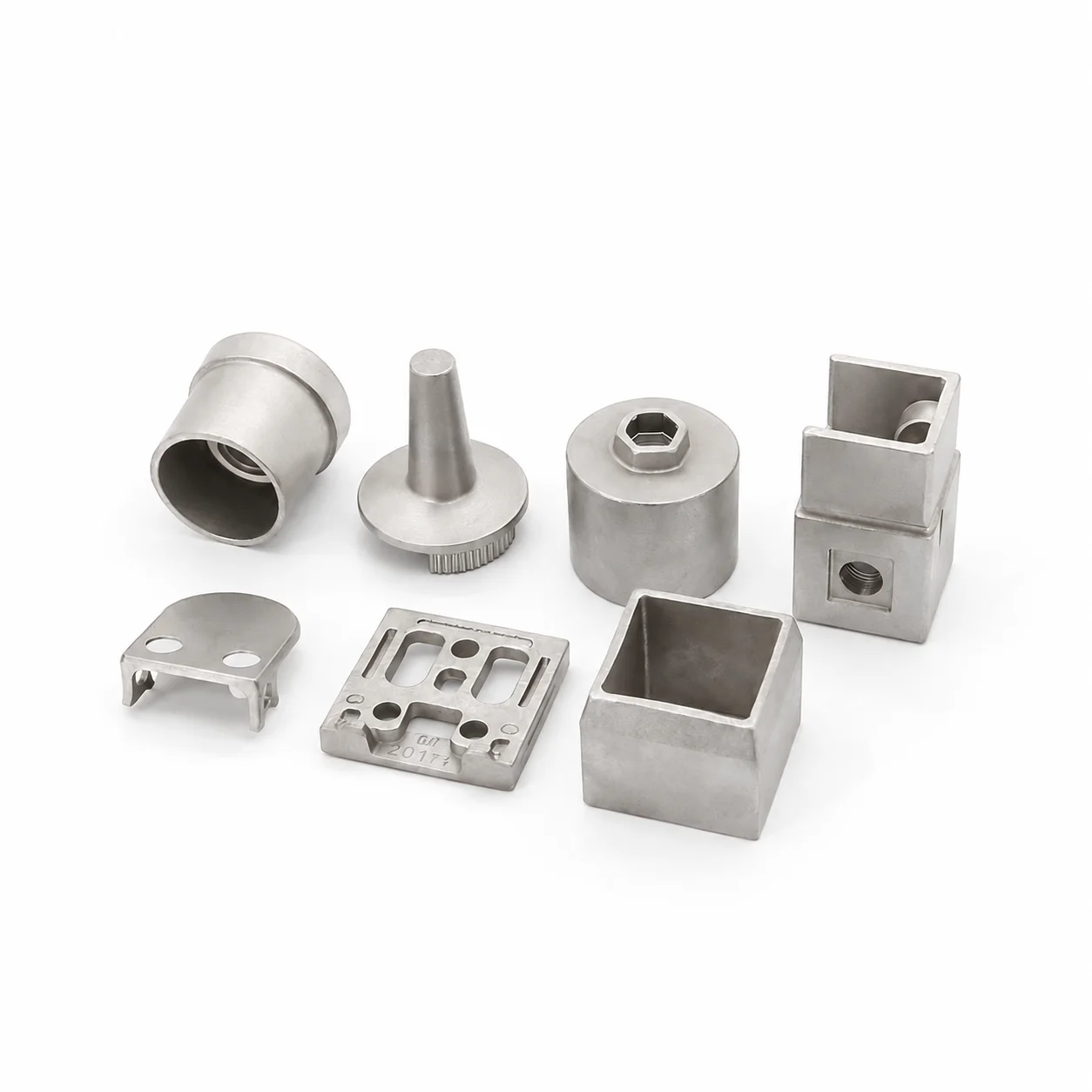
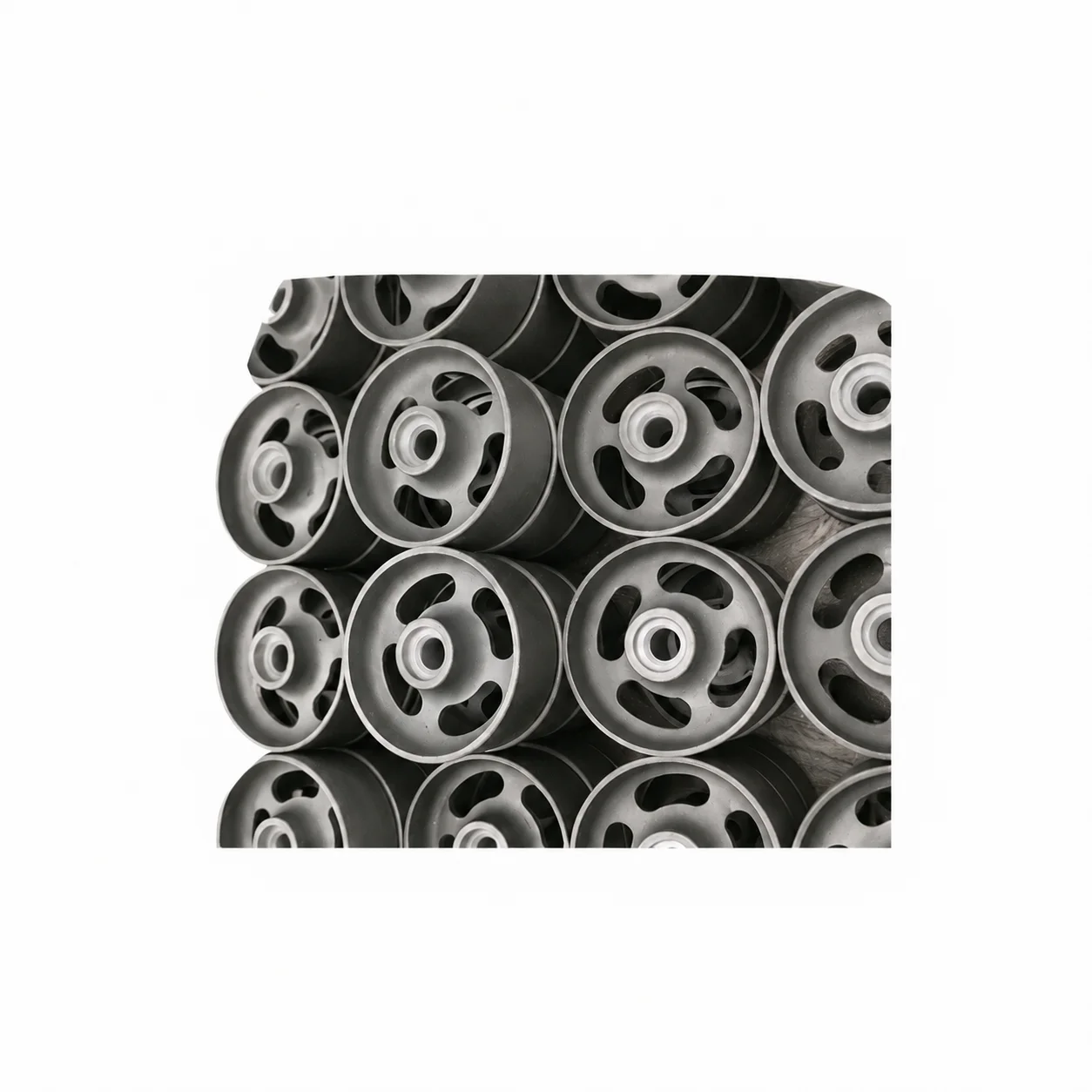
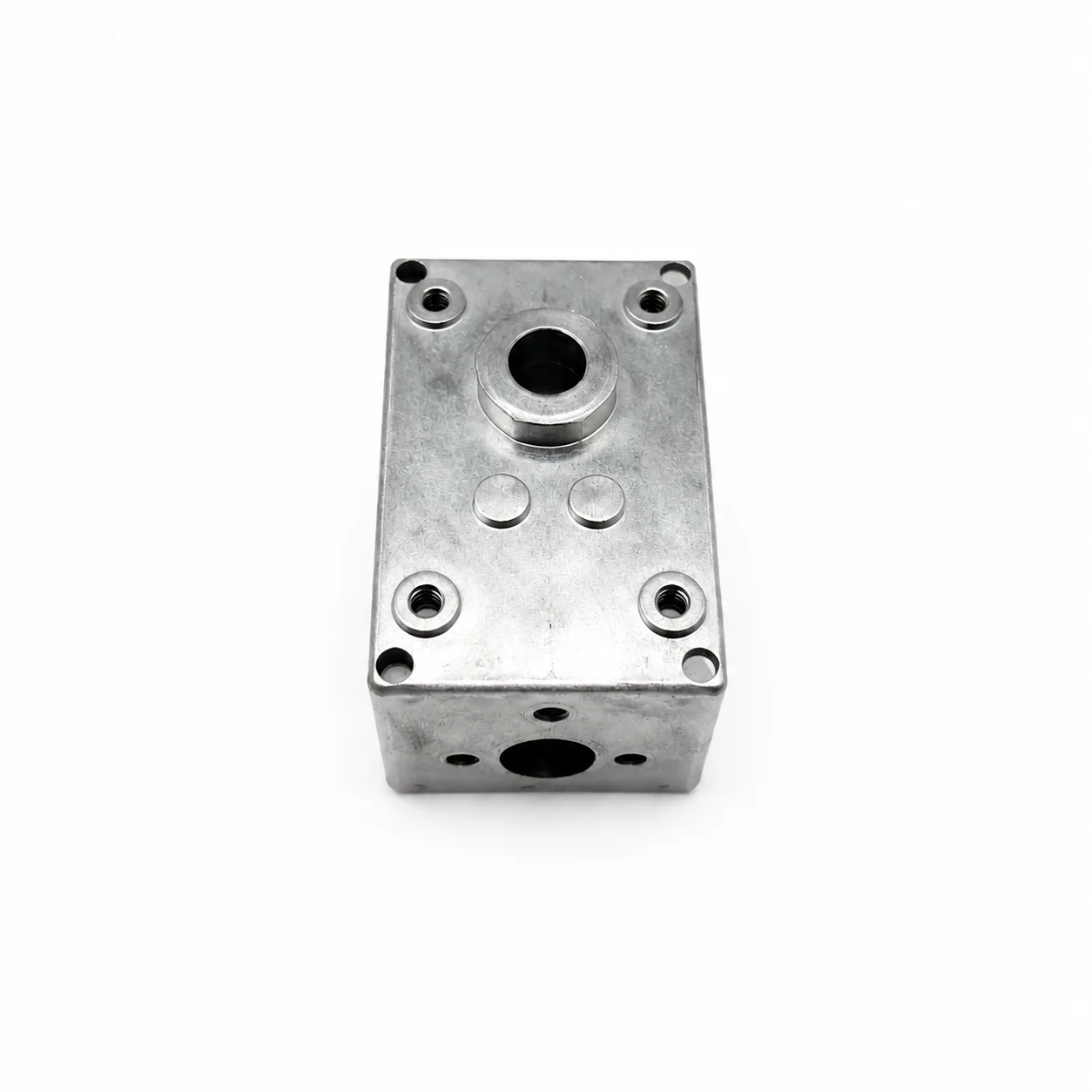
OEM/ODM Auto/Medical Metal Parts | Investment/Die/Sand/Lost-Foam Casting, Heat Treatment & Inspection
Let’s define your requirement
Send a product link, drawing or short brief. We’ll work through the details with you.
- Confirm the specificationGrade or model, size and intended use.
- Define your orderQuantity, finish or configuration, and samples.
- Agree the quotation scopeIncluded work, key checks and delivery needs.
-
Surface FinishPowder Coated , Sandblasted
-
MaterialAluminum, Brass, Bronze, Copper, Hardened Metals, Precious Metals etc.
-
ProcessDie casting, Sand casting, Investment casting, Lost foam casting etc.Heat treatmentQuenching & tempering; solution & aging
-
Surface treatmentPowder coating, Zinc plating, Laser engraving, Sandblasting etc.InspectionMetallographic analysis, MT, UT, RT, 100% visual+100%gauge, CMM etc.
-
OEM/ODMAcceptApplicationAuto, Motorcycle, Energy, Medical device, Robotics etc.
-
Drawing Format2D(PDF/CAD), 3D(IGES/STEP)CertificationISO9001:2015/IATF16949
-
StandardASTM, AISI, DIN, BS, JIS, NF, AS
OEM/ODM custom metal-part services cover aluminum, brass, bronze, copper, hardened metals and precious metals. Die, sand, investment and lost-foam casting are process directions for selecting the actual component route. Automotive, motorcycle, energy, medical-device and robotics applications provide use contexts, with material and processing requirements defined for the particular part.
Match the alloy with casting and heat treatment
Select the actual metal or grade and agree its compatible casting route. Heat-treatment directions include quenching and tempering, and solution treatment and aging. Define the required condition for the selected material and component so the treatment choice addresses the actual service requirements rather than applying every treatment to every metal.
Specify coated, engraved or blasted areas
Surface choices include powder coating, zinc plating, laser engraving and sandblasting. Identify the applicable operations and the areas they affect on the chosen material. Describe the desired finish or engraving result alongside the component's dimensional acceptance requirements.
Allocate metallography and inspection methods
Inspection methods include metallographic analysis, MT, UT, RT and CMM, with 100% visual checks and 100% gauge inspection. Define the visual criteria and gauged dimensions separately from the scope and locations of the other methods. Agree the acceptance criteria and records needed for those examinations on the actual component.
Connect the drawings with standards and intended use
Inputs include 2D PDF/CAD and 3D IGES/STEP, with technical standard families ASTM, AISI, DIN, BS, JIS, NF and AS. Identify the numbered requirements and controlled dimensions applicable to the selected material and route. For medical-device components, establish the part-specific service and approval requirements alongside the drawing and inspection criteria. Apply the same component-specific definition when evaluating the automotive, motorcycle, energy or robotics directions.








