OEM/ODM Aluminum and Zinc Cast Parts with Machining for Auto and Industrial Use
Let’s define your requirement
Send a product link, drawing or short brief. We’ll work through the details with you.
- Confirm the specificationGrade or model, size and intended use.
- Define your orderQuantity, finish or configuration, and samples.
- Agree the quotation scopeIncluded work, key checks and delivery needs.
-
Surface FinishPowder Coated , SandblastedAlloy GradeA380 , ADC12
-
Surface TreatmentSandblasting ,Powder Coating, Painting, Anodizing
-
MaterialsAluminum Alloys ADC12,A380, Zinc Alloys Zamak 3/5Product nameAluminum Gravity Casting
-
MaterialAluminumApplicationMachinery Parts
-
DimensionsCustomer RequiredCharacteristicHigh Hardness Excellent Wear Resistant
-
TypeMachining ServicesSpecificationCustom-made
-
Surface treatmentPaintingCertificationIATF 16949
-
ServiceOEM ODM Customised
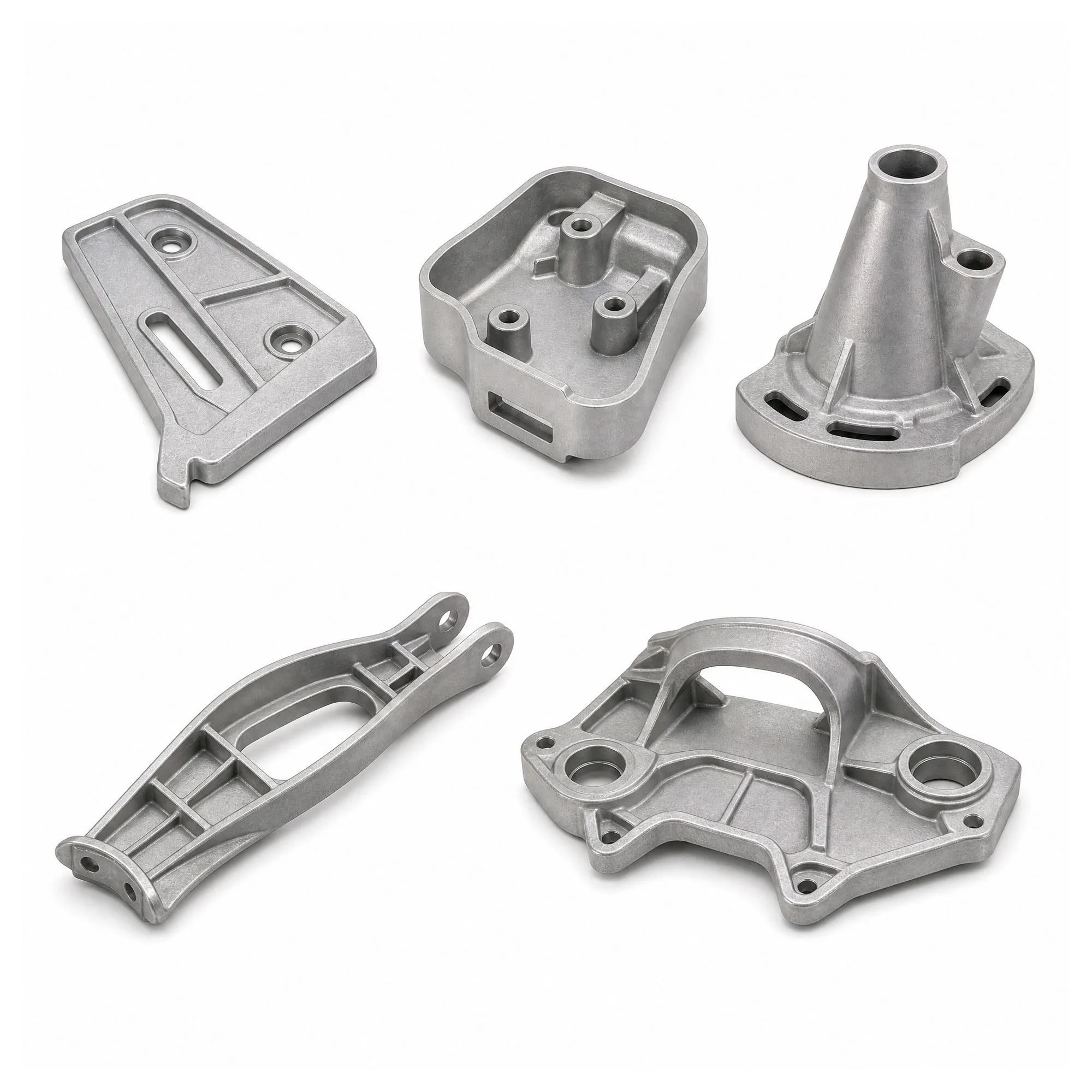
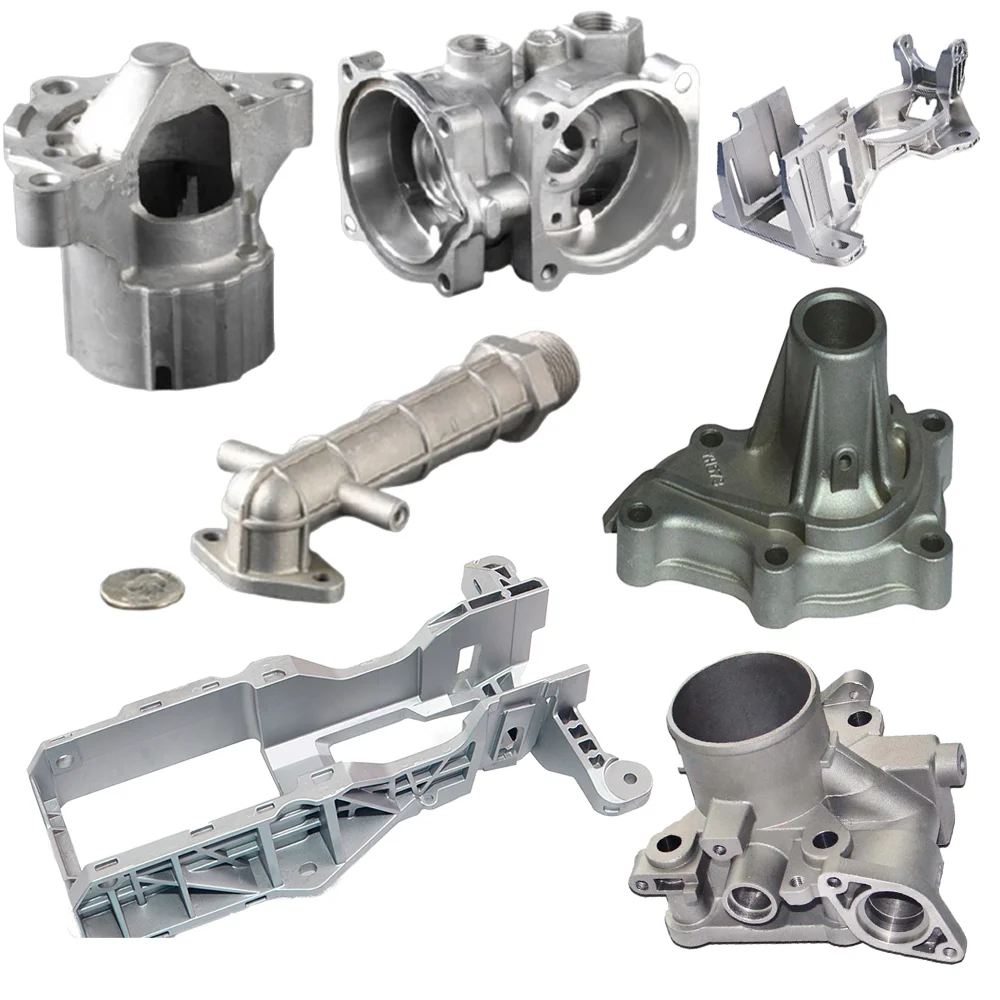
Custom cast and machined components can be requested for automotive, industrial and machinery projects under an OEM/ODM brief. Material directions include ADC12 and A380 aluminum, together with Zamak 3 and 5 zinc alloys, with dimensions defined by the customer.
Agree the casting route for the selected part
Specify whether the project concerns gravity casting or high-pressure die casting, then agree the actual route with the component requirement. Magnesium inquiries also need the selected grade and process scope to be defined. Connecting the route and material to one drawing helps keep the custom part request precise.
Identify what machining must achieve
Use the component geometry to mark the areas requiring machining and the dimensions used for assembly acceptance. State how the part will be used within the automotive or industrial machinery assembly. This gives customer-defined sizing a practical reference while leaving the process details to the agreed supply scope.
Set hardness and wear requirements with the material
The custom-part direction focuses on high hardness and wear resistance. Describe the target properties and the acceptance needed for the component's intended duty. Agree these requirements with the chosen alloy rather than treating a general property description as a fixed value for every geometry and material.
Choose the final surface and approval basis
Sandblasting, powder coating, painting and anodizing are available surface-treatment directions. Specify the desired finish and any areas where the final condition affects assembly fit. If IATF 16949 documentation forms part of purchasing approval, confirm the applicable holder and scope for the selected order.
Bring the grade, casting route, machining areas and finish together with the quantity. That creates a clear basis for discussing the custom component and its intended acceptance.