
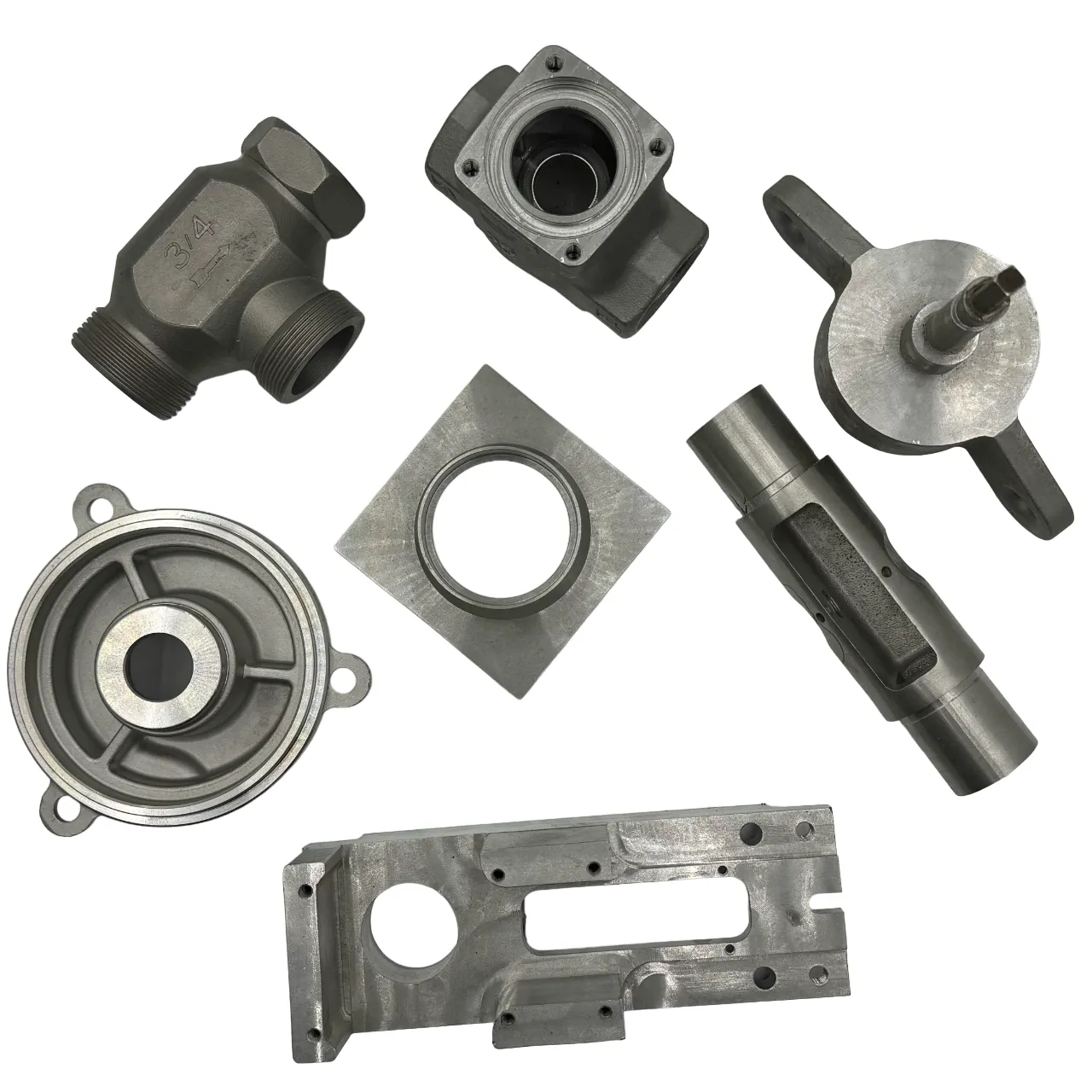
OEM/ODM Alloy-Steel Lost-Wax Castings for Petrochemical-Machinery Enquiries with Sand Blasting
Let’s define your requirement
Send a product link, drawing or short brief. We’ll work through the details with you.
- Confirm the specificationGrade or model, size and intended use.
- Define your orderQuantity, finish or configuration, and samples.
- Agree the quotation scopeIncluded work, key checks and delivery needs.
-
Surface FinishSandblasted
-
Product nameAxe HeadsMaterialAlloy Steel
-
ProcessPrecision Lost Wax Investment CastingSurface TreatmentSand Blasting
-
ServiceOEM ODM CustomizedDimensions40*30*20mm
-
ApplicationPetrochemical MachineryUsageEngine
-
CertificationISO 9001:2015StandardGB ASTM AISI DIN BS
Custom alloy-steel part enquiries use precision lost-wax investment casting and sand blasting, with OEM/ODM service. Begin with the specific component and functional duty before defining its mold or part geometry. The 40×30×20mm dimensional reference needs to be matched to the actual drawing and selected use.
Resolve the dimension against the component drawing
Agree which axes or features the 40×30×20mm reference describes and identify the finished dimensions required by the design. Select the exact alloy-steel specification for that geometry. Use the controlled part definition to establish dimensional acceptance, keeping the casting review focused on the component that will actually be produced.
Give each purpose its own acceptance criteria
An axe-head request needs its intended shape and functional requirements defined for that part. A petrochemical-machinery or engine component enquiry needs the actual component identity, working conditions and interfaces agreed. Select the relevant purpose before approving the geometry and material, with acceptance based on the specific use being reviewed.
Define the sand-blasted condition
Sand blasting forms the surface-treatment scope for the alloy-steel lost-wax part. Specify the areas and final surface condition needed for its intended function and appearance. Connect that surface acceptance to the selected material and dimensional definition, so that the completed casting can be reviewed as a coherent finished component.
Set the material standard and approval scope
Select the applicable GB, ASTM, AISI, DIN or BS requirement and review the ISO9001:2015 certificate scope for the manufacturing service. Agree the relevant dimensional, surface and functional inspection criteria. Confirm the selected purpose, alloy and accepted casting result together before approving the OEM/ODM production definition.








