



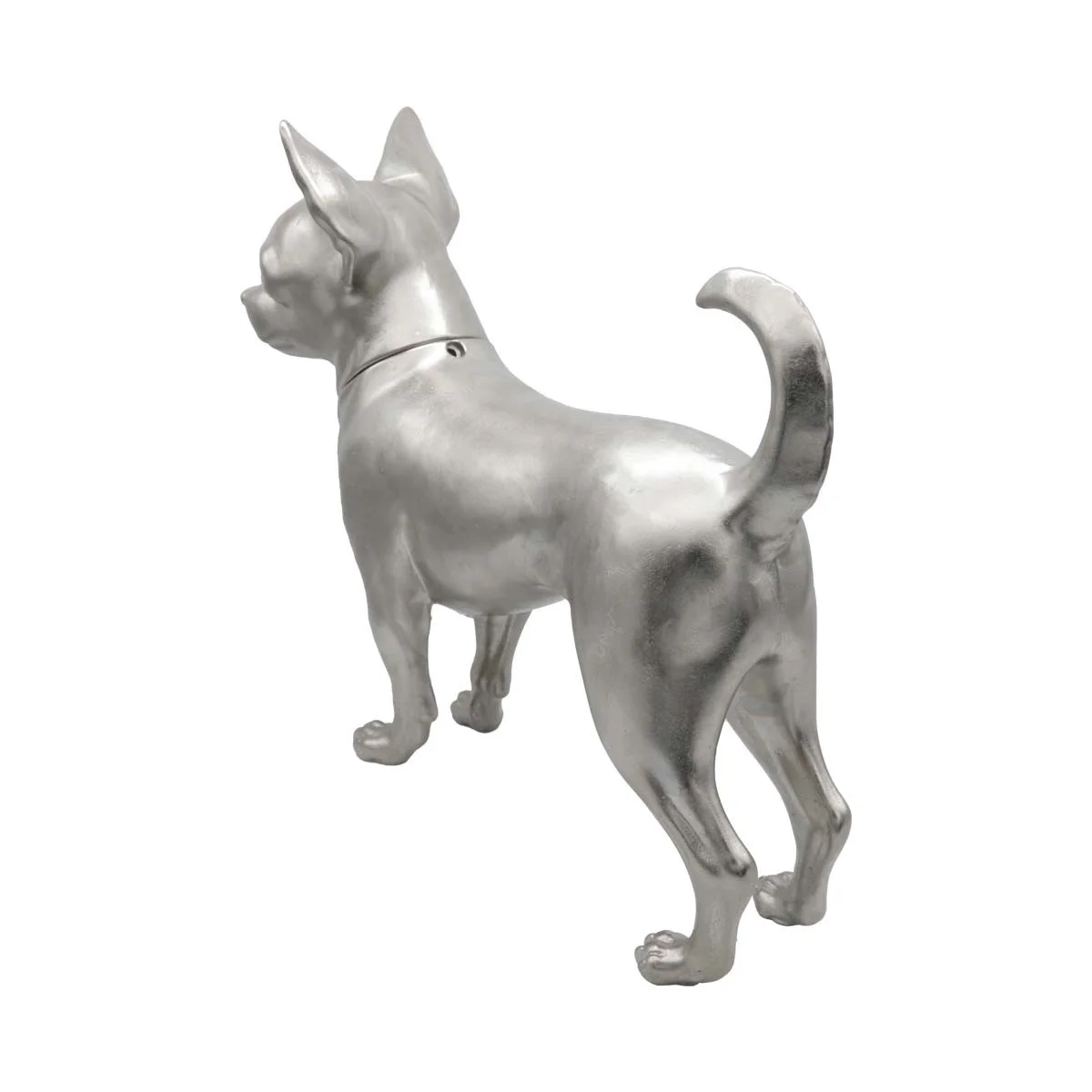
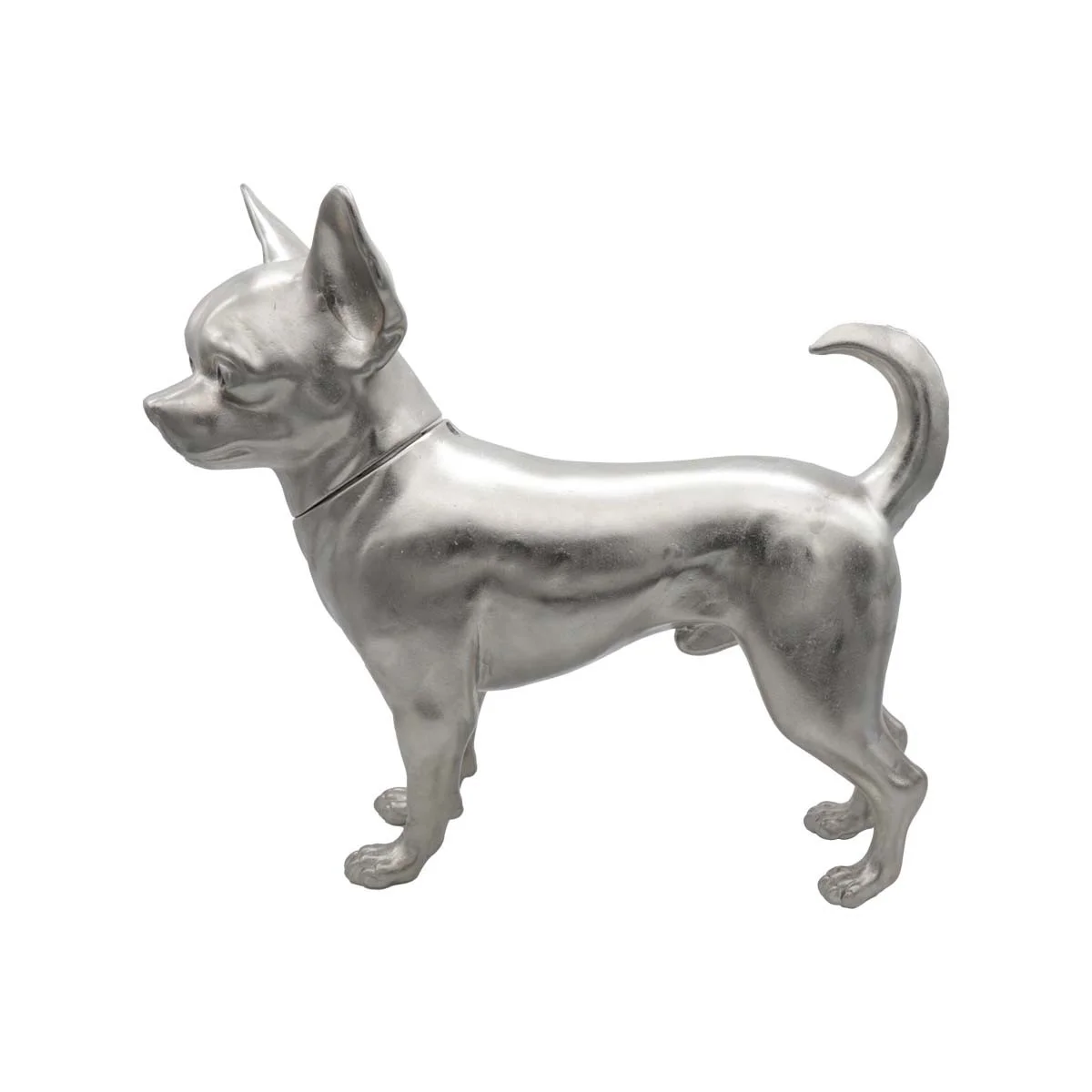
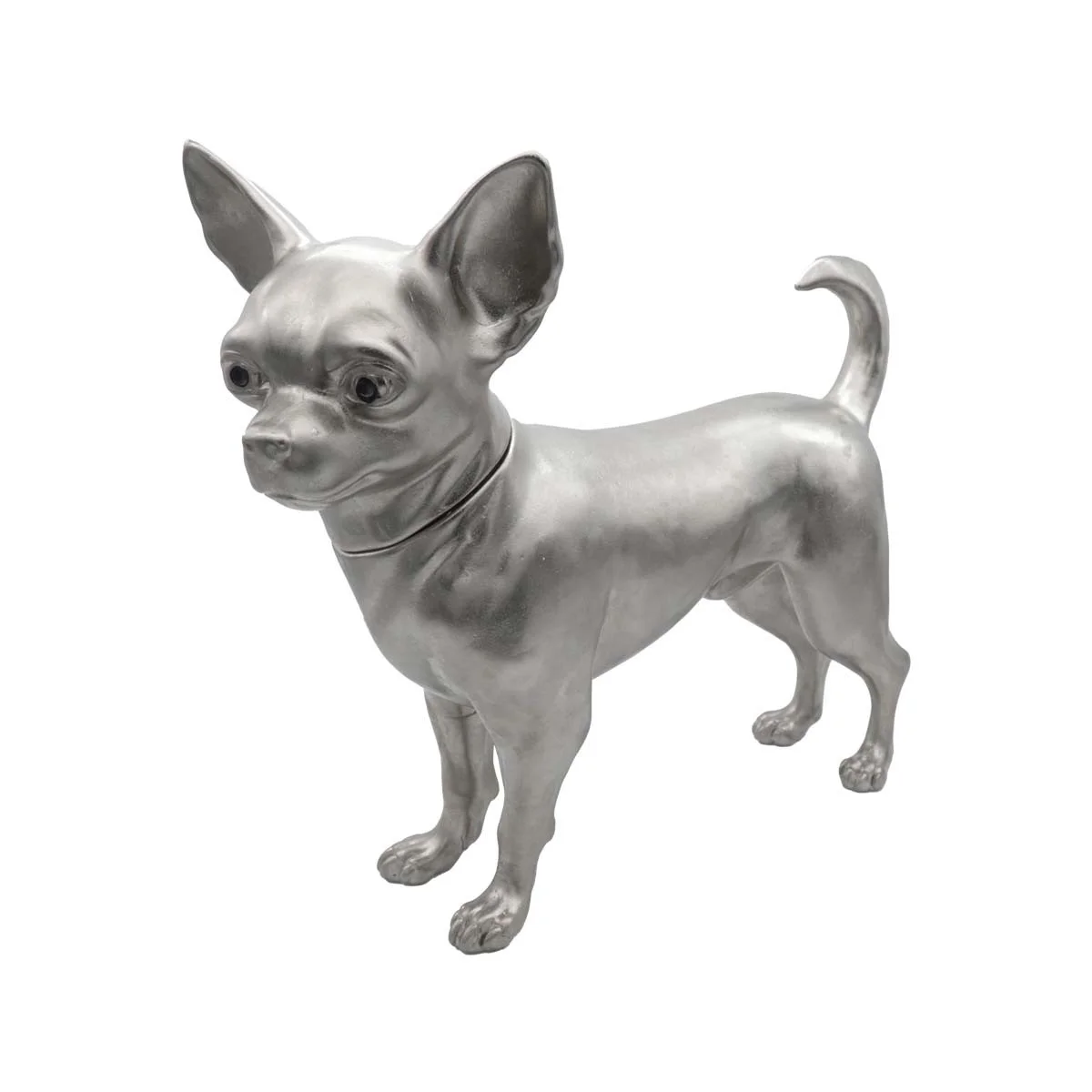
OEM/ODM A380/ADC12/AlSi7Mg Precision Small-Part Lost-Wax Investment/Die Castings | Household/Medical Directions
Let’s define your requirement
Send a product link, drawing or short brief. We’ll work through the details with you.
- Confirm the specificationGrade or model, size and intended use.
- Define your orderQuantity, finish or configuration, and samples.
- Agree the quotation scopeIncluded work, key checks and delivery needs.
-
Surface FinishShot Blasted , PolishedAlloy GradeA380 , ADC12
-
production namePrecision Small Part Investment Casting ServicesMaterialA380, ADC12, alsi7mg
-
ApplicationAuto, Motorcycle, IndustrialTolerance0.05~0.2mm
-
finishPainted hot-dip galvanizingServiceOEM\ODM
-
processDie Casting + MachiningSurface treatmentShot Blasting, Polishing
-
certificateTS16949
Precision small-part casting services cover lost-wax investment and die-casting directions with machining. A380, ADC12 and AlSi7Mg are material choices within an OEM/ODM request. Household and medical uses join automotive, motorcycle and industrial application directions, with the actual component and its compatible alloy/process defined for the intended service.
Select the small component and its alloy-route combination
Choose the actual A380, ADC12 or AlSi7Mg requirement and describe the part geometry. Agree whether investment or die casting applies to that selected component and identify any machining scope. For a medical part, establish its specific service and approval requirements as part of defining the component.
Apply the 0.05-0.2mm reference to controlled dimensions
The tolerance reference is 0.05-0.2mm. Identify the dimensions and manufacturing stage to which it applies, including any areas requiring machining. Agree the finished requirement for the actual small part so the reference is connected to its geometry and use rather than automatically assigned to every dimension.
Confirm the material-appropriate finish and surface result
Finish directions include painting and hot-dip galvanizing, while shot blasting and polishing are surface-treatment choices. Confirm which treatment and sequence apply to the selected alloy before defining the treated areas. Specify the desired surface result and acceptance criteria alongside the dimensional requirements. This gives the household, medical or other component request a defined finish scope for the actual material and route.








