OEM/ODM 304/316 Stainless Steel Lost-Wax Gravity Investment Casting, CNC and 3D Printed Brass Services
Let’s define your requirement
Send a product link, drawing or short brief. We’ll work through the details with you.
- Confirm the specificationGrade or model, size and intended use.
- Define your orderQuantity, finish or configuration, and samples.
- Agree the quotation scopeIncluded work, key checks and delivery needs.
-
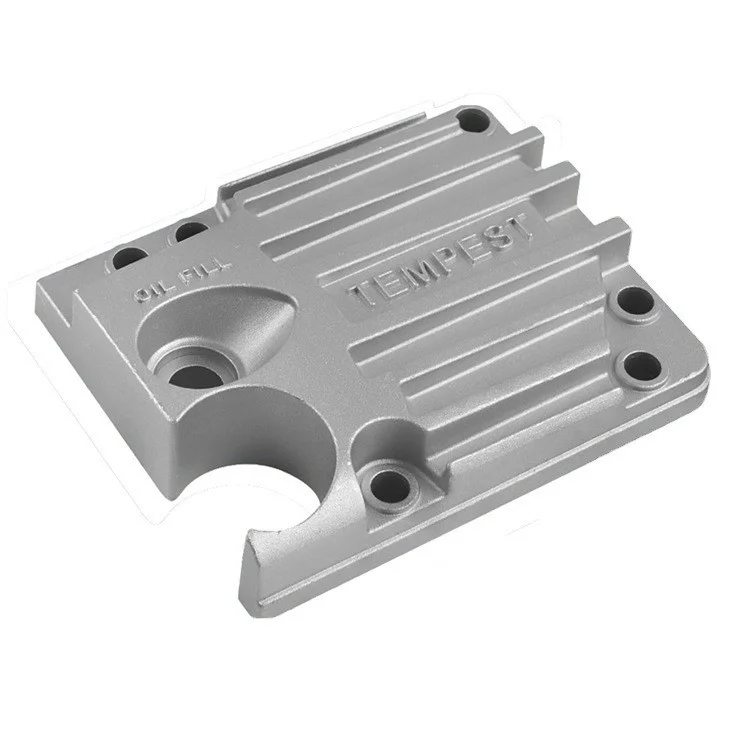
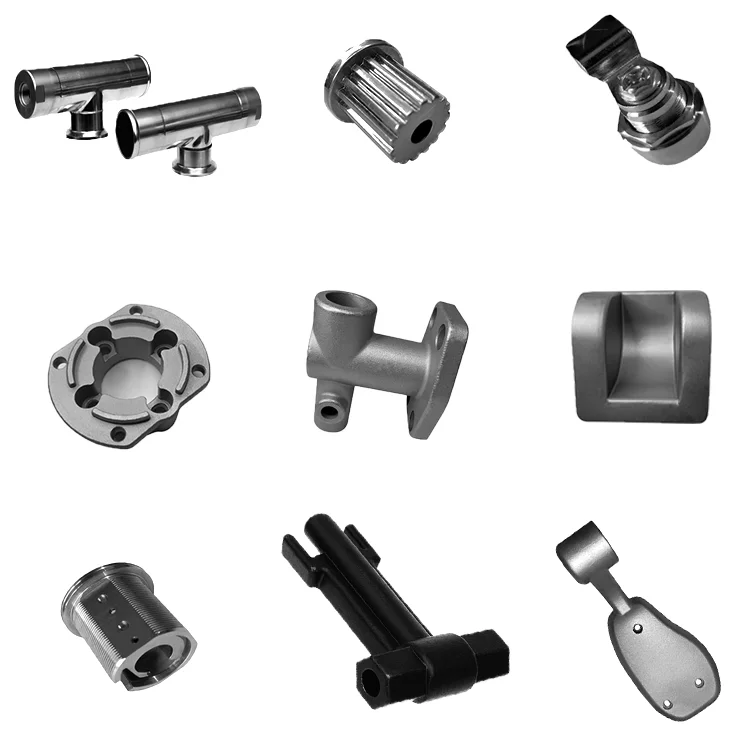
NameInvestment Custom Metal Machine 304 316 Stainless Steel Casting
-
MaterialCUSTOMSurface treatmentNo cape burr sand hole
-
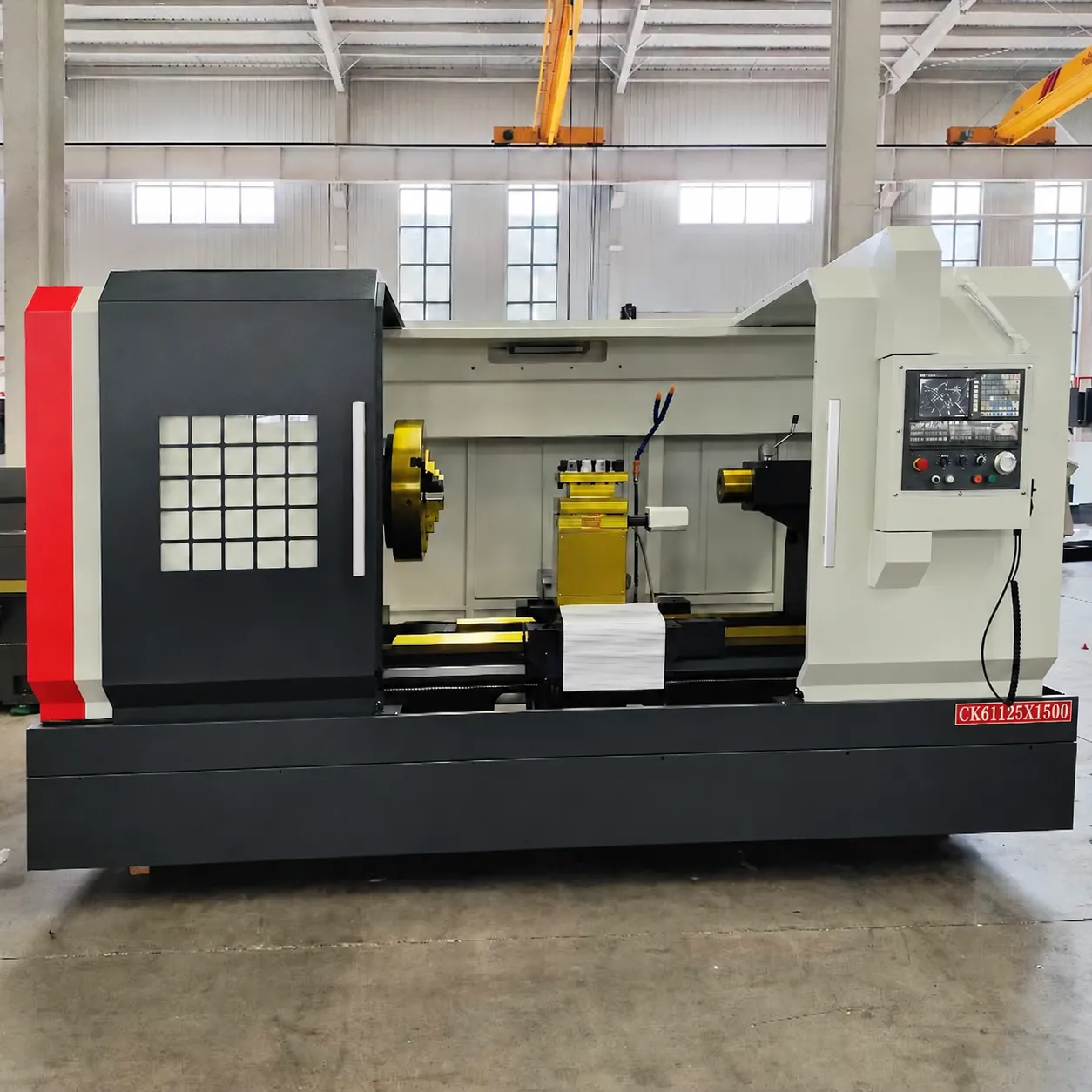
courseCasting + CNC machining + surface treatmentColorCUSTOM
-
Quality Control100% InspectionTolerance0.2mm
-
Machining ProcessLost Wax+CNC MechiningadvantagePrecision shape
-
packageAccording to the specific requirements of customers
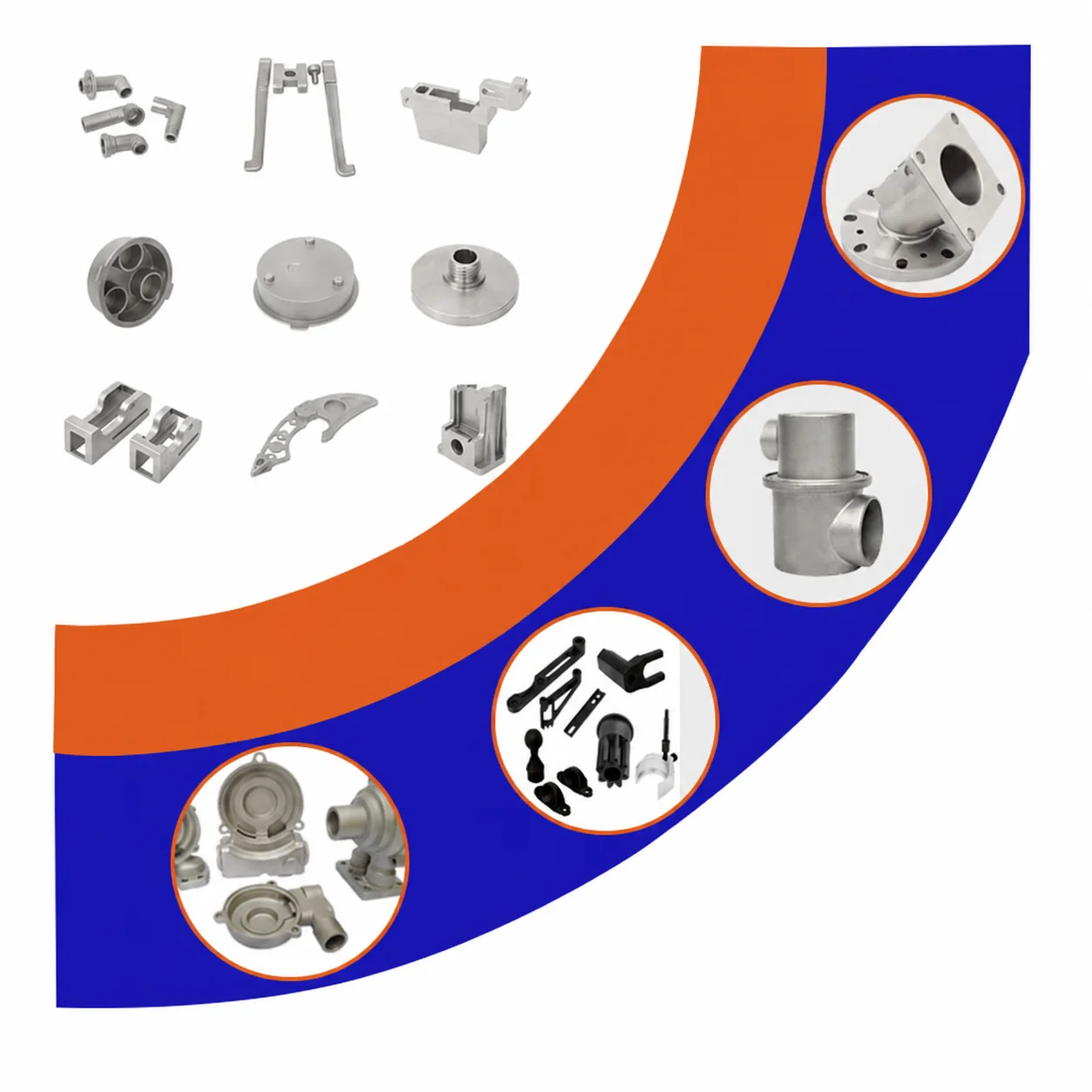
OEM/ODM custom metal machine-part services combine investment and lost-wax casting with CNC machining and surface treatment. The material directions include 304 and 316 stainless steel, while gravity casting and 3D-printed brass also form part of the project discussion. Material and color can be customized.
Define the brass printing role
A request involving 3D-printed brass should identify the actual printed object and its role in the proposed casting workflow. Keep that definition alongside the selected metal and geometry, so the printing requirement and the investment or gravity casting requirement describe the same project. Agree the relevant process sequence before evaluating the finished component.
Precision shape and the 0.2mm reference
Precision shape is an offered characteristic, and 0.2mm is the tolerance reference. Identify the controlled dimensions and confirm which operation that reference covers, including the relationship between the cast geometry and CNC-machined areas. The reference should be applied to agreed characteristics rather than expanded into an unspecified tolerance for every surface.
Custom surfaces and inspection scope
Surface treatment and custom color are available, with a burr- and sand-hole-free surface direction. Define the required external condition and how it will be accepted for the selected part. The service provides 100% inspection, making the agreed dimensional and surface criteria central to the inspection discussion.
For an OEM or ODM machine part, bring the material, shape, CNC requirements, color and surface acceptance together. Where printing is involved, the printed-object definition should accompany those requirements so that every process direction has a clear purpose.