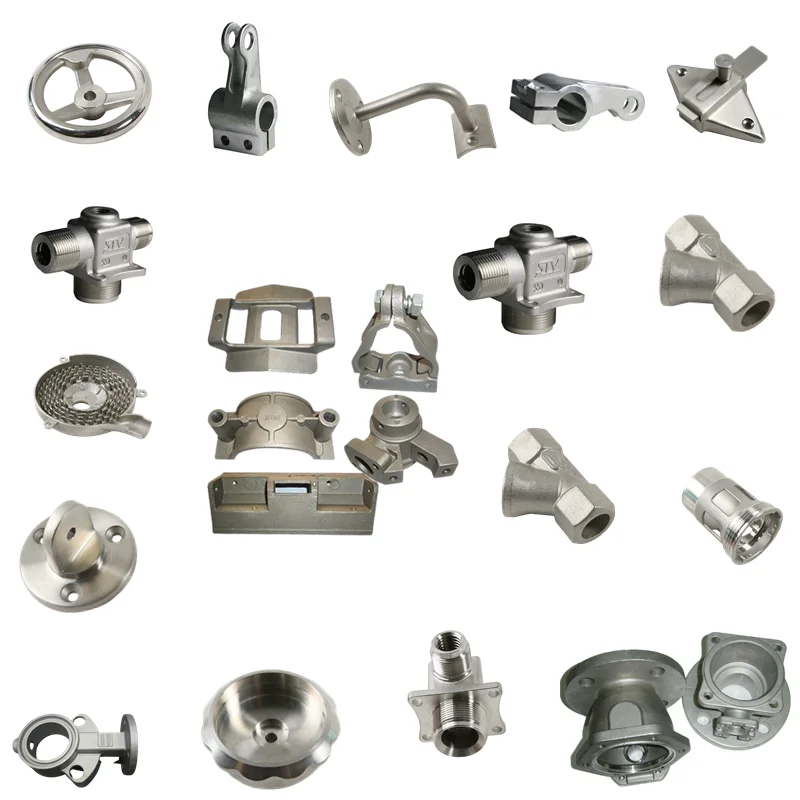
OEM Custom Stainless Steel Precision Investment Cast Vehicle/Auto Parts | CT5–CT7
Let’s define your requirement
Send a product link, drawing or short brief. We’ll work through the details with you.
- Confirm the specificationGrade or model, size and intended use.
- Define your orderQuantity, finish or configuration, and samples.
- Agree the quotation scopeIncluded work, key checks and delivery needs.
-
MaterialStainless Steel, Alloy, Brass
-
ApplicationIndustryServiceOEM ODM Customised
-
MOQ1000 PiecesInspection100% Full-checking
-
CertificationISO9001, IATF16949Product nameInvestment casting parts
-
PackingWooden Box PackagingProcessCasting +Machining(if Need)+surface Treatment
-
Casting ToleranceCT5-7
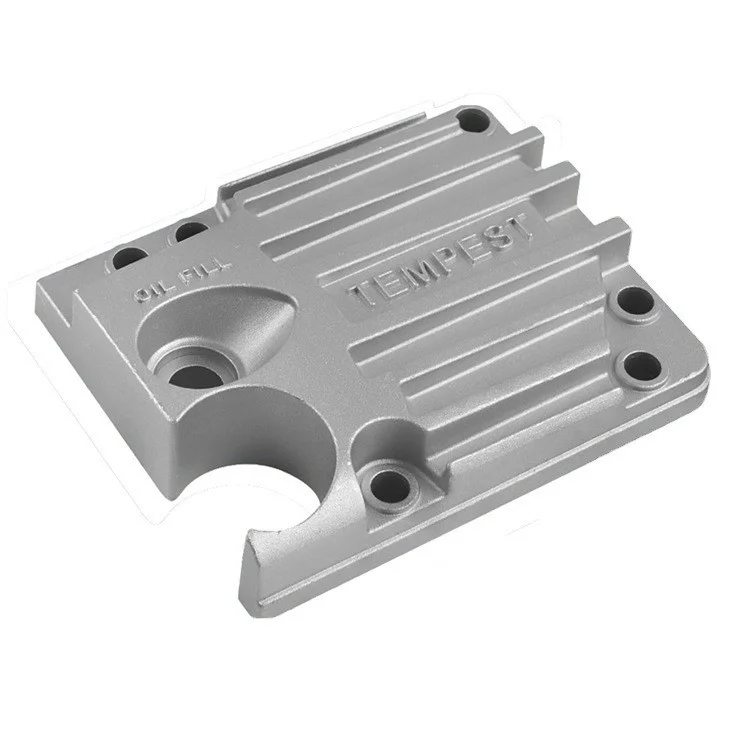
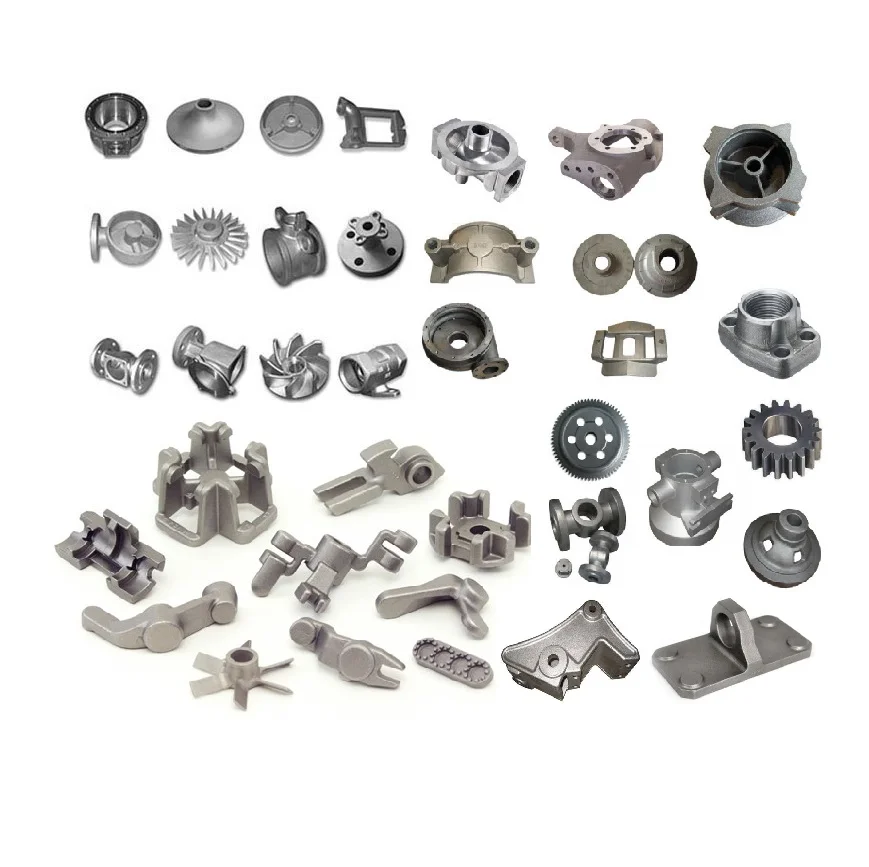
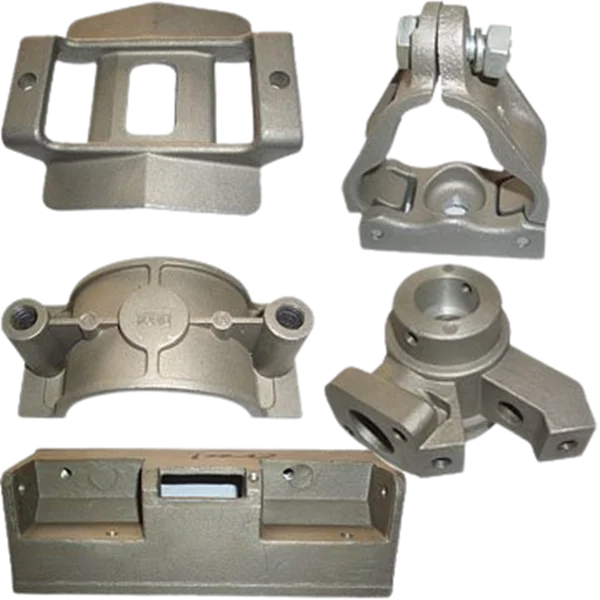
OEM/ODM precision investment casting supports custom stainless steel vehicle and automotive components, as well as industrial parts. Brass and other alloy directions are additional material choices, with CT5–CT7 casting tolerance and machining when the component needs it.
Vehicle geometry and the selected alloy
Define the actual vehicle or industrial component and choose its stainless steel, brass or other alloy requirement. The grade and geometry should identify one particular part and the function it must perform. This gives the custom casting discussion a clear application context while keeping the material and dimensional requirements specific to the component being requested.
CT5–CT7 with optional machining and treatment
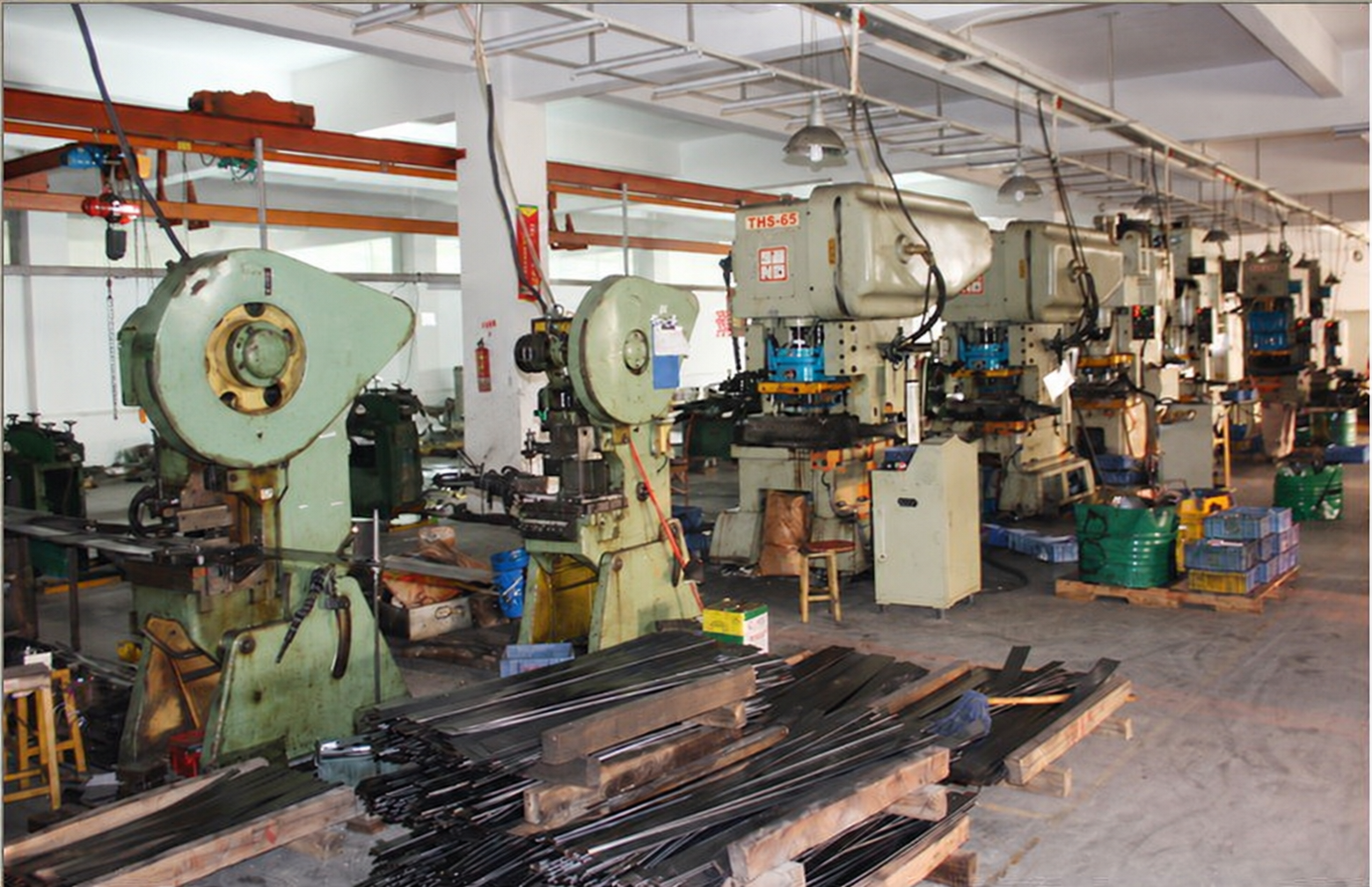
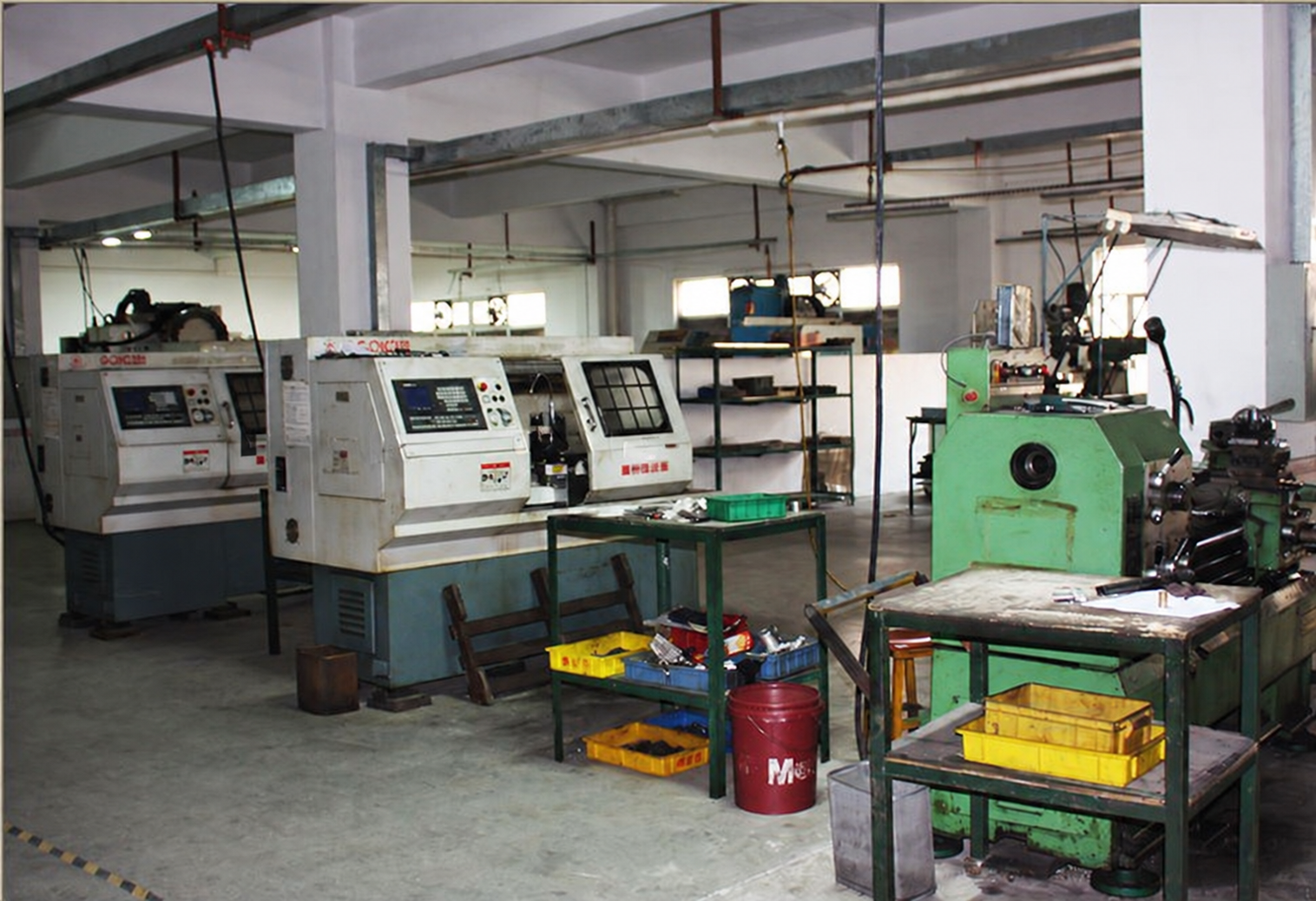
The manufacturing direction combines casting with machining if needed and surface treatment. Assign the CT5–CT7 casting reference to the relevant requirement, and identify the dimensions or surfaces needing further processing. Exact machined acceptance and the desired surface condition can then be agreed alongside the cast geometry without assuming a particular machining method or finish.
Full checking for the component requirement
These custom vehicle and industrial cast parts receive 100% full checking. Define the dimensional and surface acceptance points that matter to the selected alloy and intended component function. If the sourcing project requires ISO9001 or IATF16949 documentation, confirm the applicable certificate scope while establishing the same component acceptance requirement, keeping inspection and application qualification tied to the actual part.