
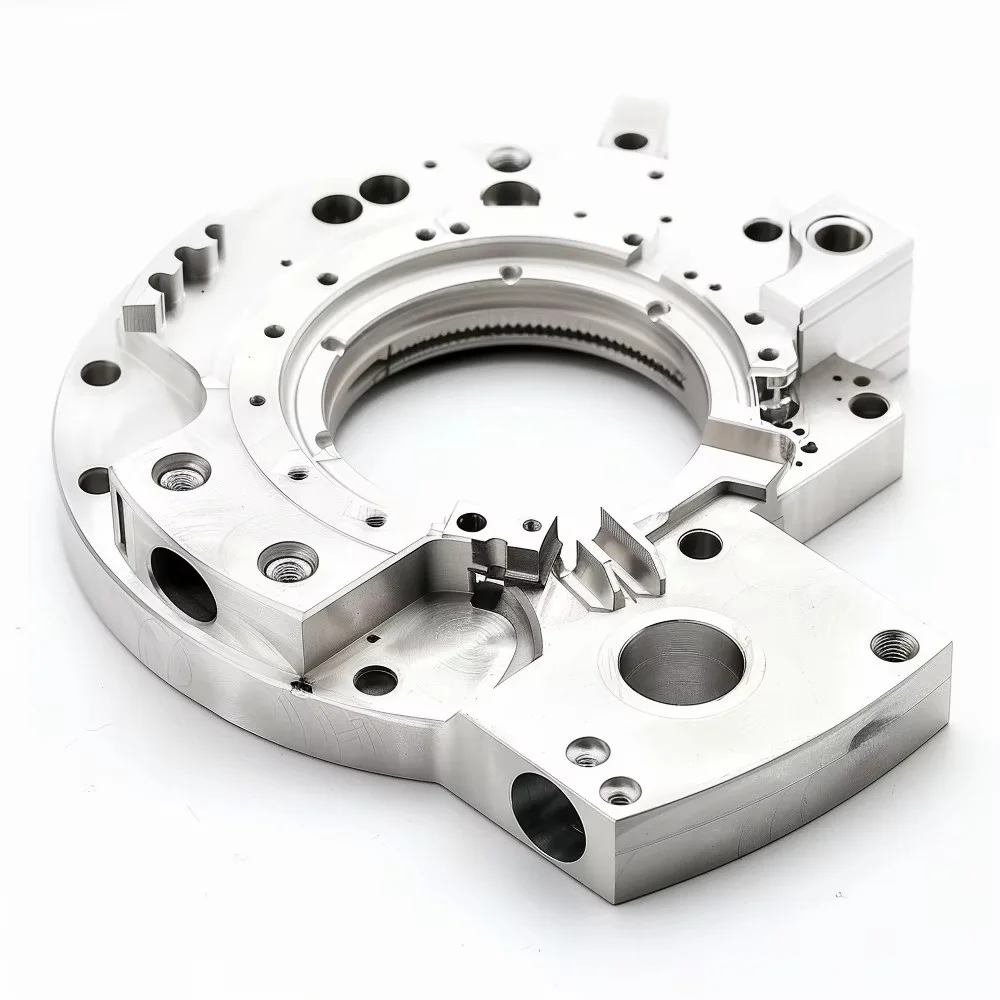
OEM Custom Stainless Steel and Iron Casting Parts | Precision Foundry, Forging and Die Casting Service
Let’s define your requirement
Send a product link, drawing or short brief. We’ll work through the details with you.
- Confirm the specificationGrade or model, size and intended use.
- Define your orderQuantity, finish or configuration, and samples.
- Agree the quotation scopeIncluded work, key checks and delivery needs.
-
Surface FinishPolished , Machined
-
Product nameCustom Casting Parts
-
Materialaluminum alloy, stainless steel, brass, copper, titanium, iron etc.Surface treatmentHeat Treatment, Polishing, Plating, Machining, Anodizing etc.
-
Size / ShapeCustomized Size\Client's DrawingsApplicationRobotics, aerospace, automotive, industrial machinery etc.
-
Tolerance+/-1umProcessCnc lathe, stamping, hobbing, forging etc.
-
SampleAccept Sample OrdersColorBlack, silver, gold, blue, red, white, yellow etc.
-
MOQ1 PCS
A drawing-defined metal component needs its material, shape and finishing route considered together. This OEM custom parts service covers stainless steel, iron and other metals, with casting, forging and additional production operations selected around the requested component.
Start with the material and part geometry
Material choices include aluminum alloy, stainless steel, brass, copper, titanium and iron. Size and shape follow the customer's drawings, so the enquiry should identify a definite grade and geometry rather than leave the metal as a broad family name. The casting or forging proposal can then be discussed against that component definition.
Build the operation sequence around the required result
CNC lathe work, stamping, hobbing and forging are among the available processes. Heat treatment, polishing, plating, machining and anodizing are also available treatment directions. Agree which operations and surface process suit the selected material; the full range should not be assumed to apply to every alloy or part.
Give precision an agreed measurement scope
The stated tolerance is +/-1um, making the covered dimensions and inspection basis especially important to define. Identify which features require that control and how their acceptance will be measured. Application directions include robotics, aerospace, automotive and industrial machinery, with the actual component requirements and any required qualification to be settled for the intended use.
Connect sample and color requests to the same brief
Sample orders are accepted, allowing the enquiry to identify a sample requirement alongside the requested part configuration. Color requests include black, silver, gold, blue, red, white and yellow. Discuss the desired color together with the selected treatment and material, so appearance and technical acceptance describe the same finished component.








