OEM Custom 304/316 Stainless Investment Castings | Aluminum/Zinc/Iron Directions, Drawing Tolerances & Electrophoresis
Let’s define your requirement
Send a product link, drawing or short brief. We’ll work through the details with you.
- Confirm the specificationGrade or model, size and intended use.
- Define your orderQuantity, finish or configuration, and samples.
- Agree the quotation scopeIncluded work, key checks and delivery needs.
-
Product nameInvestment Casting service
-
Raw matrialsAluminium alloy/Zinc alloy/Stainless steel/Iron/AlloySurfact treatmentPainting/Anodizing/Powder coating/Electrophoresis
-
TypeOEM/ Customized/TailorToleranceAccording to the drawings
-
CertificateISO2009MOQNegotiated
-
Lead timeUpon to the quantitiesInspection100% Inspection before Shipping
-
PackageExport package
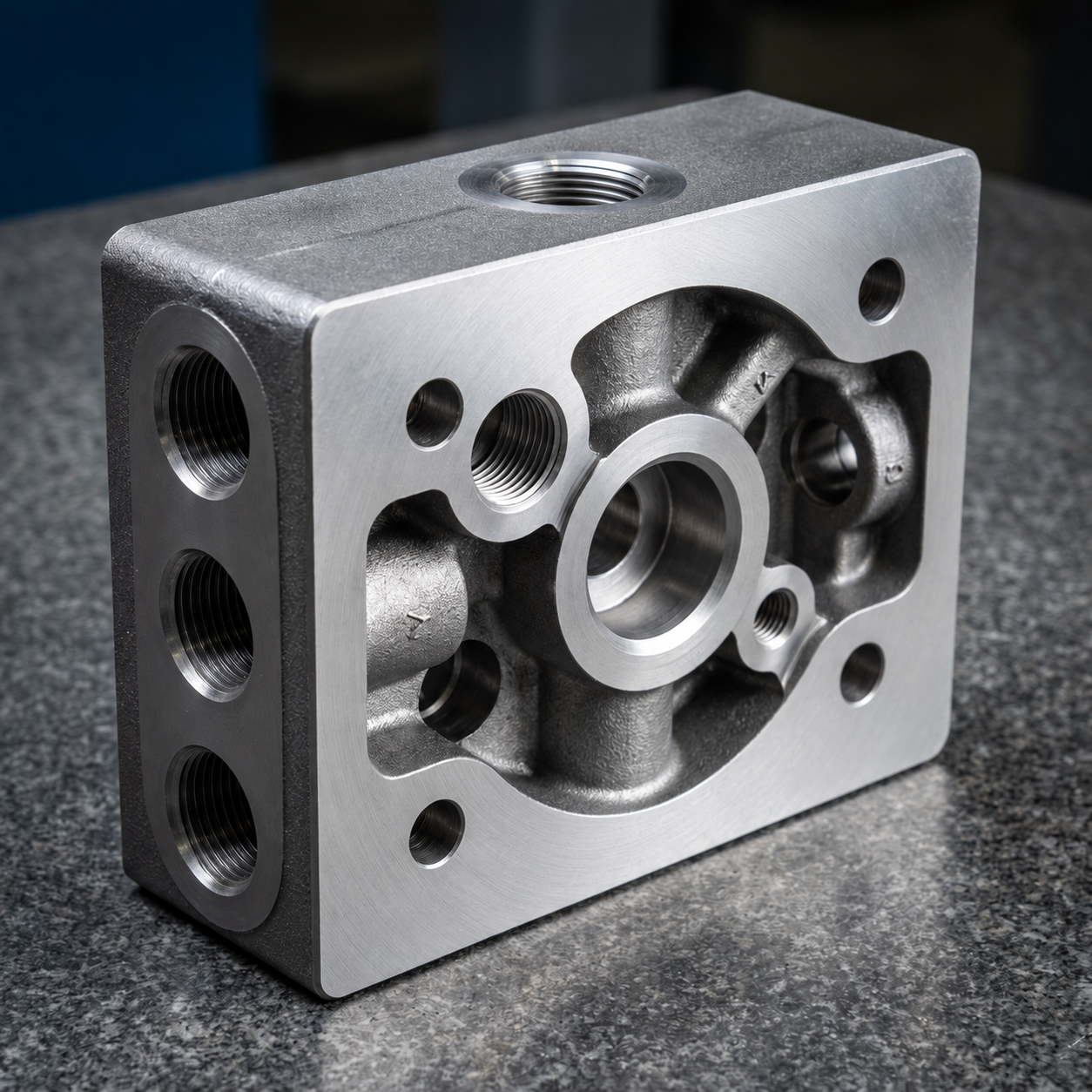
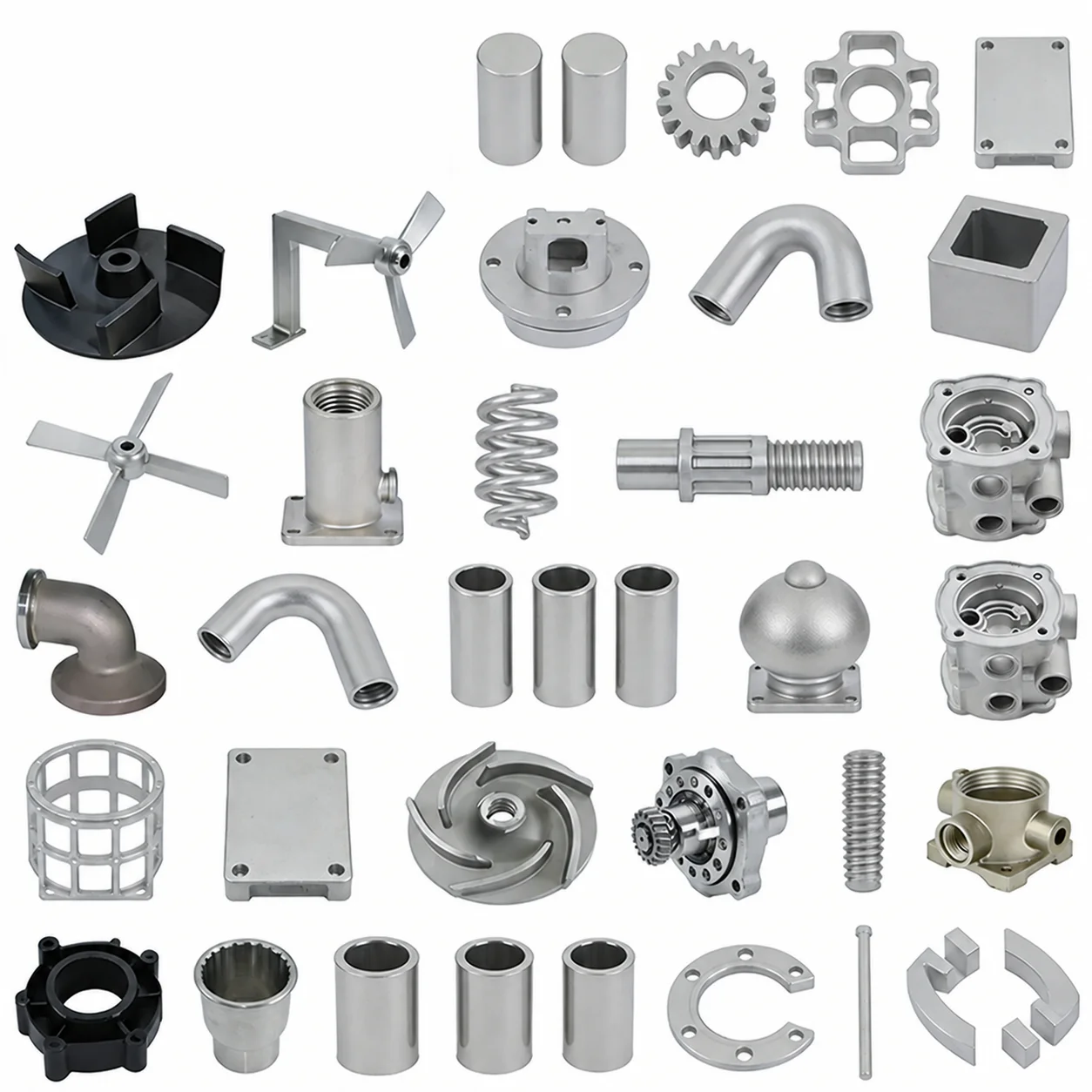
OEM custom investment-casting directions include 304 or 316 stainless steel, alongside aluminum alloy, zinc alloy, iron and other alloy choices. Tolerances follow the component drawings. Painting, anodizing, powder coating and electrophoresis provide surface-treatment directions, with the applicable finish selected for the actual material and part.
Select the 304/316 or alternative material requirement
Choose the actual stainless-steel grade or define the selected aluminum, zinc, iron or other alloy requirement. Describe the component geometry and intended service conditions. Agree the compatible casting and surface-treatment scope for that material rather than treating every finish as suitable for every metal.
Use drawing tolerances to define precision
Identify the controlled dimensions and tolerances that govern the custom casting. Keep those requirements attached to the actual part geometry and the manufacturing stage being evaluated. A drawing-based definition gives the precision request a component-specific basis without assuming a single numerical tolerance for all material directions.
Inspect the treated surfaces and finished dimensions
Specify the areas requiring painting, anodizing, powder coating or electrophoresis and describe the desired final result. The customized castings receive 100% final inspection, with characteristics and methods agreed for the selected component. Define the dimensional and surface acceptance criteria and the records needed to assess them. Connect that evaluation to the chosen grade, drawing requirements and treatment areas so the requested finish and precision describe the same part.