
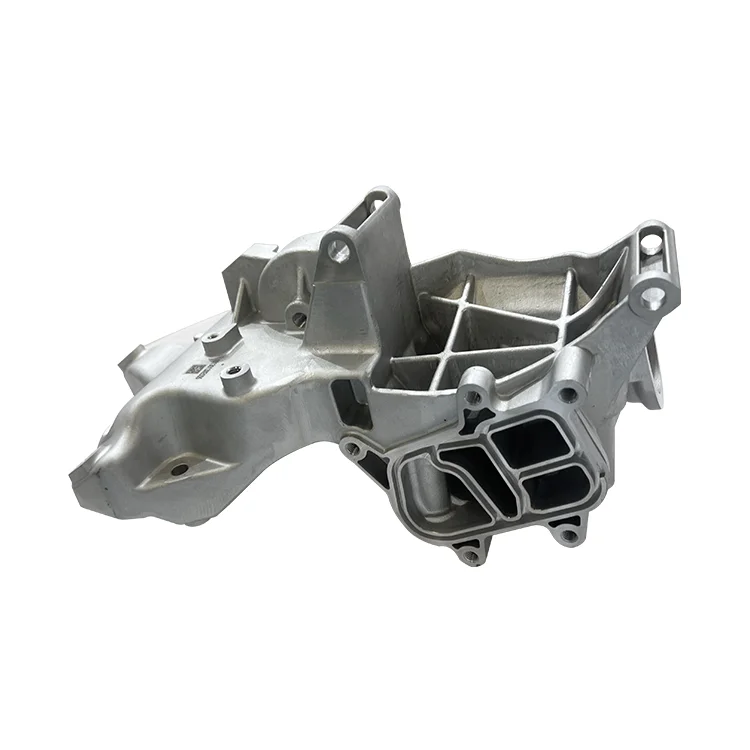
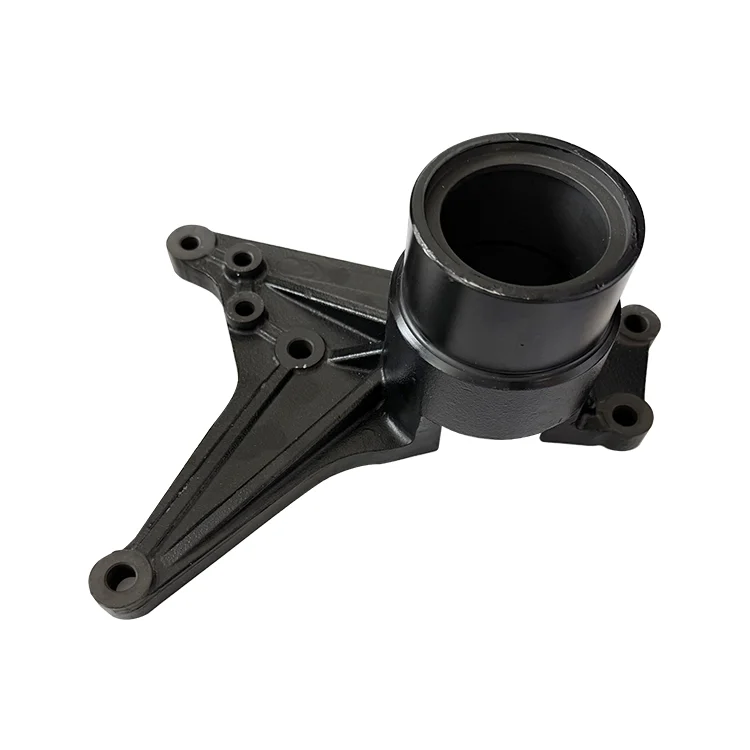
OEM Automotive Casting: Zamak 3/5 Zinc Alloy, Alloy Steel, Carbon Steel and Aluminum Requests
Let’s define your requirement
Send a product link, drawing or short brief. We’ll work through the details with you.
- Confirm the specificationGrade or model, size and intended use.
- Define your orderQuantity, finish or configuration, and samples.
- Agree the quotation scopeIncluded work, key checks and delivery needs.
-
Surface FinishAnodized
-
MaterialAluminum Alloy,
-
ProcessCasting +Machining(if Need)+surface TreatmentServiceOEM ODM Customised
-
DimensionsCustomized SizesStandardGB ASTM AISI DIN BS
-
Quality Control100% InspectionTolerance0.002mm
-
ColorCustormer's RequirementsFinishanodizing
-
MOQ1 Piece
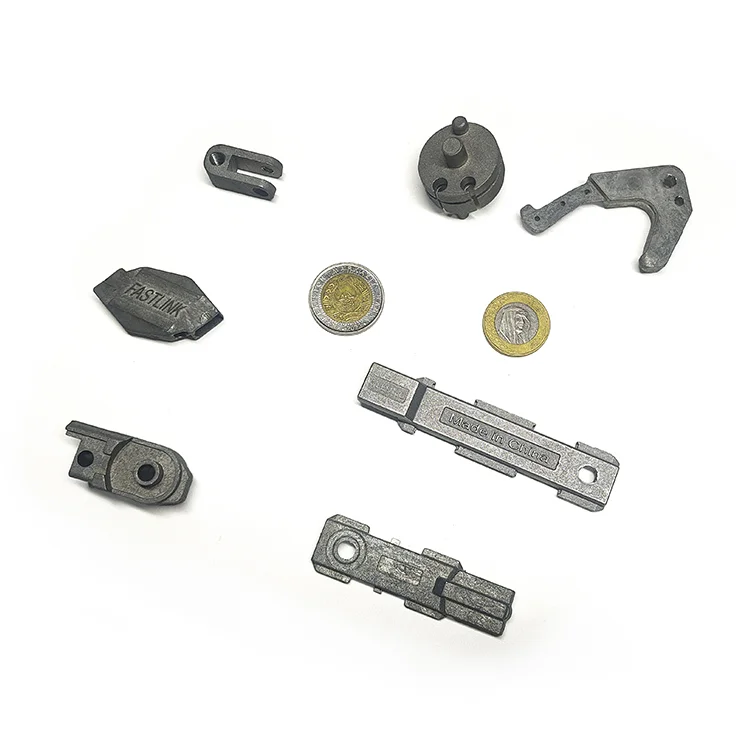
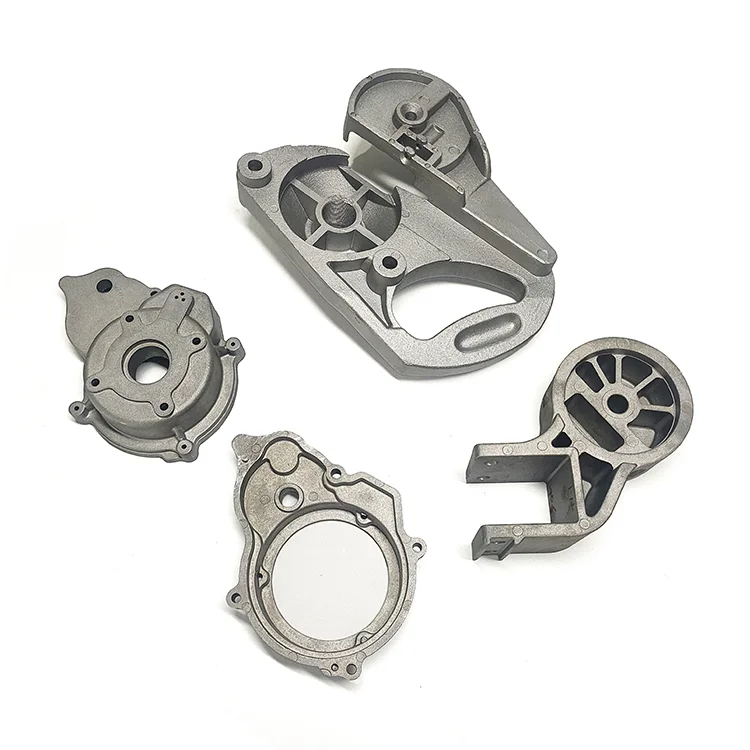
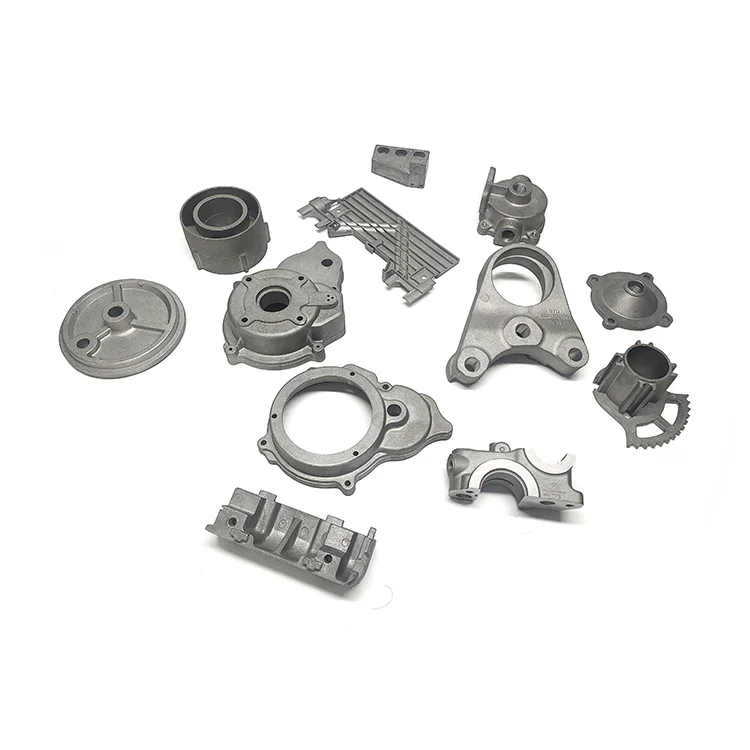
Custom automotive casting starts with the metal and the part it must become. This OEM/ODM service supports customer-defined sizes, machining when needed and surface treatment, with material requests spanning Zamak 3 or Zamak 5 zinc alloy, alloy steel, carbon steel and aluminum.
Connect the automotive part to its casting route
Gravity casting and die casting are process directions to discuss for the chosen component. Match the actual alloy, geometry and finished interfaces to the agreed route, so a request for one metal does not carry an assumption that every process applies to it. Describe where the component joins the automotive assembly and which dimensions control that fit.
Separate cast geometry from machined interfaces
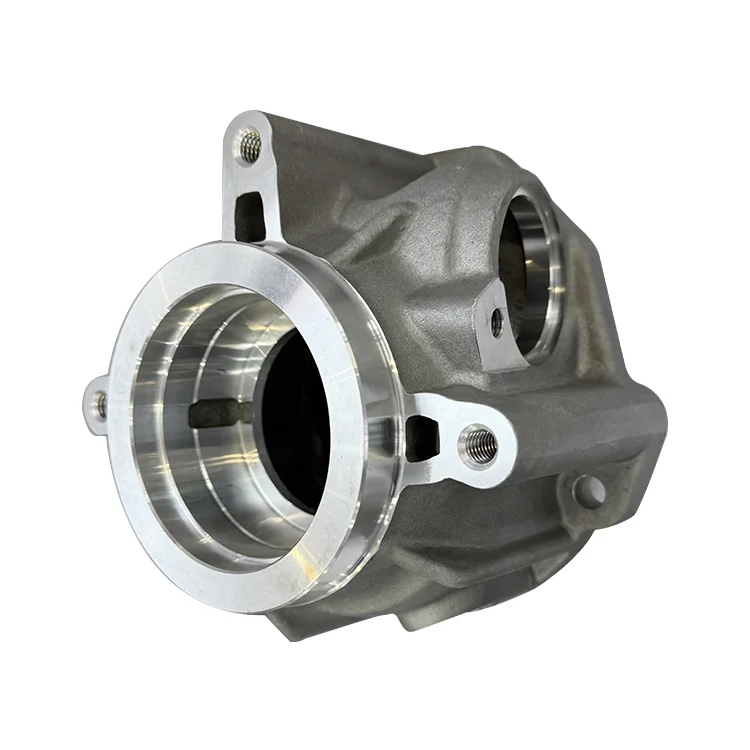
The service can combine casting with machining where the part requires it. Identify the surfaces that need a finished dimension and distinguish them from surfaces accepted in the cast condition. Agree the acceptance criteria for each important interface, rather than using a single precision phrase to describe every surface on the component.
Coordinate anodizing, color and material
Anodizing is a finish direction, while color follows customer requirements. Review its suitability for the selected metal and define the appearance of visible surfaces alongside the dimensions of mating areas. Keeping those requirements together helps the finish discussion address the actual part, including any areas that should retain a defined fit after treatment.
Build an inspection agreement around the order
The minimum order is one piece, and 100% inspection is offered. For a drawing that refers to GB, ASTM, AISI, DIN or BS, identify the actual specification and its application to the order. Record the material choice, dimensional checks and surface acceptance together so inspection has a clear, component-specific basis.








