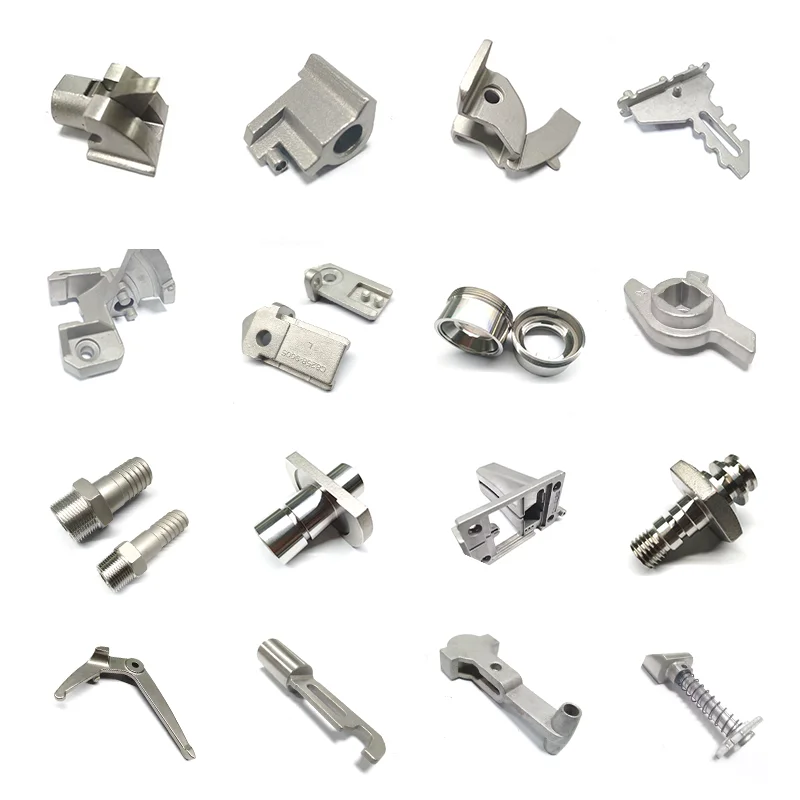
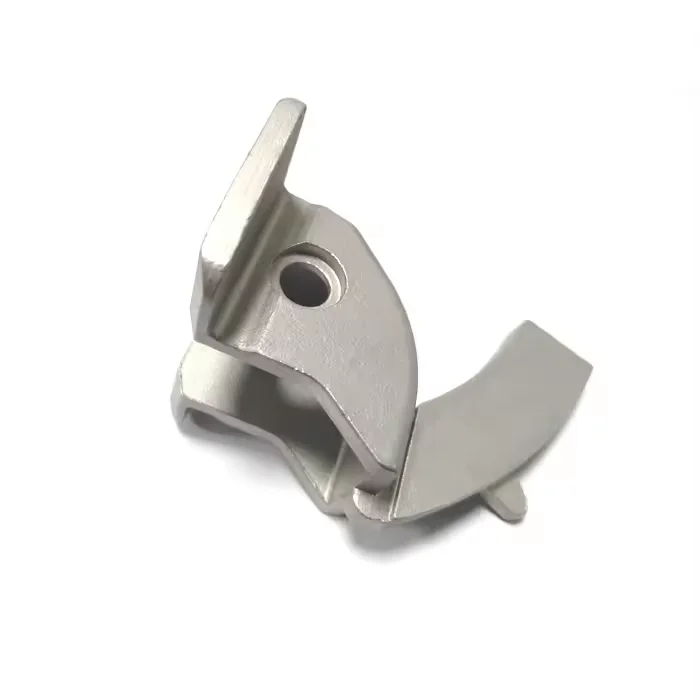
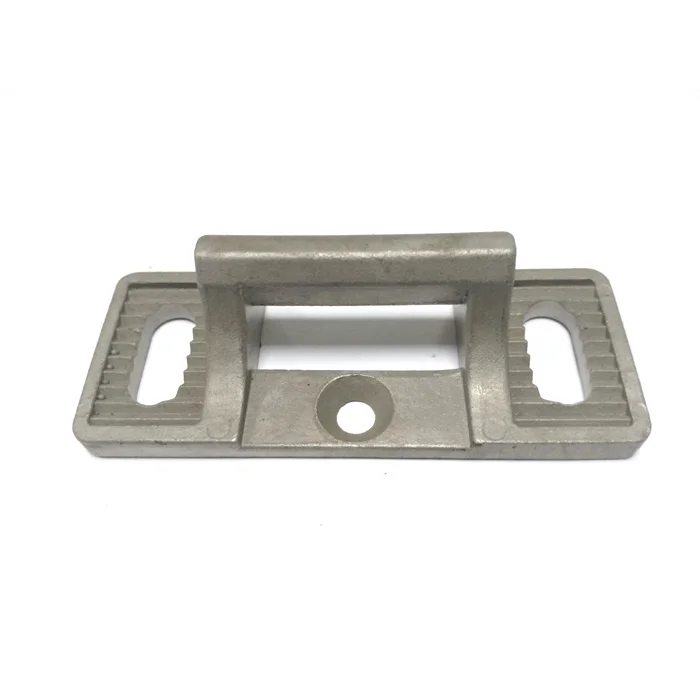
OEM ADC12 Aluminum/304 Stainless Steel Precision Decorative Castings | Lost-Wax Investment/Die Casting
Let’s define your requirement
Send a product link, drawing or short brief. We’ll work through the details with you.
- Confirm the specificationGrade or model, size and intended use.
- Define your orderQuantity, finish or configuration, and samples.
- Agree the quotation scopeIncluded work, key checks and delivery needs.
-
Surface FinishPolished
-
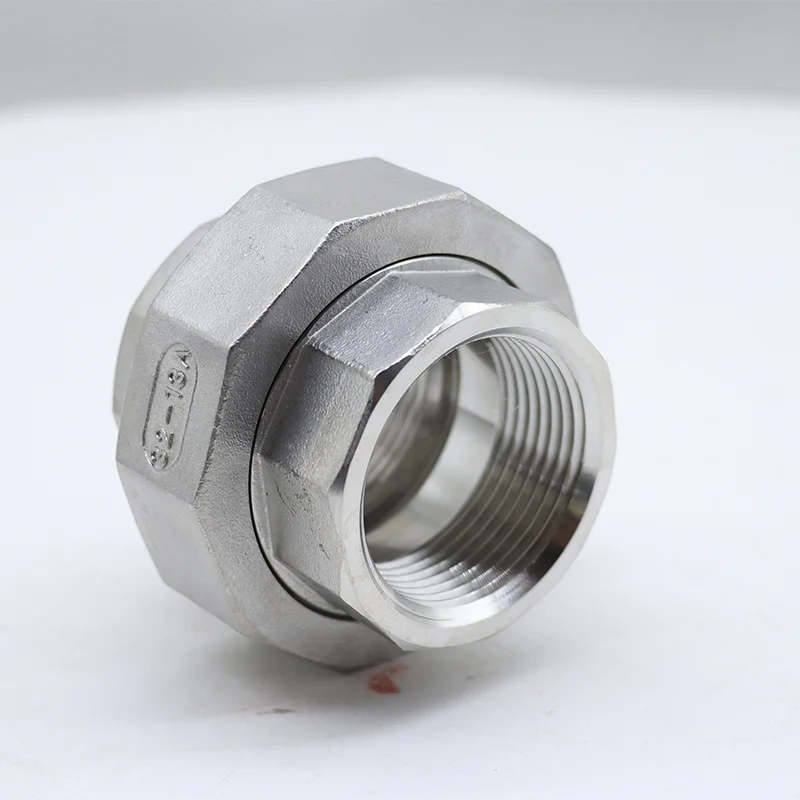
Product namecustom stainless steel lost wax casting oem investment castings
-
MaterialStainless steelApplicationMachinery
-
Surface treatmentPolishingProcessInvestment Casting+machining+polishing
-
ServiceOEM SeriviceCertificationISO9001:2015
-
StandardGB ASTM AISI DIN BSSizeCustomer's 3D Drawing
-
Tolerance0.02mm
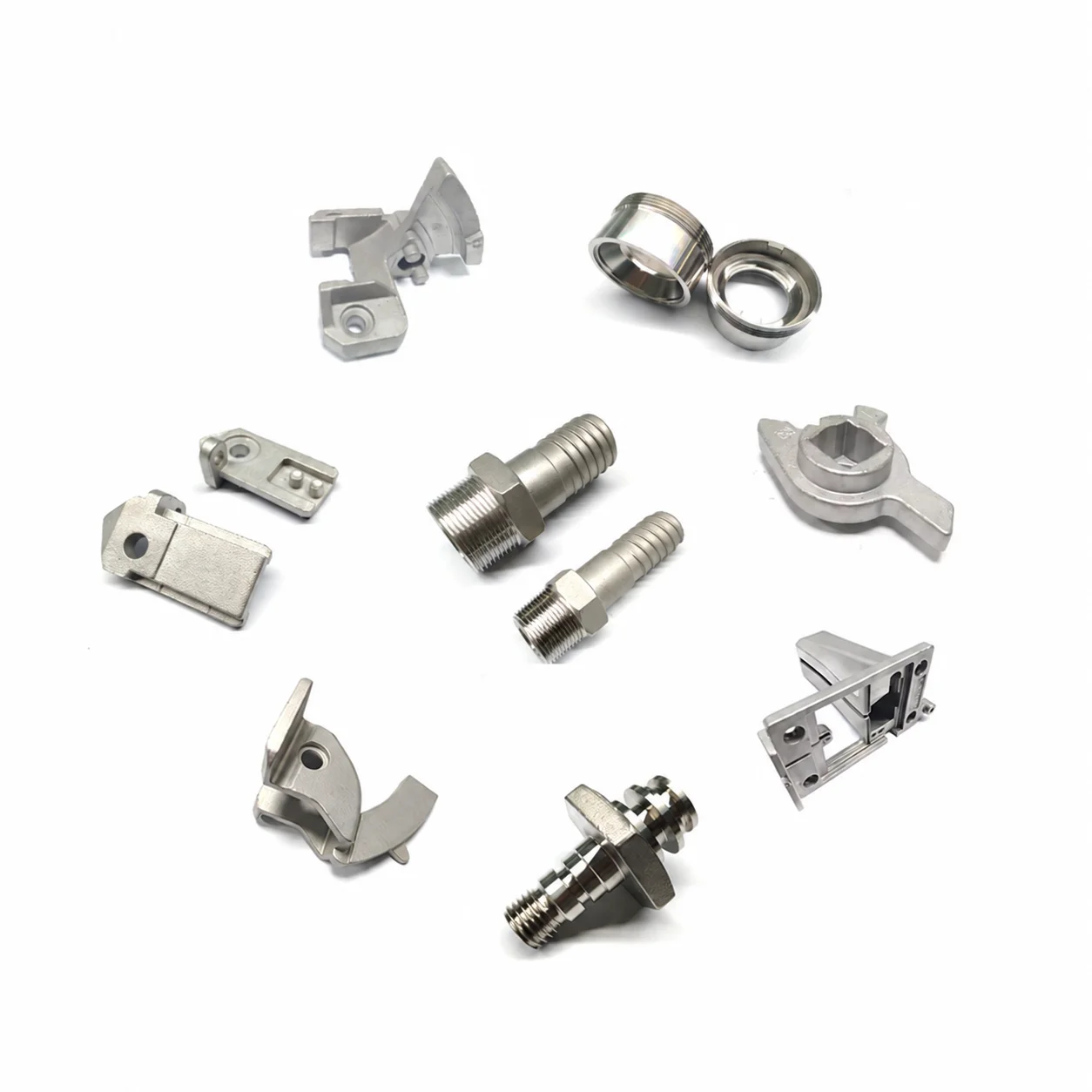
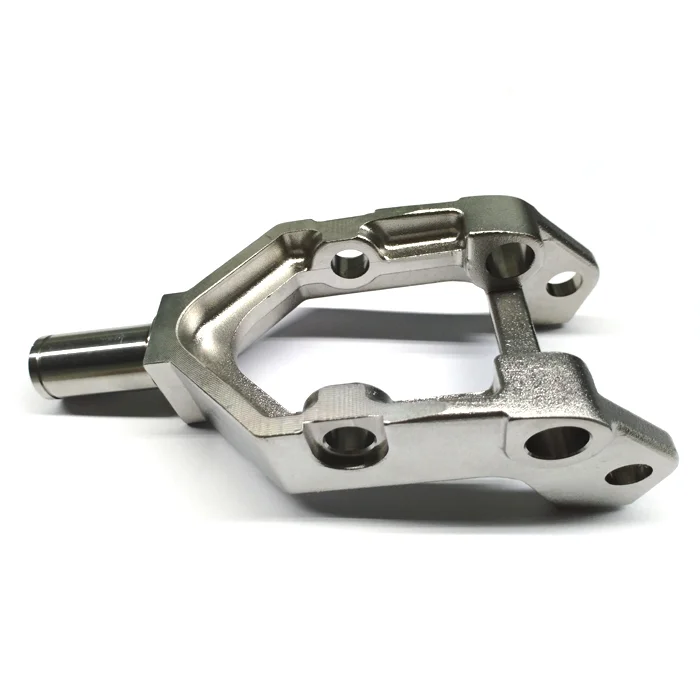
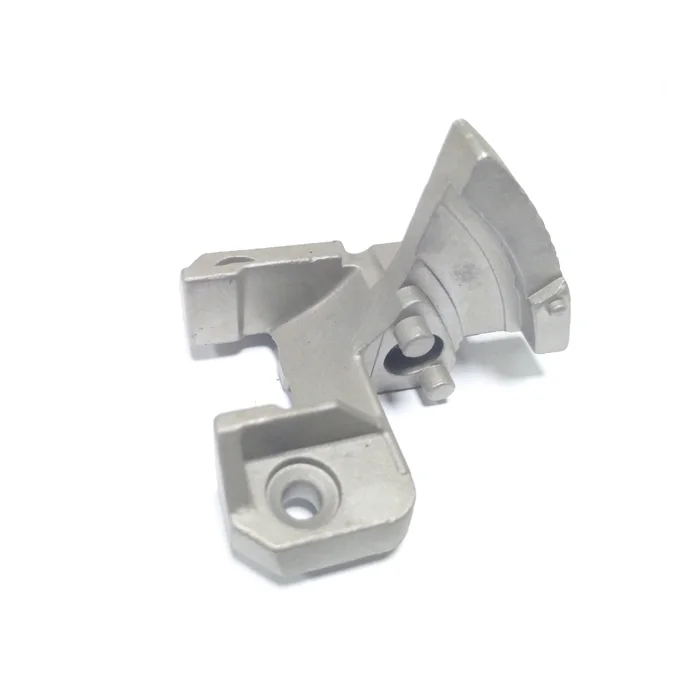
Custom precision casting services offer ADC12 aluminum and 304 stainless steel directions for decorative and machinery-part projects. Investment/lost-wax casting and die casting are available routes to select around the actual material and geometry. OEM support includes customer 3D drawing inputs, machining and polishing.
Decorative or machinery component definition
Identify the intended part and choose its actual ADC12 aluminum or 304 stainless steel material. The decorative direction and machinery application should each be assessed against the component's geometry and required finished condition. Agree the compatible casting route for that specific material and part.
3D geometry and the 0.02mm reference
Size can follow the customer's 3D drawing, and the tolerance reference is 0.02mm. Identify the dimensions that require control and confirm the operation or stage to which that reference applies. The dimensional request should describe the actual component and its acceptance limits clearly enough to review the proposed casting.
Machined and polished areas
Machining and polishing are available within the casting process. Define the areas needing machining and the surfaces requiring polishing, then agree the required condition after those operations. Keeping these requirements tied to the geometry helps connect decorative appearance and dimensional acceptance where both matter to the part.
Standard references include GB, ASTM, AISI, DIN and BS. Specify the applicable standard and grade alongside the drawing, controlled dimensions and surface criteria. This gives the OEM casting request a focused basis for reviewing the selected aluminum or stainless steel component.