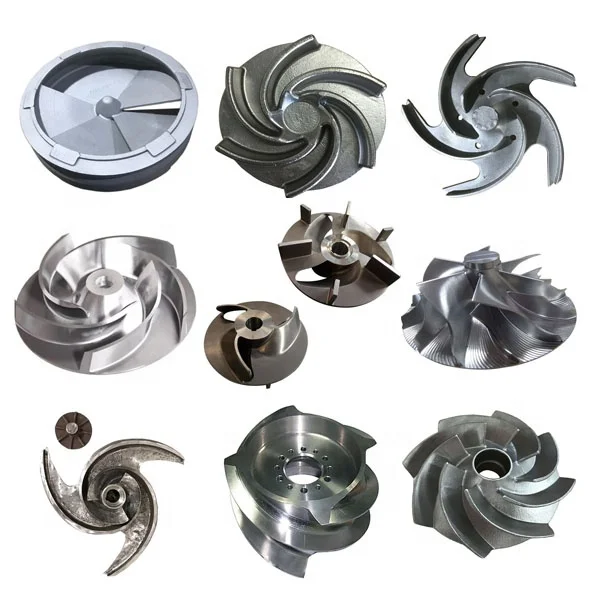
OEM 316L Stainless Steel Spiral Shaft Meat Grinder Impeller Precision Lost-Wax Investment Casting
Let’s define your requirement
Send a product link, drawing or short brief. We’ll work through the details with you.
- Confirm the specificationGrade or model, size and intended use.
- Define your orderQuantity, finish or configuration, and samples.
- Agree the quotation scopeIncluded work, key checks and delivery needs.
-
Component FormImpeller / RotorSurface FinishSandblasted , Polished
-
Namelost wax casting
-
DimensionsAs drawingsToleranceCustomized
-
Weight0.01-1000kgServiceManufacturer, OEM, ODM
-
ApplicationAuto /medical/agricultural/train/valve/textileFinishpolish.sandblast, colour anodize, plated and etc
-
Inspection100% inspectionCertificationISO9001:2008 , ISO/TS16949
-
Export MarketsGlobal
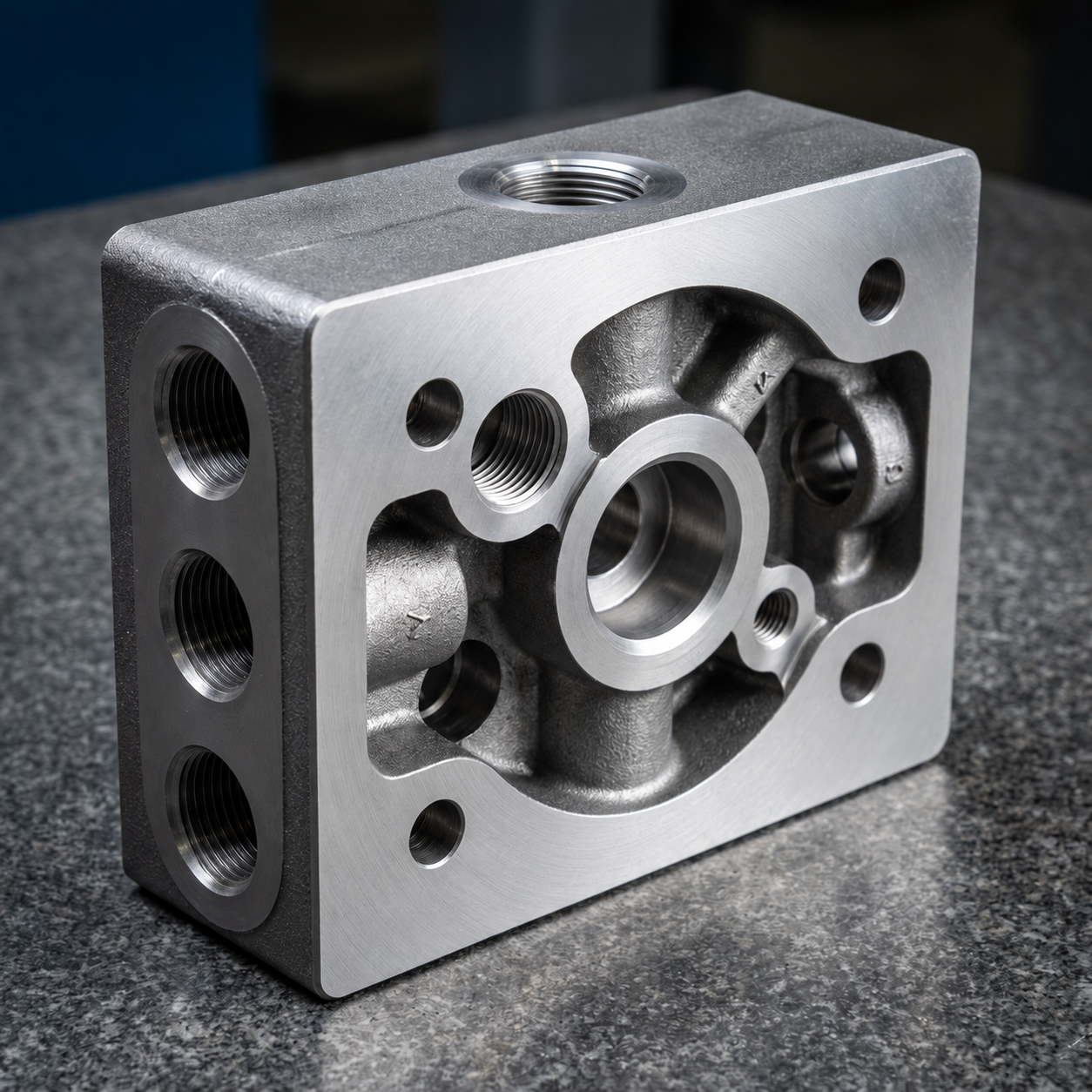
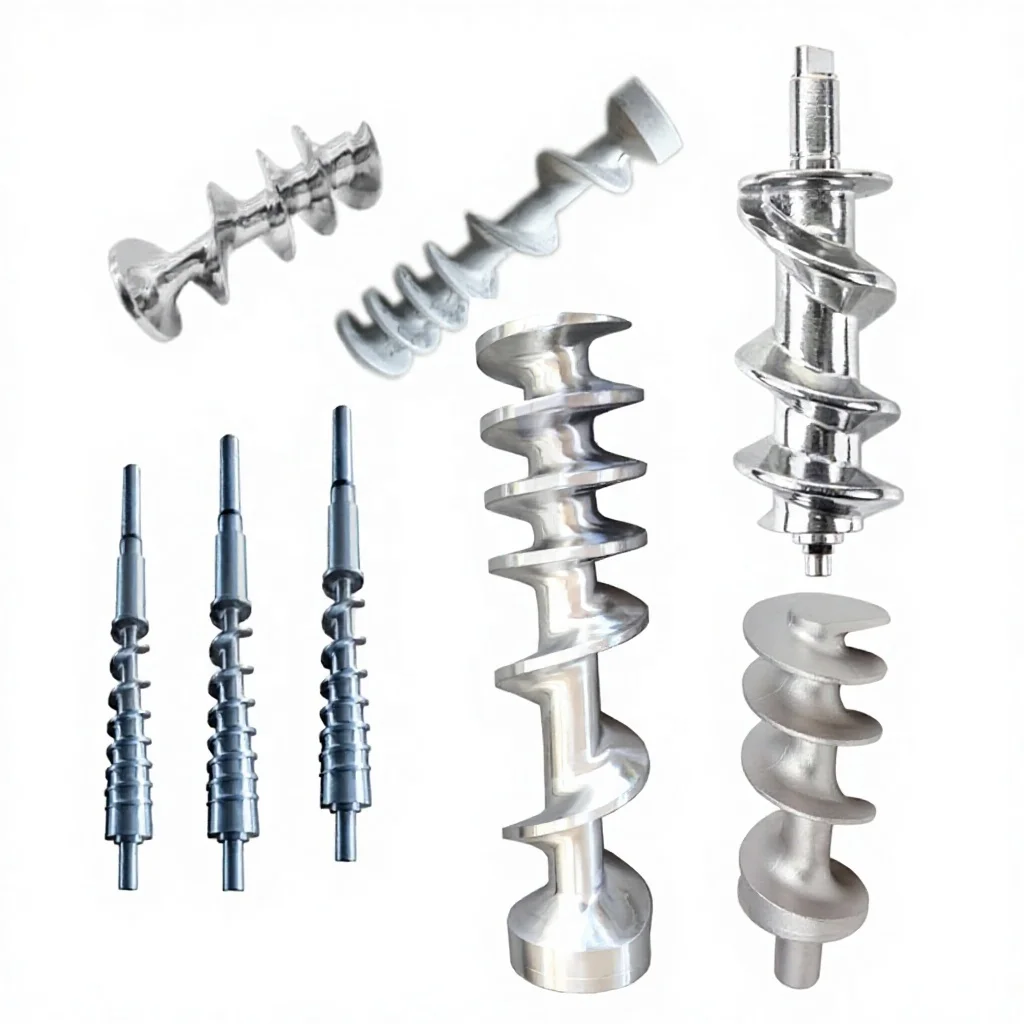
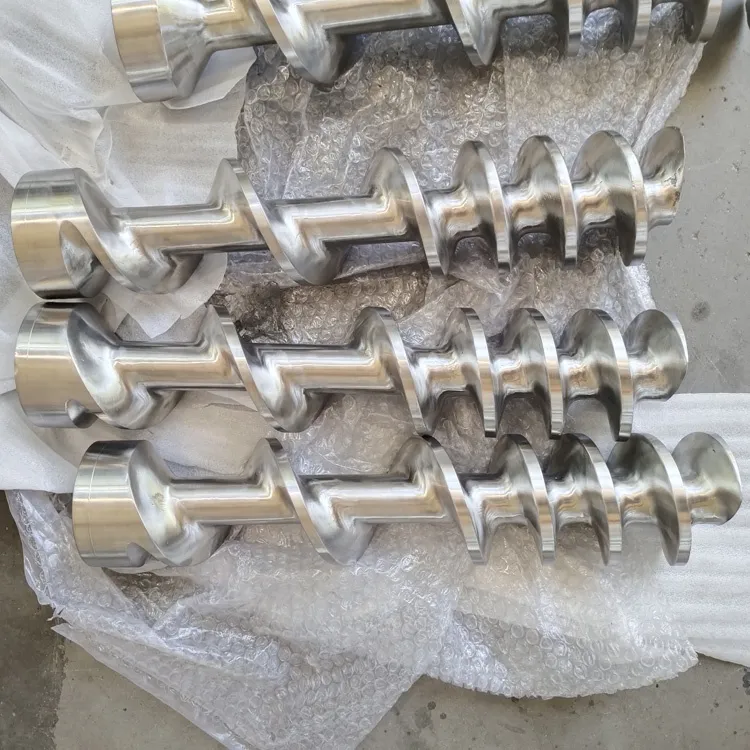
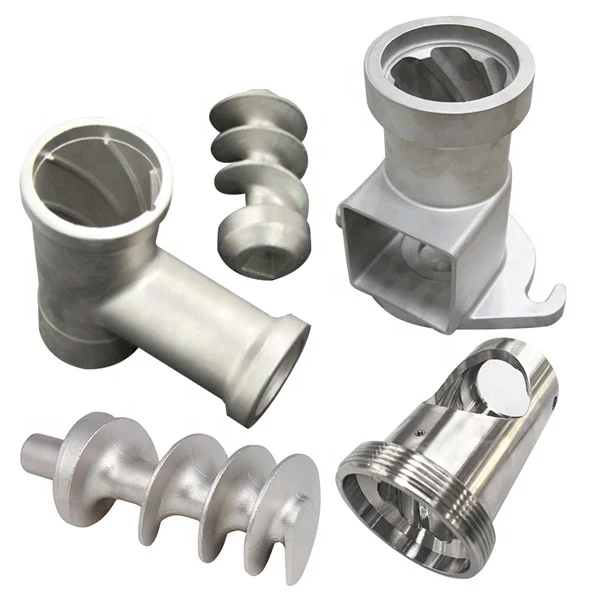
OEM/ODM 316L stainless-steel casting inquiries cover spiral-shaft, meat-grinder and impeller part directions through precision investment and lost-wax casting. Dimensions follow drawings, tolerance is customized, and the actual component is selected for its intended equipment role.
Identify the shaft, grinder or impeller geometry
Define the component being requested and the interfaces it must meet within the equipment. The 316L stainless-steel requirement should be connected to that drawing and its actual operating or contact conditions. This establishes the part's manufacturing scope without assuming that a broad set of component names identifies one universally interchangeable item.
Drawing dimensions and custom tolerance
Use the drawing to establish size and the dimensions important to finished acceptance. Tolerance is customized for the selected part, so agree the relevant dimensional and measurement requirements directly. The precision casting direction can then address the agreed geometry and dimensional acceptance for that component.
Finishing the chosen 316L component
Polishing, sand blasting, color anodizing and plating are finishing directions for discussion. Assign the applicable method and areas to the actual material and required finished condition. Agree surface acceptance alongside the drawing so that a broad finish range is not treated as identical work for every component.
Inspection and the actual application
A 100% inspection requirement accompanies the named shaft, grinder and impeller casting directions. Agree the checks against the selected dimensional and surface acceptance. Broader use directions include automotive, medical, agricultural, train, valve and textile work; each inquiry needs its own part definition and operating/contact requirements. The actual equipment role and any required application acceptance should guide the final OEM/ODM scope.