
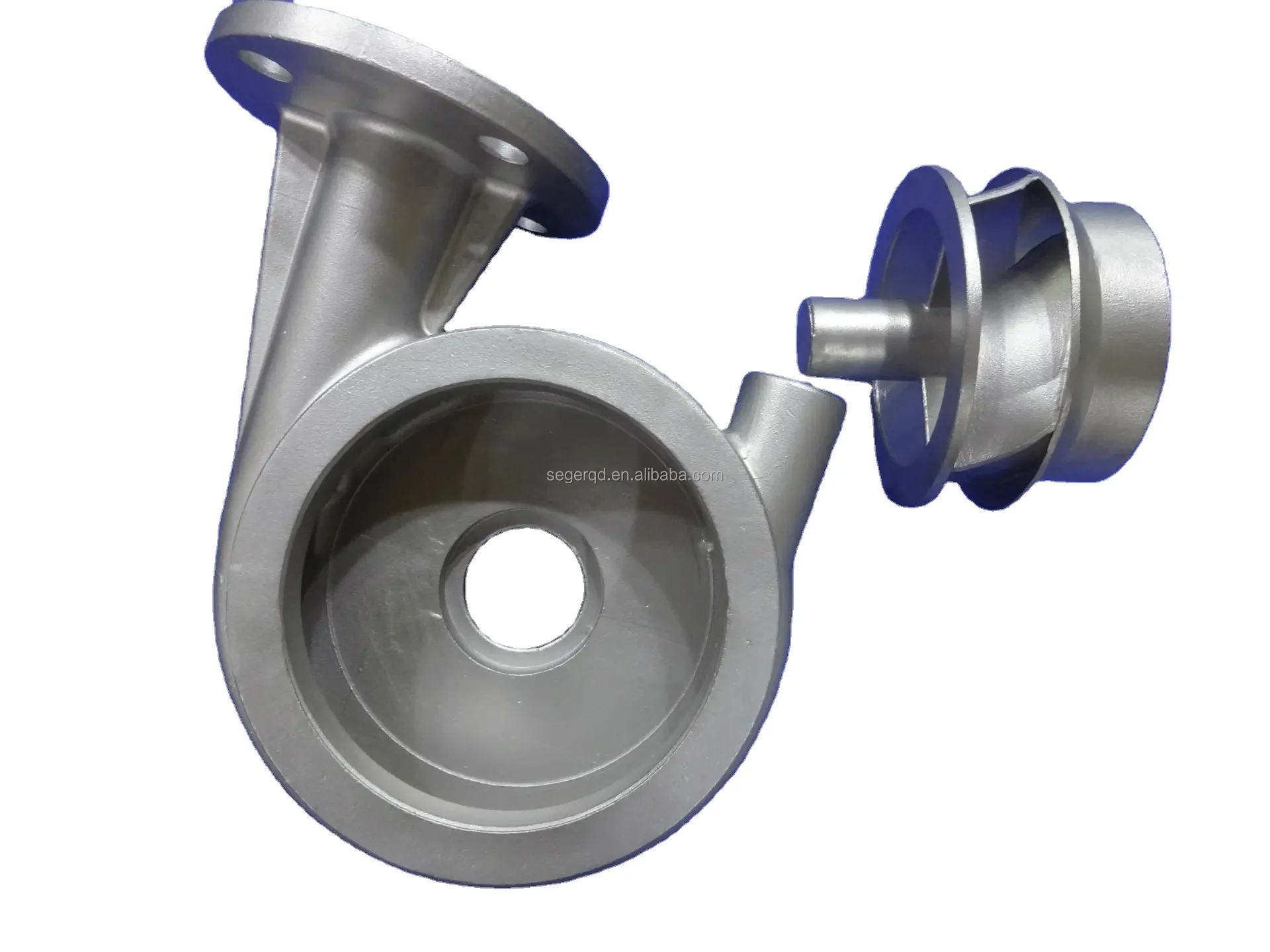
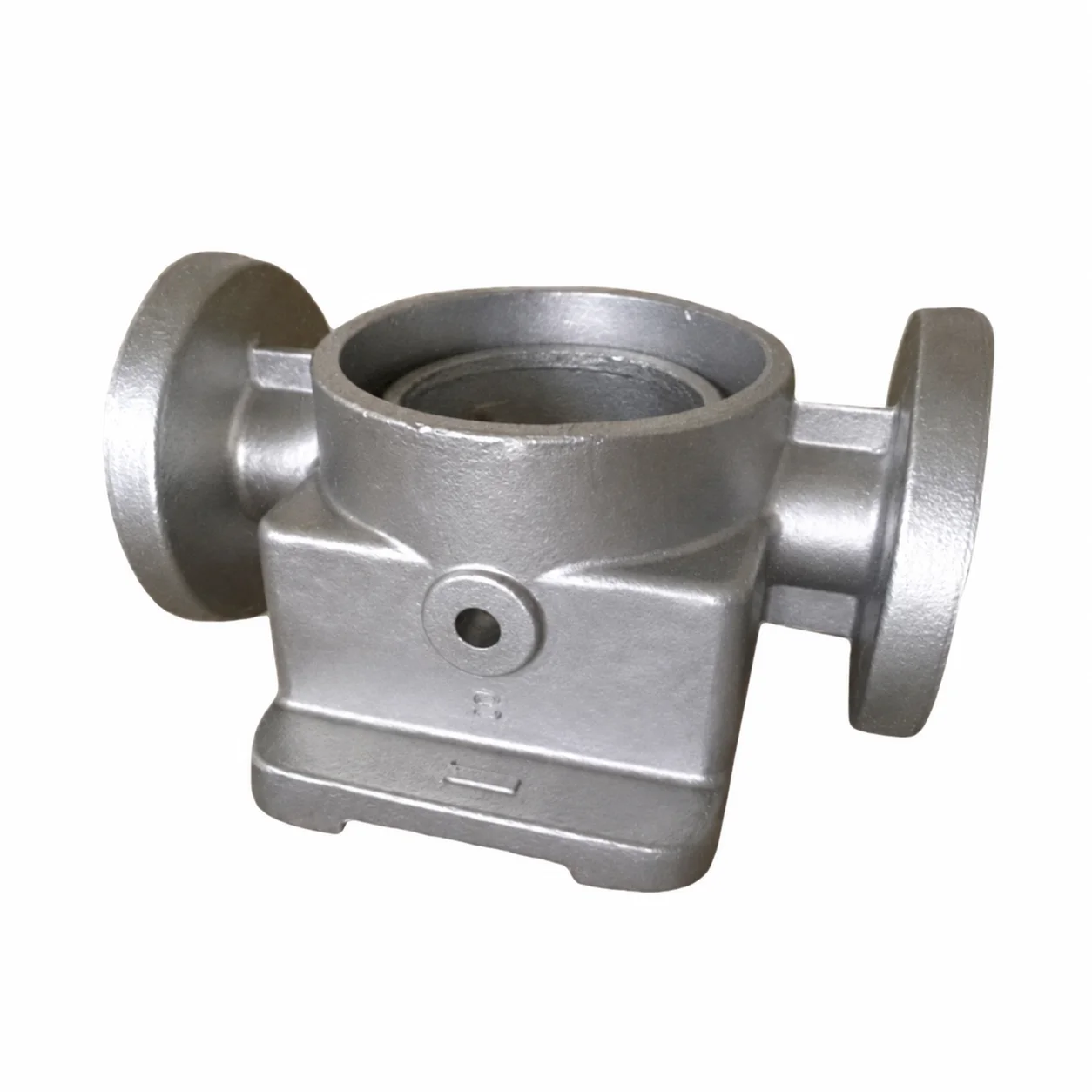
OEM 304/316/316L Stainless-Steel Boat Parts | Precision Lost-Wax Investment Foundry Casting and Machining
Let’s define your requirement
Send a product link, drawing or short brief. We’ll work through the details with you.
- Confirm the specificationGrade or model, size and intended use.
- Define your orderQuantity, finish or configuration, and samples.
- Agree the quotation scopeIncluded work, key checks and delivery needs.
-
OEM serviceok
-
StandardANSI/ASTM, BS, DIN, NFA, JIS, and ISOMain marketEurope,North America,Austrilia...
-
SamplesavailableMaterialiron,aluminum,stainless steel
-
ApplicationBoatProcesscasting and machining
-
Quality ControlISO16949CertificationISO9001:2000
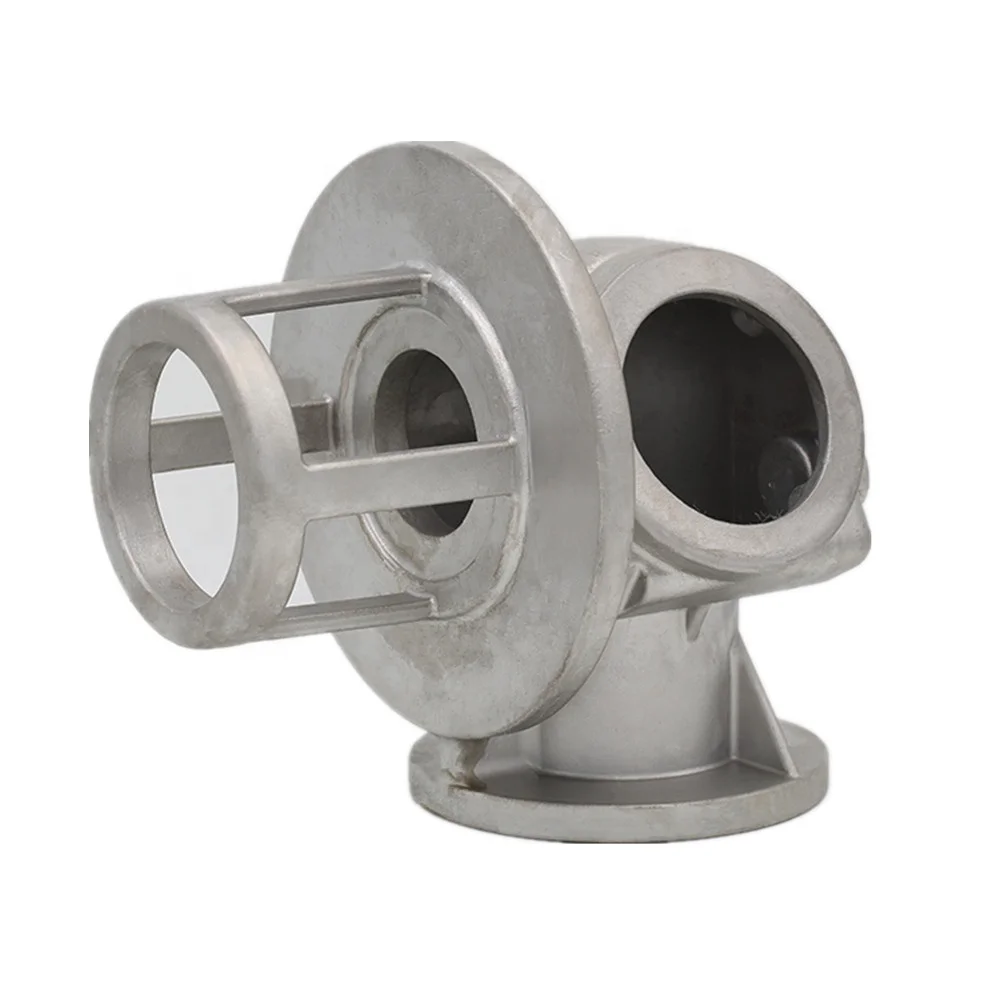
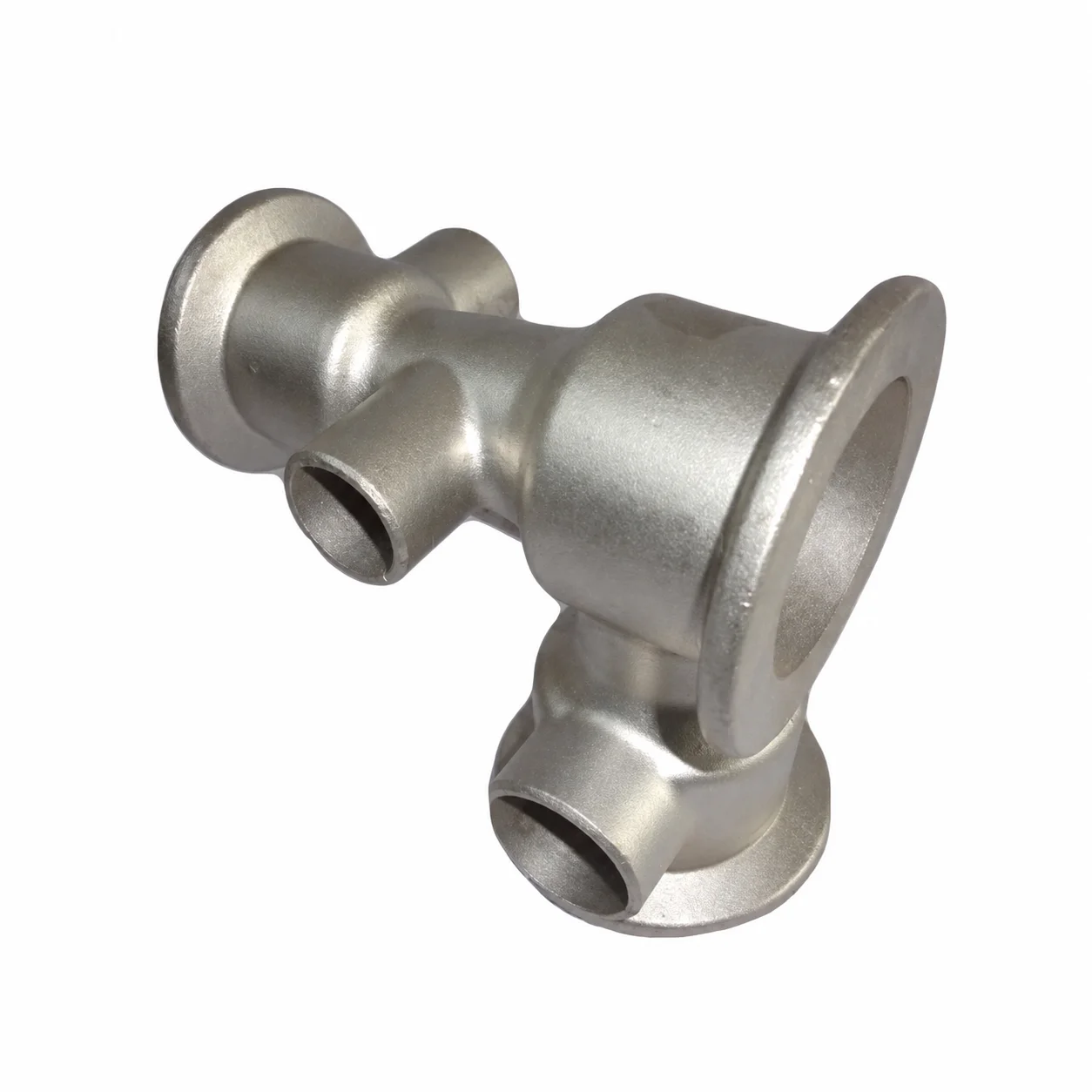
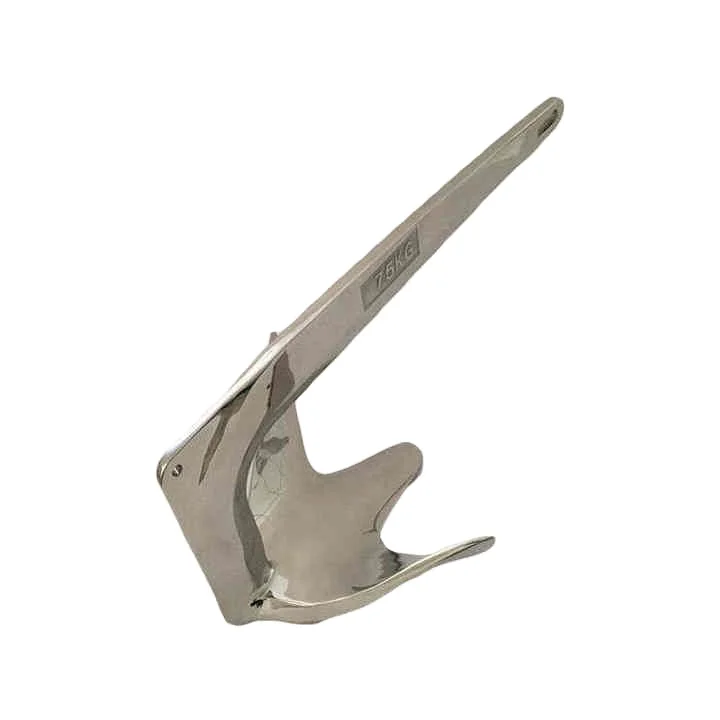
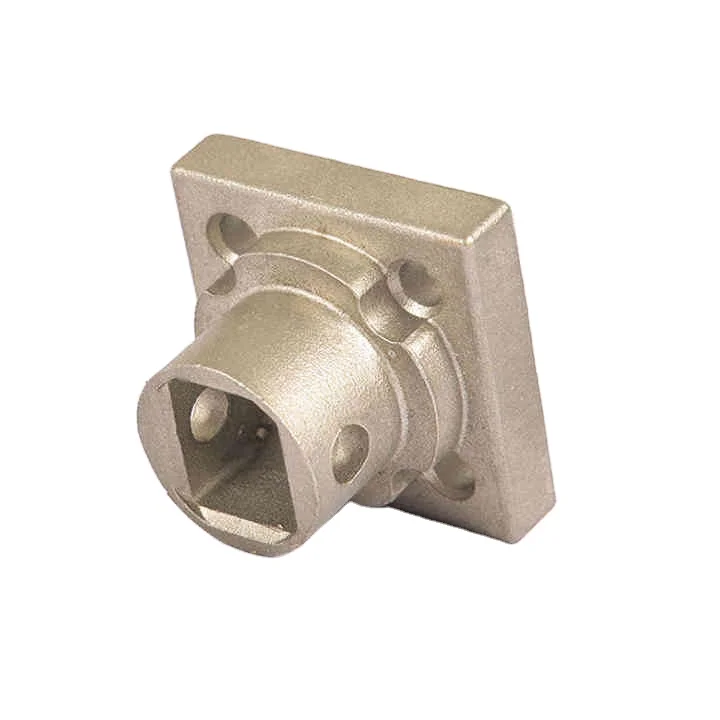
OEM boat-component inquiries include precision lost-wax investment casting in 304, 316 and 316L stainless steel, alongside iron and aluminum material directions. Casting and machining provide the manufacturing scope for the selected part. Samples are available, with the actual component and sample requirement to agree for the intended boat application.
Boat geometry and the selected grade
Choose the actual material grade and condition required for the component, keeping the 304, 316 and 316L directions tied to the intended part. Define its geometry and the dimensions important to fit or assembly. The boat function, mating interfaces and actual service environment should inform that choice, so the casting and machining requirements address the component that is needed.
ANSI/ASTM, BS, DIN, NFA, JIS and ISO
The standard references support discussion of the actual material and component requirement. Identify the applicable designation alongside the grade, cast dimensions and machined surfaces. Agree surface and inspection acceptance with those requirements, keeping the chosen standard connected to a defined boat-part manufacturing scope and the conditions in which the component is intended to work.
OEM work and the available sample scope
OEM service and sample availability are supported for these casting inquiries. Describe the selected component and clarify the sample scope needed for that work. Geometry, grade, machining content and finished acceptance can then be considered together, making the sample and production discussion specific to the actual boat component and its intended interfaces.








