OEM 304/316/316L Precision Lost Wax Investment Casting Requests, Silica-Sol CT6–CT7, CNC Machining and Electric Plating
Let’s define your requirement
Send a product link, drawing or short brief. We’ll work through the details with you.
- Confirm the specificationGrade or model, size and intended use.
- Define your orderQuantity, finish or configuration, and samples.
- Agree the quotation scopeIncluded work, key checks and delivery needs.
-
Surface FinishPlated
-
Applicationcustom stainless steel Machinery Parts
-
Dimensionslost wax investment castingNameprecision casting machining service
-
MaterialMild steel, carbon steel,steel alloyProcesscasting,Cnc Machining,deburrs, finish
-
Machiningtap, punching,milling,lathesCasting Tolerencesilica sol casting CT6-CT7
-
FinishElecric Plating,as customerrequestMachining toleranceas to per request, ISO 2768-mK /f
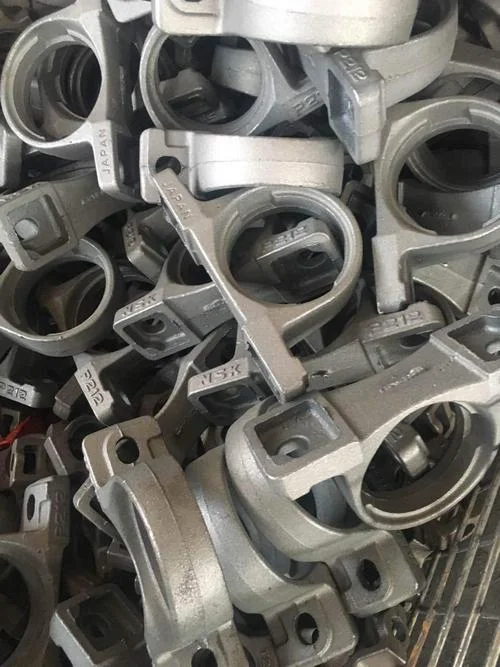
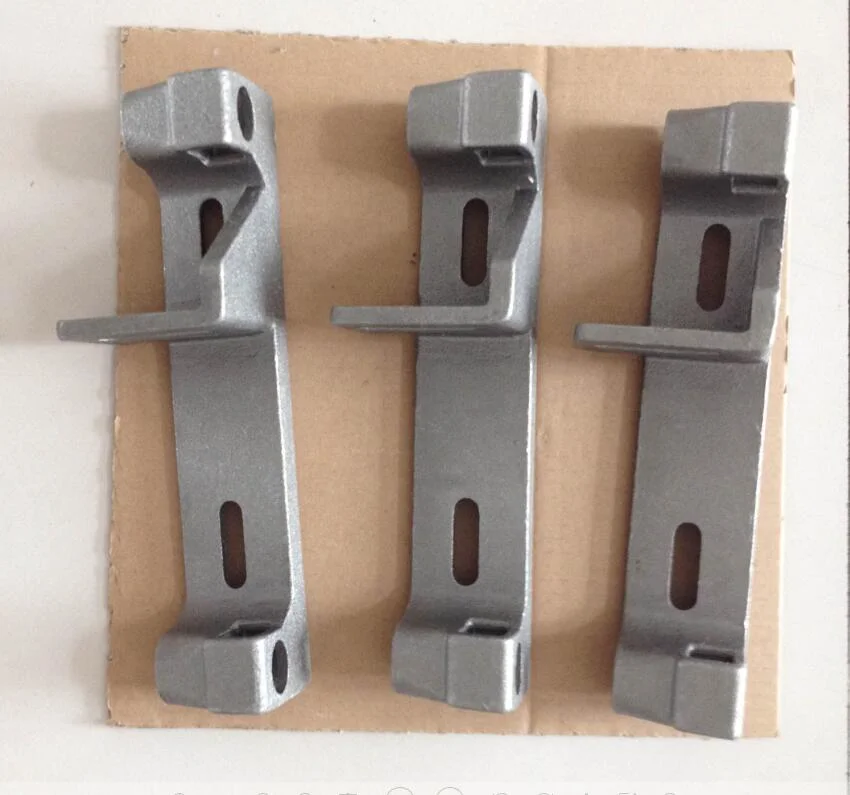
OEM precision casting and machining services cover lost wax investment requests for machinery parts. Material directions include stainless steel 304, 316 and 316L alongside mild steel, carbon steel and alloy steel. Confirm the actual supplied grade for the selected component and allocate the casting, CNC, deburring and finish work to it.
Material selection for the machinery component
Specify the required steel grade with the component drawing and intended machinery duty. Establish which material direction applies to that actual part. Define the size, geometry and material acceptance needed for the request, with the agreed supplied grade recorded in the work scope.
Silica-sol casting and separate machining classes
Silica-sol casting has a CT6–CT7 casting-tolerance reference. Select the applicable class and identify the cast dimensions governed by it. Machining tolerance is to request under ISO 2768-mK /f, with the exact class, edition and machined features to agree. Keep the acceptance requirements assigned to the actual casting or machining stage.
Tapping, punching, milling and lathe operations
Machining directions include tapping, punching, milling and lathe work, with CNC machining part of the processing scope. Select the operations required by the component's actual features. Agree the dimensions and inspection criteria used to accept those finished features, together with any deburring requirements.
Electric plating and completed OEM scope
Electric plating and customer-requested finishing are available directions. Agree the chosen treatment, material compatibility, covered areas and finished-surface condition for the part. Confirm the project quantity with the accepted material, casting classes, machining operations and finish scope before completing the OEM request.