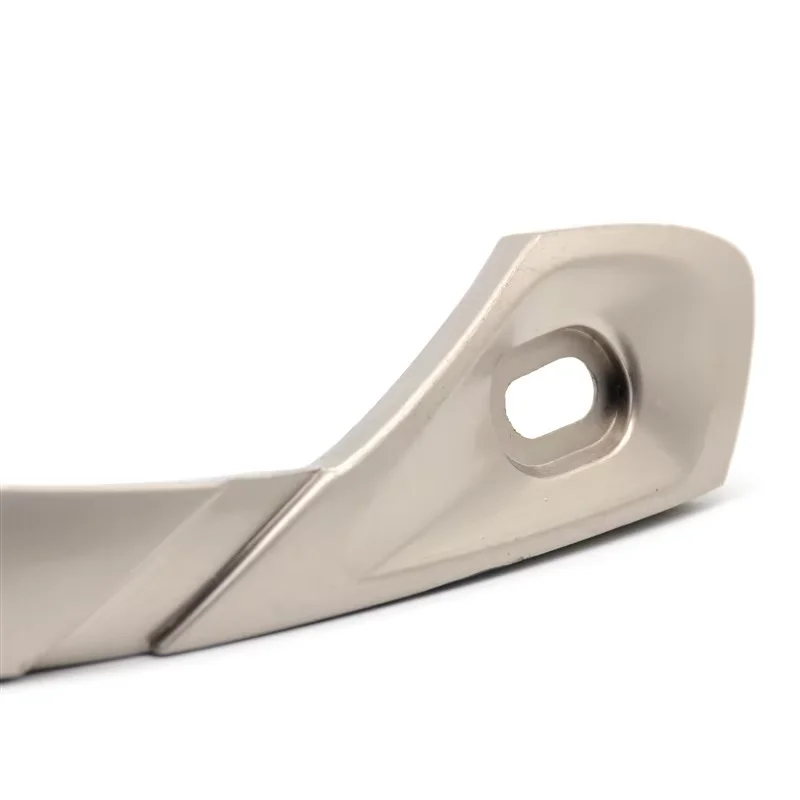
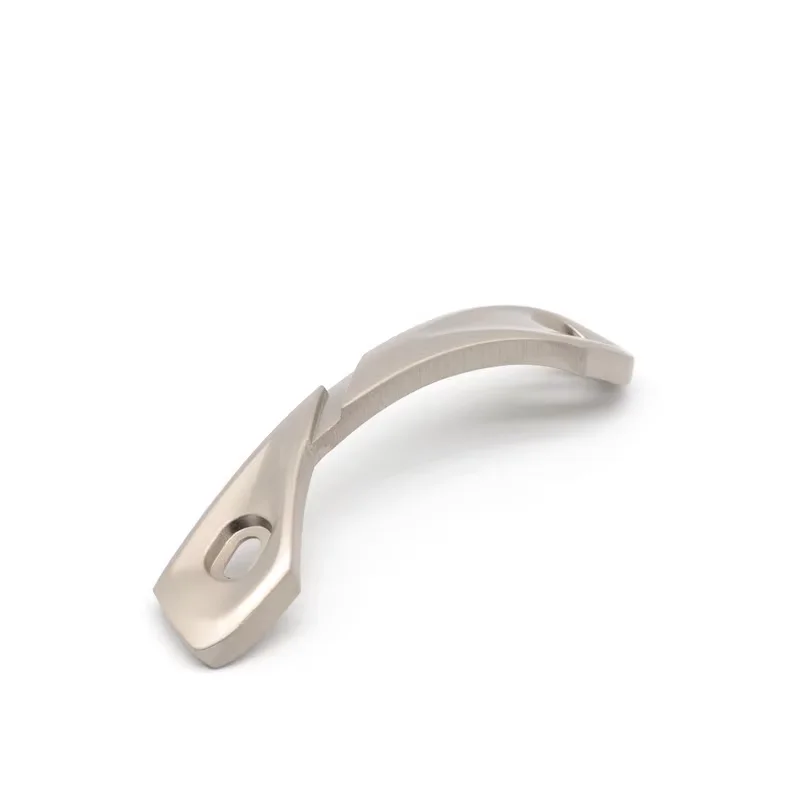
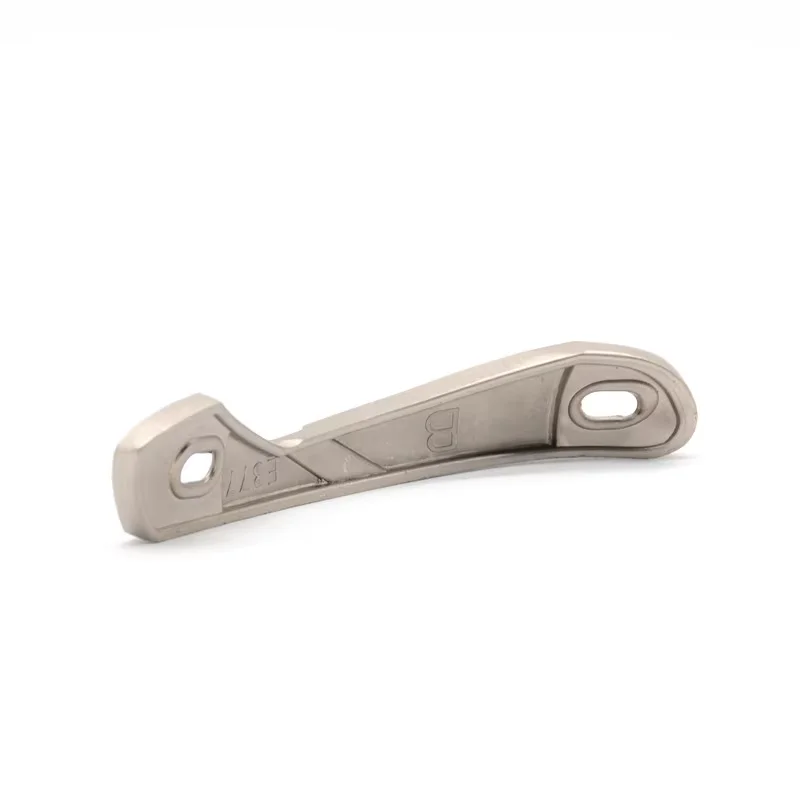
Nonstandard Aluminum Lost Wax Investment CNC Castings, No Heat Treatment, Anode and A/Pull References
Let’s define your requirement
Send a product link, drawing or short brief. We’ll work through the details with you.
- Confirm the specificationGrade or model, size and intended use.
- Define your orderQuantity, finish or configuration, and samples.
- Agree the quotation scopeIncluded work, key checks and delivery needs.
-
StandardNon-standard
-
MaterialAluminumHeat TreatmentNo
-
HardnessMaterial hardnessSurface treatmentAnode
-
Coat thcknessNoGradeA
-
ProcessLost wax investment casting+CNC machinedFunctionPull
-
StockNo
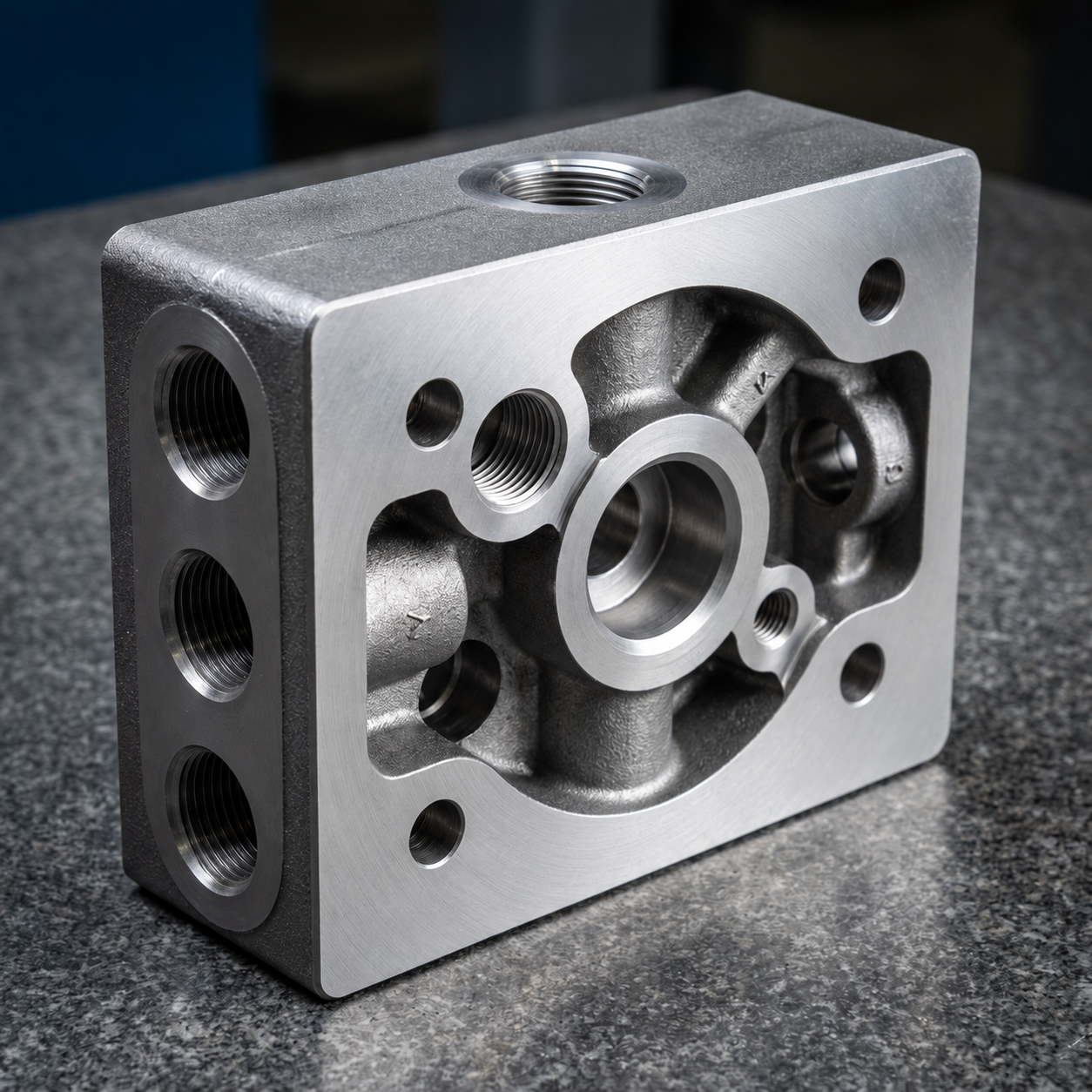
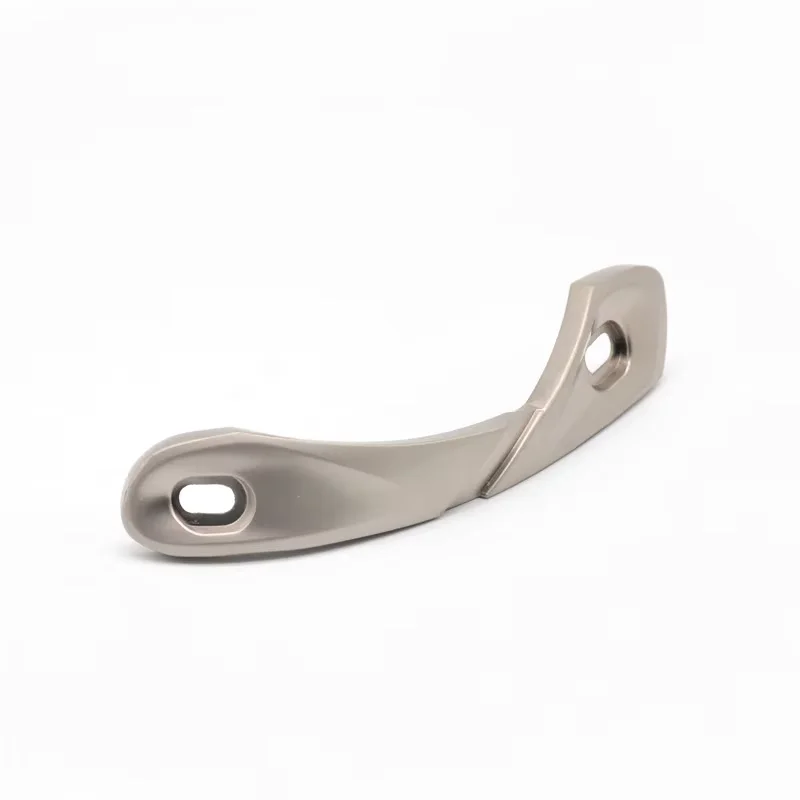
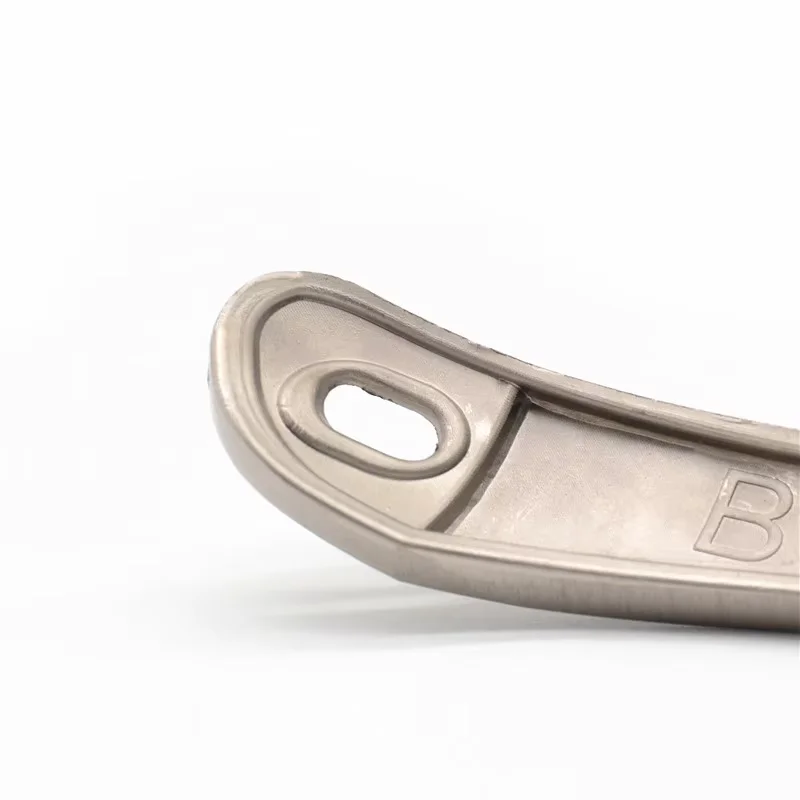
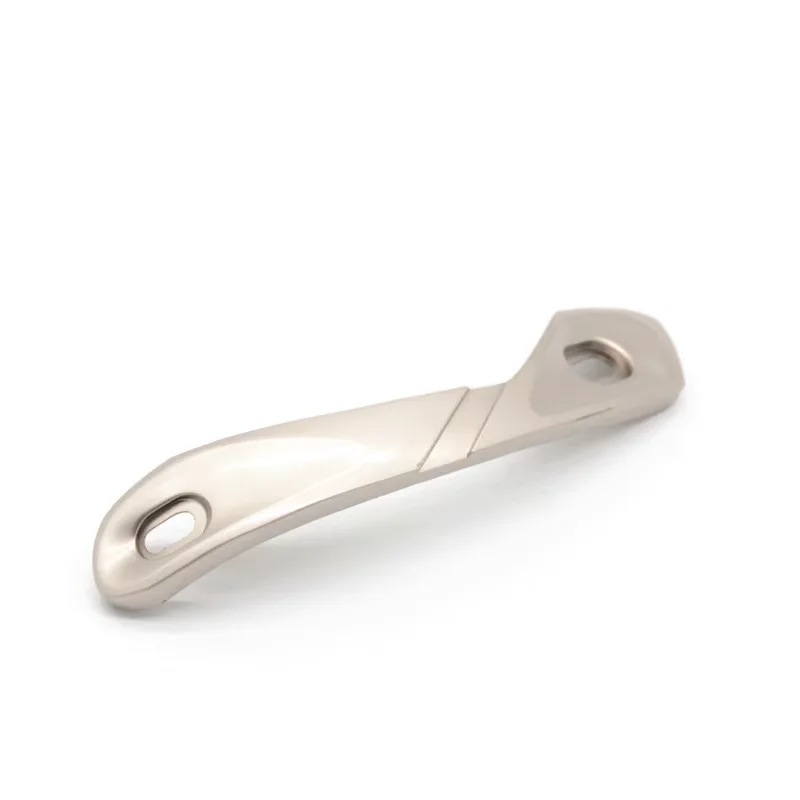
Nonstandard aluminum parts combine lost wax investment casting with CNC machining and an explicit no-heat-treatment direction. Anode is the surface-treatment reference, while A and Pull are grade/function references whose actual component meaning needs agreement. Stainless-steel requests also require the selected material specification to be defined separately.
Component, material and no-heat condition
Identify the actual component geometry and working duty on a drawing, with the required aluminum grade or separately agreed stainless specification. Define cast and CNC-machined dimensional limits for that part. Keep the no-heat-treatment condition within the agreed manufacturing scope and establish the functional requirements the selected material must meet.
Anode treatment and surface acceptance
Clarify the actual treatment method intended by Anode and identify the areas receiving it. Specify the final surface condition and any coating-thickness criteria needed for acceptance. Agree how that condition is assessed alongside the component dimensions, so that the surface reference has an actual part-level meaning.
A grade, Pull and material hardness
The A grade and Pull function references need to be connected to the selected component and its working requirements. Define their actual meaning and acceptance without assuming a particular alloy or load rating. Agree the material-hardness requirement, measurement scale and relevant inspection records together with the final dimensional and surface criteria.
Nonstandard manufacturing request
Confirm project quantity and responsibility for the actual casting and CNC work. Bring the material, no-heat condition and clarified grade/function/surface requirements into the same accepted drawing. That scope provides the basis for evaluating the finished nonstandard part.