New Black 220V Digital Jewelry Lost Wax Equipment, 2kg Gold-Melting or 2L Vacuum-Capacity Options
Let’s define your requirement
Send a product link, drawing or short brief. We’ll work through the details with you.
- Confirm the specificationGrade or model, size and intended use.
- Define your orderQuantity, finish or configuration, and samples.
- Agree the quotation scopeIncluded work, key checks and delivery needs.
-
ColorBlack
-
ShapeSquare
-
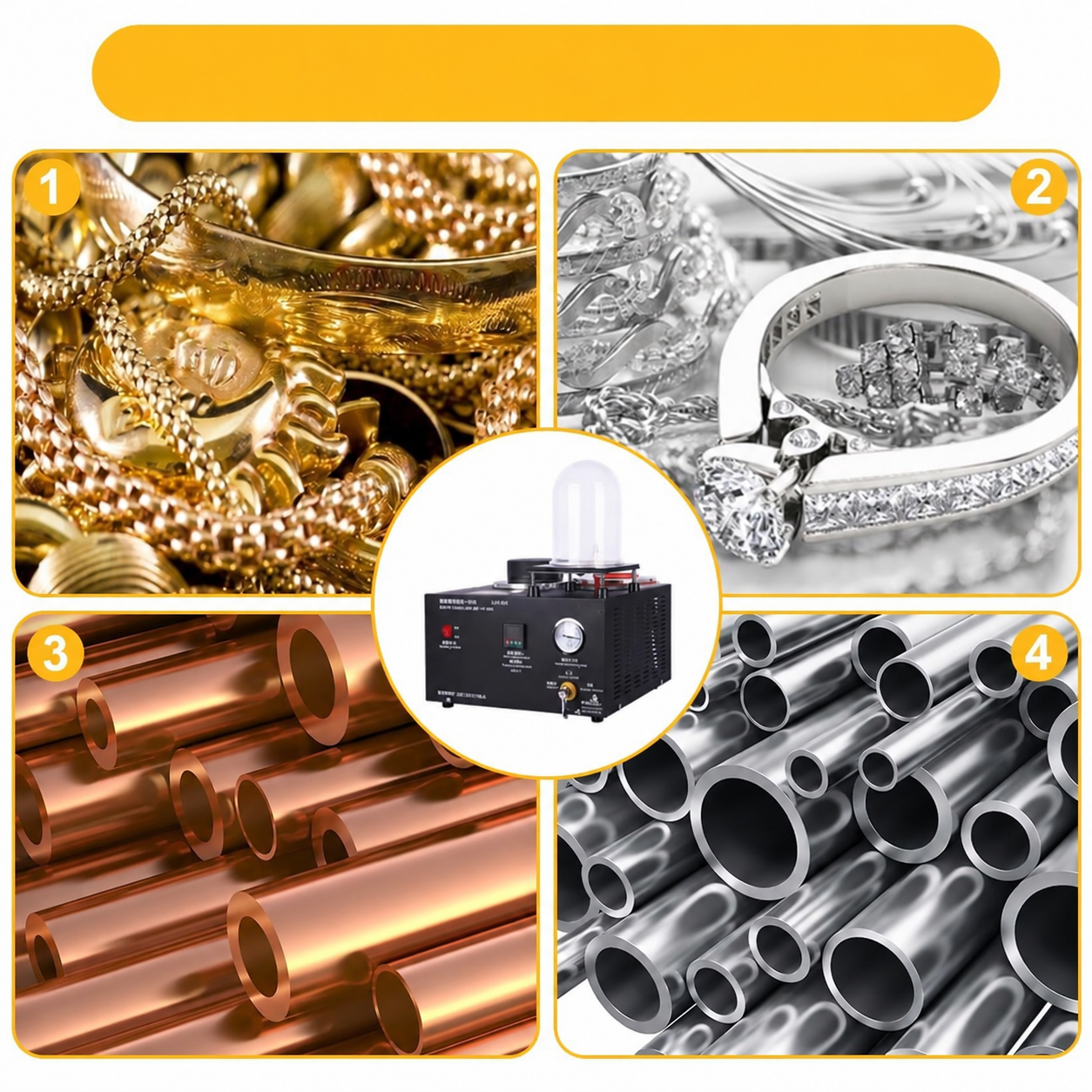
UsageFor Necklace Making, For Bracelet Making, For Earring Making, For Ring Making, For Garment Making, For DIYJewelry Tools & Equipments TypeCasting & Melting
-
MaterialMetalApplicationjewelry casting
-
Weight20
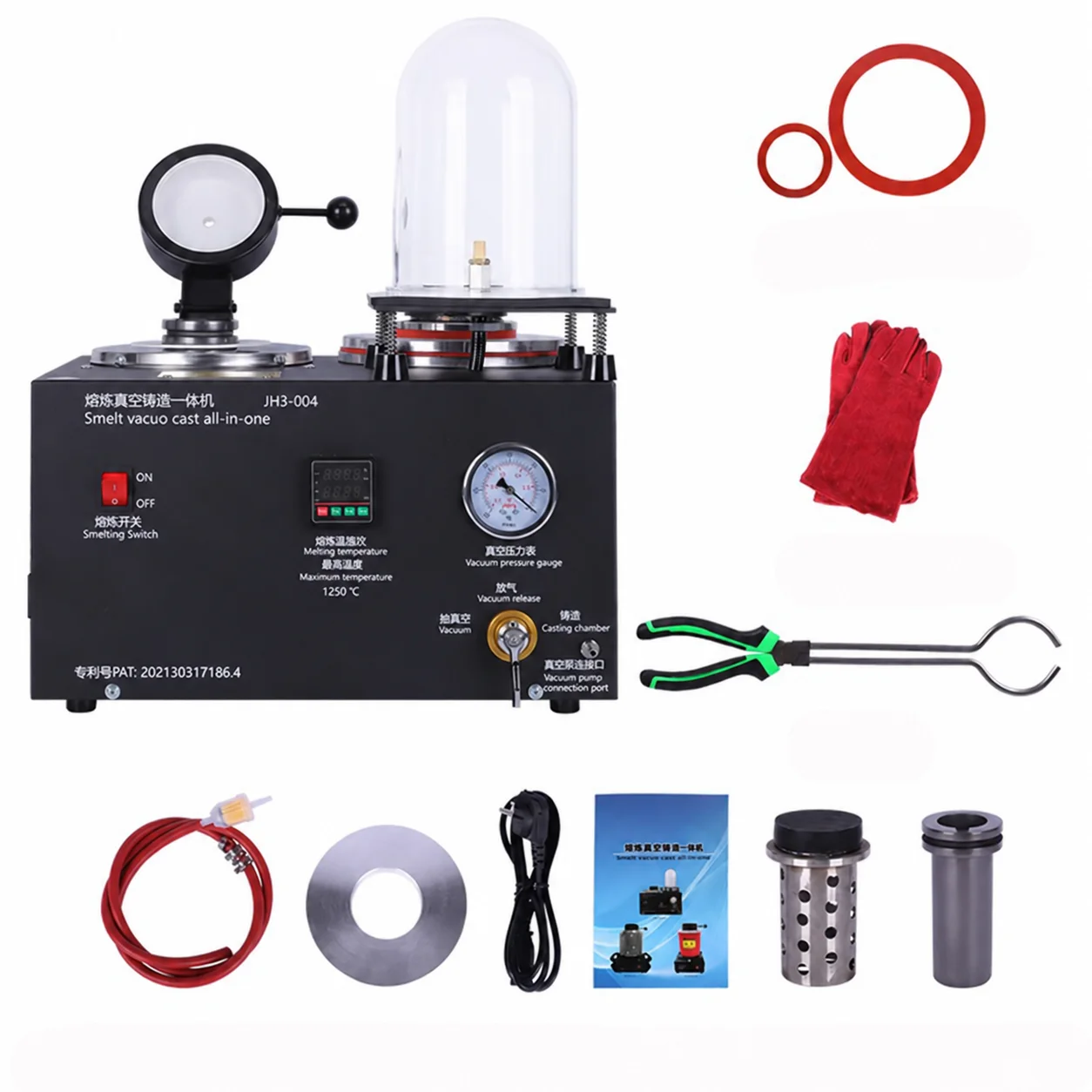
New Black square-form digital-display jewelry equipment offers two separate selections: a 2kg gold-melting capacity option or a 2L vacuum-capacity option. A 220 V supply reference is offered for the lost wax equipment. Choose the actual configuration and confirm which operating functions that selected unit supplies.
Gold-melting capacity or vacuum selection
The 2kg gold-melting capacity applies to that option, with the actual gold alloy and working-charge conditions to confirm. For the alternative 2L vacuum selection, establish the component geometry and the meaning of its capacity reference. Keep the chosen unit and quantity role clear when defining the mold/flask arrangement required by the jewelry job.
Digital controls and equipment material scope
Agree the selected equipment's actual control functions, power/frequency and temperature or vacuum operating specification. Clarify whether the steel direction describes equipment material or a separate metal-processing request; the general material reference is Metal. Confirm the instructions and actual tools included with the unit, with their items and working scope defined for the selected function.
Jewelry pattern and accepted working setup
Named uses include necklace, bracelet, earring, ring, garment-making and DIY work. Define the intended pattern, investment and casting/melting steps for that component. Agree working geometry, operating conditions and accepted results for the chosen equipment rather than combining the separate selection labels. Confirm the complete supplied configuration and tool scope with those process requirements before ordering.