
Mini Jewelry Forging-Body Lathe Castings | OEM/ODM Die, Vacuum and Investment Casting
Let’s define your requirement
Send a product link, drawing or short brief. We’ll work through the details with you.
- Confirm the specificationGrade or model, size and intended use.
- Define your orderQuantity, finish or configuration, and samples.
- Agree the quotation scopeIncluded work, key checks and delivery needs.
-
CNC Machining or NotNot CNC MachiningTypeOther Machining Services, Rapid Prototyping
-
Material CapabilitiesAluminum, Brass, Bronze, Copper, Hardened Metals, Precious Metals, Stainless Steel, Steel Alloys, PlasticMicro Machining or NotNot Micro Machining
-
PriceDepend on the 3D drawing and the post process requirement
-
Processing Typedie casting, vacuum casting, Investment CastingMaterialmetal, plastic etc.
-
Surface treatmentDependsOEM/ODMSupport
-
Product TypeCustomized serviceFile Format.stl
-
Keyword 1casting servicesKeyword 2die casting
-
keyword 3vacuum casting
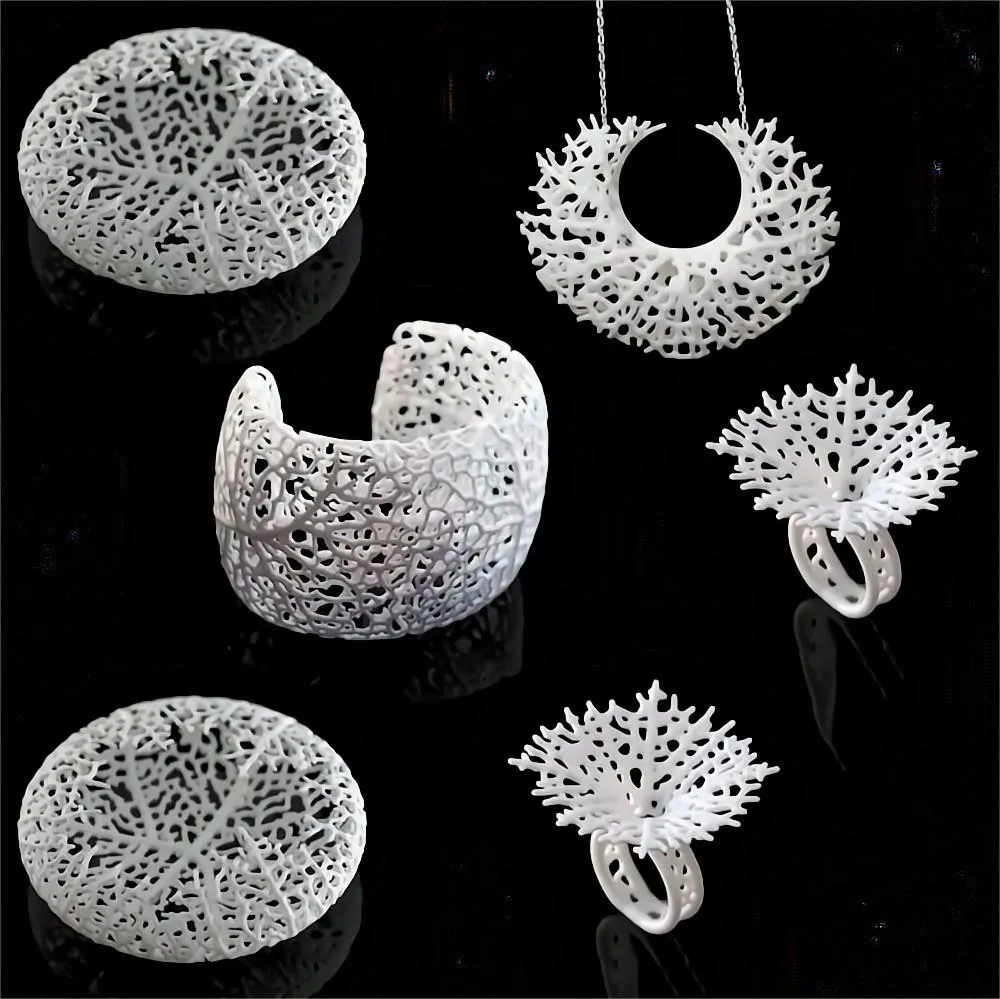
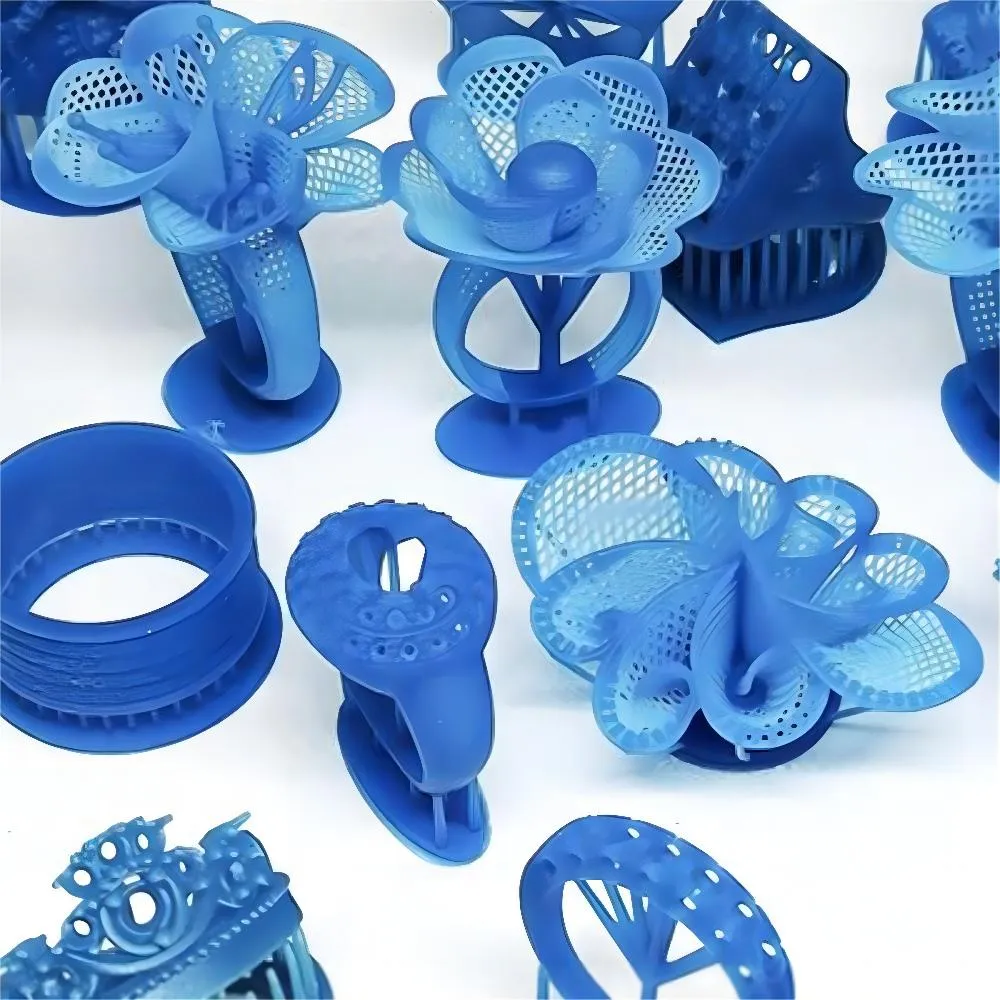
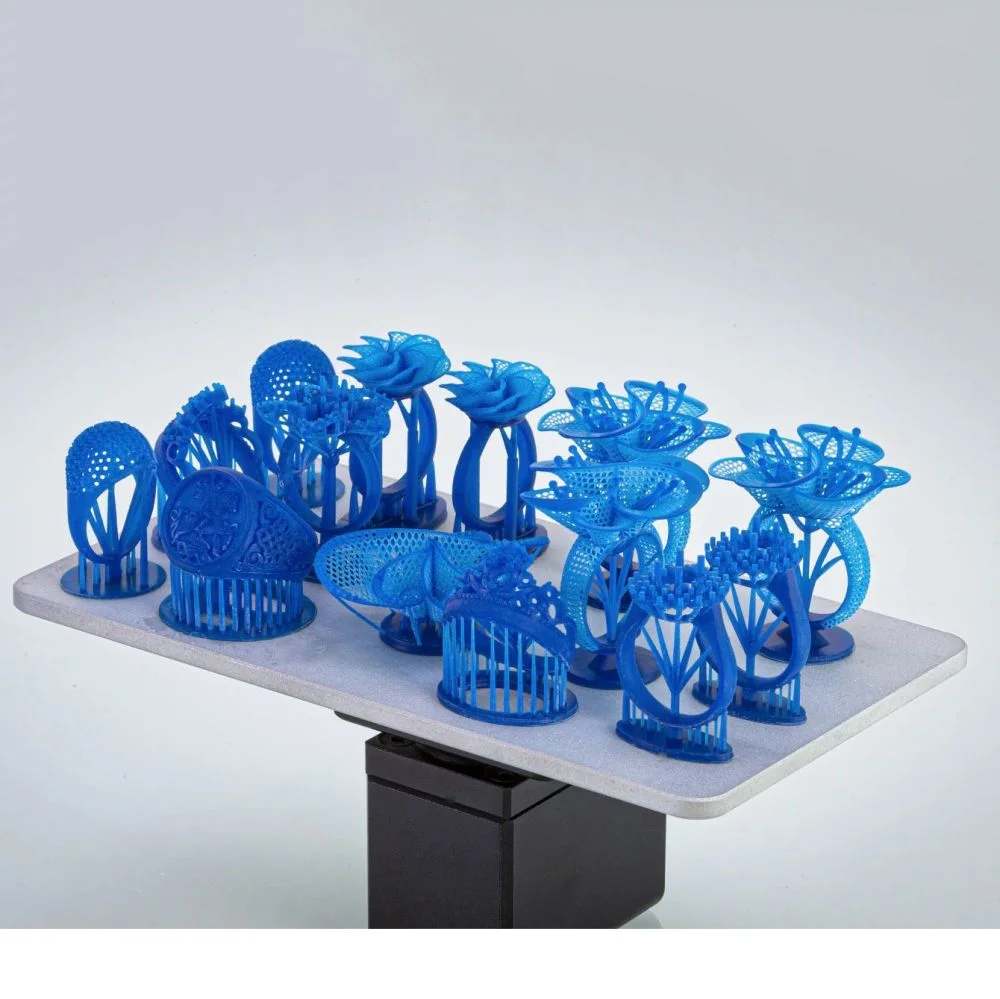
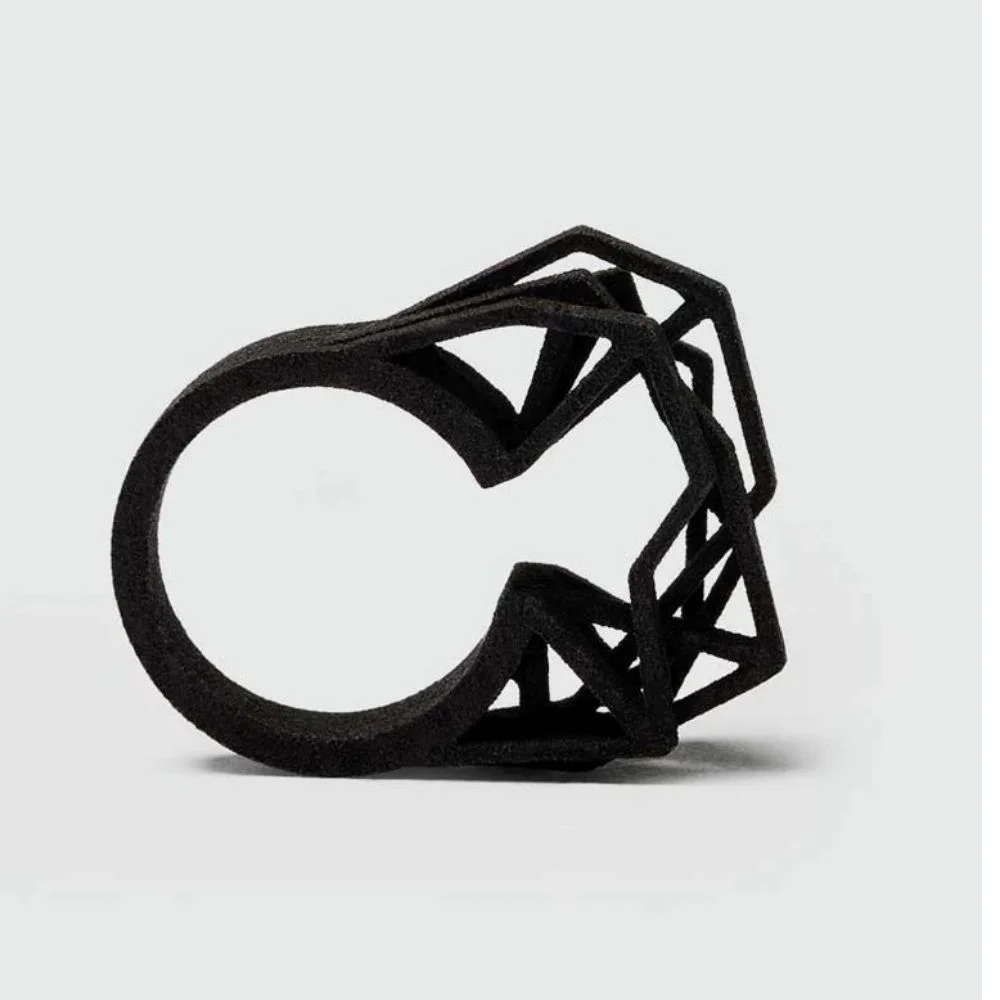
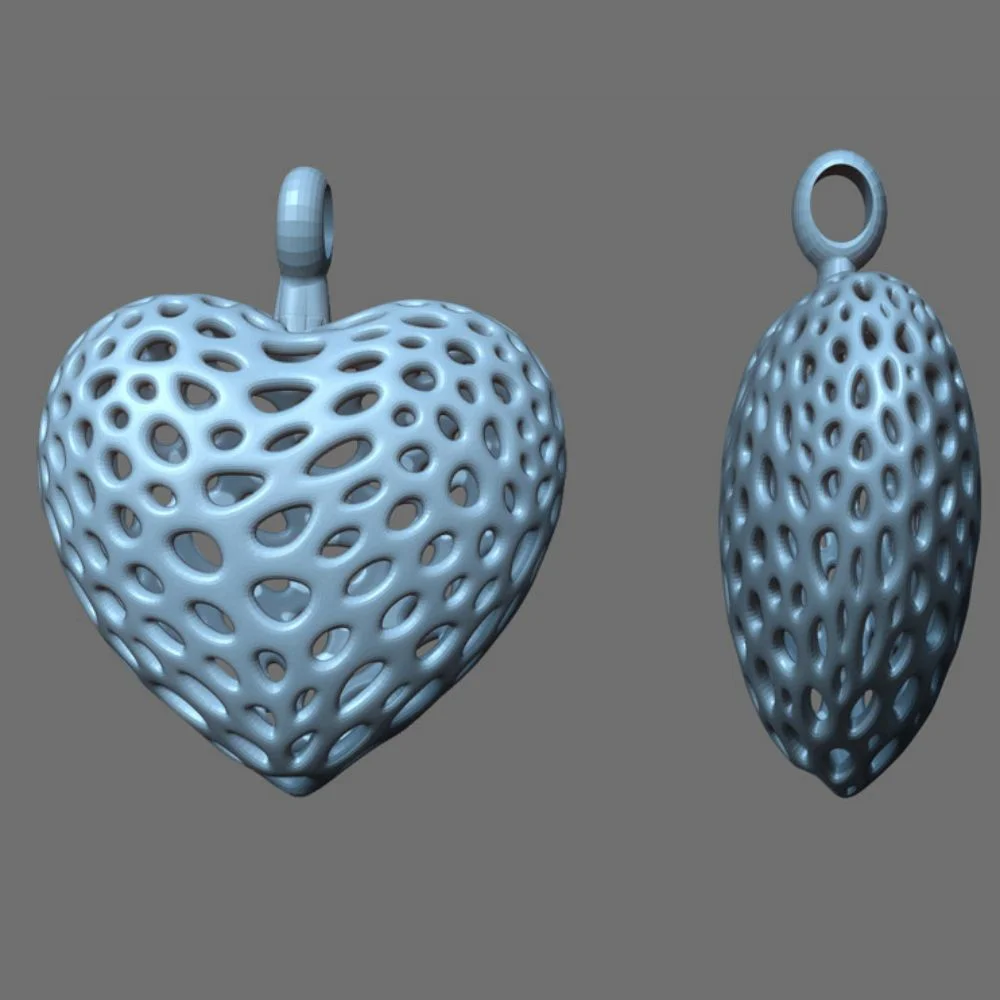
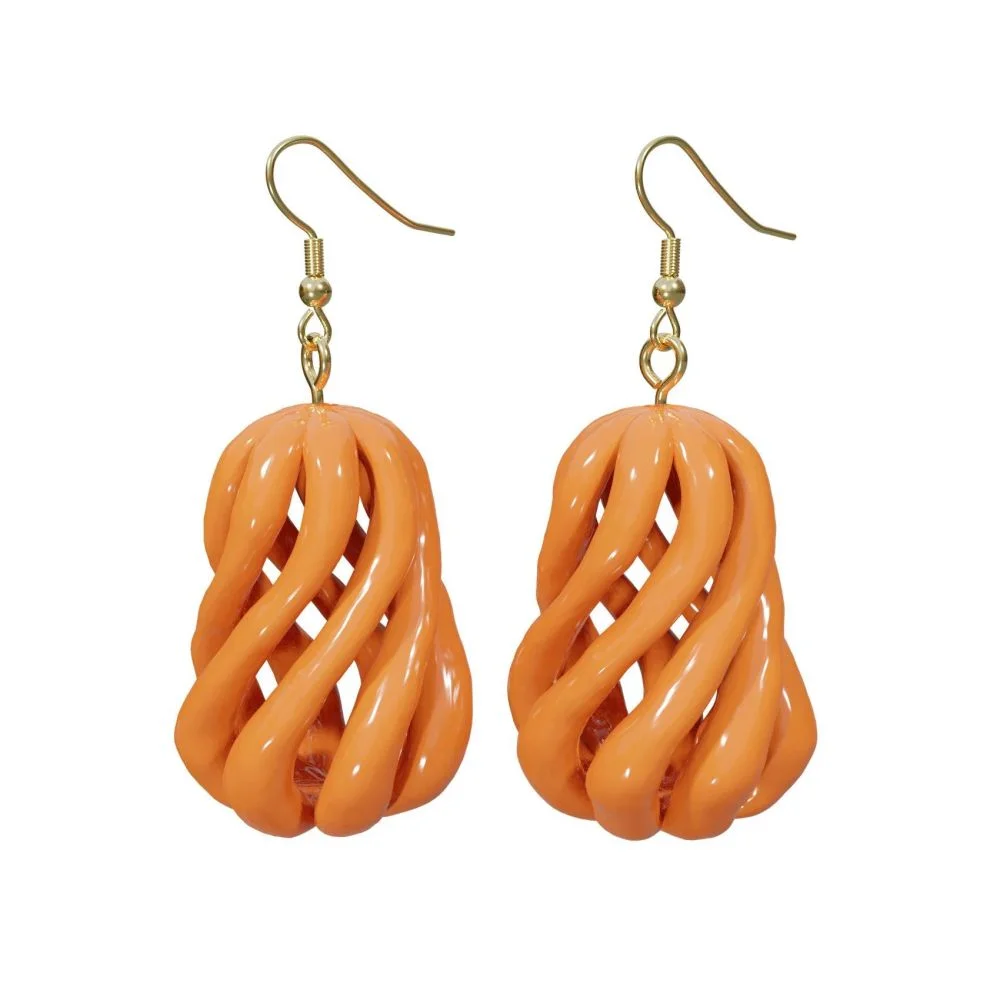
Custom mini casting and rapid-prototyping services support OEM/ODM projects involving jewelry, forging-body and lathe-casting directions. Die casting, vacuum casting and investment casting are available process choices. The service includes other machining support that is explicitly non-CNC and non-micro machining.
Material selection across metal and plastic projects
Material directions include aluminum, brass, bronze, copper, hardened metals, precious metals, stainless steel, steel alloys and plastic. Select the actual material and compatible process for the component, distinguishing a metal casting request from a plastic project. A precise material definition helps keep the proposed route aligned with the intended prototype.
STL geometry for the actual component
STL input is supported for the customized service. Define the jewelry, forging-body or lathe-casting object through its geometry and required dimensions, then identify the intended role of the part. The mini-casting direction should be assessed together with the explicit non-micro-machining scope and the actual dimensional requirements.
Post-process and prototype acceptance
Surface treatment depends on the project, so specify the required finished condition and relevant post-process requirements. Agree how the prototype will be evaluated for shape, dimensions and surface appearance. These criteria give the casting and other machining discussion a concrete basis without assuming a particular finish method.
Bring the STL geometry, selected metal or plastic, casting-route choice and prototype acceptance criteria into one request. For a jewelry or lathe-related project, a clear component definition is especially useful for deciding which of the available processes belongs in the proposed work.








