Medium-Temperature Stainless Steel Machinery Parts | Lost Wax/CNC, Water-Glass and Ingot Process Enquiries
Let’s define your requirement
Send a product link, drawing or short brief. We’ll work through the details with you.
- Confirm the specificationGrade or model, size and intended use.
- Define your orderQuantity, finish or configuration, and samples.
- Agree the quotation scopeIncluded work, key checks and delivery needs.
-
MaterialStainless Steel
-
ApplicationMachinery PartsSurface treatmentCustomers' Demand
-
ProcessCasting +Machining(if Need)+surface TreatmentServiceOEM\ODM
-
CertificationISO9001:2015Lead Time30-45days
-
Machining ProcessLost Wax+CNC MechiningToleranceCT4-CT6
-
DimensionsCustomized Dimension
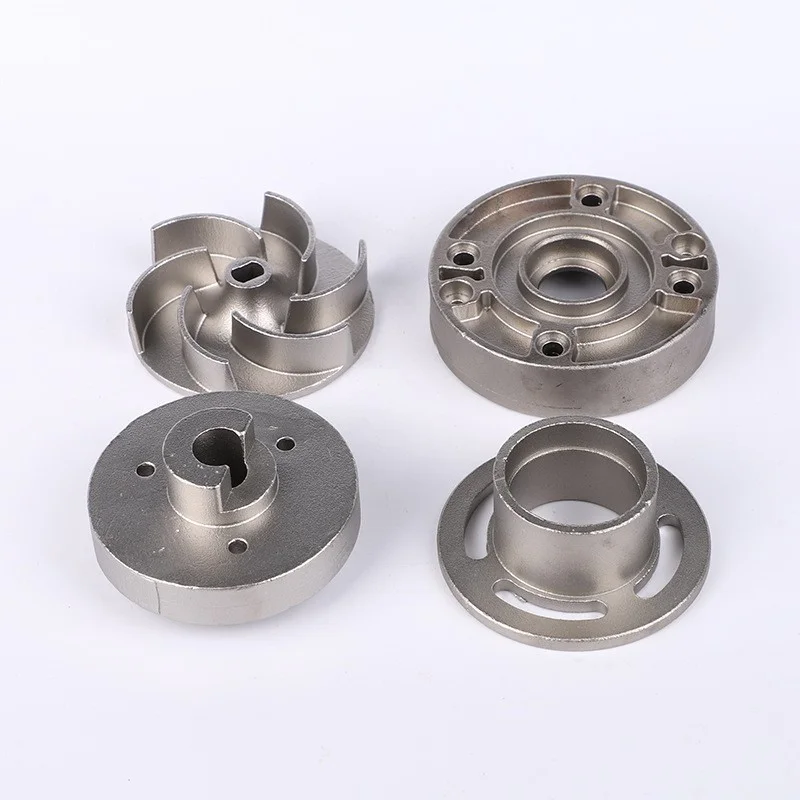
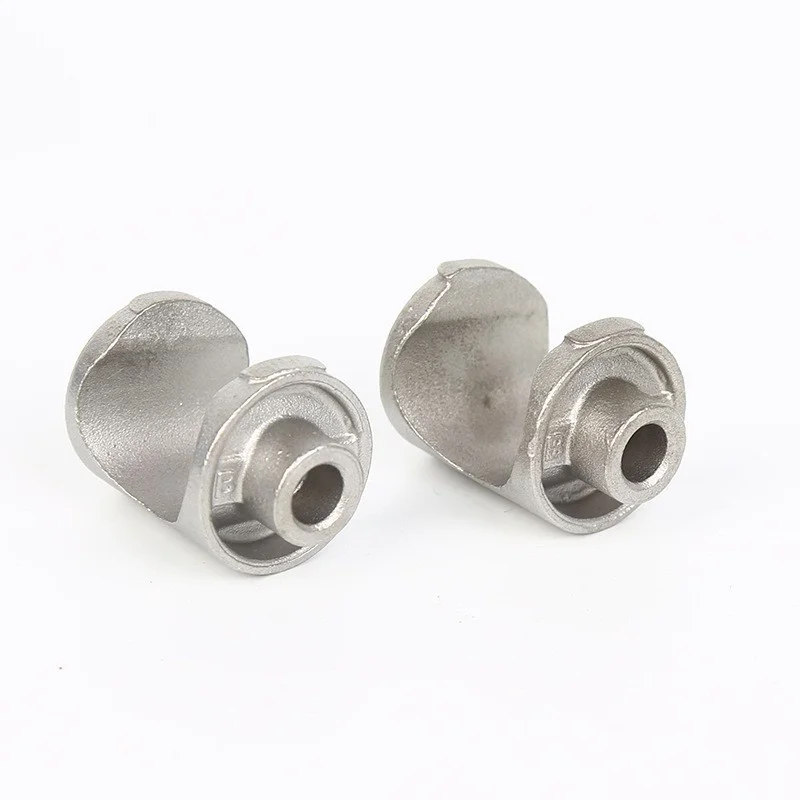
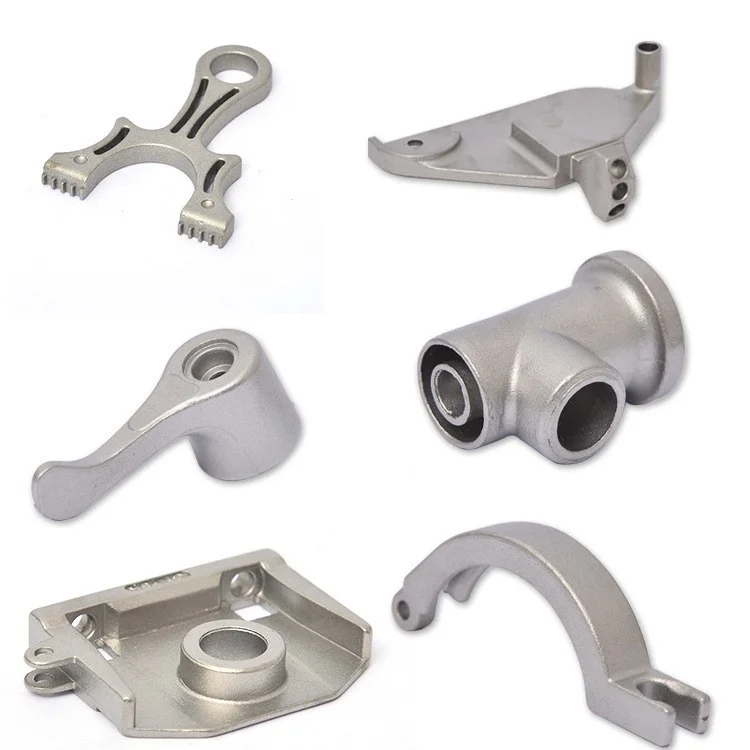
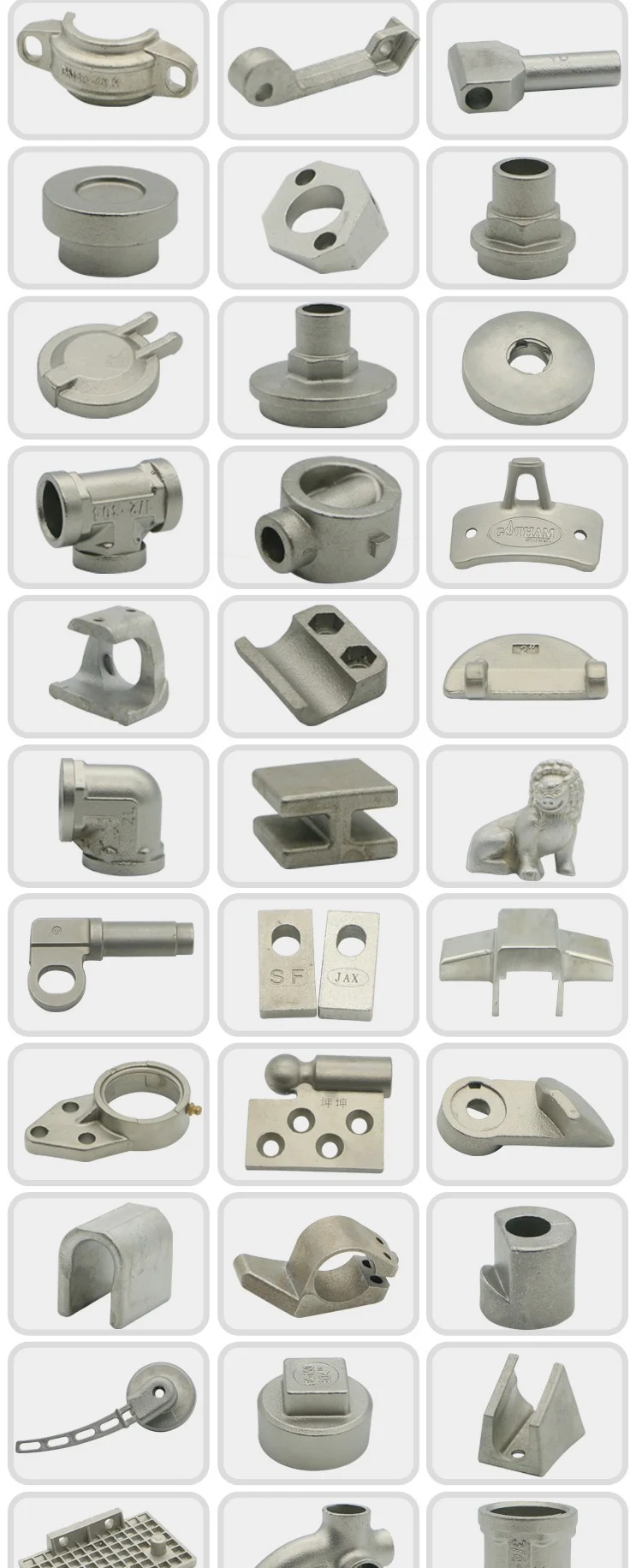
Custom stainless-steel machinery parts combine lost-wax casting with CNC machining and surface treatment selected to the component requirements. OEM/ODM service covers customized dimensions, with CT4–CT6 casting tolerance and ISO9001:2015 quality-management scope for the project review.
Define the medium-temperature and water-glass process roles
Agree the actual medium-temperature conditions and the role of any water-glass system in the selected casting route. Clarify any required ingot form and its relationship to the finished machinery component. Connect those process requirements to the chosen stainless grade and drawing before accepting the manufacturing plan. This keeps the process enquiry specific to the actual material and component being developed.
Carry casting precision into the CNC interfaces
CT4–CT6 provides the casting-tolerance range for dimensional review. Mark the critical interfaces and define the final CNC dimensions needed for the machinery part. Agree the casting and secondary operations against the same component geometry, including any requirements that control assembly fit. Custom dimensions should follow that drawing and its final acceptance, with the actual operating duty identified.
Choose the surface and evidence for the finished component
Surface treatment is selected to customer requirements rather than a predetermined finish. Define the required surface areas and their appearance or functional acceptance for the chosen alloy. Agree inspection characteristics, methods and records for the final component, and confirm the relevant ISO9001:2015 scope. Review those requirements with the material, process roles, casting tolerance and CNC interfaces so the machinery-part enquiry has a complete technical acceptance plan.