
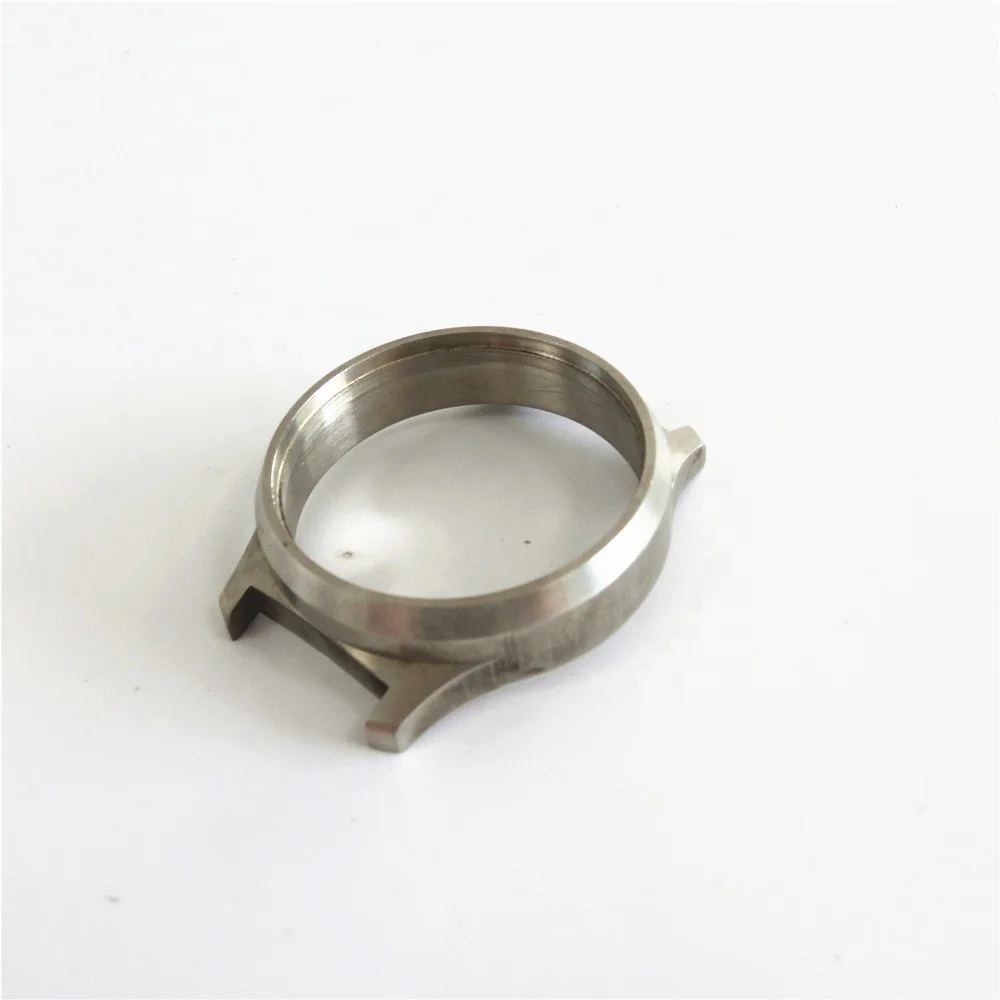
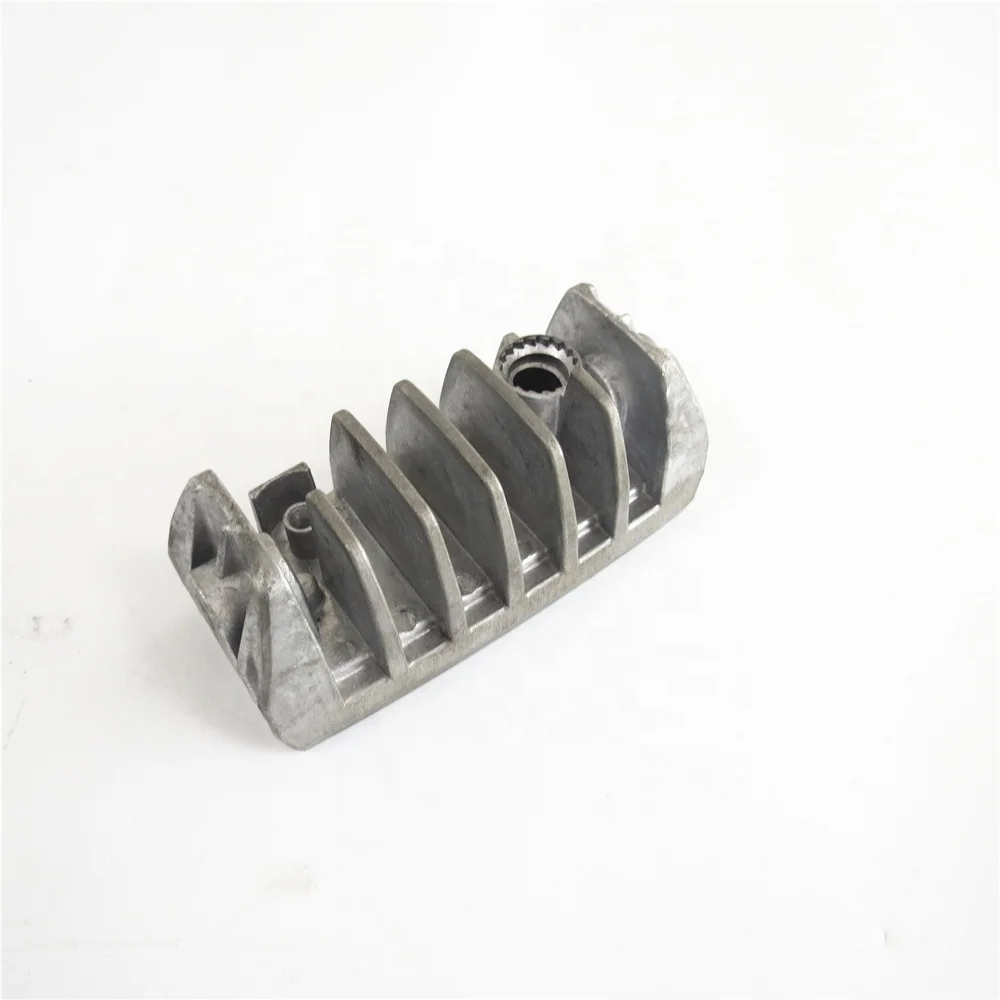
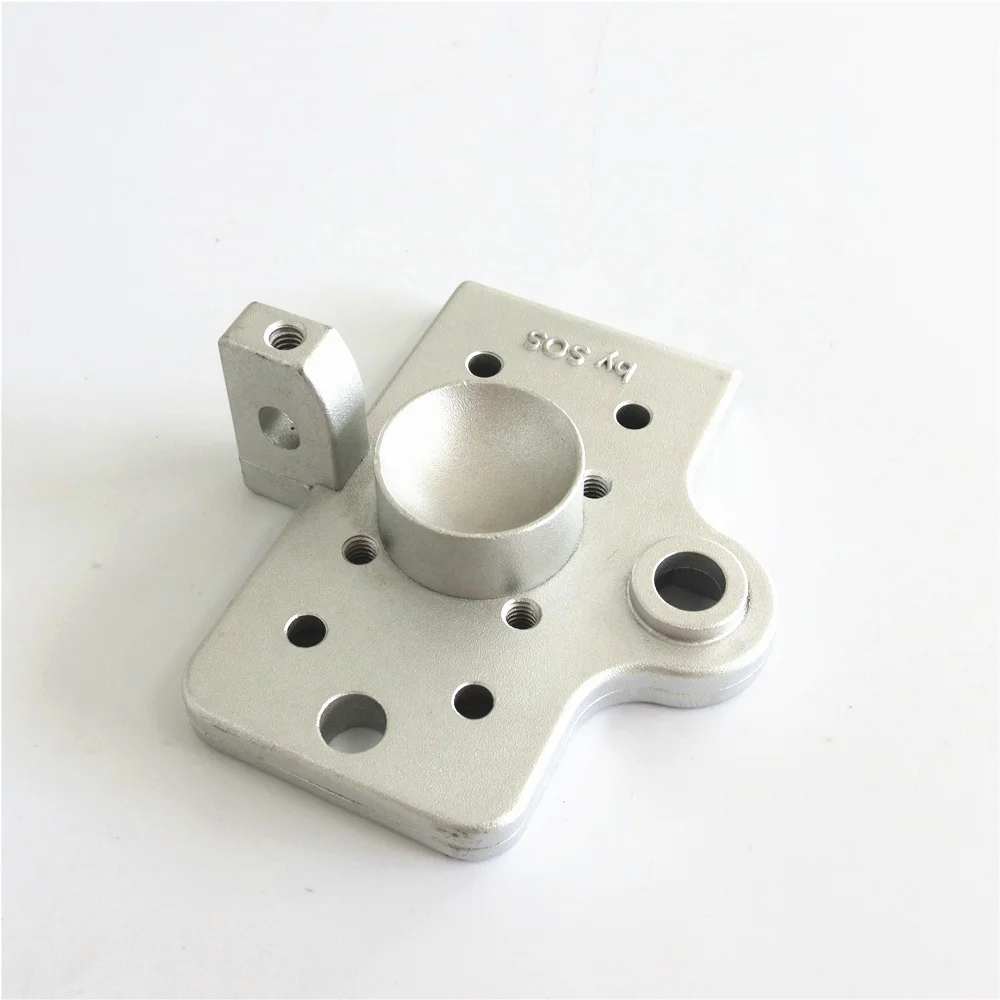
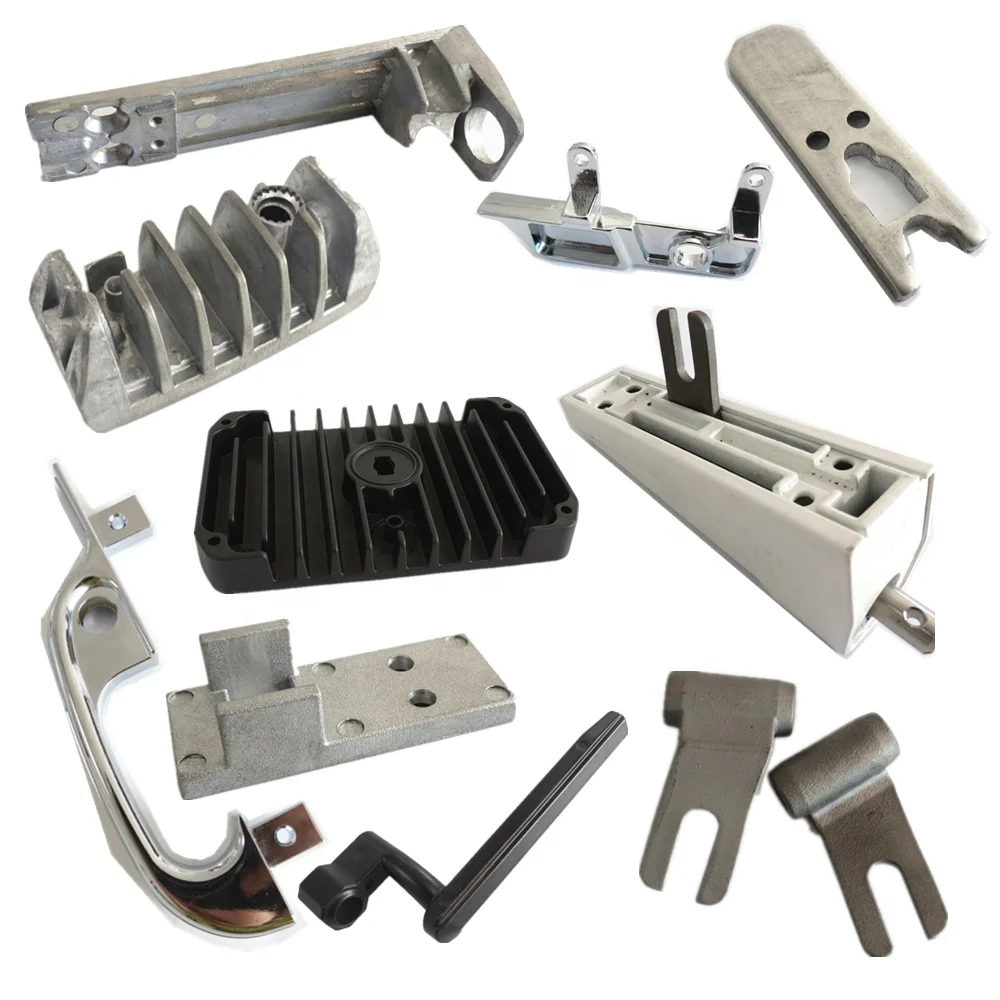
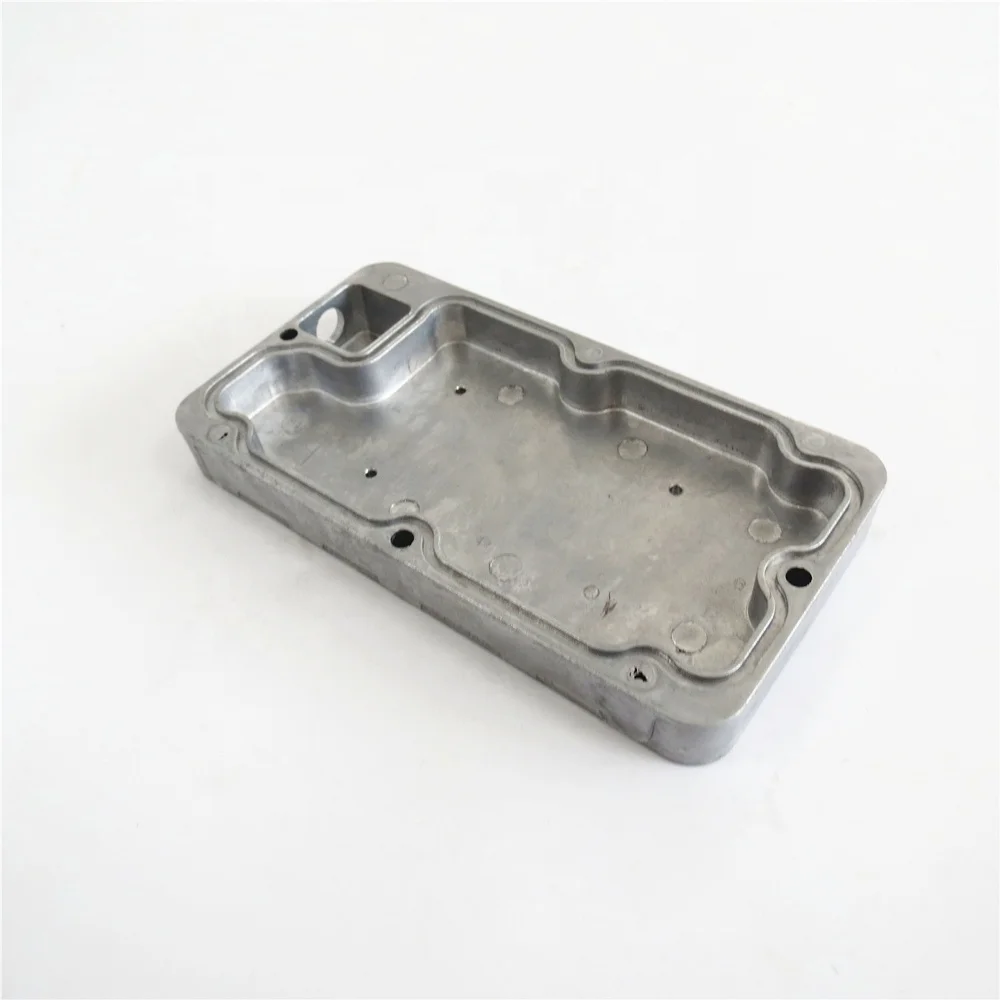
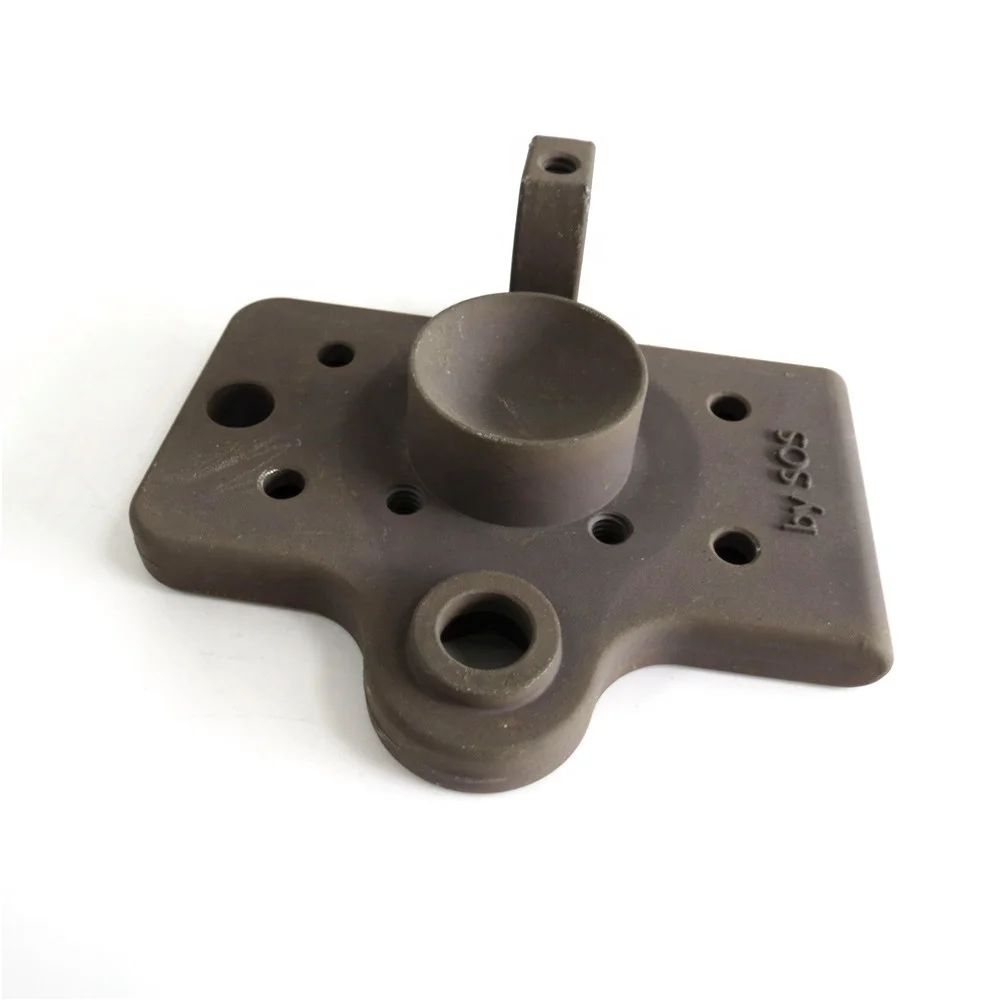
Mechanical Zinc Alloy Precision Casting Parts with CNC Turning, Milling, Drilling and Lost Wax Options
Let’s define your requirement
Send a product link, drawing or short brief. We’ll work through the details with you.
- Confirm the specificationGrade or model, size and intended use.
- Define your orderQuantity, finish or configuration, and samples.
- Agree the quotation scopeIncluded work, key checks and delivery needs.
-
Surface FinishSandblasted , Polished
-
Itemlost wax casting turning milling Zinc alloy precision casting parts
-
ServiceOEM ODMMaterialaluminum, zamak, zinc, stainless steel
-
Processlost wax casting, Precision Die Casting+machiningsecondary machiningmilling, tapping, grinding, turing
-
Surface treatmentpowder coating, sand blasting, painting,electroplatingother surface finishpolishing, spraying coating, deburring, grinding,anodizing
-
Heat treatmentAnneal, quenching, temperingFeatureanti-wear, strong abrasion resistance, anti-friction mold
-
ApplicationIndustry, machinery,auto,furniture,electrical, consturction,building
Mechanical zinc-alloy casting enquiries combine custom metal parts with CNC turning, milling and drilling. OEM and ODM service includes aluminum, Zamak, zinc and stainless-steel material choices, with lost wax or precision die-casting and machining routes selected for the component. Agree the material and geometry before choosing the process sequence.
Select the material and casting route as one configuration
Identify the alloy and the actual part drawing when discussing lost wax or precision die casting. The chosen route should match the material and finished interfaces required for the mechanical component. Keep the casting plan connected to the CNC dimensions so that geometry and secondary work describe the same part.
Define the secondary operations and finished surfaces
Plan CNC turning, milling and drilling together with any required secondary milling, tapping, grinding or turning. Surface options cover powder coating, sand blasting, painting, electroplating, polishing, spray coating, deburring, grinding and anodizing. Select the operations and surface sequence for the actual alloy, specifying the affected faces and finished dimensional acceptance.
Match heat treatment to the alloy and duty
Annealing, quenching and tempering are heat-treatment choices to discuss for the selected material. Agree the required condition and how it relates to subsequent surface and dimensional acceptance. For wear, abrasion-resistance or friction-related mold requirements, identify the contact conditions and measurable performance criteria rather than relying on a general resistance description.
Identify the component application and acceptance
Applications include industry, machinery, automotive, furniture, electrical, construction and building components. Define the actual component duty and mating arrangement within that application. Agree the drawing tolerances, selected treatment and inspection acceptance so that the required result can be assessed for the chosen mechanical casting.








