
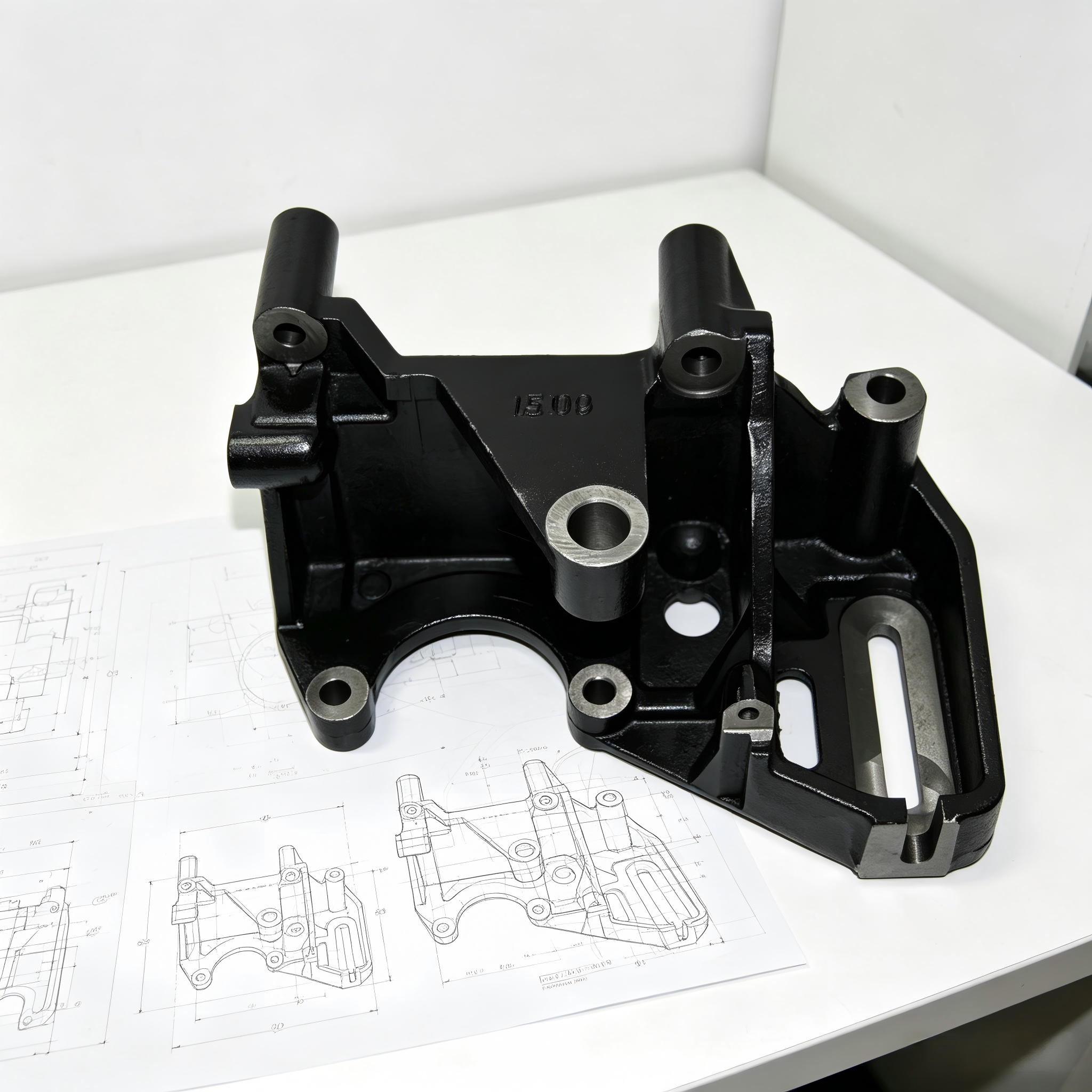
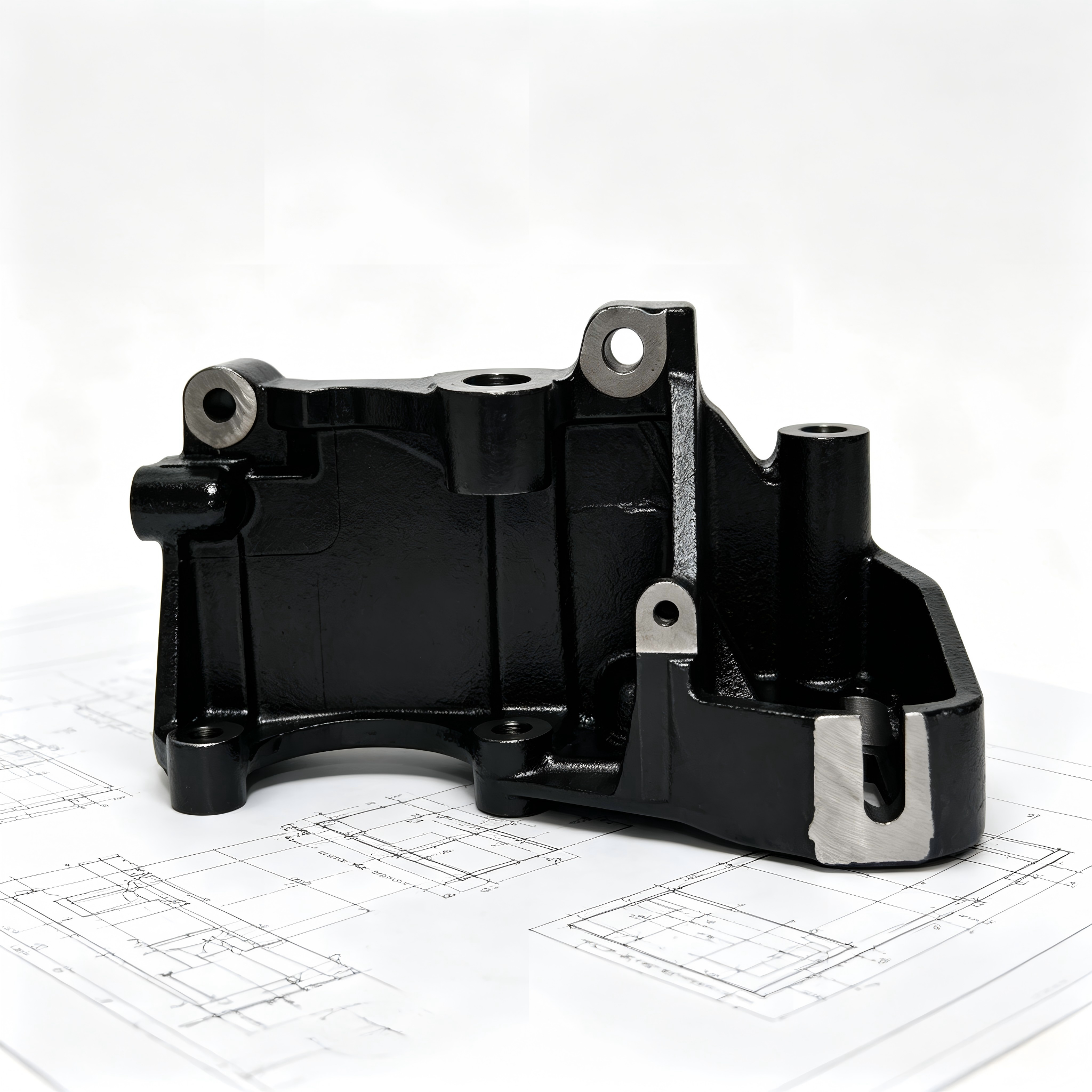
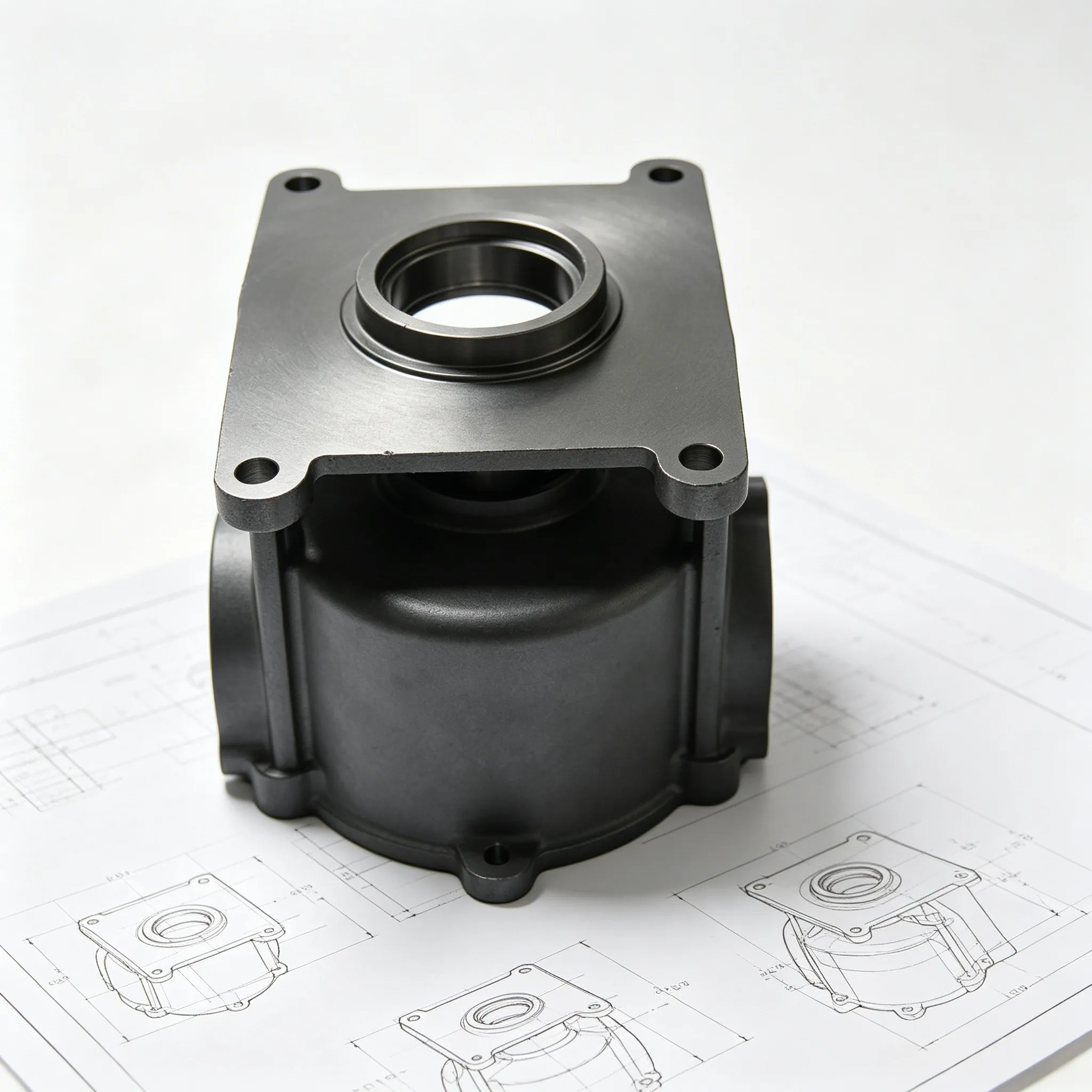
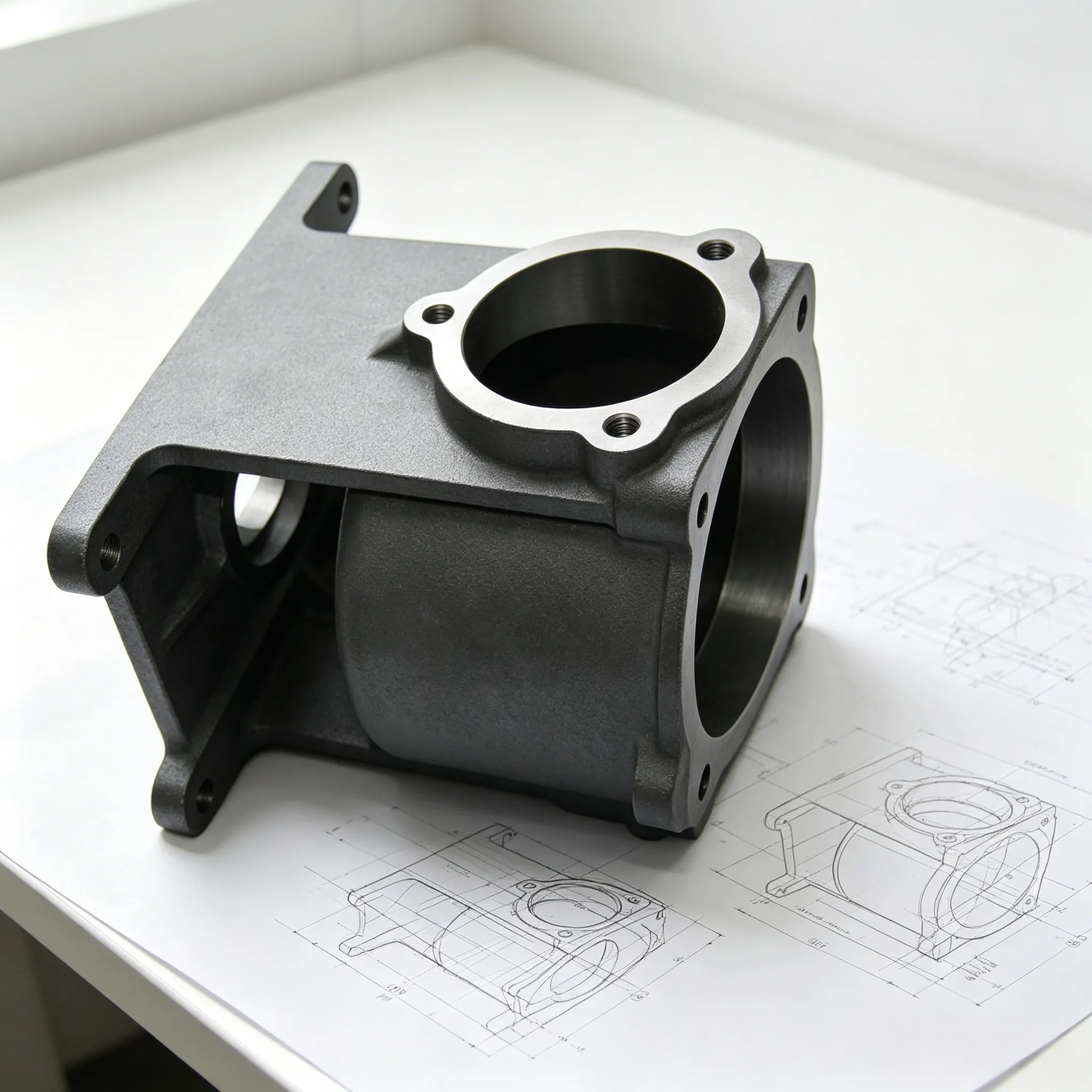
Machining Ready Cast Iron Sand Castings with CNC and Custom Roughness
Let’s define your requirement
Send a product link, drawing or short brief. We’ll work through the details with you.
- Confirm the specificationGrade or model, size and intended use.
- Define your orderQuantity, finish or configuration, and samples.
- Agree the quotation scopeIncluded work, key checks and delivery needs.
-
Surface FinishPaintedAlloy GradeGGG40
-
SizeCustom
-
Surface TreatmentCustom, Dacromat Coating, Finish Painting etc. As customers requestMaterialsCustom
-
Product NameMachining Ready Cast Iron Castings with Surface RoughnessMaterial GradeDuctile iron GGG40, GGG50, GGG60 etc. As customers request
-
Blank ProcessSand casting , cast ironCasting ToleranceCT9-11 for iron casting
-
Machining ProcessCNC Machining , DRILLING , Milling, boring, Tapping etc.Machining TolearnceUp to IT7, Ra 0.8~3.2 , according to customer requirement
-
Package for cast iron valve coverMultilayer wooden box with big plastic bag insideLead Time45-50 days for grey cast iron fc250
-
Our ServiceSupply metal parts solution as per customer's drawings/ samples
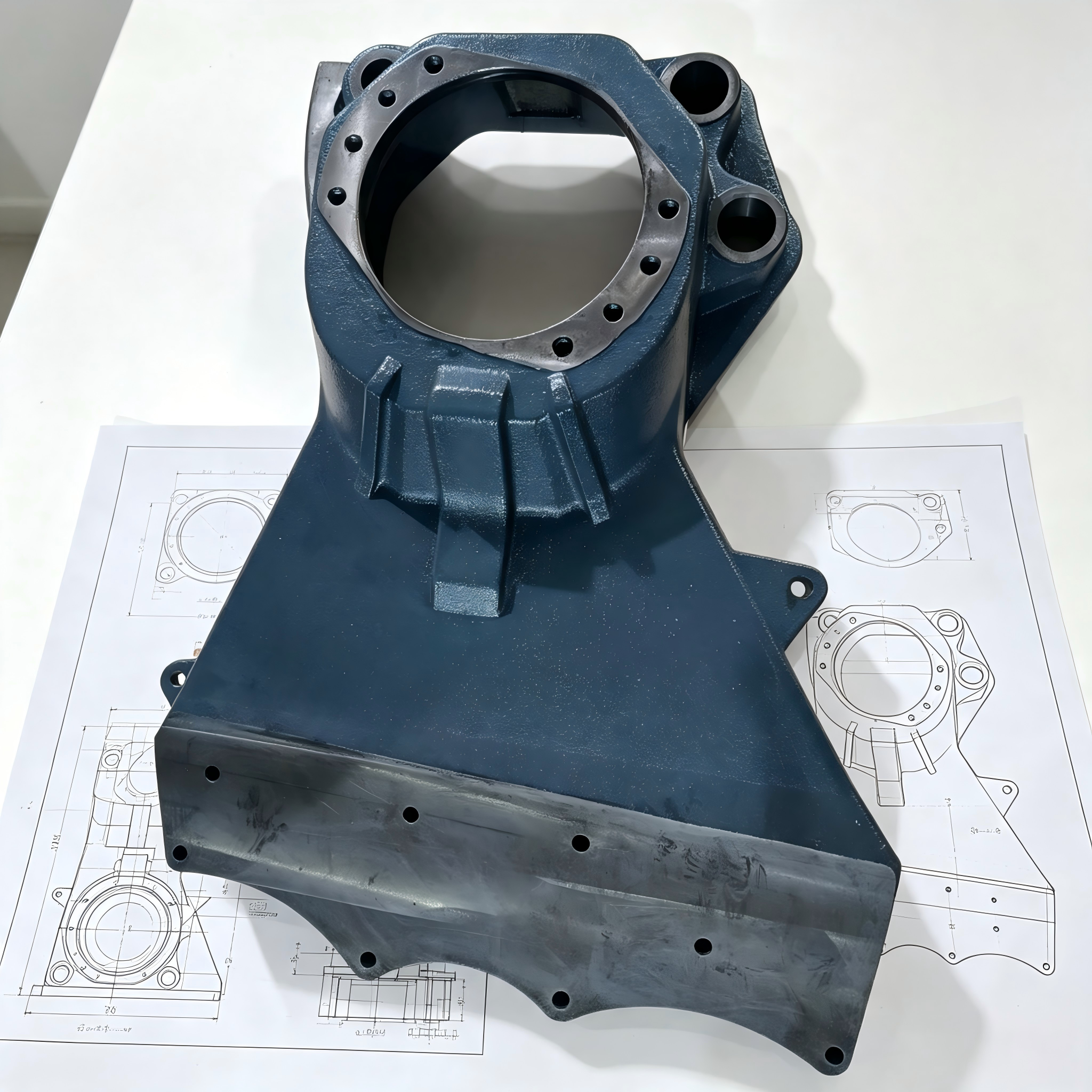
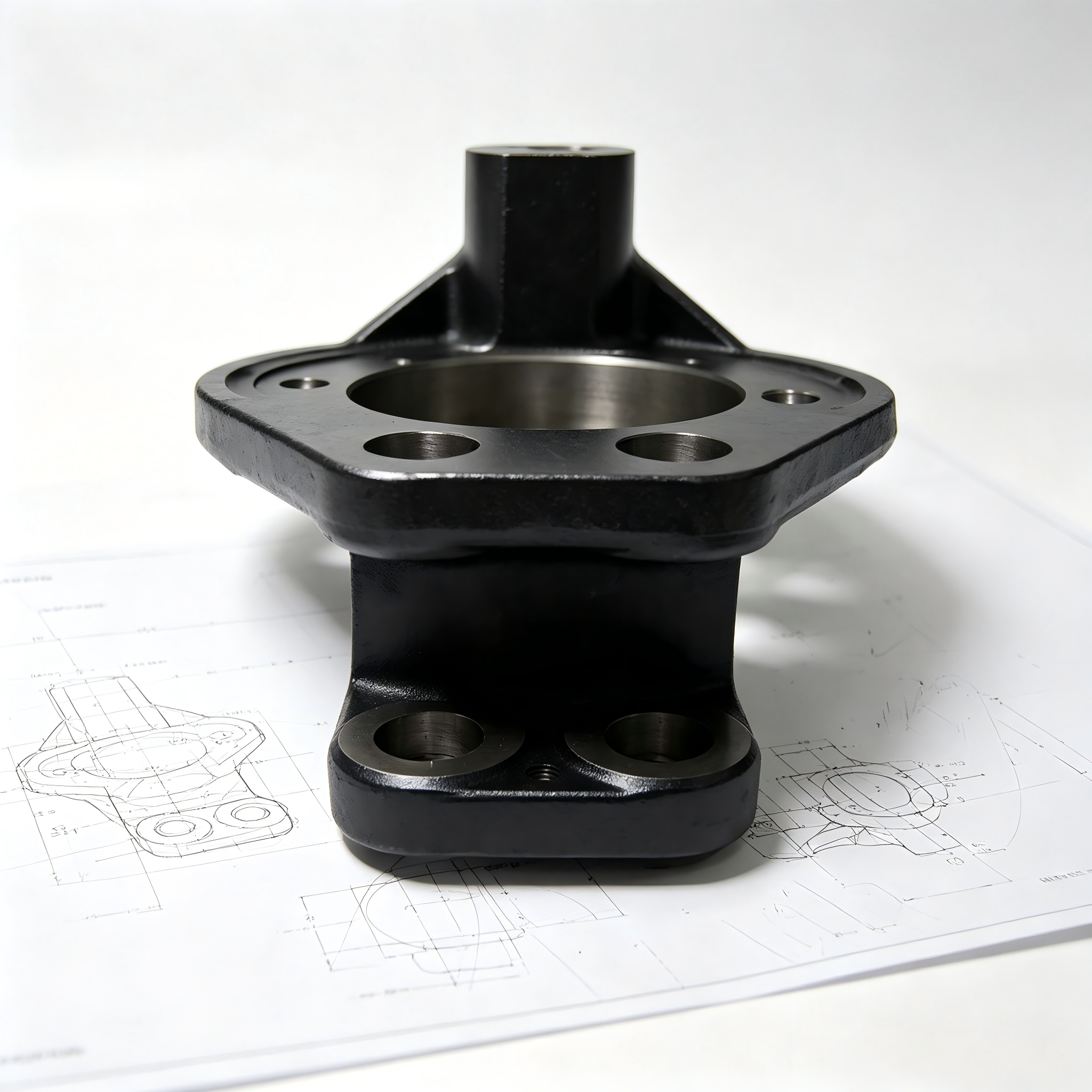
Machining-ready cast iron sand castings are supplied to customer drawings or samples with customized sizes and material requirements. Ductile iron choices include GGG40, GGG50 and GGG60, with gray iron FC250 enquiries also identified. The component can be specified around its cast form, subsequent CNC operations and required final surface condition.
Choose the iron grade and casting dimensions
Define the component geometry and select the grade required for its intended function. The sand-casting tolerance reference is CT9–11 for iron castings. Mark the dimensions controlled in the cast condition and connect them with the drawing or sample requirements so the blank has a clear specification before subsequent processing is considered.
Set the CNC and roughness requirements
CNC machining choices include drilling, milling, boring and tapping. Machining tolerance is referenced up to IT7, with Ra 0.8–3.2 according to customer requirements. Identify the controlled machined dimensions and surfaces, then confirm the roughness unit and evaluation stage. This keeps the casting and machining acceptance requirements connected to their respective manufacturing conditions.
Agree coating and component acceptance
Dacromat coating and finish painting are surface-treatment options, with the relevant faces and final appearance to be defined. For a cast iron valve-cover enquiry, provide the actual part drawing and explain its operating function. Bring grade, cast dimensions, machined features and coating requirements together so the custom iron component can be reviewed against the intended assembly and acceptance criteria.








