
Heat-Resistant Stainless Steel Lost-Wax Castings for Automotive, Agricultural and Construction Machinery Spare Parts
Let’s define your requirement
Send a product link, drawing or short brief. We’ll work through the details with you.
- Confirm the specificationGrade or model, size and intended use.
- Define your orderQuantity, finish or configuration, and samples.
- Agree the quotation scopeIncluded work, key checks and delivery needs.
-
MaterialStainless Steel
-
ApplicationIndustrySurface treatmentThe customer request
-
Product nameCustom Casting PartsQuality Control100% Inspection
-
ServiceOEM ODM CustomisedProcessCasting +Machining(if Need)+surface Treatment
-
processInvestment mold, silica sol, lost waxNameHeat Resistant Cast Steel
-
Machining ProcessLost Wax+CNC Mechining
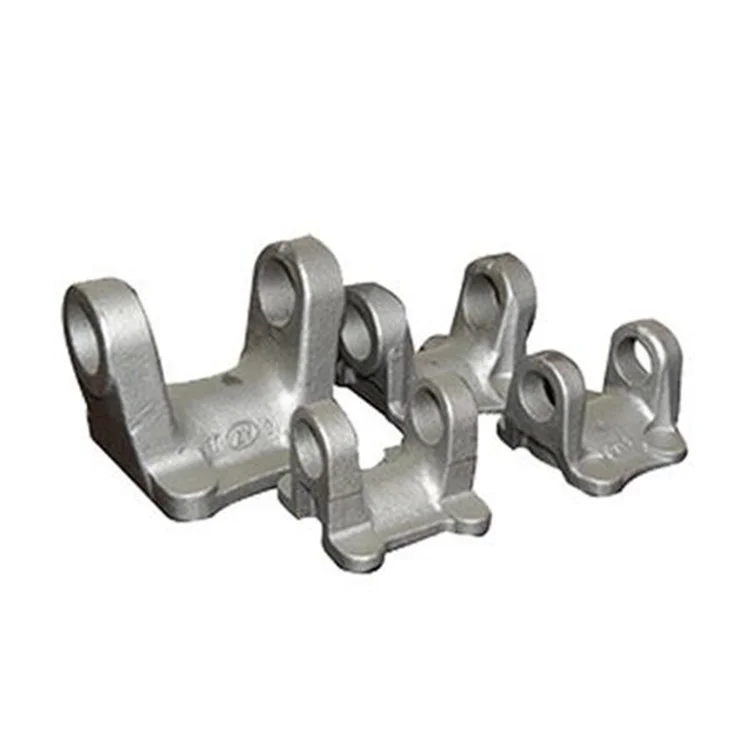
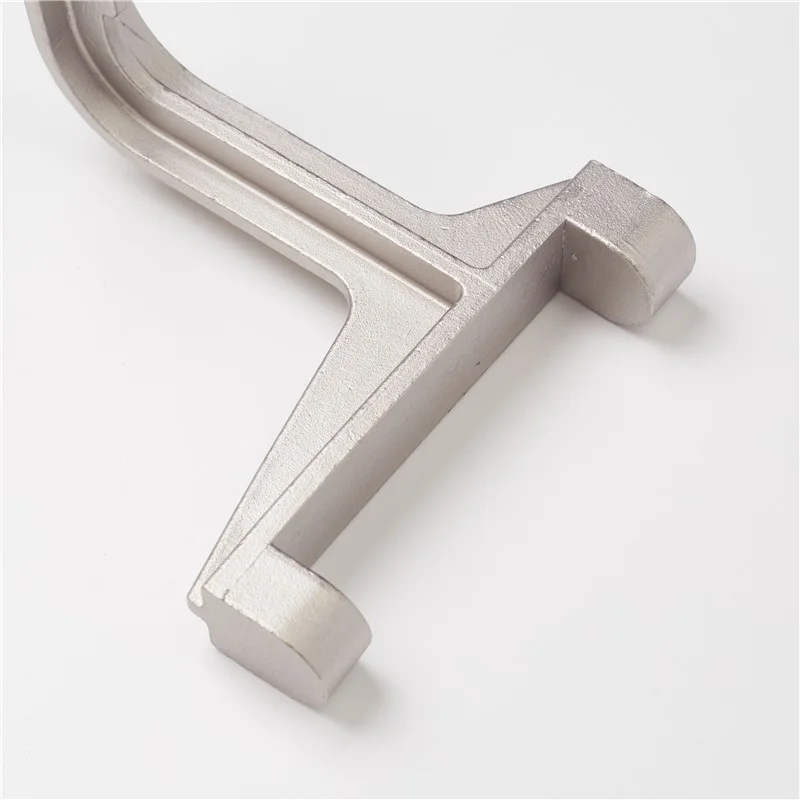
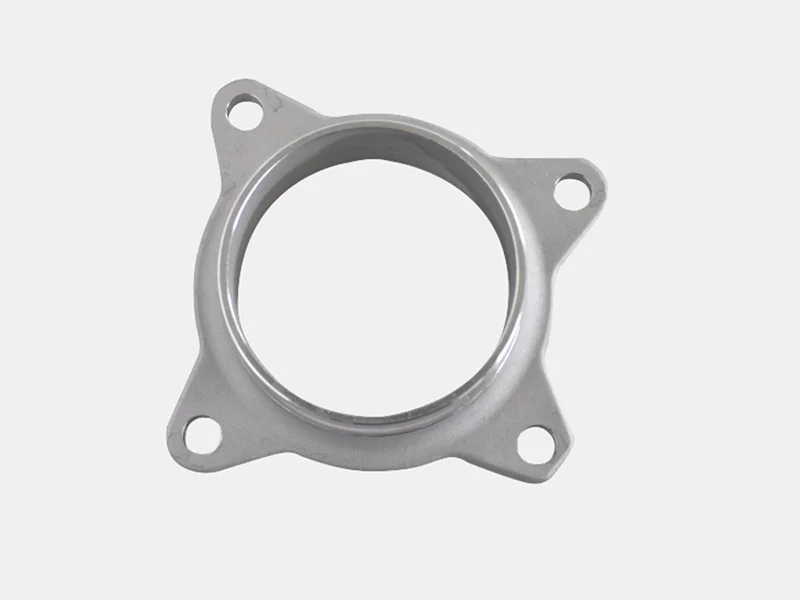
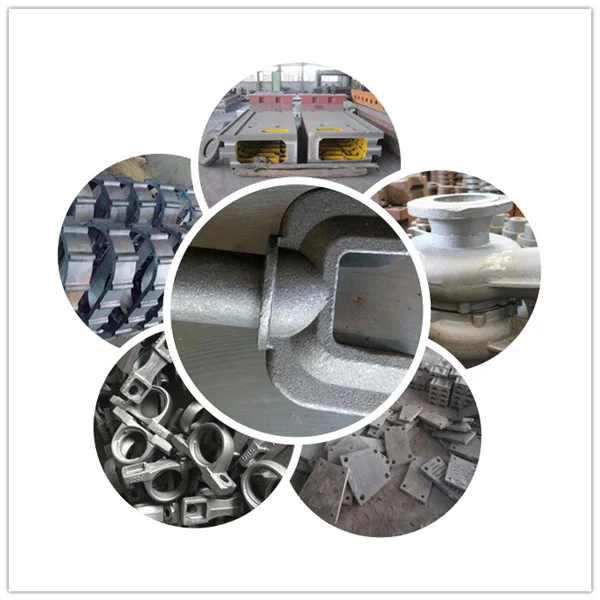
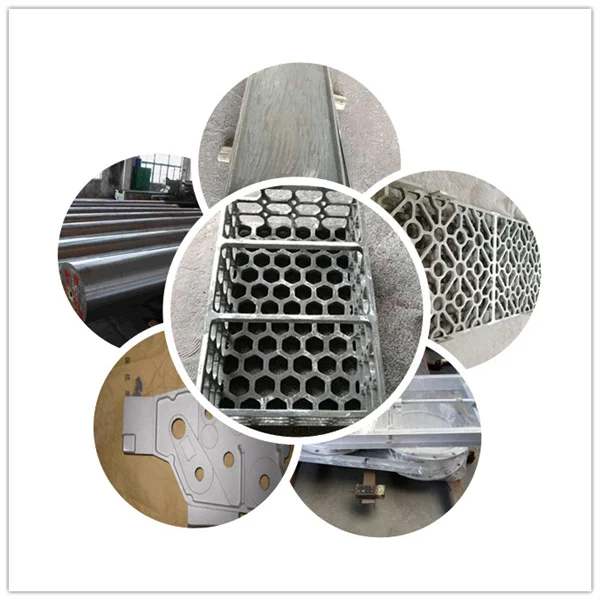
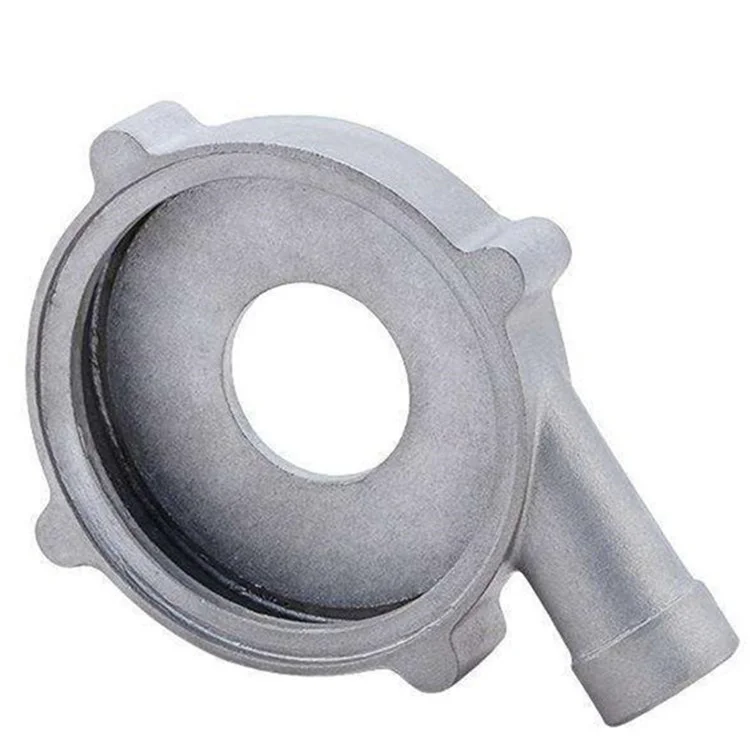
Heat-resistant stainless-steel spare parts can be customized for automotive, agricultural and construction machinery enquiries. The process uses silica-sol lost-wax investment casting with CNC machining, followed by surface treatment to customer requirements. OEM and ODM service supports defining the individual component around its intended machinery duty.
Connect heat resistance to the alloy decision
Identify the actual operating temperature, exposure cycle and mechanical duty before selecting the stainless-steel grade. Review the proposed alloy against those conditions and the geometry of the spare part. A clear duty definition allows the heat-resistant casting requirement to be assessed for the specific installation and expected working conditions.
Separate cast geometry from CNC interfaces
Define the overall shape produced by the silica-sol lost-wax route, then identify the faces, bores or other interfaces that require CNC machining. Agree critical dimensions and mating relationships for those details. This joins the casting and machining sequence to the actual way the spare part fits and functions in the surrounding machine.
Specify the requested surface condition
Surface treatment follows the customer's requirement for the selected component. State the areas to be treated and the final surface condition needed for use or assembly. Coordinate that requirement with the alloy and machining sequence, so that appearance and functional surfaces have clear acceptance criteria within the custom design.
Define acceptance for every casting part
The casting-part service includes 100% inspection of the custom machinery components. Agree which characteristics are checked, the applicable methods and the required results for the selected spare part. In an OEM or ODM review, confirm the alloy, thermal duty, finished geometry and surface acceptance together before approving the component for production.








