
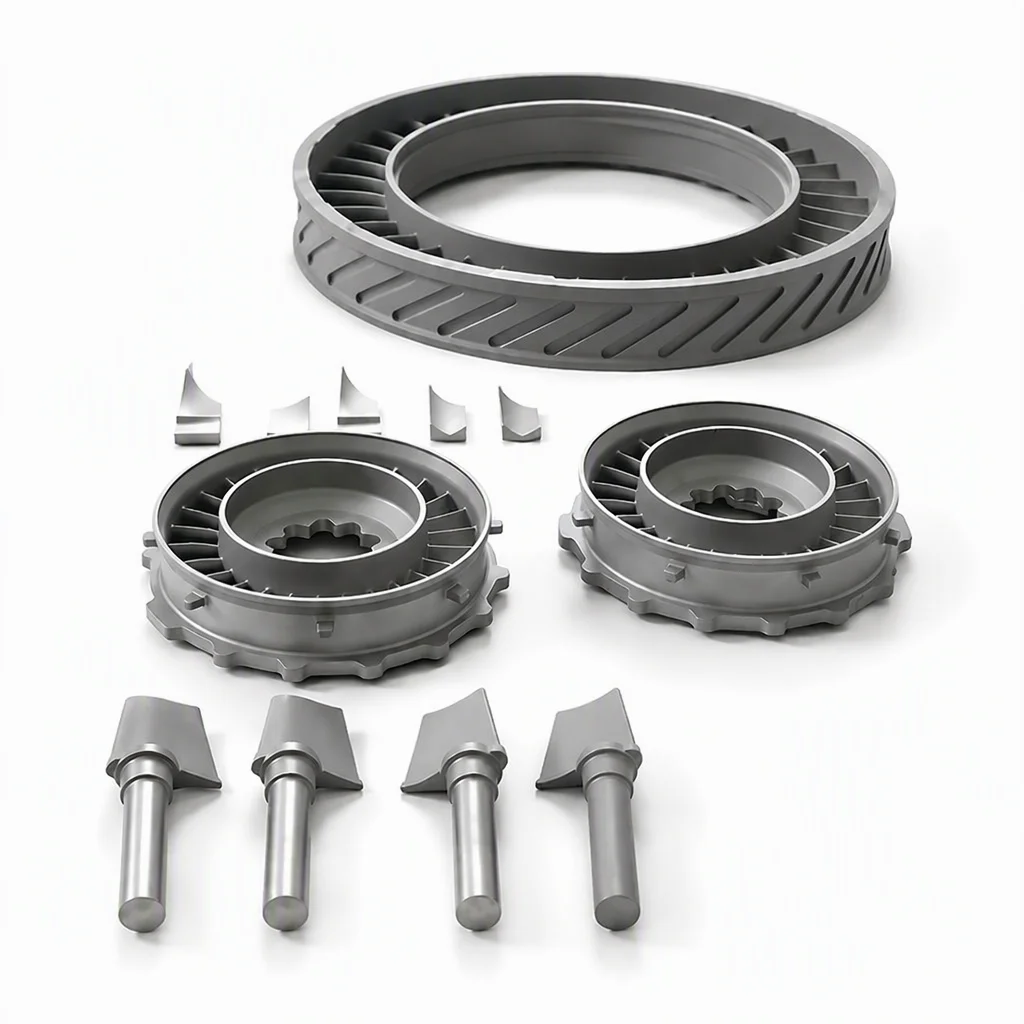
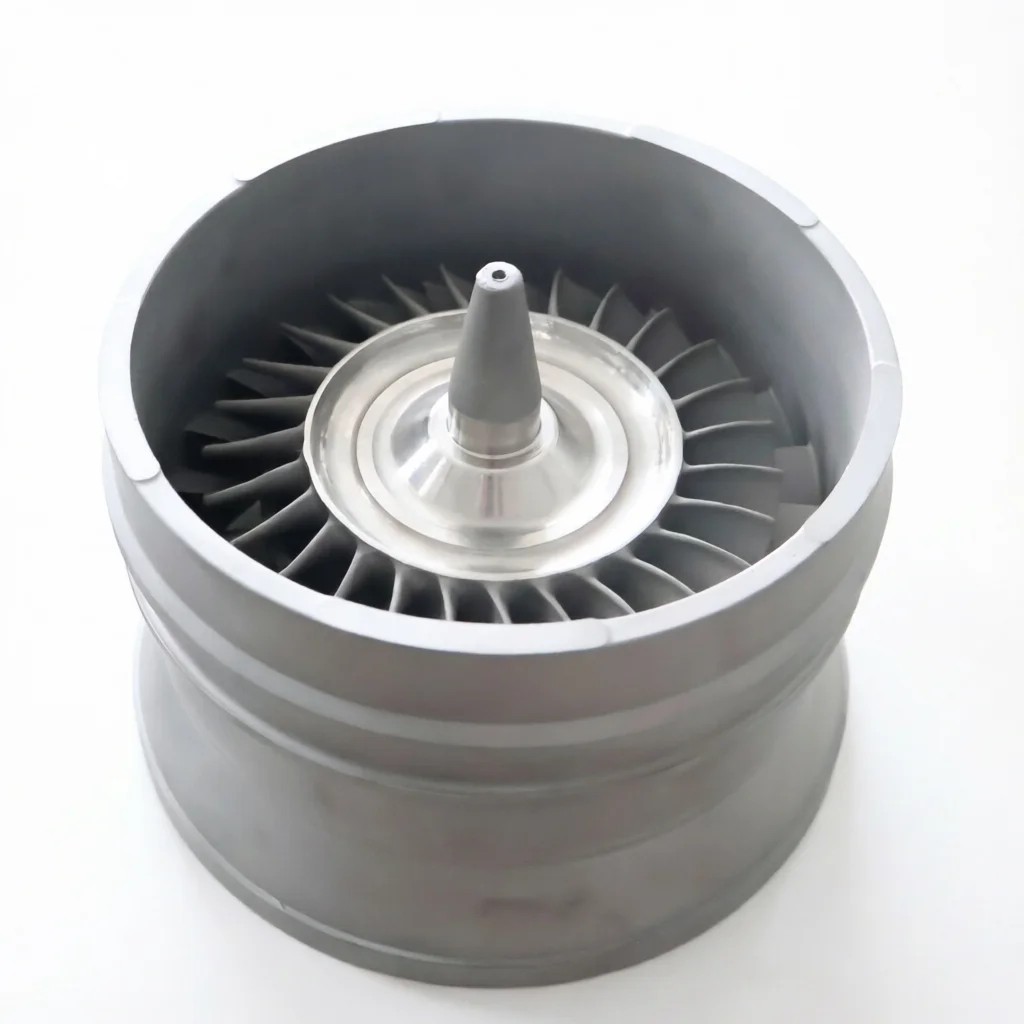
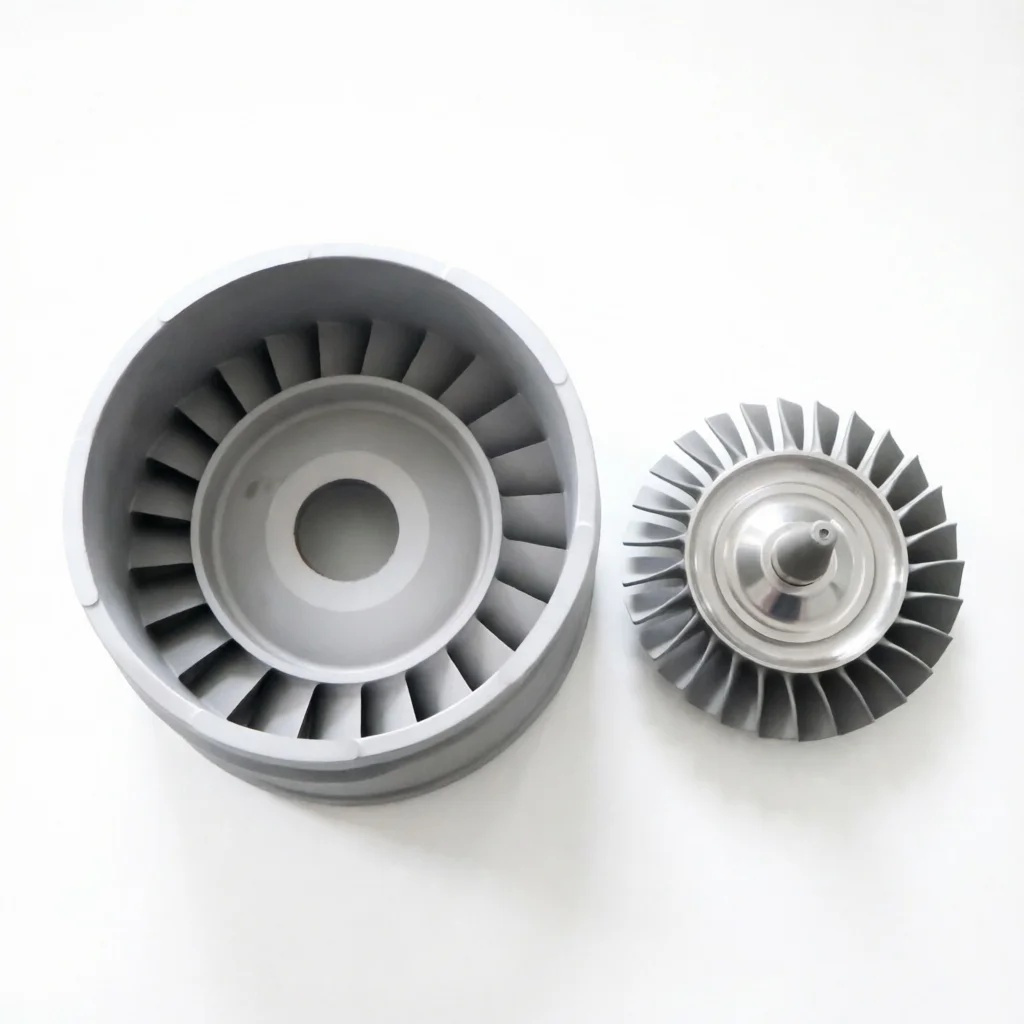
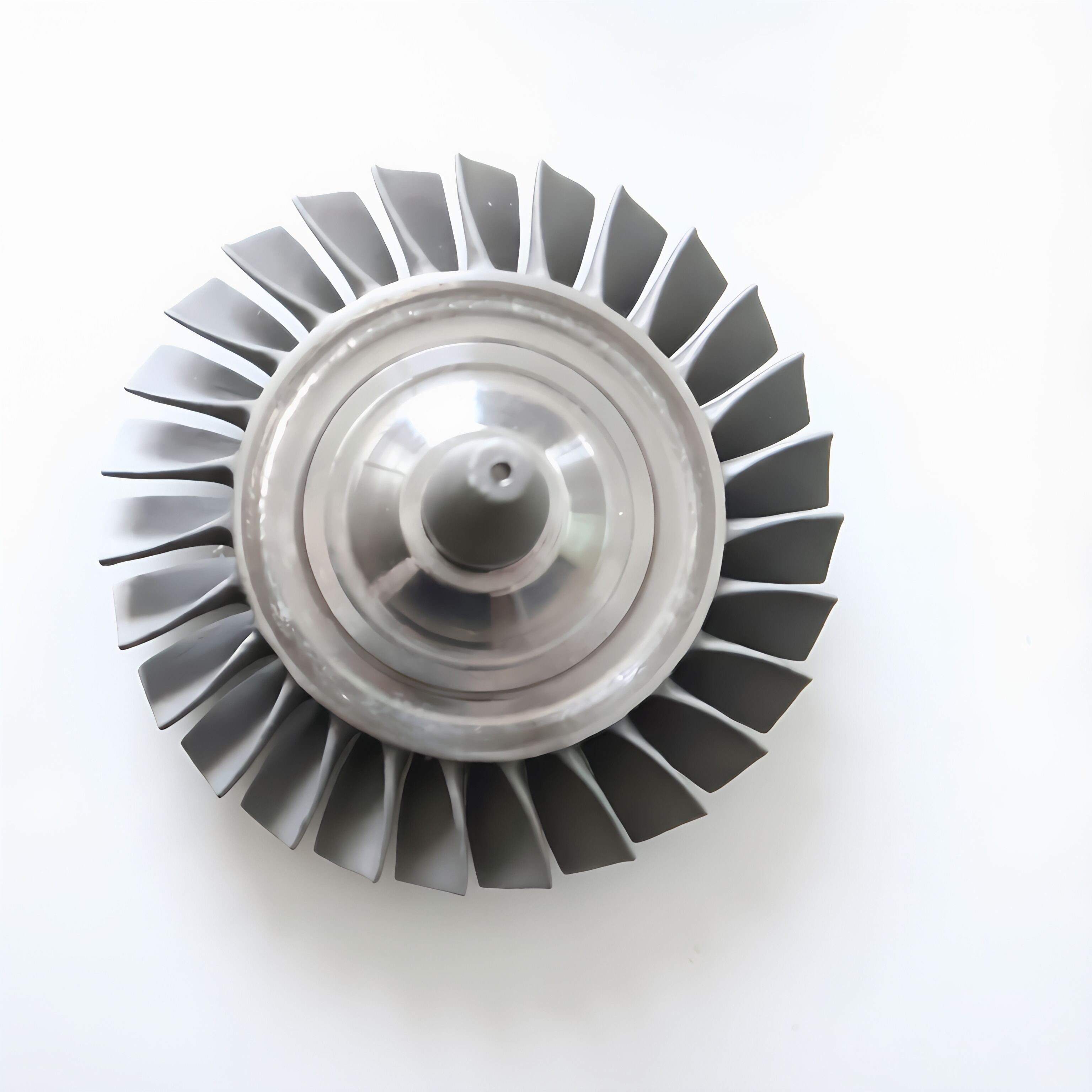
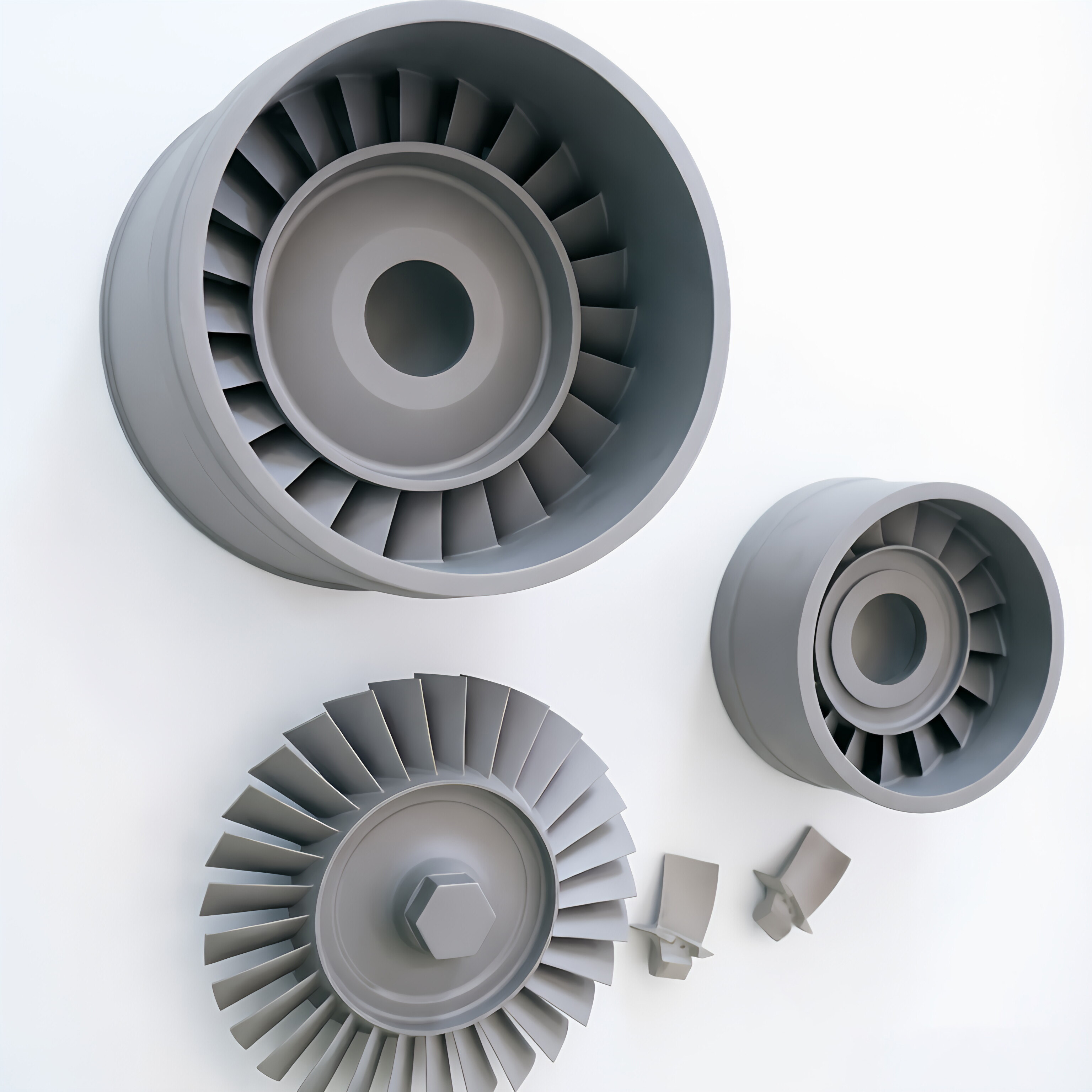
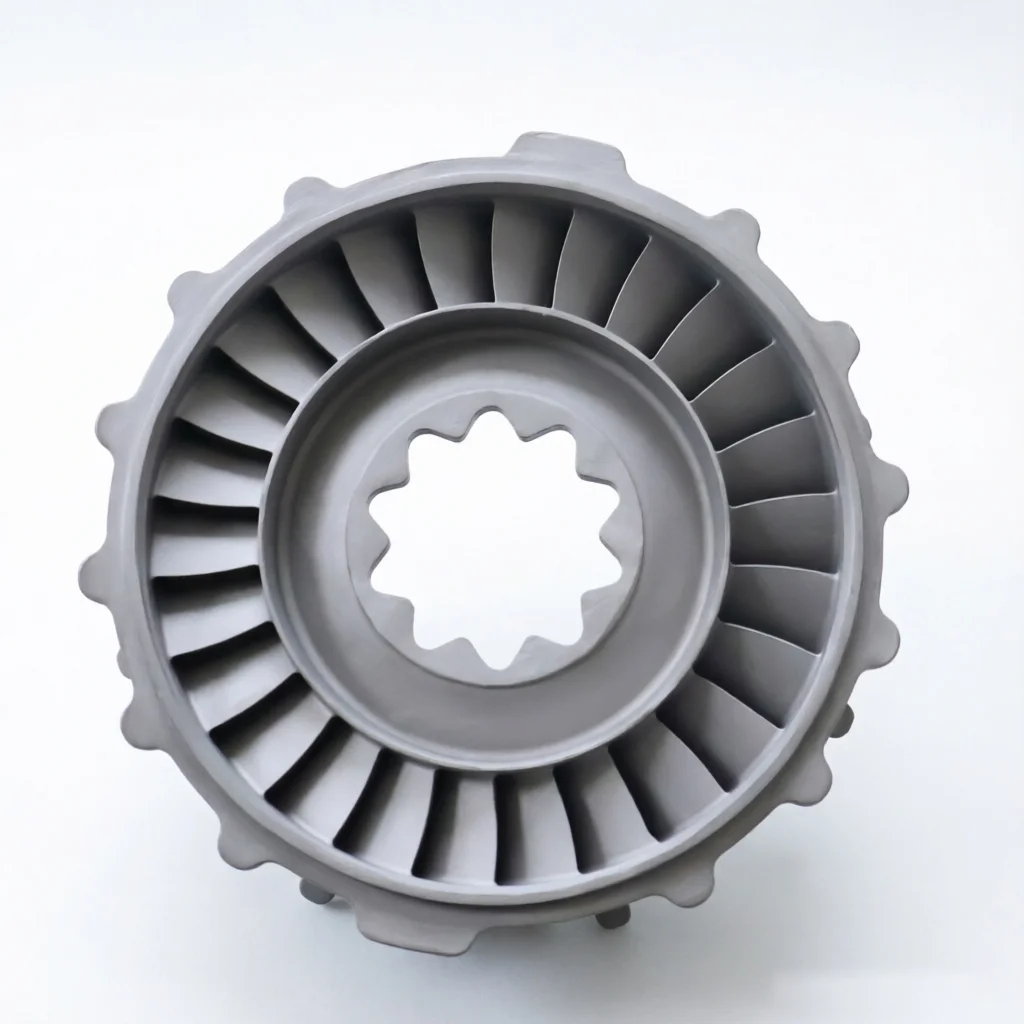
Gas Turbine and UAV Propulsion Components | Inconel 718/625 Investment Casting, CNC Precision Machining and HIP
Let’s define your requirement
Send a product link, drawing or short brief. We’ll work through the details with you.
- Confirm the specificationGrade or model, size and intended use.
- Define your orderQuantity, finish or configuration, and samples.
- Agree the quotation scopeIncluded work, key checks and delivery needs.
-
Surface FinishSandblasted , Polished
-
warranty2 Yearsweight (kg)100
-
video outgoing-inspectionProvidedmachinery test reportProvided
-
engine typeKerosene, diesel fueltypeTurbocharger,Turbine Wheel
-
Product TypePrecision Power & Propulsion Components
-
MaterialInconel 718 / 625 / Titanium Alloy / Stainless SteelProcessInvestment Casting / Lost Wax Casting / CNC Machining / HIP
-
ApplicationTurbine Engines / UAV Propulsion Systems / Industrial Power UnitsMax Temperature Resistance≥1000°C (Alloy Dependent)
-
Max Rotational Speed30,000-100,000 RPMTolerance±0.01-0.05 mm (Precision Grade)
-
Surface TreatmentGrinding / Polishing / Sand Blasting / Coating / Heat TreatmentDrawing Format2D: PDF, DWG, DXF / 3D: STEP, IGS, STP
-
PackagingCarton / Plywood Case / Anti-Rust Protection
Develop a turbine or propulsion-component enquiry through its selected alloy, geometry and operating duty. The service covers investment/lost-wax casting, CNC precision machining and HIP directions for turbocharger, turbine-wheel and related power components.
Select the alloy and manufacturing scope
Inconel 718, Inconel 625, titanium alloy and stainless steel are material choices to discuss. Define the actual grade and the casting, CNC and HIP work required for the component. Connect the selected process scope to the geometry and acceptance required by the intended system.
Apply temperature and speed references to the actual duty
The temperature-resistance reference is ≥1000°C and depends on the alloy. A rotational-speed range of 30,000–100,000 RPM is also referenced for the component direction. Establish the temperature and speed requirements for the chosen alloy and design, with acceptance criteria that address that actual operating duty.
Define precision and the surface condition
Precision-grade tolerance is referenced at ±0.01–0.05 mm. Identify the features needing that acceptance and select the relevant grinding, polishing, sand blasting, coating or heat-treatment requirements. Define the measurement methods and surface criteria for the finished component alongside the casting and machining scope.
Agree the system interfaces and review material
Application directions include turbine engines, UAV propulsion systems and industrial power units, with kerosene/diesel-fuel engine directions requiring the actual system and interfaces to be established. A two-year warranty, outgoing-inspection video and machinery test report are offered; agree their relevant coverage and what the checks demonstrate. Geometry can be supplied in 2D PDF, DWG or DXF and 3D STEP, IGS or STP formats.








