
Custom Vacuum Lost Wax Investment Casting for Stainless Steel, Carbon Steel and Aluminum Parts
Let’s define your requirement
Send a product link, drawing or short brief. We’ll work through the details with you.
- Confirm the specificationGrade or model, size and intended use.
- Define your orderQuantity, finish or configuration, and samples.
- Agree the quotation scopeIncluded work, key checks and delivery needs.
-
Surface FinishSandblasted , Polished
-
Sizecustomizable
-
Surface Treatmentcustomizable, Polishing, Mirror Polishing, Sandblasting, Wire Drawing, PlatingMaterialscustomizable
-
Product namecustom Investment casting ServicesMaterialStainless Steel, Carbon Steel, Alloy Steel, Copper Alloy, Superalloy
-
TechnicsPrecision Casting, Lost Wax Casting, Silica Sol CastingProcessingCNC Milling & Turning, Drilling, Tapping, Grinding, Deburring
-
ApplicationPrecision Casting/Aluminium Casting Parts/Auto Parts/Tool PaCertificationISO9001/ISO14001/IATF16949
-
StandardJIS/ANSI/API/BS/DIN/GB etcTolerance GradeCT3~CT6 High Precision, Stable Dimension
-
ServiceOEM\ODM
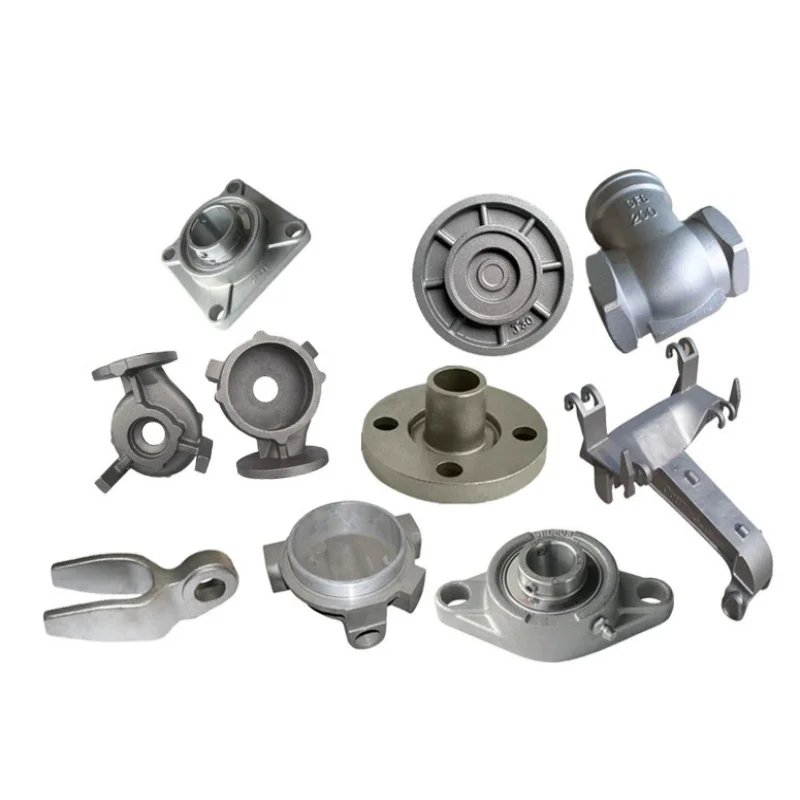
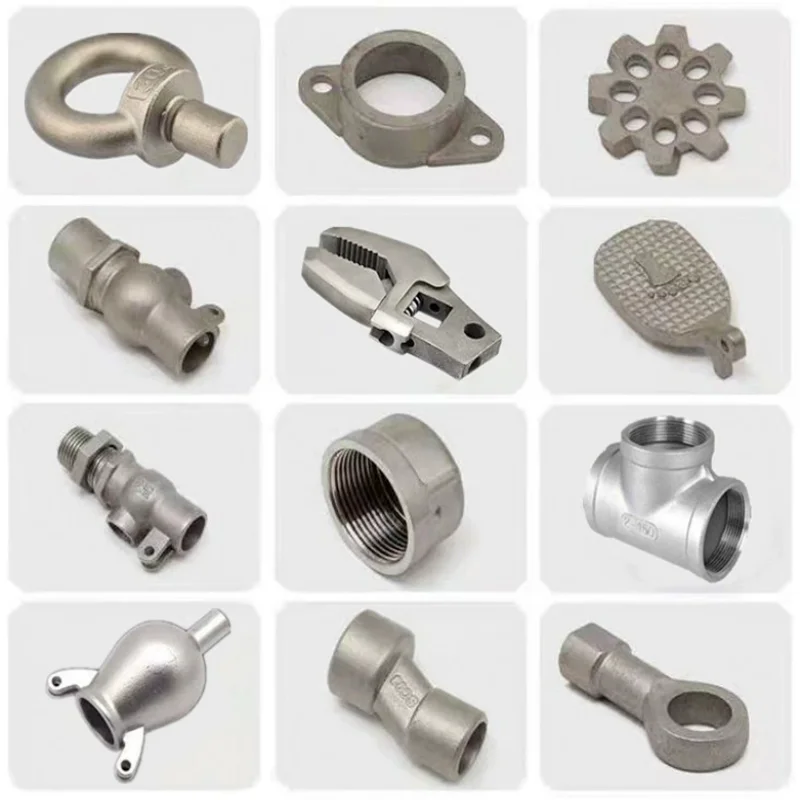
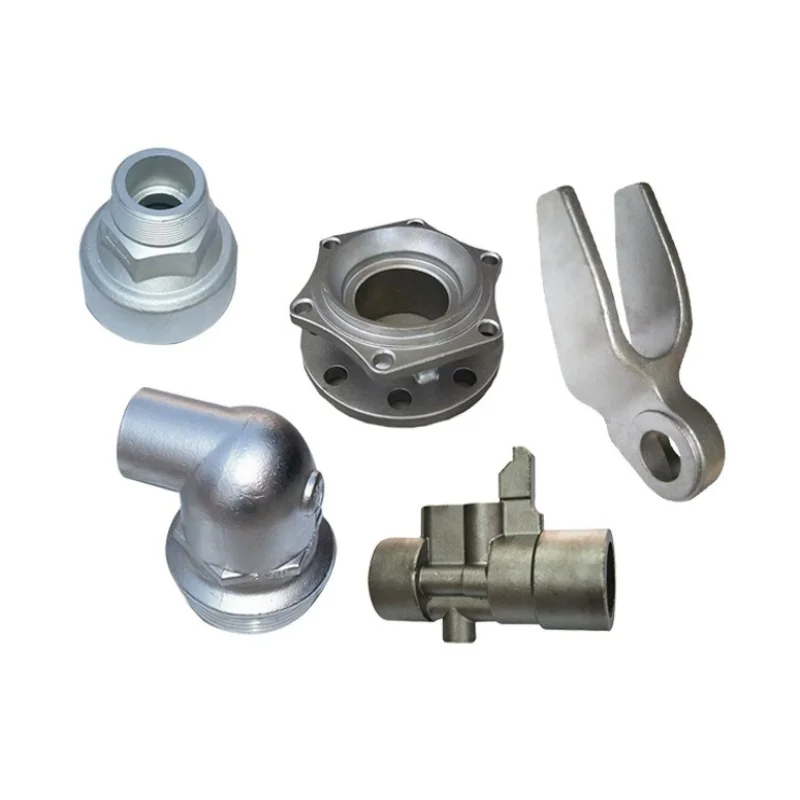
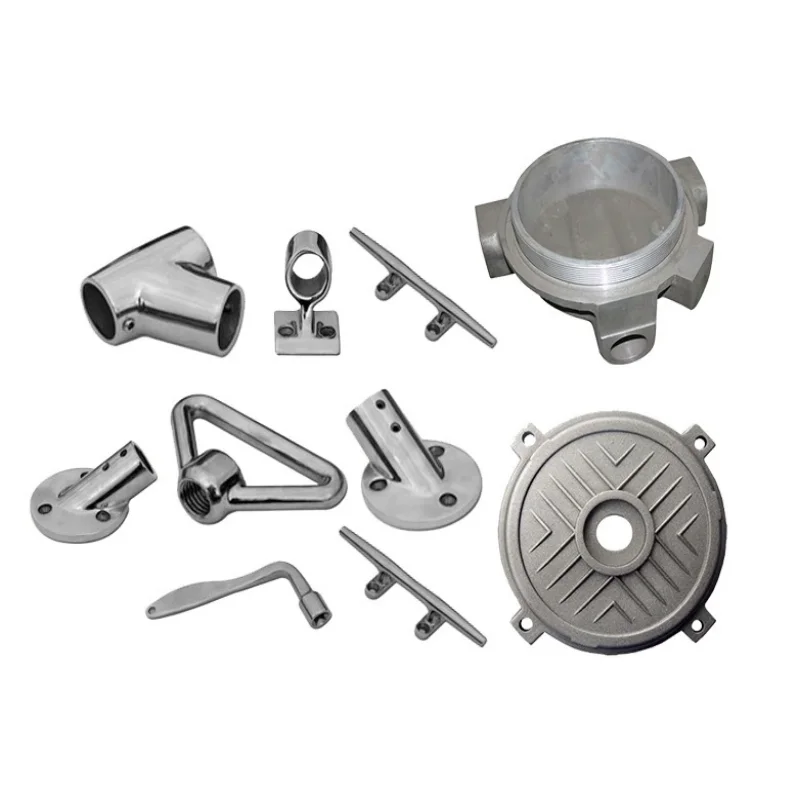
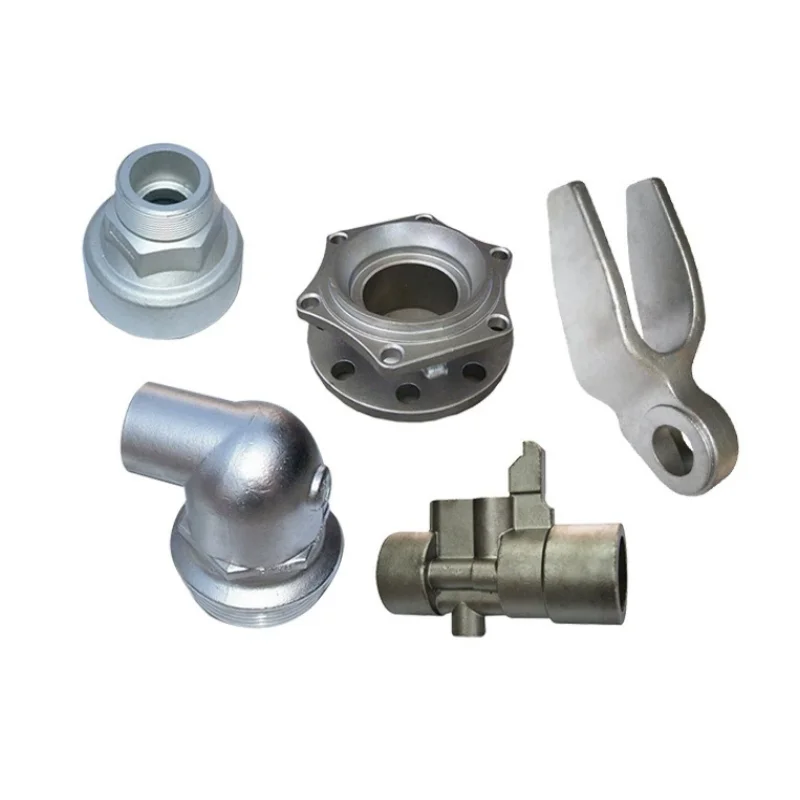
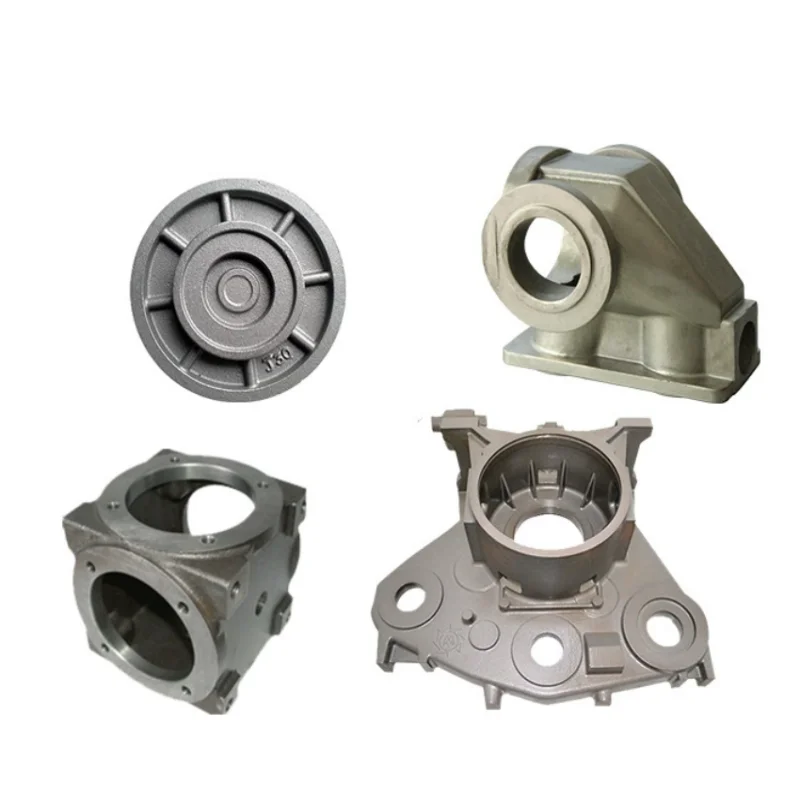
Custom vacuum lost wax investment casting is offered for stainless steel, carbon steel and aluminum parts through OEM and ODM service. Precision casting and silica sol casting can be discussed with customized size, material and surface requirements. The actual alloy grade and component geometry define the process and acceptance requirements for the project.
Choose the alloy and casting grade
The wider material capabilities include alloy steel, copper alloy and superalloy. The casting tolerance range is CT3–CT6, with dimensional stability among the casting aims. Identify the selected alloy and applicable casting grade on the drawing, and agree the dimensions and manufacturing stage to which that acceptance applies.
Define the cast geometry and CNC operations
Processing choices include CNC milling and turning, drilling, tapping, grinding and deburring. Mark the dimensions requiring these operations so casting and machining requirements remain clear. Automotive part and aluminum casting enquiries should include the actual component use, mating requirements and drawing revision for evaluating the proposed work.
Select the surface condition for the finished part
Polishing, mirror polishing, sandblasting, wire drawing and plating are surface treatment choices. Identify the surfaces involved and define the required appearance or functional acceptance criteria. Select the treatment for the actual alloy and component, keeping surface requirements consistent with the cast and machined dimensions.
Match certification and standards to the project
Certification scope includes ISO9001, ISO14001 and IATF16949. Standards references include JIS, ANSI, API, BS, DIN and GB, with the applicable document and grade to be specified for the order. Agree the necessary quality records and inspection acceptance alongside the material and drawing requirements. This gives the OEM/ODM casting enquiry a defined basis for process and finished-part evaluation.








