
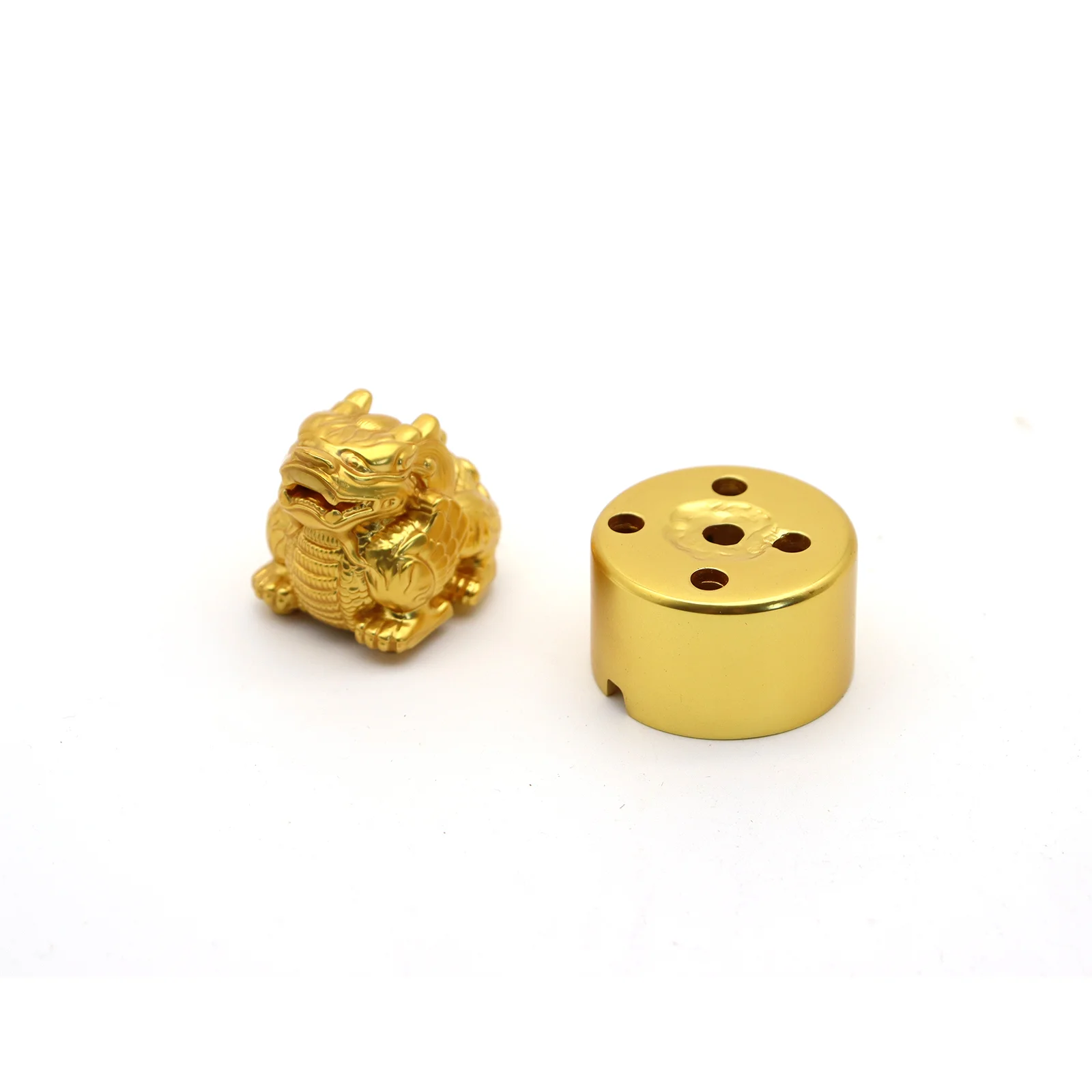
Custom Vacuum Aluminum and 304/316 Stainless Steel Lost Wax Investment Casting Parts
Let’s define your requirement
Send a product link, drawing or short brief. We’ll work through the details with you.
- Confirm the specificationGrade or model, size and intended use.
- Define your orderQuantity, finish or configuration, and samples.
- Agree the quotation scopeIncluded work, key checks and delivery needs.
-
Product nameDie Casting Part
-
ProcessCasting. Deburring .Drilling .threadingCertificationISO9001
-
ServiceCustomized OEMSizeCustomer's 3D Drawing
-
Surface treatmentCustomers' DemandToleranceCustomer's Drawing Request
-
StandardClient SpecificationColorCustomized Color
-
Quality ControlStrictly 100% Inspection
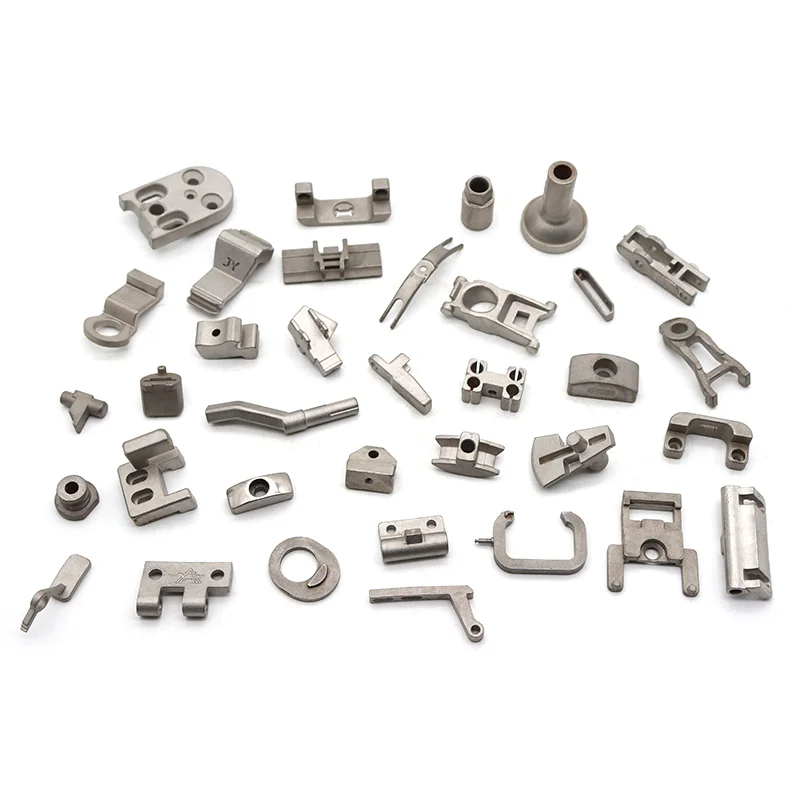
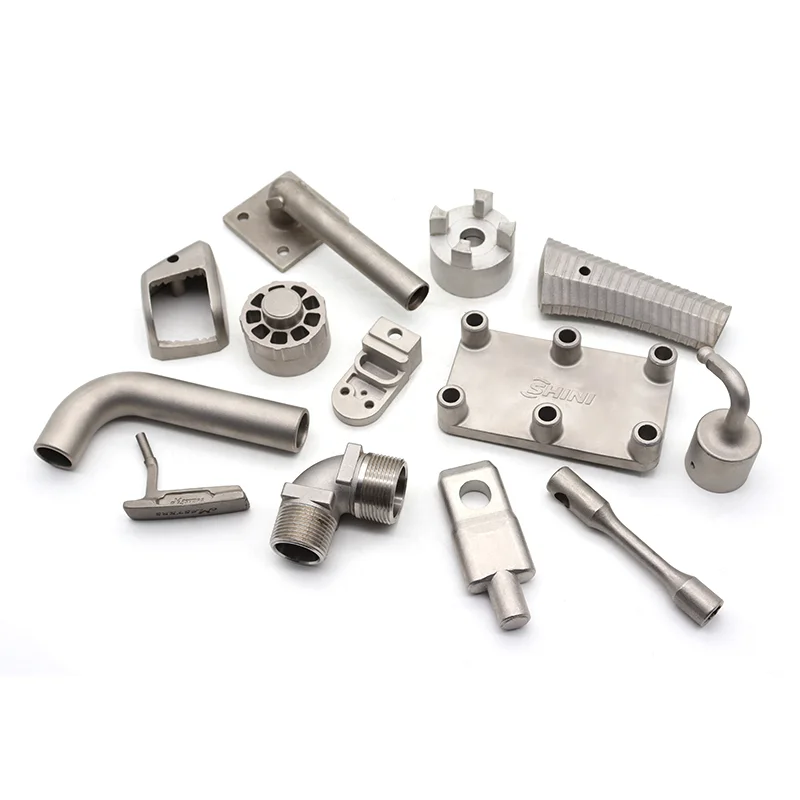
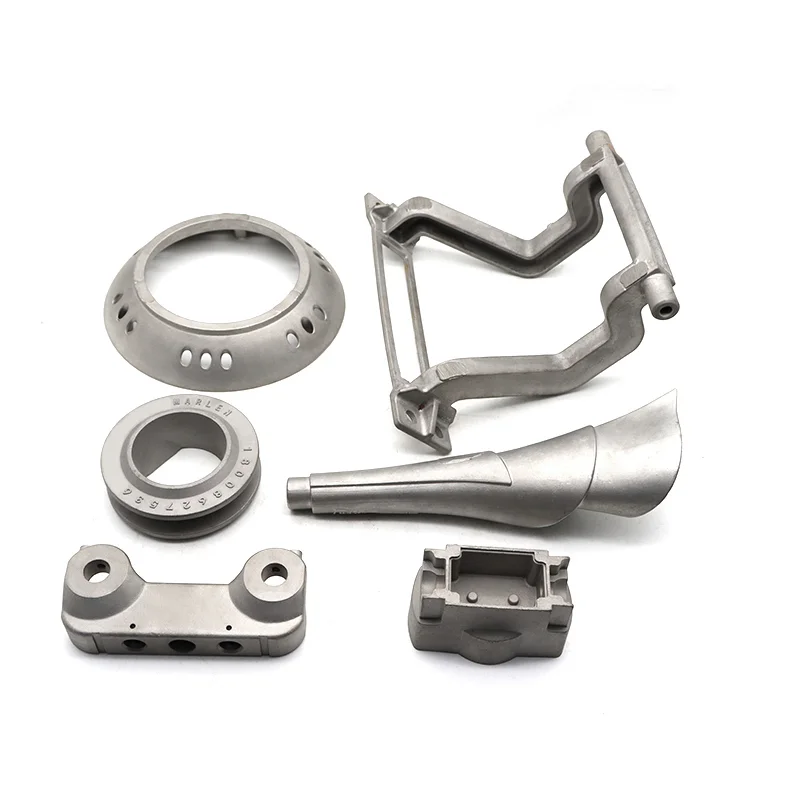
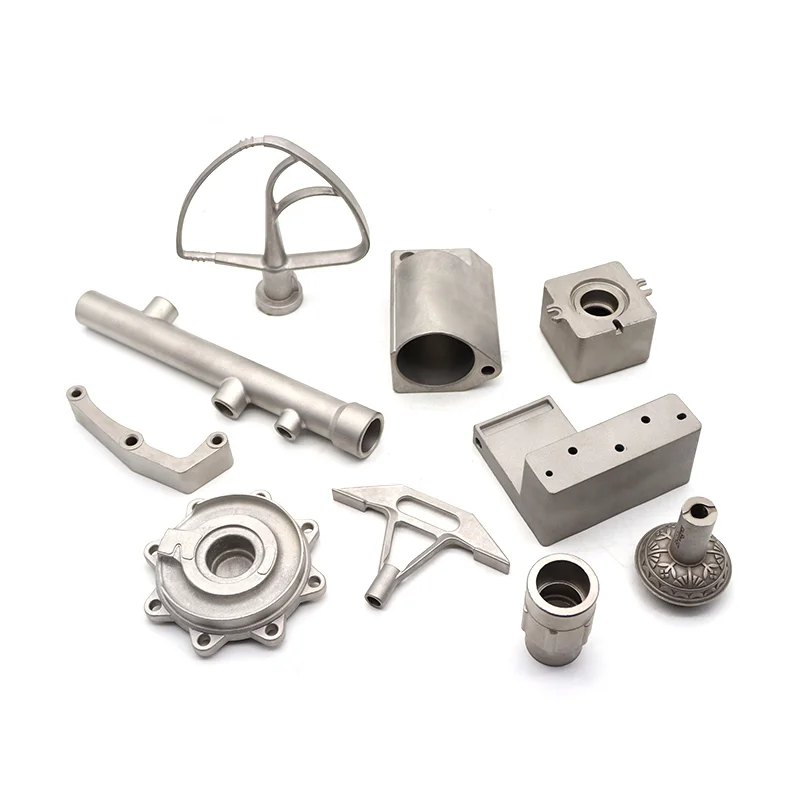
Custom OEM vacuum lost wax investment casting enquiries cover aluminum and 304/316 stainless steel parts. Casting, deburring, drilling and threading form the named process scope. Size, tolerances and component standards follow the customer's drawing and requirements, with custom surface treatment and color available for the selected part.
Which material and route define the component?
Select the exact aluminum or stainless steel grade and establish its manufacturing route. Die-casting work can be considered for a compatible grade and geometry alongside the investment-casting enquiry. The chosen route should be clear before defining the finished component. This keeps the broad material choices connected to an actual part and its manufacturing requirements.
How do the 3D shape and threaded areas relate?
The customer's 3D drawing provides the basis for custom size and geometry. Identify areas needing deburring, drilling or threading, together with the tolerances specified for those dimensions. The client specification should describe the same component and revision. Relating these requirements helps distinguish the general cast shape from areas requiring further operations.
What surface and inspection will be accepted?
Surface treatment and color are customized to the project, so identify the required condition on the relevant faces. Cast parts are subject to 100% inspection, with methods and acceptance criteria established for the ordered geometry and finish. ISO9001 qualification can be reviewed for the current certificate object and relevant scope. Bringing these details together gives the OEM enquiry a defined material, process sequence and finished condition against which the component can be evaluated.








