
Custom TPU TPR Soft-Touch Industrial Components: Rapid Tooling and Vacuum Casting Requests
Let’s define your requirement
Send a product link, drawing or short brief. We’ll work through the details with you.
- Confirm the specificationGrade or model, size and intended use.
- Define your orderQuantity, finish or configuration, and samples.
- Agree the quotation scopeIncluded work, key checks and delivery needs.
-
Surface FinishPowder Coated , Polished
-
Product nameVacuum Casting ServiceApplicationIndustry
-
Surface treatmentPainting\Powder Coating\Plating\PolishingTypeMoulding Press
-
PackingCustomized PackingAdvantageManufactuer
-
OEM/ODMWarmly WelcomedDrawing Format2D/(PDF/CAD/DWG/DXF)3D(IGES/STEP/VDA)
-
ShapeCustomized Shape
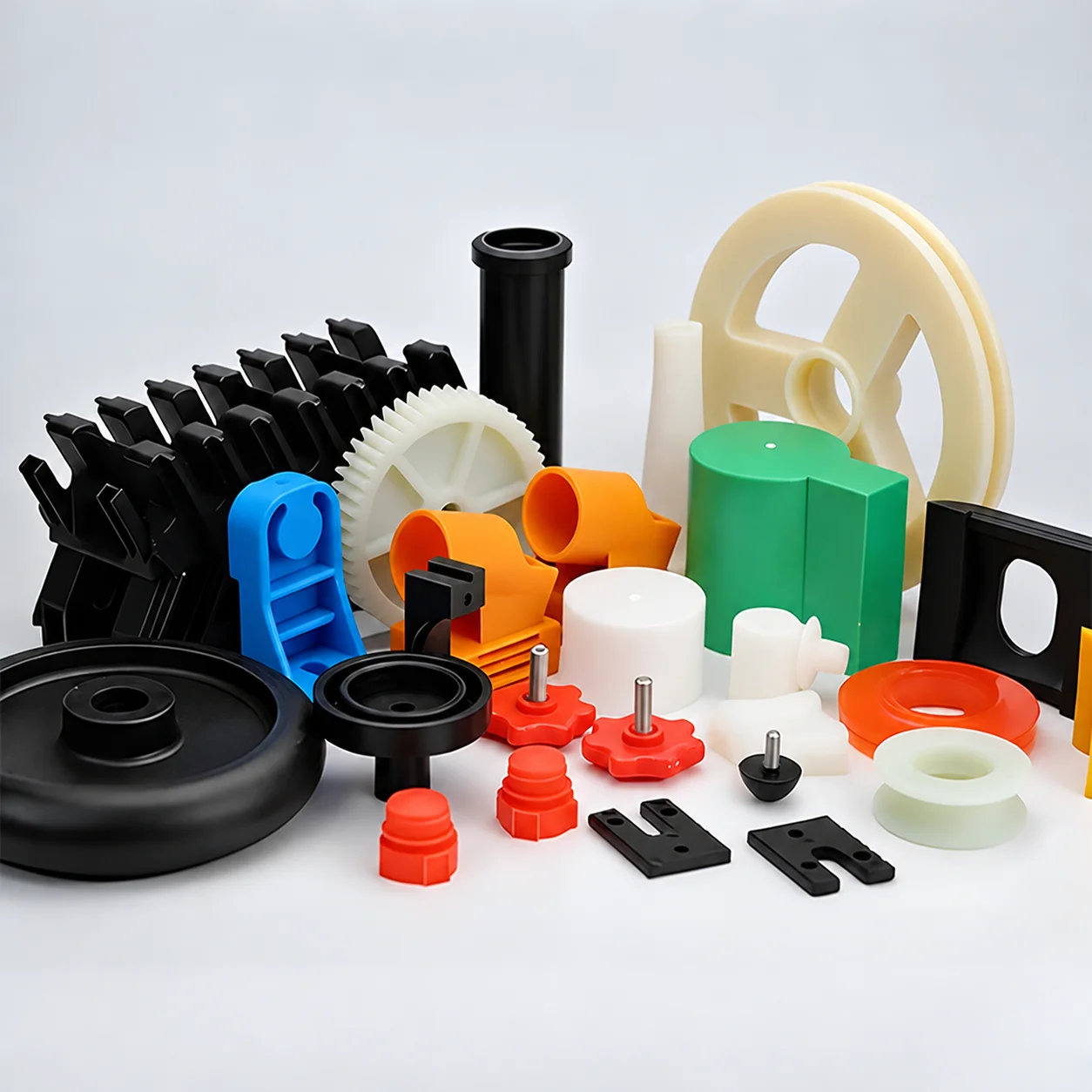
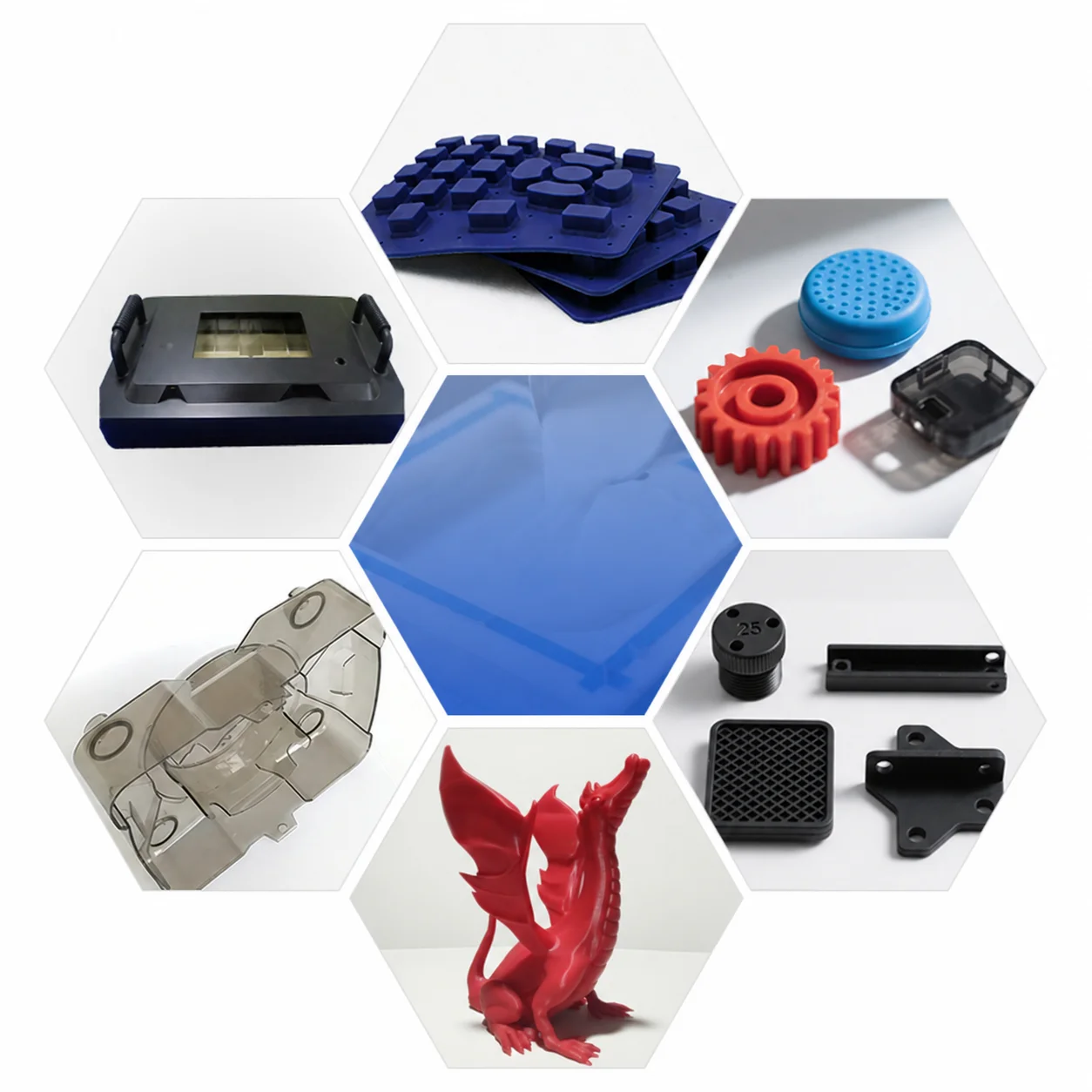
Custom soft-touch industrial component requests bring rapid tooling, TPU/TPR-related material requirements and vacuum-casting directions into the same project discussion. OEM/ODM work supports customized shapes, with the actual resin, forming route and finished requirements to be agreed for the component.
Define the soft-touch result required by the part
Describe the component's industrial role and the soft-touch characteristics needed for that use. Identify whether the inquiry concerns TPU, TPR or a liquid-silicone-alternative requirement, then agree the actual material and acceptance criteria. This gives material selection a specific purpose without treating an alternative-material phrase as a complete property definition.
Clarify tooling and the forming scope
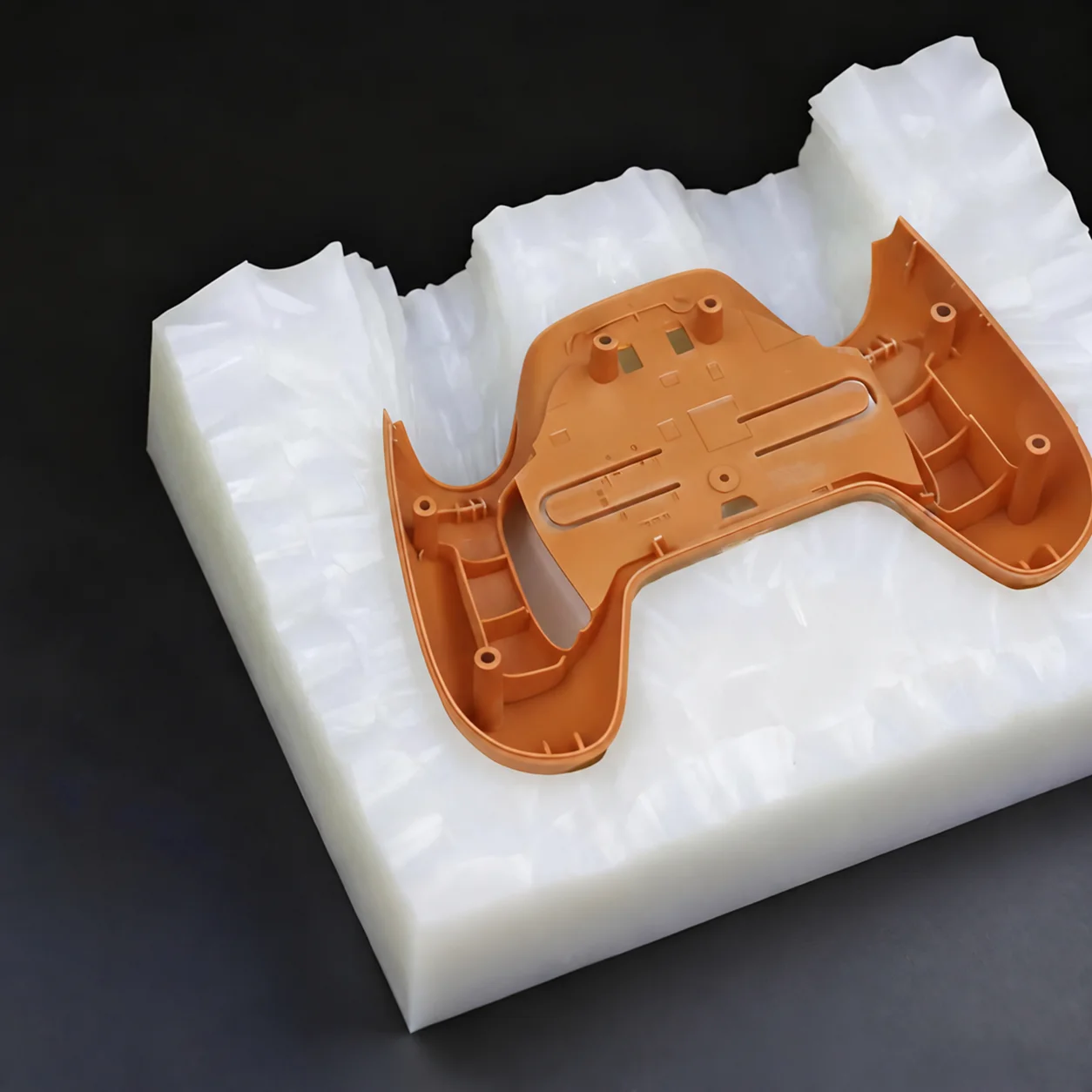
Agree whether the component requires vacuum casting or a molding route, together with the rapid-tooling work involved. Clarify any molding-press requirement and identify the actual supplied items. The shape, interfaces and dimensional acceptance should belong to that same definition, so the tooling discussion serves the component being requested.
Choose a finish for the selected material
Painting, powder coating, plating and polishing are surface-treatment directions to consider. Identify the actual material and the surfaces covered by the selected treatment. Define the required appearance and final dimensional condition, especially where a treated area also forms an assembly interface.
Prepare geometry that describes the custom shape
Two-dimensional inputs include PDF, CAD, DWG and DXF, while three-dimensional choices include IGES, STEP and VDA. Pair the geometry with its material requirement, forming scope and surface acceptance. These inputs give the custom-shape inquiry a practical basis for reviewing the soft-touch component and any related tooling work.








